Active seniors know the value of staying busy. Between morning walks, strength training sessions, volunteer work, and social activities, you’re packing more into your days than many people half your age. But there’s a secret weapon that top athletes and successful business leaders have used for decades: strategic napping.
Taking a nap doesn’t mean you’re slowing down or losing your edge. When done right, napping can actually fuel your active lifestyle, speed up recovery from workouts, and keep your mind sharp for afternoon activities. Let’s look at how you can use naps to stay at your best.
The Science Behind Power Naps for Active Adults
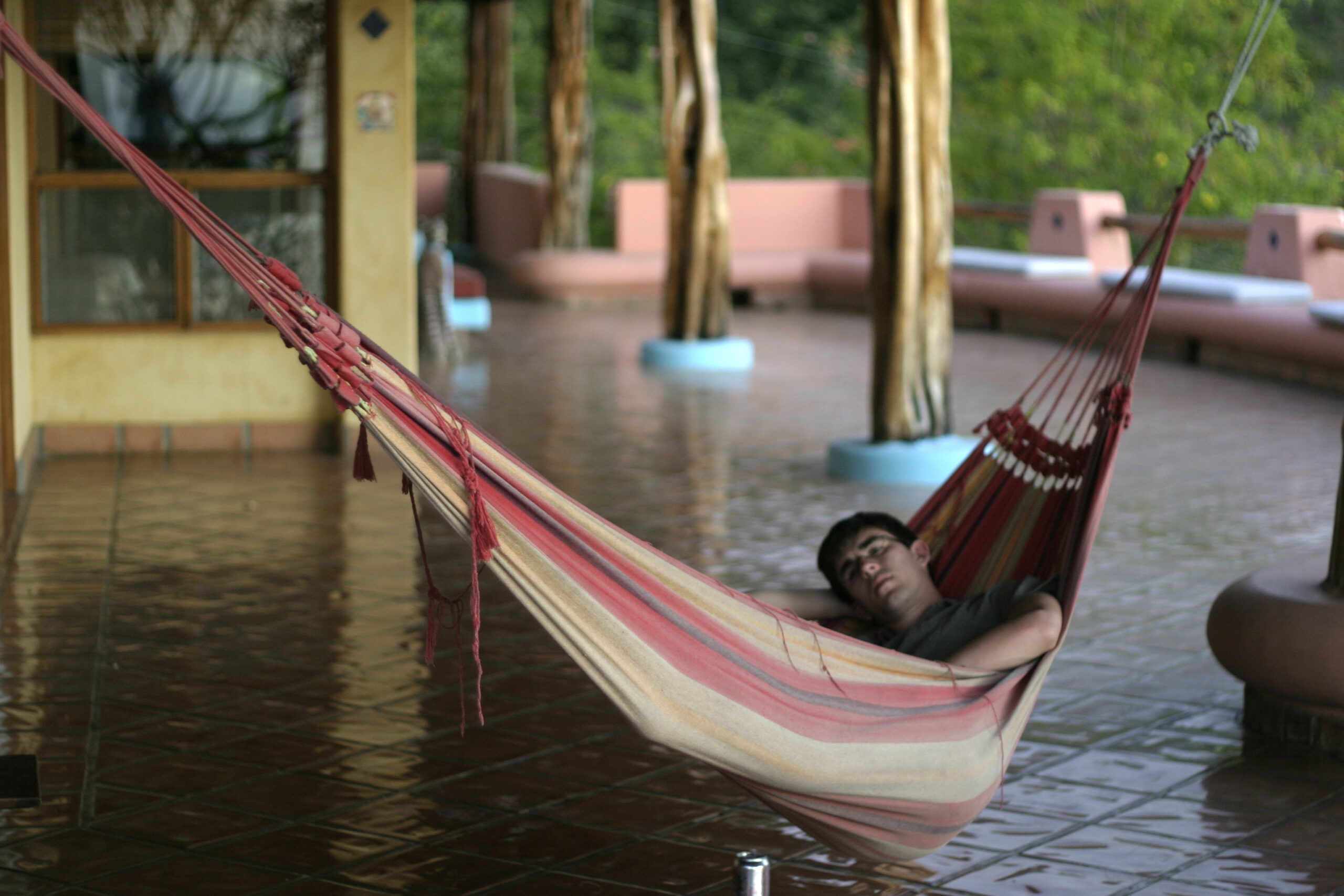
Your body operates on natural energy cycles throughout the day. Most people experience a dip in alertness between 1 PM and 3 PM, regardless of what they ate for lunch. This isn’t laziness or a sign of aging. It’s your circadian rhythm at work.
For seniors who maintain active schedules, this afternoon slump can interfere with planned activities. Research from NASA on military pilots and astronauts found that a 26-minute nap improved performance by 34% and alertness by 54%. These weren’t people looking to slow down. They were high performers optimizing their energy.
When you nap, your brain consolidates memories, clears out metabolic waste, and resets your attention span. For active seniors, this means better form during afternoon exercise classes, improved reaction times while driving, and sharper focus during evening activities.
How Long Should Your Nap Be?
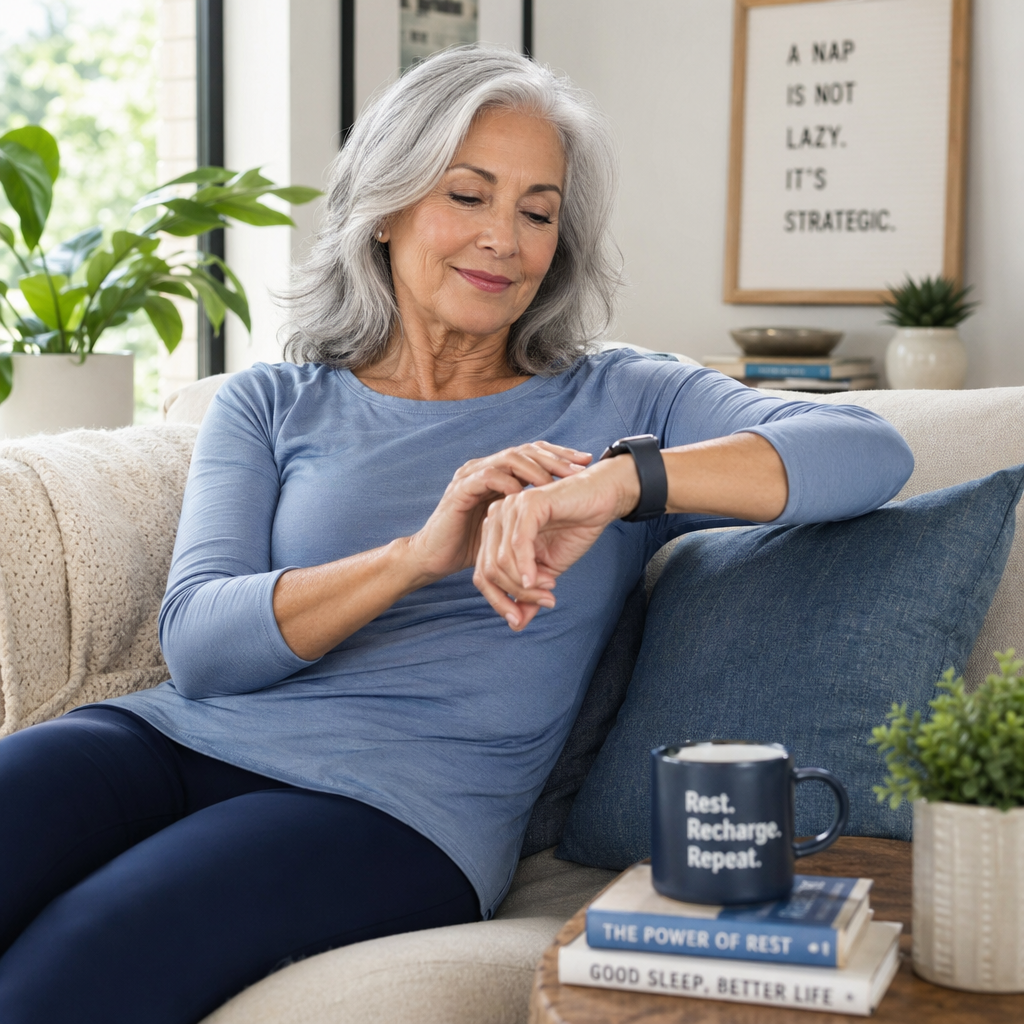
The duration of your nap makes all the difference. Too short and you won’t get the benefits. Too long and you’ll wake up groggy and potentially mess up your nighttime sleep.
The sweet spot for most people is 20 to 30 minutes. This length allows you to dip into light sleep without entering deep sleep stages. You’ll wake up refreshed rather than disoriented. Set an alarm on your phone and stick to it, even if you don’t think you fell asleep. Simply resting with your eyes closed still provides benefits.
Some people swear by the “coffee nap” technique. Drink a cup of coffee right before your 20-minute nap. Caffeine takes about 20 minutes to kick in, so you’ll wake up with a double boost. It sounds counterintuitive, but multiple studies back up this approach.
Avoid naps longer than 30 minutes unless you can commit to a full 90-minute sleep cycle. Anything in between leaves you in sleep inertia, that groggy, disoriented feeling that can last for hours. If you need more recovery, go for the full cycle, but keep this for occasional use only.
Timing Your Nap to Protect Your Night Sleep
When you nap matters just as much as how long. The best window for most people is between 1 PM and 3 PM. This aligns with your natural energy dip and is far enough from bedtime that it won’t interfere with nighttime sleep.
Napping after 4 PM is risky. You’ll reduce your sleep pressure, that natural drive to sleep that builds throughout the day. Even if you manage to fall asleep at your regular bedtime, your sleep quality may suffer.
Pay attention to your personal schedule. If you wake up at 5 AM for an early workout, your nap window might shift earlier. If you’re a natural night owl who goes to bed around 11 PM, you might be fine napping slightly later. Track your results for a week or two.
Napping for Workout Recovery
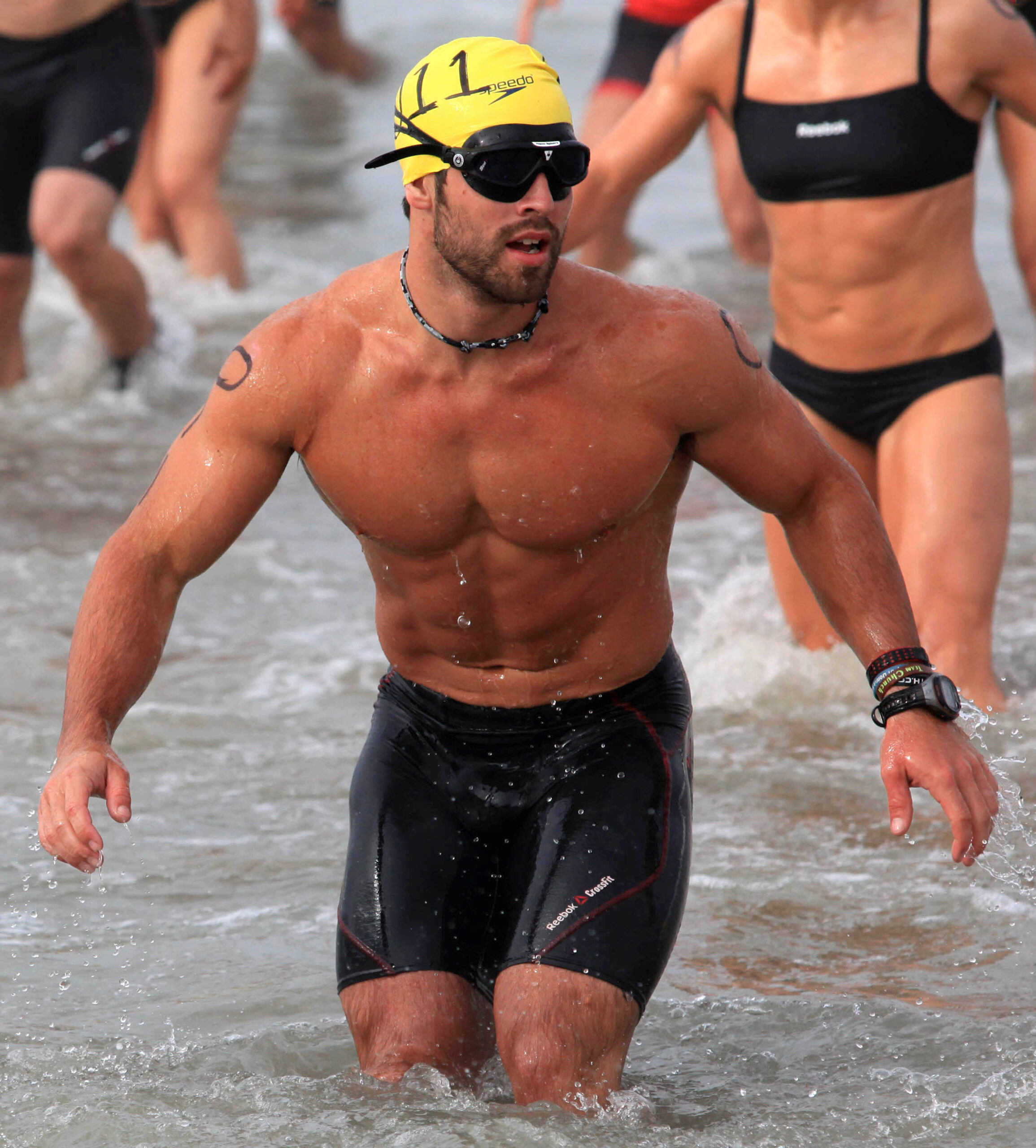
Strategic naps can significantly improve your recovery from exercise. During sleep, your body releases growth hormone, repairs muscle tissue, and restores energy systems. While you won’t get deep sleep during a short nap, you still trigger recovery processes.
Consider napping within two hours after morning strength training sessions. This timing helps your muscles begin the repair process and can reduce soreness. Many competitive athletes schedule post-workout naps as part of their training protocol.
If you do double workout days, perhaps a morning swim and an evening yoga class, a midday nap becomes even more valuable. You’re essentially splitting your day into two performance windows with a recovery period in between. For those just starting out, pairing rest periods with beginner-friendly workout routines can help you build sustainable fitness habits.
Don’t use naps as a substitute for adequate nighttime sleep. You need 7 to 8 hours of quality sleep at night for optimal recovery. Naps supplement your sleep, they don’t replace it.
When Napping Might Signal a Problem
While strategic napping supports an active lifestyle, excessive sleepiness deserves attention. If you’re taking naps longer than 30 minutes daily and still feeling exhausted, talk to your doctor.
Several health conditions common in older adults can cause excessive daytime sleepiness. Sleep apnea affects millions of seniors and disrupts nighttime rest without you realizing it. Thyroid problems, diabetes, depression, and certain medications can also drain your energy.
If you find yourself needing naps every day just to function, keep a sleep diary for two weeks. Note when you sleep, how long, and how you feel. Bring this information to your healthcare provider. They might recommend a sleep study or adjust medications that could be causing fatigue. Women going through hormonal changes may experience increased fatigue, making it important to balance rest with appropriate exercise during this transition.
Sudden changes in your nap needs also warrant attention. If you’ve never been a napper and suddenly can’t keep your eyes open in the afternoon, don’t dismiss it as normal aging. Your body is trying to tell you something.
Creating the Perfect Nap Environment
Where and how you nap affects the quality of your rest. You don’t need a full bedroom setup, but a few key elements help.
Find a comfortable spot where you can recline. A recliner works well, as does a couch with good support. You want to be comfortable enough to relax but not so horizontal that you enter deep sleep too quickly.
Dim the lights or use an eye mask. Darkness signals your brain to produce melatonin, even during brief rest periods. If you’re sensitive to noise, try earplugs or a white noise app. The myNoise app offers customizable soundscapes that many people find helpful.
Keep the room slightly cool. Your body temperature drops slightly during sleep, so a cooler environment (around 65 to 68 degrees) makes it easier to drift off.
Frequently Asked Questions
What if I can’t fall asleep during my nap time?
Don’t stress about actually falling asleep. Simply lying down with your eyes closed and resting provides benefits. Your blood pressure drops, your muscles relax, and your mind gets a break from stimulation. Many people who think they didn’t sleep during naps actually drifted into light sleep stages without realizing it. Give yourself permission to just rest.
Will napping make me less productive in the afternoon?
The opposite is true when you stick to 20 to 30 minutes. Studies consistently show improved performance after short naps. You’ll have better focus, faster reaction times, and more patience for detailed tasks. The key is setting that alarm. A 20-minute nap energizes you. A 60-minute accidental nap leaves you foggy. This improved afternoon alertness can even benefit activities like playing a round of golf, where focus and coordination matter.
Can napping help if I had a bad night’s sleep?
Absolutely. A strategic nap can help you recover from occasional poor sleep. Just be careful not to nap too long or too late in the day, as this can create a cycle of poor nighttime sleep. If you’re regularly having bad nights, focus on fixing your nighttime sleep rather than relying on naps to compensate. Address the root cause with your doctor.
Related Articles
- Embrace Active Aging: Spring Hill Senior Fitness
- Top 10 Beginner-Friendly Workouts for Seniors: Achieve Strength, Balance & Wellness
- 8 Essential Tips for Exercising During Menopause Women Shouldn’t Miss
- 11 Health Benefits of Golf: Tee Off to Better Health