If you’ve ever finished a brisk walk or a few flights of stairs and found yourself breathing harder than expected, you’ve probably wondered whether that’s normal aging or something to be concerned about. The truth is, some breathlessness during exercise is completely expected, even healthy. But there are specific signs that mean you should stop immediately and call your doctor. Knowing the difference could genuinely save your life.
This guide breaks down exactly what’s normal, what’s a warning sign, and what tools can help you exercise smarter and more safely as you age.
Normal Breathlessness vs. Something More Serious
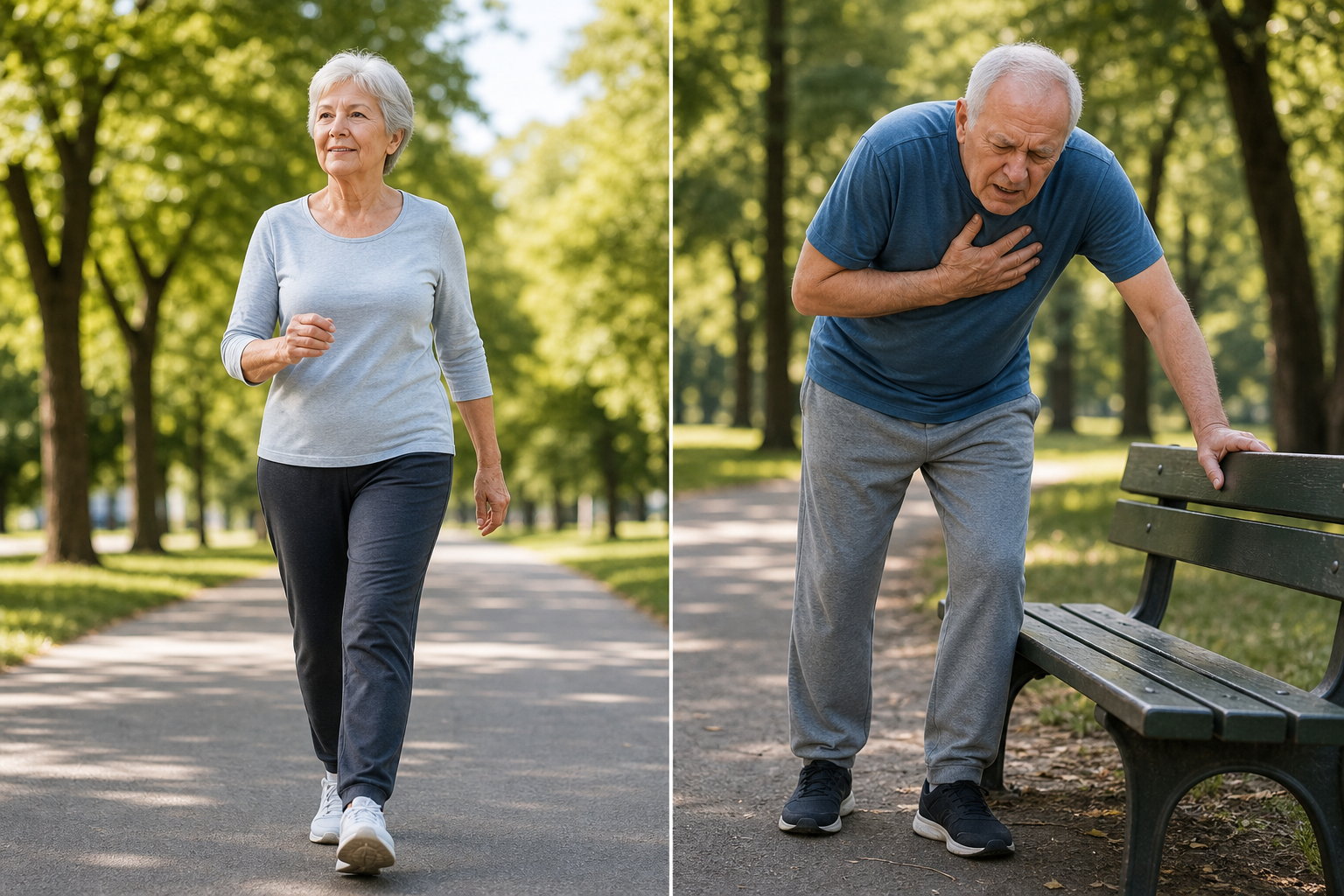
Your cardiovascular and respiratory systems change as you get older. Your heart pumps slightly less efficiently, your lung capacity decreases a bit, and your muscles need more oxygen to do the same work they did a decade ago. So yes, getting winded more easily in your 60s, 70s, and beyond is a normal part of aging.
Normal exercise breathlessness looks like this: you’re working hard, you’re breathing faster and deeper, but you can still speak in short sentences. When you slow down or stop, the feeling fades within a minute or two. That’s your body doing exactly what it’s supposed to do.
Concerning breathlessness is different. Watch for these specific warning signs:
- Chest pain, pressure, or tightness during or immediately after exercise
- Breathlessness that comes on suddenly and feels out of proportion to your effort
- Dizziness, lightheadedness, or feeling faint while exercising
- Breathlessness that doesn’t resolve within a few minutes of stopping
- Wheezing or a tight, high-pitched sound when you breathe
- Blue or grayish color in your lips or fingernails (cyanosis)
- Heart palpitations combined with shortness of breath
Any one of these symptoms means you stop exercising immediately, sit down, and seek medical care. If chest pain is involved, call 911. Don’t wait to see if it passes on its own.
Common Causes of Unusual Breathlessness in Seniors
Unexplained or worsening breathlessness during exercise usually has an identifiable cause. Some are manageable with lifestyle changes, others need medical treatment. Here are the most common ones your doctor will consider:
Heart-Related Causes
Heart disease, heart failure, and arrhythmias are among the most important causes to rule out. When your heart isn’t pumping efficiently, your muscles and lungs have to compensate, and breathlessness is often the first noticeable symptom. If you’re experiencing breathlessness that’s gotten worse over weeks or months, a cardiac evaluation is worth prioritizing.
If you take blood pressure medication, it’s also worth knowing that some medications can affect your exercise response. Our article on blood pressure medication and exercise precautions explains what to watch for and how to adjust your workouts accordingly.
Lung Conditions
COPD, asthma, and other pulmonary conditions directly limit how much air you can move in and out with each breath. Many seniors have mild COPD without knowing it. If you’ve been a smoker at any point in your life, mention this to your doctor when discussing exercise-related breathlessness. We have a detailed COPD exercise program for better breathing that’s worth reading if this is your situation.
Anemia and Deconditioning
Low iron or B12 can reduce your blood’s ability to carry oxygen, making even moderate exercise feel exhausting. Deconditioning, meaning you’ve been less active for a period of time, can also make normal efforts feel harder than they should. In these cases, the fix is gradual progressive training and sometimes dietary adjustments.
How to Monitor Your Oxygen Levels at Home
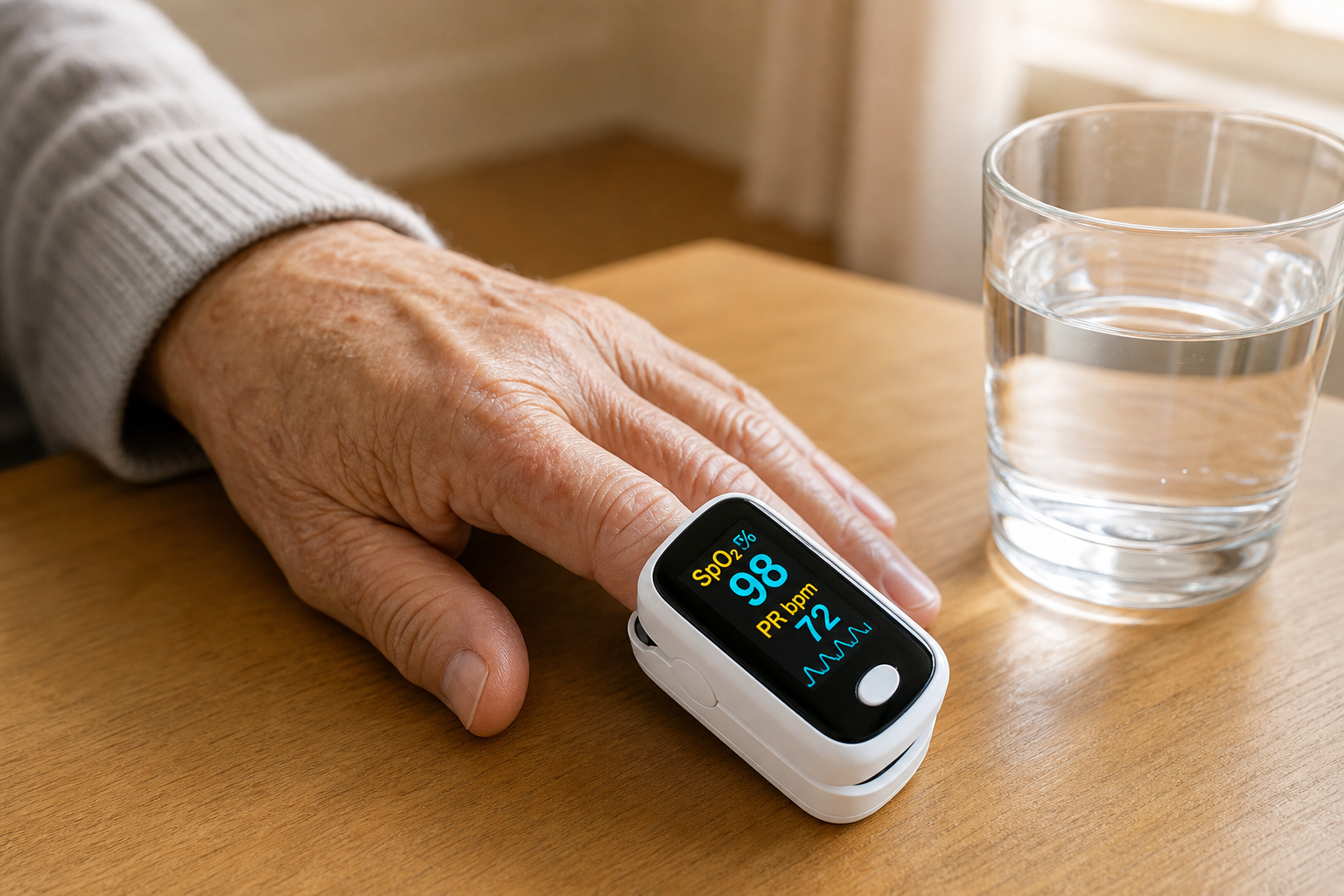
One of the most useful tools for seniors who exercise is a fingertip pulse oximeter. These small clip-on devices measure your blood oxygen saturation (SpO2) and heart rate in seconds. A healthy reading during rest is typically 95 to 100 percent. During moderate exercise, some drop is normal, but readings below 90 percent are a red flag worth discussing with your doctor.

Fingertip Pulse Oximeter
A fingertip pulse oximeter lets you check your blood oxygen saturation and heart rate before, during, and after exercise so you can spot problems early.
Using an oximeter is simple. Clip it to your index finger while sitting quietly before your workout to get a baseline reading. Check it again if you feel unusually breathless during activity. If your SpO2 drops below 90 percent or your heart rate spikes far beyond what’s typical for you, that’s a reason to stop and follow up with your doctor.
Pairing an oximeter with a quality heart rate monitor watch gives you even more data to work with. Knowing your normal heart rate range during exercise makes it much easier to notice when something is off.

Heart Rate Monitor Watch for Seniors
A wrist-based heart rate monitor helps you stay within a safe training zone and catch unusual spikes or drops during your workout.
The Talk Test and the Perceived Exertion Scale

You don’t always need gadgets to gauge your effort level. Two simple methods have been used by exercise professionals for decades, and they work well for seniors.
The talk test is exactly what it sounds like. During moderate exercise, you should be able to speak in short sentences but not sing comfortably. If you can’t squeeze out a few words without gasping, you’re working too hard. If you can chat easily without any effort, you might have room to push a little more.
The rate of perceived exertion (RPE) scale runs from 0 to 10. Most senior fitness experts recommend staying between a 4 and 6 for general aerobic exercise. A 4 feels like a brisk walk where you’re working but comfortable. A 6 feels challenging but sustainable. Anything at 8 or above is high intensity territory, which is fine for trained seniors in good health, but not the place to be if you’re already dealing with breathlessness issues.
When to Talk to Your Doctor Before Exercising
Some situations call for a medical clearance conversation before you increase your activity level. Schedule a visit before starting a new program if you’ve recently been diagnosed with a heart or lung condition, if you’ve had a heart attack or stroke, if you’ve been mostly sedentary for more than six months, or if breathlessness at rest or with minimal activity is already part of your daily experience.
If you’re managing a condition that affects your balance or coordination alongside exercise-related breathlessness, take a look at our guide on vertigo and balance exercises for seniors. Dizziness and breathlessness together deserve extra attention.
Good nutrition also plays a bigger role in how well you breathe during exercise than most people realize. Staying well-nourished supports oxygen-carrying red blood cells and the energy your respiratory muscles need. Our article on pre-workout nutrition for senior athletes covers practical strategies for fueling up before you exercise.
Frequently Asked Questions
Is it normal to get more winded as I get older, even doing the same exercise I’ve always done?
Yes, to a degree. Lung capacity and cardiovascular efficiency both decline with age, so the same workout that felt easy at 50 may feel harder at 70. That said, a sudden or significant increase in breathlessness with the same activity you’ve been doing for years is worth reporting to your doctor, because it may signal a new underlying issue rather than simple aging.
How do I know if my breathlessness is anxiety-related rather than a physical problem?
Anxiety-induced breathlessness often comes with a sense of panic, tingling in the hands or face, and tends to happen even at rest or without physical exertion. Exercise-related breathlessness from a cardiac or pulmonary cause is more consistently tied to the physical demands you’re placing on your body. If you’re unsure, your doctor can perform simple tests like an EKG, lung function test, and blood work to help figure it out.
Should I stop exercising entirely if I have shortness of breath?
Not necessarily. For most seniors, continuing to exercise with appropriate modifications is not only safe but beneficial for lung and heart health. The goal is to find your safe zone using tools like the talk test, RPE scale, and a pulse oximeter, and to stay within it. Work with your doctor or a certified fitness professional to set intensity guidelines that make sense for your specific health situation.
Breathlessness during exercise is one of those symptoms that deserves a calibrated response, not panic, but not dismissal either. Pay attention to what your body is telling you, know the warning signs, and don’t hesitate to stop and get checked out if something feels wrong. Your instincts are often right.
This article contains affiliate links. We may earn a small commission at no extra cost to you.