You’ve probably heard the advice a hundred times: older adults need more protein. But between the conflicting recommendations and aggressive marketing from supplement companies, it’s tough to know whether you actually need protein powder or if you’re just wasting money on expensive shakes.
Let’s cut through the noise and figure out when protein powder makes sense for seniors, which types actually work, and how to use them effectively.
Do Seniors Actually Need Protein Supplements?
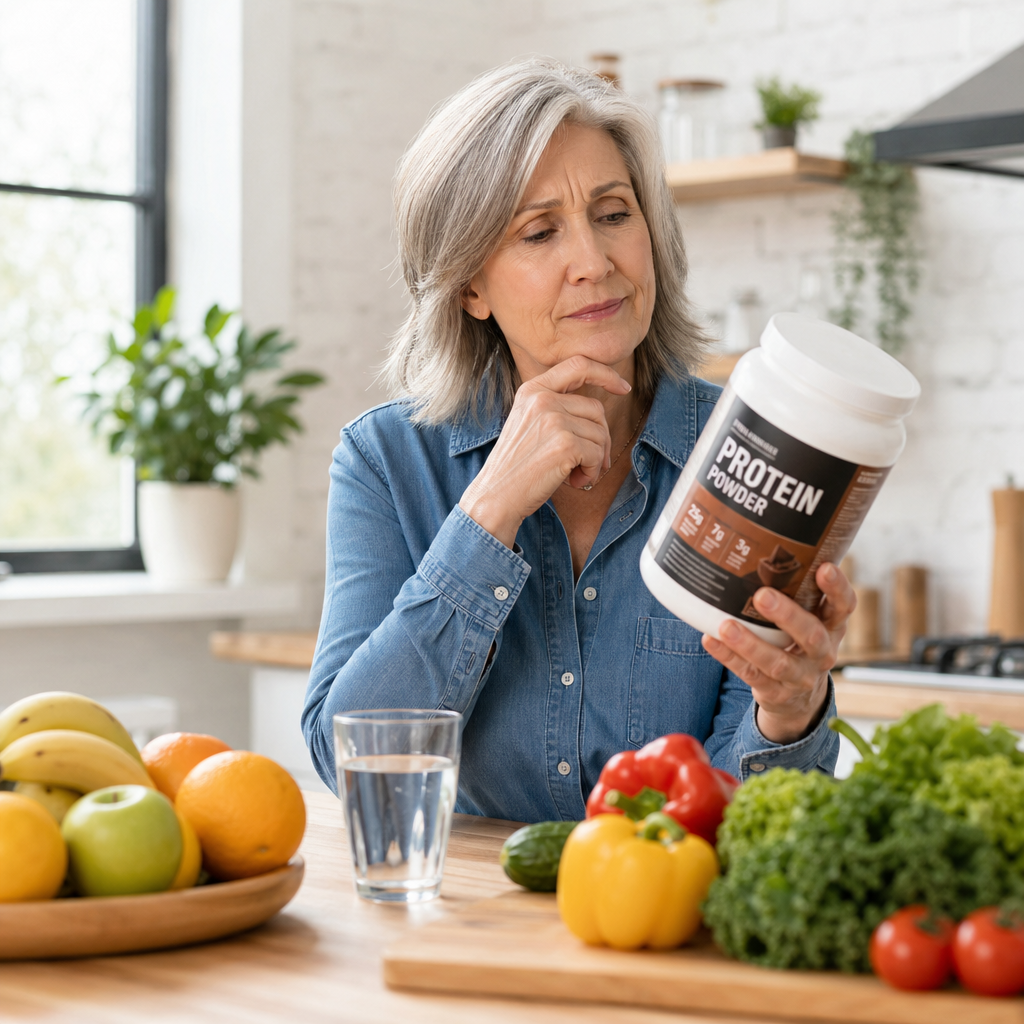
Most seniors can meet their protein needs through food alone. The standard recommendation is about 0.5 to 0.6 grams of protein per pound of body weight daily, which is higher than what younger adults need. For a 150-pound person, that’s roughly 75 to 90 grams per day.
Where supplements become useful is when you’re dealing with specific challenges. If you have a reduced appetite after illness or surgery, struggle with chewing or swallowing, or find it hard to prepare protein-rich meals regularly, powder can bridge that gap. The same goes if you’re actively trying to rebuild muscle mass through strength training.
Protein powder isn’t magic, but it’s convenient. A single scoop typically provides 20 to 25 grams of protein and takes 30 seconds to prepare. Compare that to cooking chicken breast or fish, and you’ll see why some seniors keep a tub in their pantry.
Types of Protein Powder That Work Best

Walk into any supplement store and you’ll face an overwhelming wall of options. Here’s what actually matters for older adults.
Whey Protein
Whey is the most researched option and absorbs quickly. It’s derived from dairy, so skip it if you’re lactose intolerant (though whey isolate contains less lactose than whey concentrate). Whey is particularly rich in leucine, an amino acid that triggers muscle protein synthesis.
For seniors focused on maintaining or building muscle, whey protein isolate is your best bet. It’s more processed than concentrate but easier on sensitive stomachs.

Optimum Nutrition Gold Standard Whey Protein
The most trusted brand with consistent quality and easy mixability for daily use
Plant-Based Options
Pea protein has emerged as a solid plant-based alternative. It’s easier to digest than whey for many people and still contains a good amino acid profile. Rice protein and hemp protein work too, though they’re typically lower in certain amino acids. Many brands now blend multiple plant sources to create a complete amino acid profile.
If you’re managing kidney issues or following a plant-based diet, pea protein powder deserves consideration.
Collagen Peptides
Collagen powders have exploded in popularity, but they’re not ideal as your primary protein source. They lack some essential amino acids needed for muscle building. However, they may support joint health and are incredibly easy to mix into coffee or tea since they’re flavorless and dissolve completely.
Whole Foods vs. Supplements: The Real Comparison
A 3-ounce serving of chicken breast contains about 26 grams of protein, similar to a scoop of powder. But chicken also provides B vitamins, selenium, and other nutrients that powder doesn’t offer. A cup of Greek yogurt gives you 15 to 20 grams of protein plus probiotics and calcium.
Whole foods win on nutrition density. They provide fiber, vitamins, minerals, and other compounds that work together in ways we don’t fully understand yet. You also get the satisfaction of eating real food, which matters for appetite regulation and mental health.
But protein powder wins on convenience and protein concentration. When you’re not hungry but know you need nutrition, a shake goes down easier than a chicken breast. When you need 90 grams of protein daily and can only manage two meals, powder fills the gap without requiring you to eat until you’re uncomfortable.
The smart approach is using both. Build your diet around protein-rich whole foods like eggs, fish, poultry, legumes, and dairy. Use powder strategically when whole foods aren’t practical.
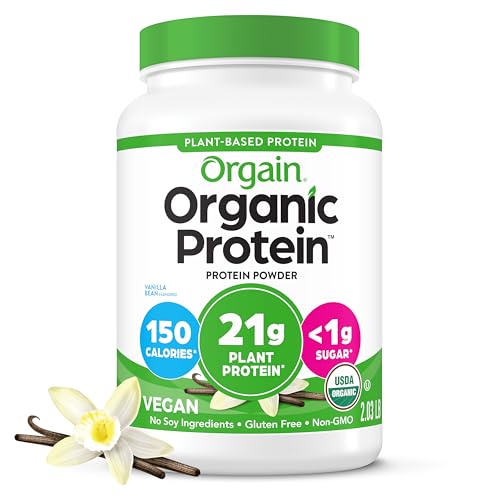
Orgain Organic Plant Based Protein Powder
Great tasting plant-based option that mixes well and includes organic ingredients for cleaner supplementation
How to Actually Use Protein Powder

Start with one scoop (usually 20 to 25 grams) and see how your body responds. Some people do fine with this amount, while others experience digestive discomfort and need to build up gradually from half a scoop.
Timing matters less than you’ve been told. The old advice about a 30-minute post-workout window has been debunked. Spread your protein throughout the day instead. Try adding powder to your morning smoothie, afternoon coffee, or having a shake with dinner if you’re falling short on protein.
Mix it with more than just water. Blend powder with milk (dairy or plant-based), add it to oatmeal, stir it into yogurt, or mix it into pancake batter. You can even add unflavored powder to soups or mashed potatoes. The goal is getting the protein in, not forcing down chalky shakes if you hate them.
Watch your serving sizes. More protein isn’t always better. Your body can only use so much at once, and excess protein just becomes expensive calories. Most seniors do well with 20 to 30 grams per serving, three to four times daily from all protein sources combined.
Frequently Asked Questions
Can protein powder cause kidney problems in seniors?
If you already have kidney disease, talk to your doctor before adding protein powder. For healthy seniors with normal kidney function, moderate protein supplementation is safe. The myth that protein damages healthy kidneys has been repeatedly disproven in research. However, staying well-hydrated is important when increasing protein intake from any source.
Which is better for seniors: whey or plant-based protein?
Whey protein is slightly more effective for muscle building due to its leucine content and faster absorption. But plant-based proteins work well too, especially blended varieties. Choose based on your digestion, dietary preferences, and any allergies. If whey bothers your stomach or you avoid dairy, quality plant-based protein powders will get the job done.
This article contains affiliate links. We may earn a small commission at no extra cost to you.