Getting older doesn’t mean giving up on fitness. In fact, staying active becomes more important as the years go by. But there’s something that makes exercise even better: doing it with others. Social fitness groups offer seniors the perfect combination of physical activity, friendship, and accountability that keeps you coming back day after day.
Finding the right fitness community can transform your exercise routine from a chore into the highlight of your week. Let me show you how to connect with groups in your area, explore online options if you’re in a rural setting, and even start your own community if nothing exists yet.
Why Social Exercise Beats Going Solo
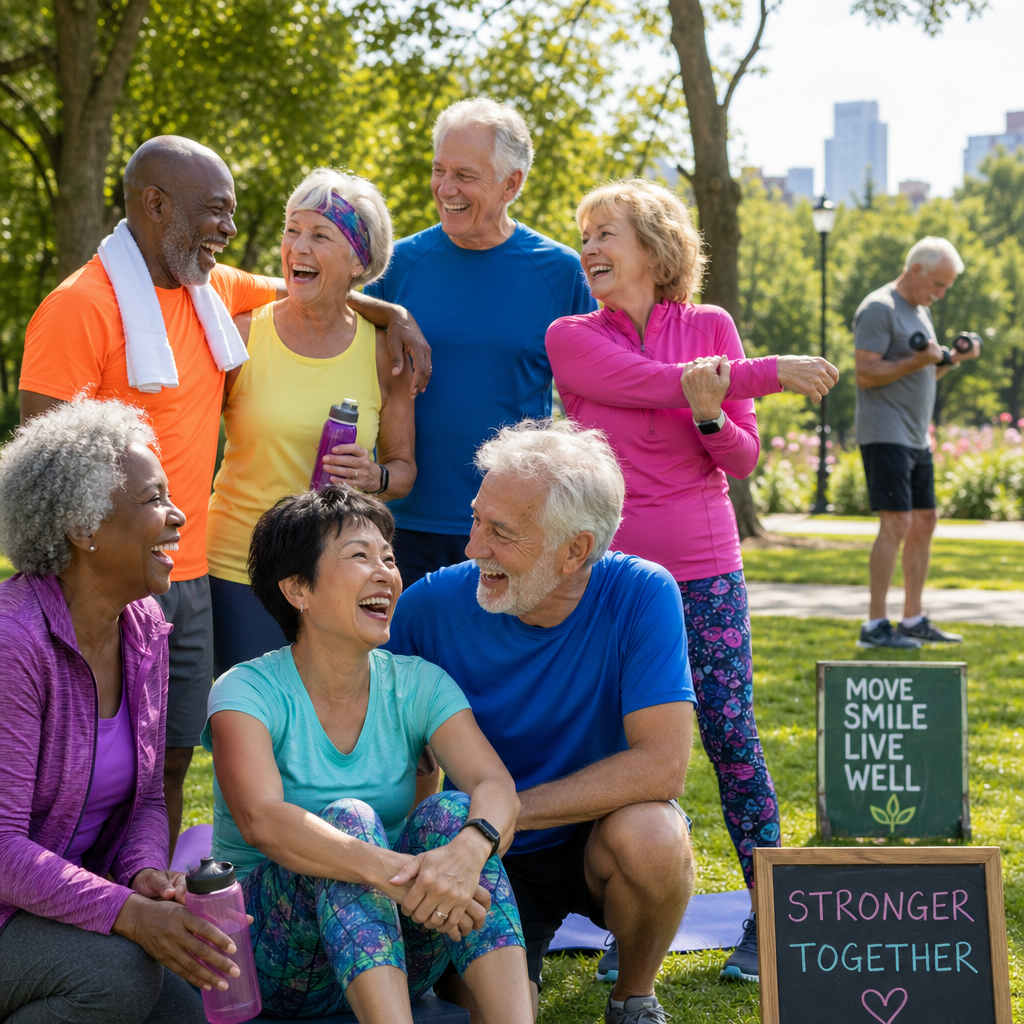
You probably already know that exercise is good for you. But exercising with others adds layers of benefits that go far beyond physical health.
Regular group exercise reduces feelings of loneliness and isolation, which are serious health risks for seniors. Studies show that social connections can be as important as diet and exercise when it comes to longevity. When you commit to meeting friends at a specific time for class or a walk, you’re much more likely to show up than if you’re just trying to motivate yourself at home.
Group fitness also introduces a healthy dose of friendly competition. Seeing others push themselves encourages you to work a bit harder. You’ll find yourself walking an extra lap or completing one more rep simply because you don’t want to be the first to quit.
Mental health benefits are equally significant. Group exercise reduces symptoms of depression and anxiety while boosting cognitive function. The combination of physical activity and social interaction creates a powerful effect on brain health that neither element provides on its own. However, it’s important to recognize when you might be experiencing signs of overtraining versus a medical concern that needs attention.
Finding Local Fitness Groups and Classes
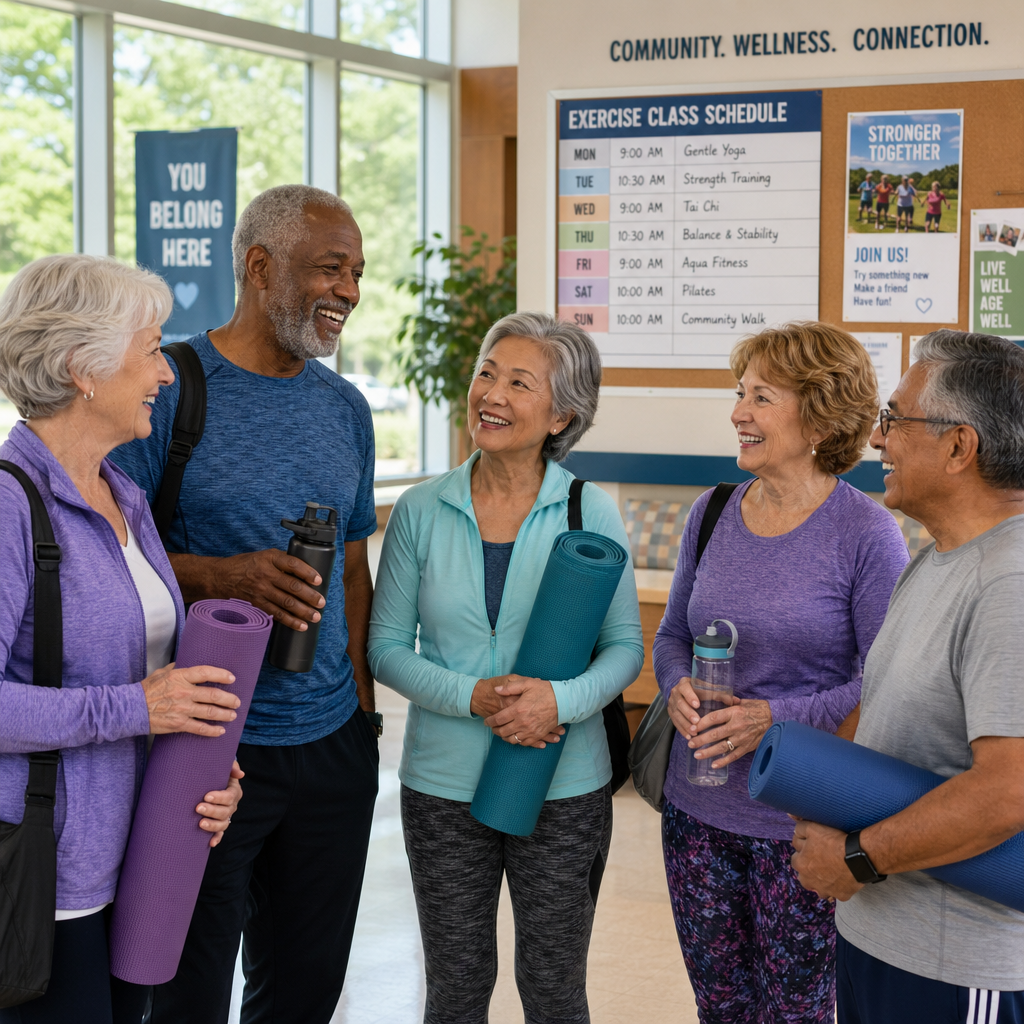
Start your search at your local senior center or community center. These facilities typically offer classes designed specifically for older adults, from chair yoga to water aerobics. Most programs are affordable or even free for residents.
Local YMCAs and JCCs are goldmines for senior fitness programs. They offer everything from SilverSneakers classes to lap swimming groups. Many Medicare Advantage plans include free YMCA memberships, so check your benefits before paying out of pocket.
Parks and recreation departments often organize walking groups and outdoor fitness classes during warmer months. These groups meet at local parks and nature trails, giving you fresh air along with your workout. Check your city or county website for schedules and meeting locations.
Don’t overlook local gyms and fitness studios. Many now offer senior-specific classes during morning hours. Planet Fitness, Anytime Fitness, and Curves all have programs tailored to older adults. Visit a few locations and ask about trial classes before committing.
Libraries and faith-based organizations sometimes host fitness activities too. Your local library might offer tai chi or gentle stretching classes, while churches and temples often run walking groups or health ministry programs. If you have specific health conditions, look for specialized programs like exercise classes designed for Parkinson’s disease that may be available through local medical centers or support groups.
Walking Clubs and Outdoor Exercise Groups

Walking clubs are perfect for seniors who prefer low-impact exercise in a casual setting. The American Volkssport Association maintains a directory of non-competitive walking clubs nationwide. These groups organize regular walks at various difficulty levels.
Mall walking groups are particularly popular during winter months or in hot climates. Most large shopping malls open their doors early for walkers, and many have established groups that meet several times per week. Stop by your local mall’s customer service desk to ask about their walking club.
Hiking clubs for seniors exist in most areas with trail systems. The Sierra Club and local Meetup groups organize hikes rated by difficulty level. Start with easy terrain and work your way up as your fitness improves.
Bird watching groups combine gentle walking with a mentally engaging hobby. The Audubon Society chapters across the country lead bird walks that move at a relaxed pace perfect for seniors. You’ll get exercise without feeling like you’re exercising. Many gardening clubs also offer active outdoor experiences, though if you enjoy gardening, you’ll want to learn proper techniques to protect your back during this activity.
Online Communities for Rural Seniors
Living in a rural area doesn’t mean you have to exercise alone. Online fitness communities bring the social element right into your living room.
SilverSneakers On-Demand offers live and recorded classes you can do from home. The platform includes a community forum where members encourage each other and share progress. You’ll need a SilverSneakers membership, which many Medicare plans include at no extra cost.
YouTube channels like Grow Young Fitness and Fitness Blender offer free senior-focused workouts. Join the comments section to connect with others following the same programs. Many regular viewers form accountability partnerships through the platform.
Facebook groups dedicated to senior fitness are thriving communities. Search for “seniors fitness” or “active aging” to find groups with thousands of members sharing workouts, progress photos, and encouragement. Some groups organize virtual challenges where members compete in step counts or workout minutes.
Zoom-based fitness classes exploded during the pandemic and many continue today. Check with fitness instructors in larger cities who might offer virtual versions of their in-person classes. You get live instruction and interaction with classmates without leaving home.
Starting Your Own Fitness Group
Can’t find a group that fits your schedule or interests? Create one yourself. It’s easier than you might think.
Start small by inviting a few neighbors or friends to walk together twice a week. Pick a consistent time and place, then stick to it. Consistency helps the group become a habit rather than an occasional event.
Use free tools like Nextdoor or Facebook Events to spread the word locally. Post details about when and where you’ll meet, what fitness level the activity suits, and how to join. You might be surprised how many people in your area are looking for exactly what you’re starting.
Consider partnering with a local business or organization for legitimacy and resources. Your library, community center, or place of worship might provide meeting space and help with promotion. They benefit from offering a valuable community service, and you benefit from their established network.
Keep the barrier to entry low. Free activities in public spaces attract more participants than those requiring memberships or fees. Once your group is established, you can explore options like hiring an instructor for special sessions.
Rotate leadership responsibilities so the group doesn’t depend entirely on you. Different members can take turns choosing the walking route, leading warm-up stretches, or bringing healthy snacks to share afterward. Shared ownership keeps everyone invested in the group’s success.
Making the Most of Your Fitness Community
Once you’ve found or created your group, maximize the experience by being an active participant. Show up consistently, even on days when motivation is low. Your presence matters to the group dynamic, and others are counting on you.
Get to know your fellow members beyond just exercise time. Exchange phone numbers and check in during the week. These relationships often extend beyond fitness into genuine friendships that enrich your life in multiple ways.
Set group goals to maintain momentum. Maybe you’ll all train for a local 5K walk, or commit to attending a certain number of classes per month. Shared objectives create excitement and give everyone something to work toward together.
Celebrate milestones and personal achievements within the group. Acknowledge when someone reaches a fitness goal, recovers from an injury, or simply shows up consistently. Recognition reinforces positive behavior and strengthens group bonds. Incorporating regular mobility work into your group sessions can help everyone maintain flexibility and prevent injuries as you progress together.
Frequently Asked Questions
What if I’m not fit enough to keep up with a group?
Most senior fitness groups accommodate various fitness levels. Start with beginner-focused classes or walking groups that explicitly welcome all paces. Talk to the instructor or organizer beforehand about your concerns. You can always modify exercises or take breaks as needed. Remember that everyone started somewhere, and group members are typically supportive rather than judgmental.
How do I know if a fitness group is safe for my health conditions?
Always consult your doctor before starting any new exercise program, especially if you have chronic health conditions. Bring a list of activities you’re considering and ask for specific guidance. Look for groups led by certified fitness instructors trained in senior fitness or adaptive exercise. Good instructors will ask about health concerns and offer modifications. Avoid any group that pushes you beyond your comfort level or dismisses your physical limitations.
What should I bring to my first group fitness class or walk?
Wear comfortable, supportive shoes and clothing that allows easy movement. Bring a water bottle and a small towel. For walking groups, consider a hat and sunscreen for outdoor sessions. Some people like bringing a fitness tracker to monitor their progress. Arrive a few minutes early to introduce yourself to the instructor and other participants. Most importantly, bring a positive attitude and openness to meeting new people.
Related Articles
- Essential mobility exercises to maintain flexibility and independence
- Understanding chronic fatigue: When to worry about overtraining
- Protecting your back while gardening after 60
- Exercise protocols for managing Parkinson’s disease