Falls are the leading cause of injury-related death among adults over 65, and poor balance is the single biggest risk factor. The encouraging part is that balance is a trainable skill, and you don’t need a gym membership or a physical therapist on retainer to work on it. A simple balance board or foam pad used consistently at home can make a measurable difference in your stability, reaction time, and confidence on your feet.
This guide walks you through the most common balance training tools available, compares them by difficulty level, and helps you figure out where to start. Whether you’re just beginning or ready to level up, the key principle is the same: always start easy, always train near something solid you can grab.
Why Balance Training Actually Works for Seniors
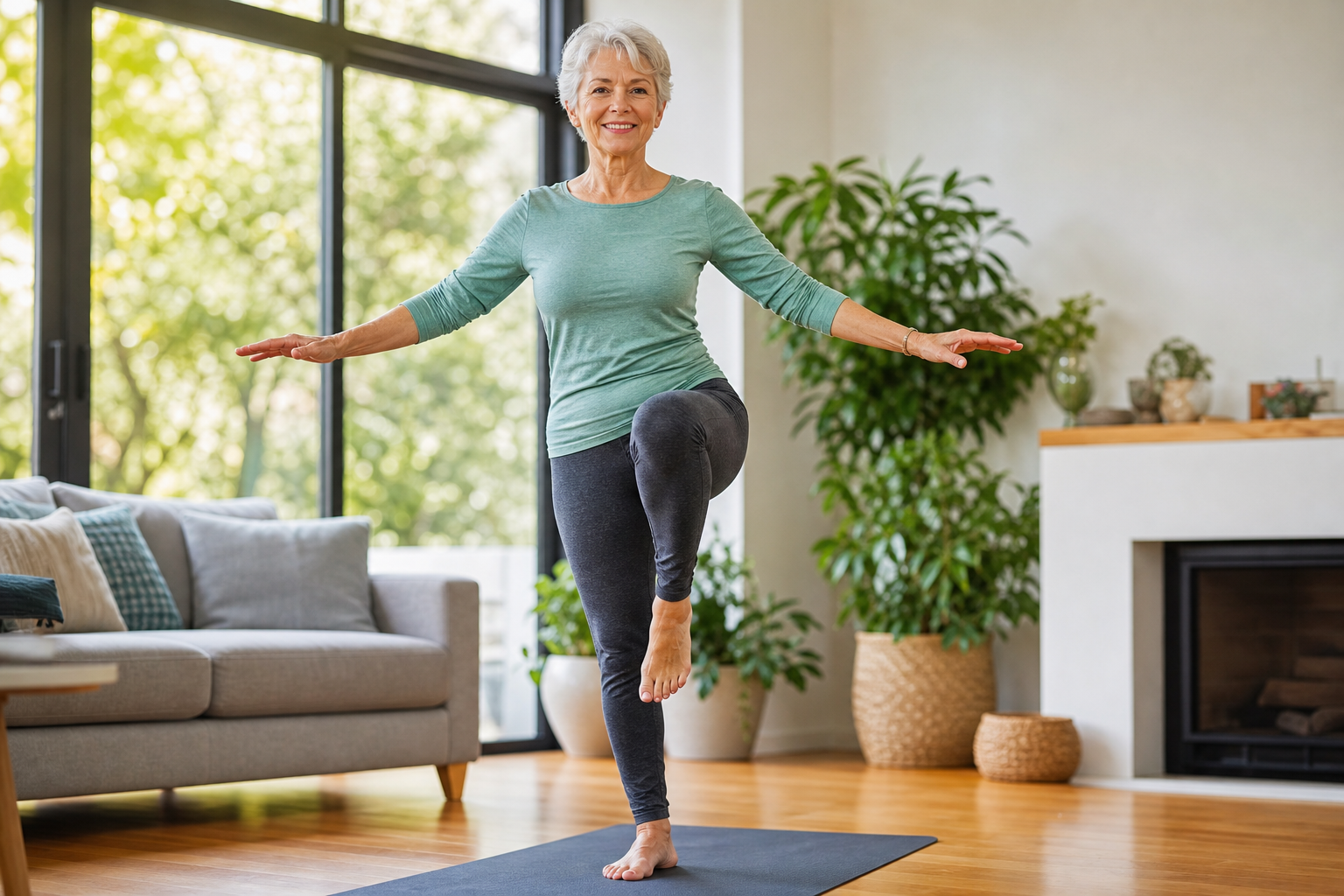
Balance isn’t just about inner ear function. It’s a combination of strength, proprioception (your body’s sense of where it is in space), and reaction speed. All three decline with age, but all three respond to training.
Research consistently shows that balance training can reduce fall risk by 20 to 35 percent in older adults. Even light, twice-weekly sessions on an unstable surface can improve the neuromuscular connections that let you catch yourself before a stumble becomes a fall.
If you’re dealing with a condition that affects your balance specifically, it’s worth reading our guide on vertigo and balance exercises for seniors before starting with equipment. And if neuropathy is part of your picture, check out our neuropathy-safe exercises for seniors for modifications that will apply here too.
The Three Main Types of Balance Equipment (Easiest to Hardest)
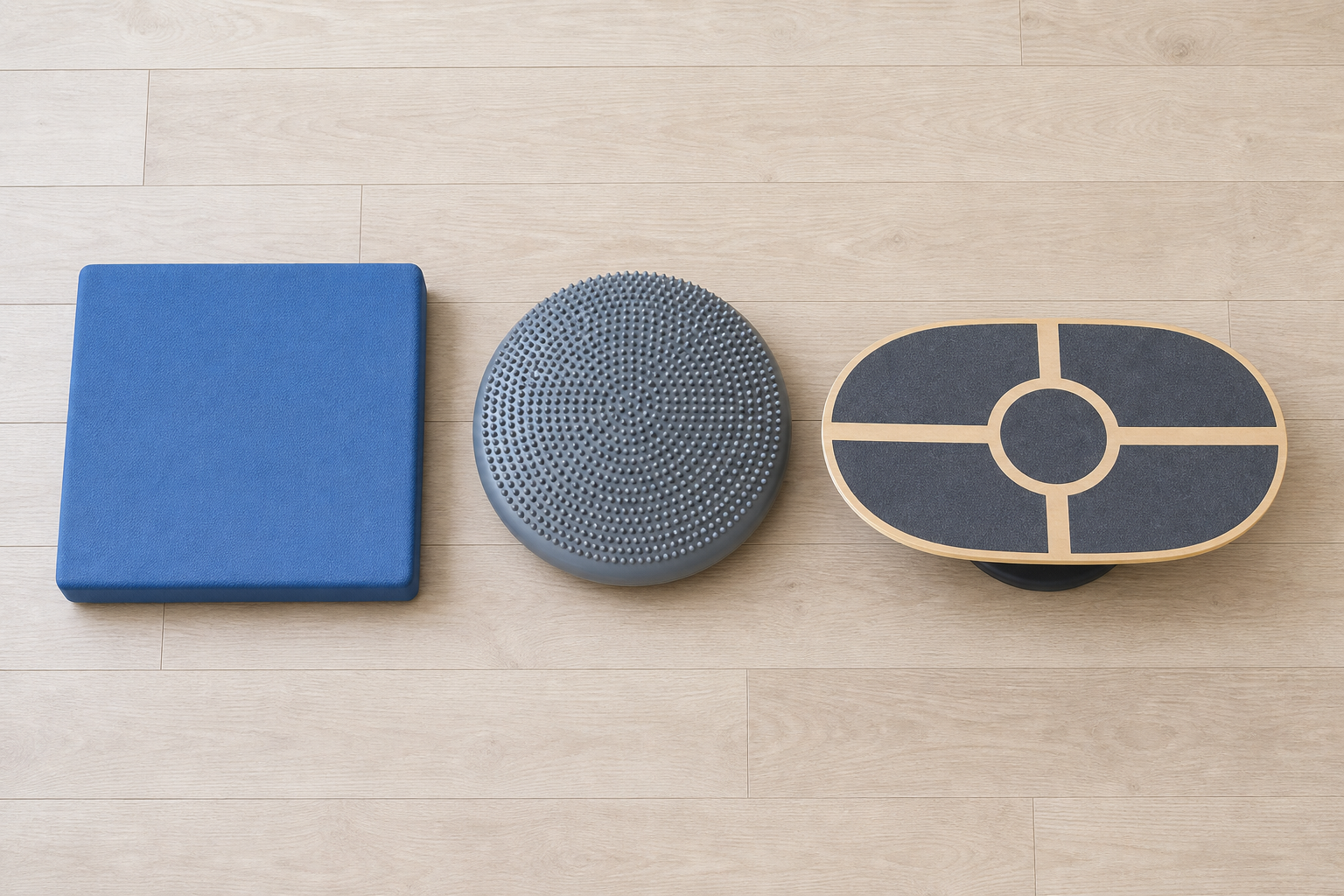
Not all balance tools are created equal. Here’s how they stack up in terms of difficulty and who each one suits best.
Level 1: Foam Balance Pads
Foam pads are the gentlest starting point and the right choice for most seniors beginning balance work. They create a mildly unstable surface underfoot without any dramatic tipping or rolling. You simply stand on them, and your stabilizing muscles have to work harder than they would on solid ground.
Look for a medium-density foam pad that’s at least 2.5 to 3 inches thick. Thinner pads don’t create enough challenge, while very soft foam can feel unpredictable and hard to control. A good foam pad should compress slowly under your weight, not collapse instantly.
Foam balance pads for seniors are widely available and budget-friendly. Start by standing on the pad with both feet while holding a countertop or the back of a sturdy chair. Work up to 30 to 60 seconds before attempting anything more challenging.
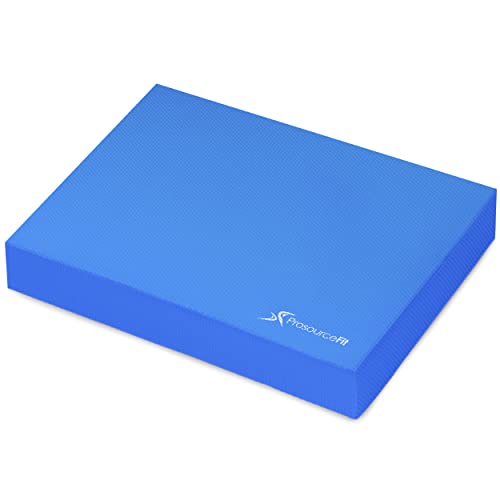
Foam Balance Pad for Seniors
The best starting point for senior balance training: medium-density, non-slip surface that challenges stability without the risk of sudden tipping.
Level 2: Wobble Cushions
Wobble cushions (also called balance discs or air cushions) are inflatable, dome-shaped discs that sit on the floor. They’re slightly more challenging than foam pads because the air-filled surface responds dynamically to your movement, shifting as you shift.
The difficulty is adjustable: more air means more instability, less air means a gentler challenge. This makes wobble cushions genuinely versatile. You can also use them seated in a chair for core and postural work, which makes them useful even before you’re ready to stand on them.
Wobble cushions are mid-range in both difficulty and investment. Deflate them slightly when you first start out, then gradually add more air over weeks as your confidence builds. Again, have a wall or sturdy chair within reach when standing on one.
Good balance work doesn’t just prevent falls. It can reduce the kind of compensatory movement patterns that contribute to joint wear over time. If hip or knee issues are part of your health picture, our post-knee replacement exercises for seniors and post-hip replacement exercise guide both include balance work you can combine with these tools.

Balance Wobble Cushion Disc
Adjustable inflation lets you control difficulty, and the seated-use option makes this a great tool even before you’re ready to stand on it.
Level 3: Rocker Boards and Wobble Boards
Rocker boards have a flat platform that sits on a curved base, creating a single-axis tilt (forward and back, or side to side). Wobble boards add a full range of motion so the platform can tilt in any direction. Both are more demanding than foam pads or wobble cushions.
These are best suited to seniors who have already built a foundation with easier tools and want to continue progressing. Don’t jump straight to a wobble board if you’re new to balance training. The instability is real, and a fall from one is a genuine injury risk.
Rocker boards are a better starting point than full wobble boards because the single-axis motion is more predictable. When you do graduate to one, choose a model with a low tilt angle (around 15 degrees) and a non-slip surface. Position yourself between two solid surfaces you can touch if needed, not just a single chair.

Rocker Balance Board for Seniors
Low tilt angle and wide platform make this the safest entry point into board-based balance training for older adults.
How to Start Safely (This Part Matters More Than What You Buy)
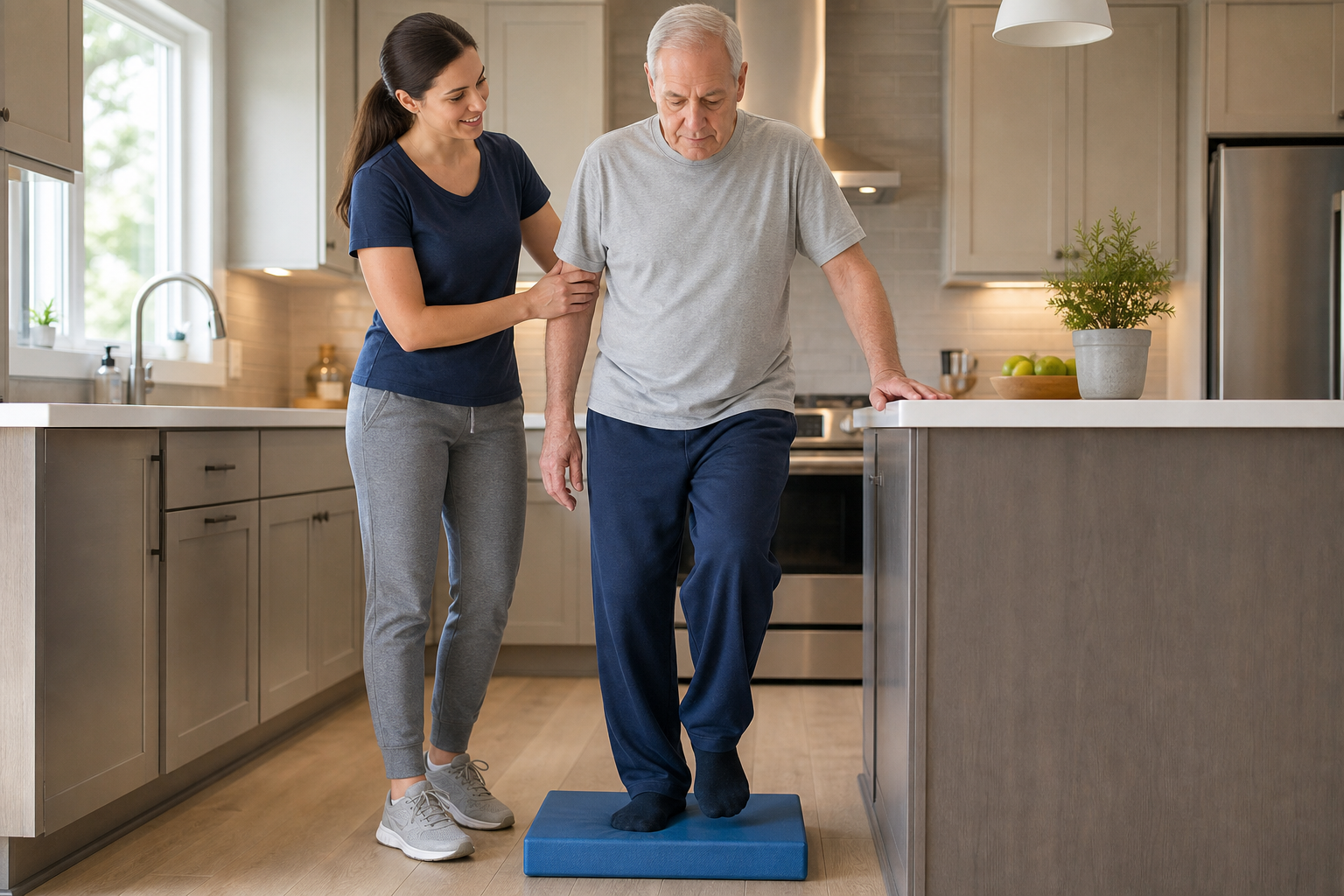
The equipment itself is secondary to how you use it. These ground rules apply regardless of which tool you choose.
- Always train near a support surface. A kitchen counter, a solid dining chair, or a wall. Not a door frame that can swing, not a towel bar. Something fixed and sturdy.
- Start with both feet, graduate to single-leg slowly. Single-leg standing is considerably harder. Don’t rush it.
- Keep sessions short at first. Three to five minutes of focused balance work is plenty when you’re new. Quality matters more than duration.
- Train in good shoes or barefoot. Thick-soled sneakers actually reduce proprioceptive feedback. Non-slip socks or barefoot on a mat is often better for home sessions.
- Never train when fatigued. Balance training when you’re tired isn’t productive. It’s a fall risk. Do it earlier in your day when you’re fresh.
If you’re taking medications that affect blood pressure or dizziness, talk to your doctor before starting. Our article on blood pressure medication and exercise precautions covers some of the relevant considerations.
Supporting Your Balance Training With the Right Habits
Balance equipment works best when the rest of your health picture supports it. Bone density, muscle strength, and even vitamin D levels all affect your risk of falling and your ability to train effectively. A vitamin D deficiency, which is extremely common in older adults, can directly impair muscle function and coordination.
Strength training is also deeply connected to fall prevention. Strong ankles, hips, and core muscles are what actually catch you when you lose balance. If you haven’t started a resistance training routine yet, our 12-week progressive resistance training program pairs well with the balance work described here.
After your balance sessions, even short ones, your muscles have been working hard in subtle ways. Eating a small amount of protein afterward helps with recovery, and our guide on post-workout recovery meals for seniors has easy, practical ideas that don’t require cooking a full meal.
Frequently Asked Questions
How long does it take to see improvement in balance with these tools?
Most people notice a subjective improvement in confidence and steadiness within three to four weeks of consistent practice. Measurable improvements in balance tests typically show up after six to eight weeks of two to three sessions per week. Consistency matters far more than session length.
Can I use a balance board if I have osteoporosis?
It depends on your bone density and fall history. Foam pads are generally considered lower risk because falls from them are less likely and less severe. Wobble boards and rocker boards carry a greater fall risk and may not be appropriate for people with significant osteoporosis. Talk with your doctor or physical therapist before using board-type equipment, and read our osteoporosis exercise plan for fall-safe training strategies.
Is there one balance tool that’s best for most seniors just starting out?
Yes. A medium-density foam balance pad is the best starting point for most older adults. It’s the most forgiving option, the easiest to use safely without assistance, and it creates enough instability to produce real training benefits. Once you can stand comfortably on a foam pad for 60 seconds with eyes closed and no support, you’re ready to consider a wobble cushion.
You can browse a full range of balance boards and pads for seniors on Amazon to compare current options and read user reviews before deciding.
This article contains affiliate links. We may earn a small commission at no extra cost to you.