If someone told you that squeezing a device for a few seconds could predict your risk of heart disease, disability, and even early death, you’d probably want to pay attention. Grip strength sounds like a narrow, gym-specific metric, but decades of research have shown it’s one of the most reliable indicators of how well your whole body is aging. It’s not that your hands are uniquely important. It’s that grip strength reflects the overall health of your muscles, nervous system, and cardiovascular fitness all at once.
The encouraging part is that grip strength responds well to training, even in your 70s and 80s. You don’t need a gym membership or special equipment to start improving it. This article walks you through what the research actually says, how to test your grip at home, and the exercises that make the biggest difference.
Why Grip Strength Is Such a Reliable Health Marker
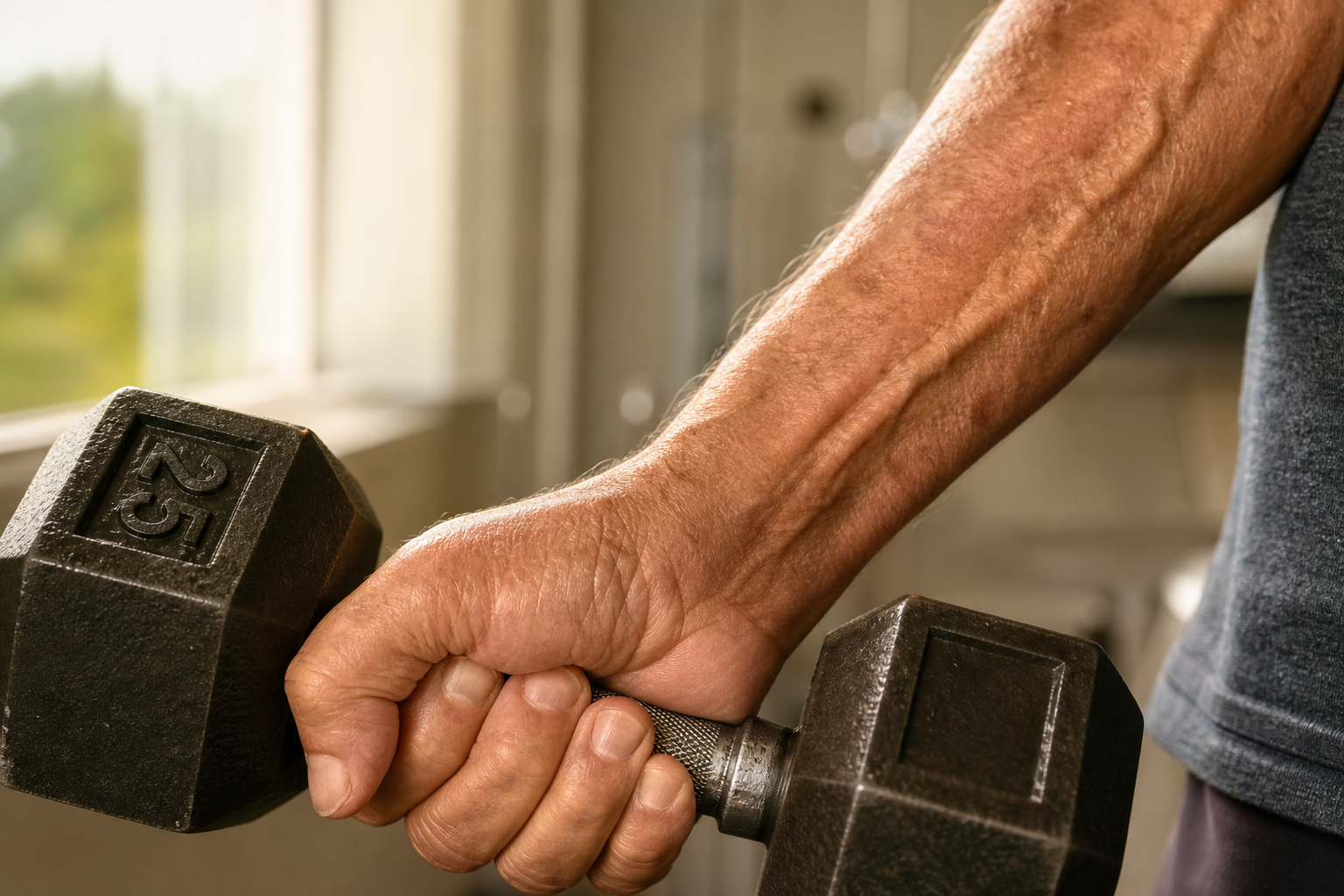
A landmark study published in The Lancet followed over 140,000 adults across 17 countries and found that grip strength was a stronger predictor of cardiovascular mortality than blood pressure. That’s a striking finding, and it held up across age groups and income levels.
The reason grip strength works as a proxy for overall health comes down to how muscles age. Sarcopenia, the gradual loss of muscle mass that begins in your 40s, affects the whole body at roughly the same rate. Your forearm flexors aren’t special, but they’re easy to measure objectively. When grip strength declines, it signals that the same process is happening in your legs, core, and heart muscle too.
Low grip strength in older adults is associated with slower walking speed, increased fall risk, longer hospital stays after surgery, and higher rates of cognitive decline. For context, progressive resistance training has been shown to counteract muscle loss broadly, and grip training is a natural part of that bigger picture.
How to Test Your Grip Strength at Home
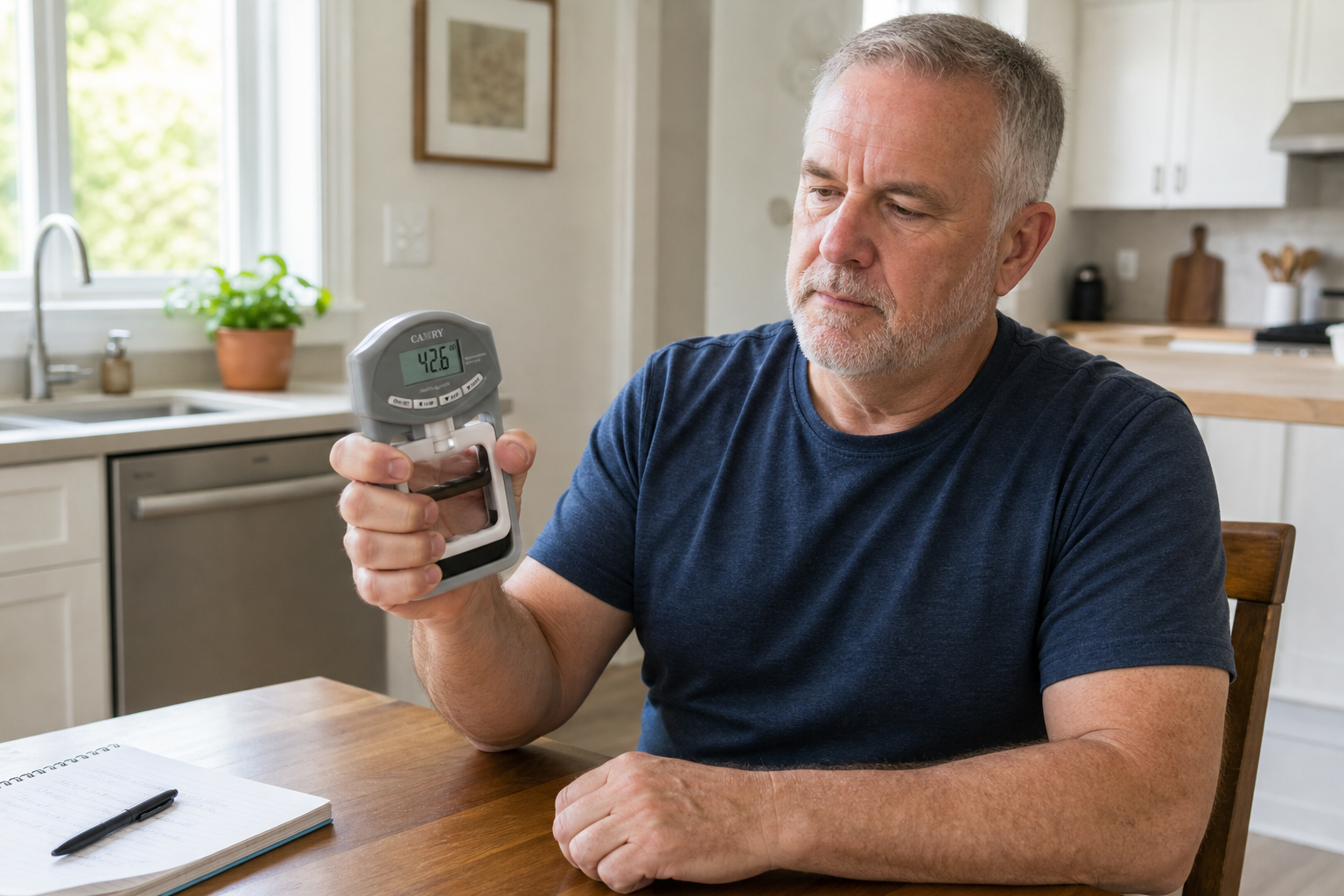
The gold standard in clinical settings is a handheld dynamometer, a device that gives you a precise force reading in kilograms or pounds. You squeeze it three times with each hand and average the results. General reference points from the American Society of Hand Therapists suggest that men over 65 typically fall in the 65 to 85 pound range and women in the 35 to 55 pound range, though these vary based on body size and activity level.
You can buy a quality hand dynamometer for home use without spending a lot. The Camry EH101 and the Jamar Hydraulic Dynamometer are both well-regarded options that clinicians actually use.
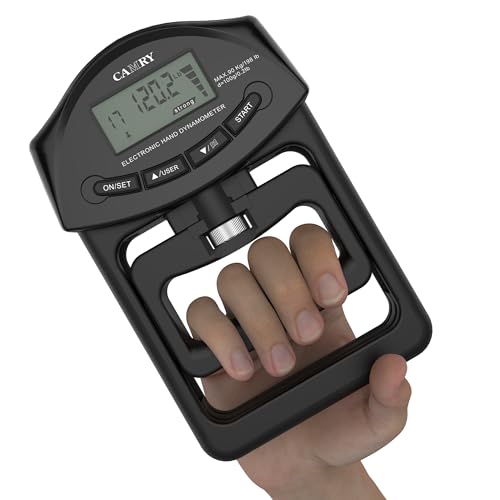
Camry Digital Hand Dynamometer
A reliable, clinician-style grip tester that gives consistent readings and tracks your progress over time.
If you don’t want to invest in a dynamometer right away, a simpler home test involves squeezing a tennis ball as hard as you can for five seconds. It won’t give you a number, but it helps you notice asymmetry between hands or changes over time if you check in regularly. Significant weakness on one side compared to the other is worth mentioning to your doctor.
Test yourself every four to six weeks, always at the same time of day and before exercise rather than after. This keeps your comparisons consistent.
Simple Exercises That Actually Build Grip Strength
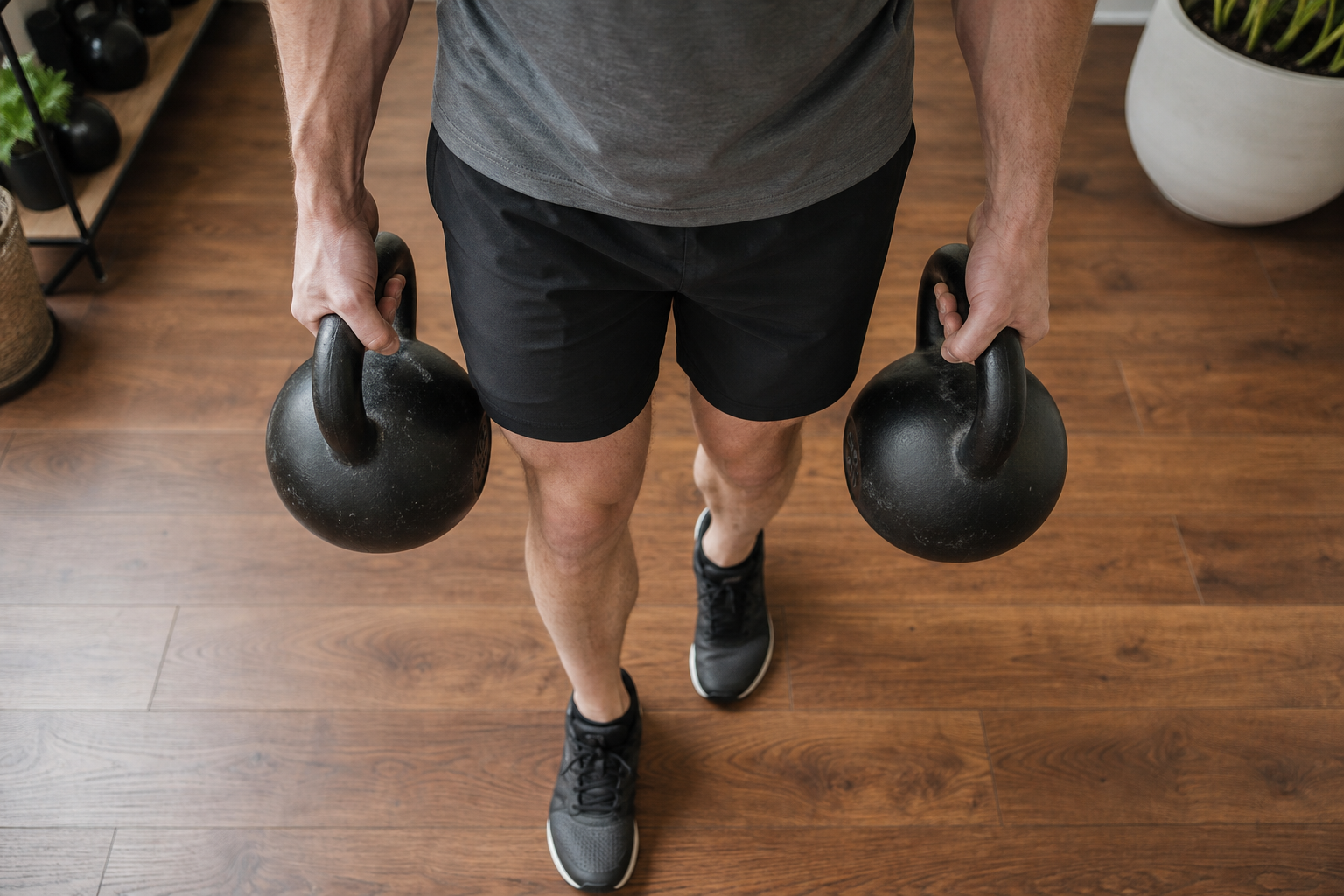
You don’t need to spend an hour on hand exercises. Five to ten minutes added to your existing routine, three or four times a week, is enough to see meaningful improvement over a couple of months.
Squeeze-and-Hold with a Grip Trainer
An adjustable hand grip strengthener is the most direct tool for this. You set the resistance to a level where you can do 10 to 15 reps before fatigue sets in, then work up over weeks. The Gripmaster Pro and similar adjustable trainers let you progress without buying new equipment every few months.

Adjustable Hand Grip Strengthener
Lets you dial in resistance as you improve, making it ideal for consistent, progressive training at home.
Farmer’s Carries
This is one of the most functional grip exercises you can do. Pick up a pair of dumbbells or even filled grocery bags, hold them at your sides, and walk 30 to 50 feet. Your grip, wrists, shoulders, and core all work together. For a budget-friendly home gym setup, a pair of adjustable dumbbells handles this exercise along with dozens of others.
Towel Wring-Outs
Soak a small towel, then wring it out completely using both hands. Reverse your grip and do it again. It sounds simple, but the twisting resistance engages the deep forearm muscles that squeeze-based exercises miss.
Dead Hangs
If you have a pull-up bar or even a sturdy door frame bar, hanging from it for 15 to 30 seconds builds grip endurance fast. Start with supported dead hangs if you need to, keeping your feet lightly on a chair. This also does wonders for shoulder health and spinal decompression.
Putty or Clay Work
Therapy putty is often used in hand rehabilitation for conditions like arthritis and after injuries. It’s gentler than a grip trainer and works well on the intrinsic muscles of the hand. If you’re dealing with arthritis, check out the best arthritis-friendly exercises for modifications that protect your joints while still building strength.

Hand Therapy Exercise Putty
Comes in multiple resistance levels and is gentle enough for arthritic hands while still providing meaningful strengthening work.
Supporting Your Progress With Nutrition
Grip training builds the stimulus for muscle growth, but your nutrition determines how well your body responds. Protein intake is particularly important for older adults because muscle protein synthesis becomes less efficient with age. Getting 25 to 30 grams of protein within a few hours of training makes a real difference in how your muscles recover and rebuild.
A good overview of what to eat around your workouts is covered in our article on post-workout recovery meals for seniors. Vitamin D deficiency is also linked to muscle weakness, so if you haven’t had your levels checked recently, it’s worth doing. Read more about that connection in our piece on vitamin D for senior bone and muscle health.
Frequently Asked Questions
At what age does grip strength start to decline noticeably?
Most research shows a gradual decline beginning in the late 40s to early 50s, with steeper drops after 65. However, active older adults consistently outperform sedentary ones of the same age by a wide margin. The decline is real, but it’s not fixed. Regular strength training can significantly slow or even reverse it.
How often should I train my grip to see results?
Three to four sessions per week is the sweet spot for most people. Your forearm muscles are small enough that they recover quickly, but they still need rest days between sessions. If you’re doing farmer’s carries or dead hangs as part of a full workout, those count toward your total. You don’t need a separate grip-only session.
Can grip training help with everyday tasks, not just fitness metrics?
Absolutely. Opening jars, carrying groceries, gripping a steering wheel, and using tools all rely on the same muscles you’re training. Many older adults notice that hand fatigue during everyday tasks decreases noticeably within four to six weeks of consistent grip work. The carryover to daily function is one of the strongest arguments for prioritizing this type of training.
Getting Started
You don’t need to overhaul your routine to improve your grip strength. Pick two or three exercises from the list above, add them to what you’re already doing, and test yourself every month to track progress. Small, consistent effort compounded over time produces real results.
Grip strength is a window into how your whole body is holding up. Taking it seriously now is one of the smarter investments you can make in staying independent, capable, and active for years to come.
This article contains affiliate links. We may earn a small commission at no extra cost to you.