Living with lymphedema as a senior doesn’t mean giving up on physical activity. In fact, gentle exercise is one of the best things you can do to manage symptoms and improve lymphatic flow. The key is knowing which movements help, which ones to avoid, and how to protect yourself during activity.
Many seniors with lymphedema worry that exercise will make swelling worse. While that’s true for certain high-impact activities, the right kind of movement actually helps your lymphatic system drain more effectively. Let’s look at how to exercise safely and effectively when you’re managing this condition.
Why Exercise Matters for Lymphedema
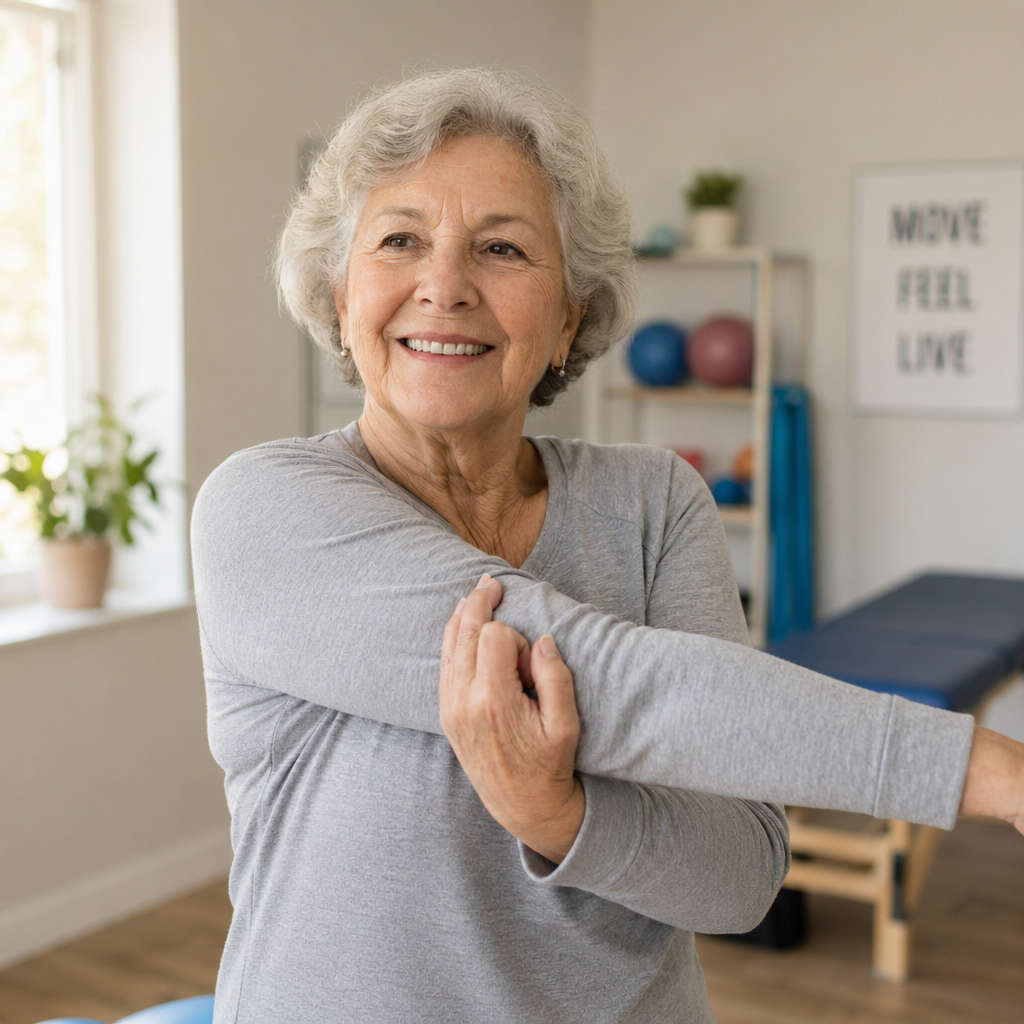
Your lymphatic system doesn’t have a pump like your heart does for blood circulation. Instead, it relies on muscle contractions and body movement to push lymph fluid through your vessels and back into your bloodstream.
When you exercise, your muscles act as natural pumps. They contract and release, creating pressure changes that move lymph fluid along. This is especially important for seniors, since lymphatic function naturally decreases with age.
Regular exercise also helps maintain a healthy weight, which reduces the load on your lymphatic system. Extra body weight means more tissue for your lymph system to drain, and carrying excess pounds can compress lymph vessels and make drainage harder.
Safe Exercise Guidelines for Seniors with Lymphedema
Start slowly and build up gradually. You should never jump into intense activity, even if you were active before developing lymphedema. Begin with 5 to 10 minutes of gentle movement and add a minute or two each week as your body adapts.
Always wear your compression garments during exercise. Compression sleeves for lymphedema provide external support that helps your lymphatic system work more efficiently. Put them on before you start moving and keep them on for at least an hour afterward.
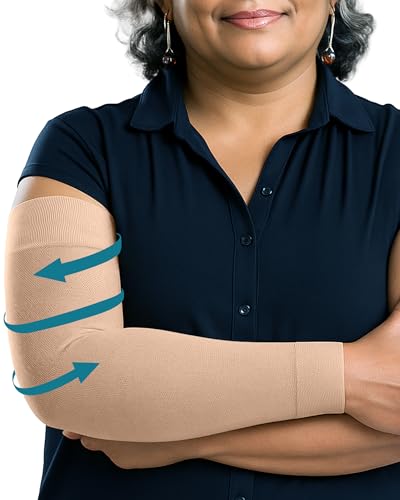
Compression Sleeves for Lymphedema
Essential for protecting limbs during exercise and improving lymphatic drainage.
Watch for warning signs during activity. Stop immediately if you notice increased swelling, pain, redness, or a feeling of heaviness in the affected limb. A little fatigue is normal, but your limb shouldn’t feel worse after exercise than before.
Keep your skin clean and protected. Lymphedema increases your risk of infections, so never exercise with broken skin or cuts on the affected limb. Moisturize daily and inspect your skin before and after activity. Understanding proper exercise guidelines for lymphedema can help you exercise safely and effectively.
Best Upper Body Exercises
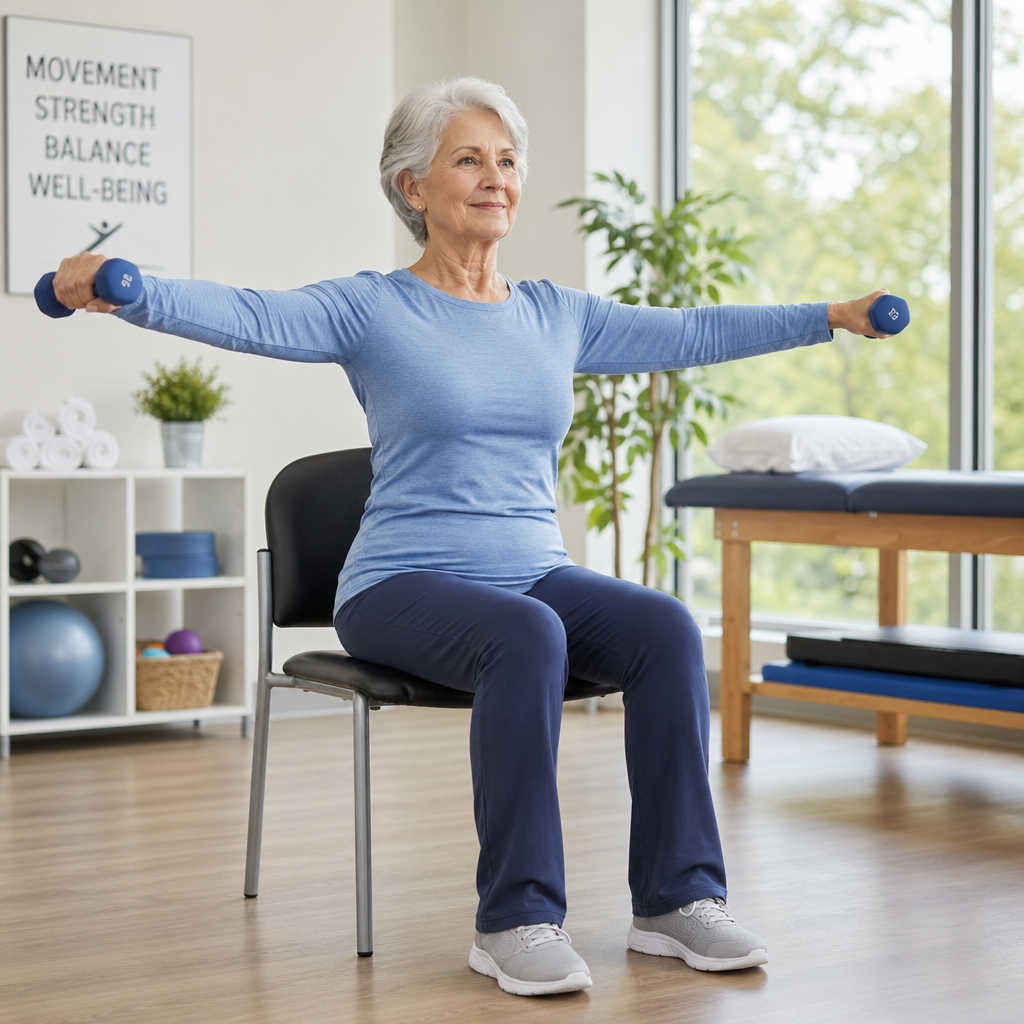
For arm lymphedema, focus on exercises that encourage drainage from your hand up toward your shoulder. This follows the natural path of lymphatic flow.
Gentle arm raises work well. Sit or stand comfortably and slowly raise both arms out to your sides, stopping at shoulder height. Hold for two seconds, then lower. Do 10 repetitions, rest, and repeat for three sets.
Wall pushups are excellent for engaging multiple muscle groups without straining. Stand facing a wall at arm’s length. Place your palms flat against the wall at shoulder height. Bend your elbows to bring your body toward the wall, then push back. Start with five repetitions and work up from there.
Light resistance bands provide adjustable challenge without heavy weights. Resistance bands designed for seniors come in different tension levels, so you can start with the lightest option and progress over time.
Try wrist circles and finger pumps while sitting. Make fists and then spread your fingers wide, repeating 10 times. Then rotate your wrists in circles, 10 times in each direction. These simple movements engage the small muscles that help pump lymph fluid. If mobility is limited, seated exercises can provide excellent benefits while maintaining proper support.
Effective Lower Body Exercises
Leg lymphedema responds well to movements that work your calf muscles, which act as powerful pumps for lymphatic drainage. Ankle pumps are simple but effective. Sit with your legs extended and flex your feet, pointing your toes toward you, then point them away. Do this for one minute several times daily.
Seated marching gets your hip flexors and thighs involved. Sit in a sturdy chair and alternate lifting each knee toward your chest, keeping your back supported. Start with 10 lifts per leg and increase gradually.
Walking is probably the single best exercise for leg lymphedema. The natural heel-to-toe motion activates your calf pump perfectly. Begin with short walks of 5 to 10 minutes and build up to 30 minutes most days of the week. Wear compression stockings during your walks. For those looking to add variety, treadmill exercises offer a controlled environment where you can monitor your pace and duration easily.
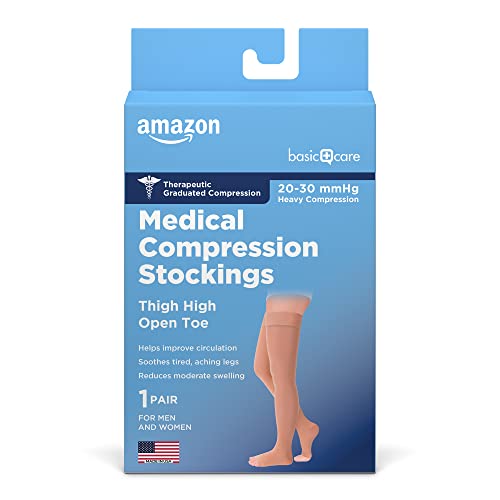
Compression Stockings for Leg Lymphedema
Medical-grade compression helps prevent swelling during walking and daily activities.
Water exercises provide extra support and gentle resistance. The water pressure acts like external compression while the buoyancy takes stress off your joints. Many community pools offer senior water aerobics classes that can be modified for lymphedema.
Activities to Avoid
Skip high-impact exercises that jar your body or create sudden pressure changes. Jumping, running, and intense aerobics can overwhelm your lymphatic system and cause swelling.
Avoid holding your breath during exercise, which increases internal pressure and can block lymph flow. Breathe naturally throughout every movement. Exhale during the effort phase of each exercise.
Don’t exercise in extreme heat. High temperatures dilate blood vessels and can increase fluid buildup in tissues. Choose air-conditioned gyms or exercise during cooler parts of the day. If you prefer exercising indoors, chair-based cardio programs offer low-impact options in a controlled environment.
Stay away from exercises that restrict circulation. Tight grips on weights or equipment can block lymph flow. Keep your grip relaxed and take frequent breaks to shake out your hands.
Never ignore pain or unusual swelling. Some muscle soreness is normal when starting a new routine, but sharp pain or increased swelling means you need to back off and possibly consult your therapist.
When and How to Wear Compression
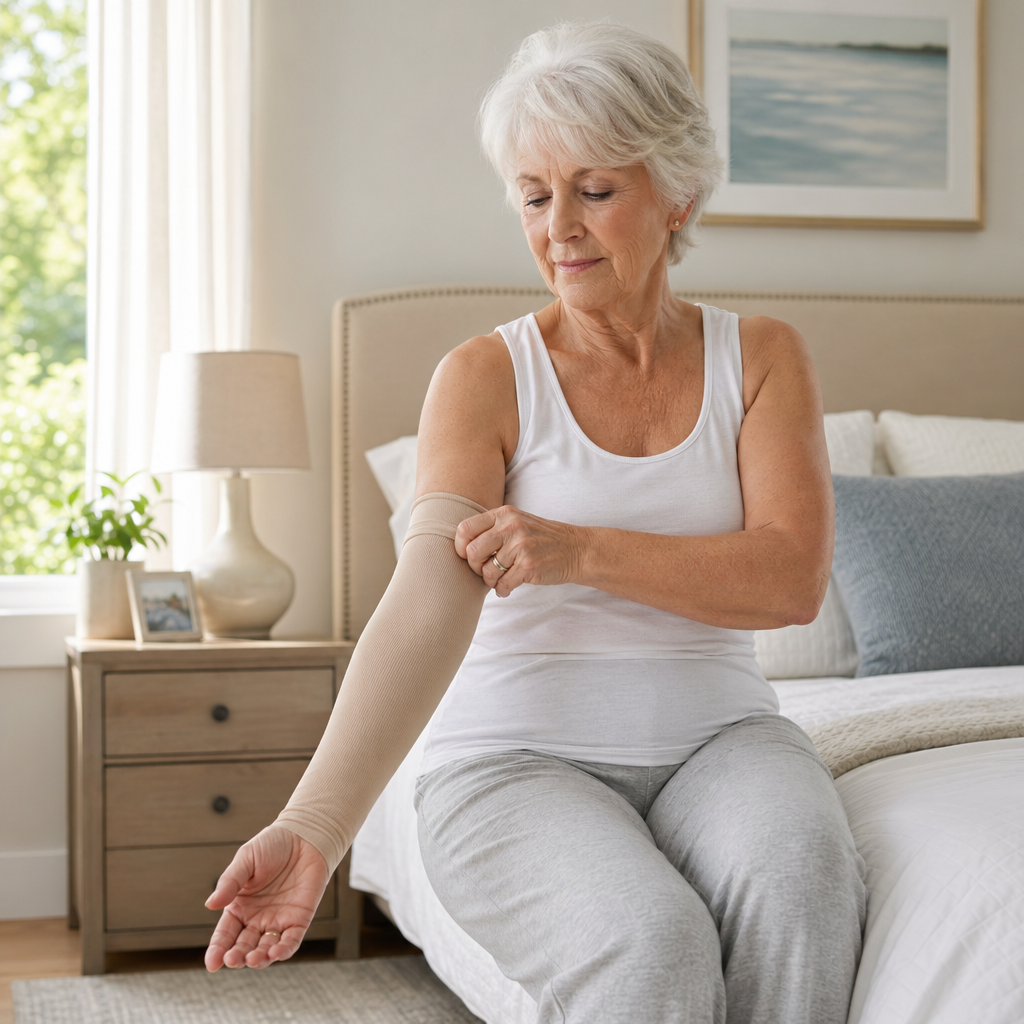
Put your compression garments on first thing in the morning, before any swelling develops. Your limbs are typically at their smallest after a night of elevation, making this the best time to get a proper fit.
During exercise, your compression should feel snug but never painful. You should be able to slip one finger under the fabric, but no more than that. Too loose won’t provide benefit, too tight can cause problems.
After exercise, keep your compression on while you cool down and for at least an hour beyond that. Your lymphatic system continues working hard after activity stops, and the external support helps clear excess fluid.
Replace compression garments every three to six months. They lose elasticity over time, especially with regular washing and the stress of exercise. When they start feeling loose or show visible wear, it’s time for new ones.
Working with Your Healthcare Team
Before starting any exercise program, get clearance from your doctor or certified lymphedema therapist. They can assess your specific situation and recommend modifications based on the severity and location of your lymphedema.
Consider working with a physical therapist who specializes in lymphedema. They can design a personalized program that addresses your fitness level, other health conditions, and specific goals.
Keep an exercise log that tracks what you did, how long you moved, and how your limb responded. This information helps you and your healthcare team identify patterns and adjust your routine for better results.
Frequently Asked Questions
How soon after lymphedema diagnosis can I start exercising?
You can typically begin gentle exercise immediately after diagnosis, as long as your doctor approves. Start with simple movements like ankle pumps or arm raises and progress slowly. Many people find that early intervention with exercise helps prevent progression of symptoms. Just make sure you’re wearing proper compression and watching for any negative reactions.
Should I exercise during a lymphedema flare-up?
During an active flare-up with increased swelling or redness, pause your regular exercise routine. Focus on gentle range-of-motion movements and elevation instead of active exercise. Once the flare subsides and you return to your baseline swelling level, you can gradually resume your normal activities. Contact your therapist if flare-ups become frequent, as this might indicate your exercise program needs adjustment.
Can I lift weights with lymphedema?
Yes, but start very light and increase slowly. Research shows that progressive resistance training is safe and beneficial for lymphedema when done correctly. Begin with weights as light as one or two pounds and increase by no more than 10% every two weeks. Always wear compression during lifting, use proper form, and stop if you notice any increase in swelling. Light hand weights designed for seniors are a good starting point.
Related Articles
- Comprehensive lymphedema exercise guidelines for safe and effective management
- Low-impact chair cardio workouts perfect for seniors with limited mobility
- Safe treadmill exercises to improve cardiovascular health
- Effective seated core strengthening exercises for stability and balance
This article contains affiliate links. We may earn a small commission at no extra cost to you.