As we age, our bodies become less effective at signaling when we need water. You might not feel thirsty even when your body desperately needs fluids. This physiological change puts older adults at significant risk during exercise, when proper hydration becomes even more critical for performance, recovery, and safety.
The good news is that once you understand how hydration needs change with age and adopt a proactive approach, you can exercise safely and effectively at any age. This guide will help you develop a personalized hydration strategy that accounts for your specific needs, medications, climate, and activity level.
Why Thirst Becomes an Unreliable Guide
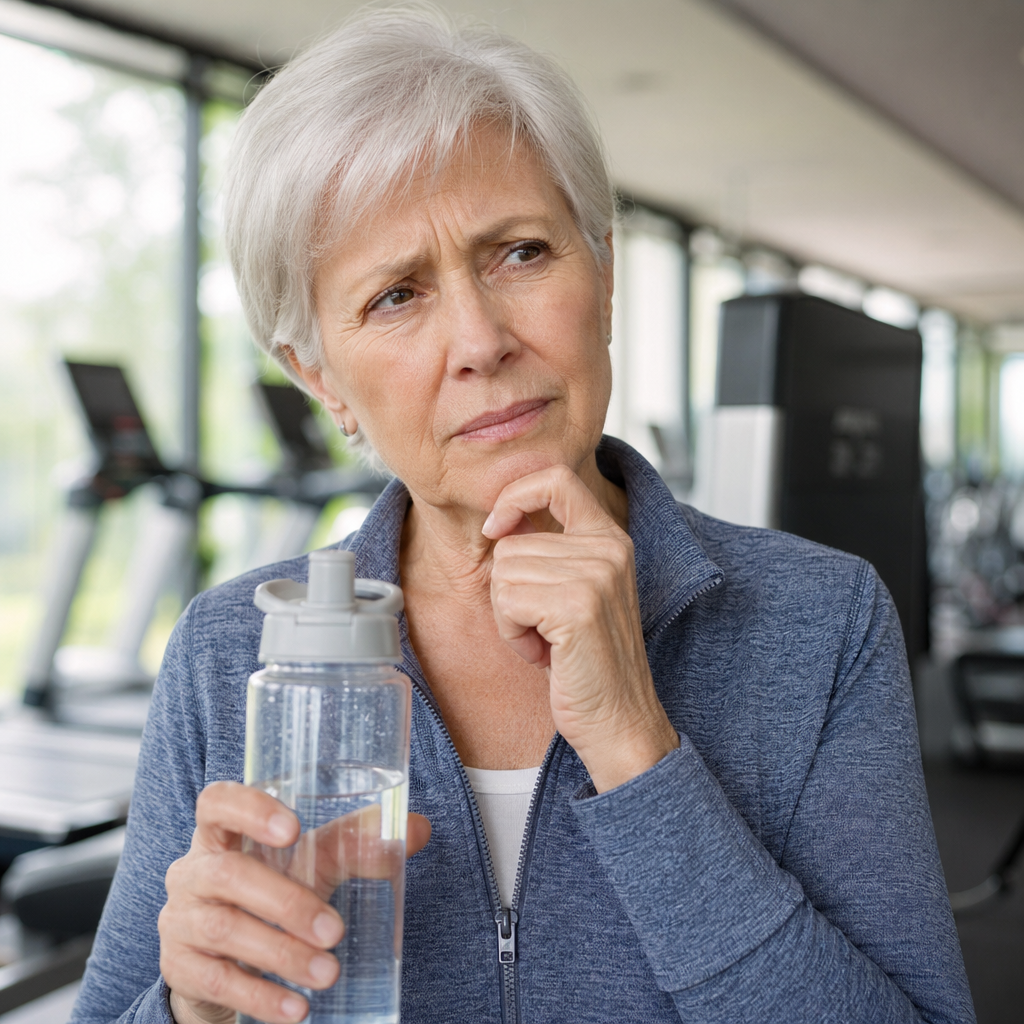
Your thirst mechanism naturally diminishes with age, typically starting in your 50s and becoming more pronounced in your 60s and beyond. Research shows that older adults may experience 30-40% less thirst sensation compared to younger people, even at the same level of dehydration.
This happens because the hypothalamus, which regulates thirst, becomes less sensitive to changes in blood volume and sodium concentration. Your kidneys also become less efficient at conserving water, meaning you lose more fluid through urination even when you should be holding onto it.
The practical implication is simple but critical: you can’t rely on feeling thirsty to tell you when to drink. You need a scheduled hydration plan instead.
Daily Water Requirements for Active Seniors
The standard eight glasses a day doesn’t account for individual variation, activity level, or age-related factors. A more accurate baseline for older adults is about 1.5 to 2 liters daily for women and 2 to 2.5 liters for men under normal conditions.
When you’re exercising regularly, add another 400-600 ml per hour of moderate activity. For more intense workouts or hot weather, you may need 700-1000 ml per hour. These aren’t small amounts, and most seniors fall well short of these targets.
Keep in mind that certain medications commonly prescribed to older adults increase fluid needs. Diuretics for blood pressure obviously increase water loss, but so do certain diabetes medications, laxatives, and some antidepressants. Check with your pharmacist about how your specific medications affect hydration.
A water bottle with time markers can help you track your intake throughout the day and stay on schedule without having to remember how many glasses you’ve had.

Time Marker Water Bottle
These bottles have hourly goals printed on the side to keep you on track with your hydration schedule.
Recognizing Dehydration in Older Adults
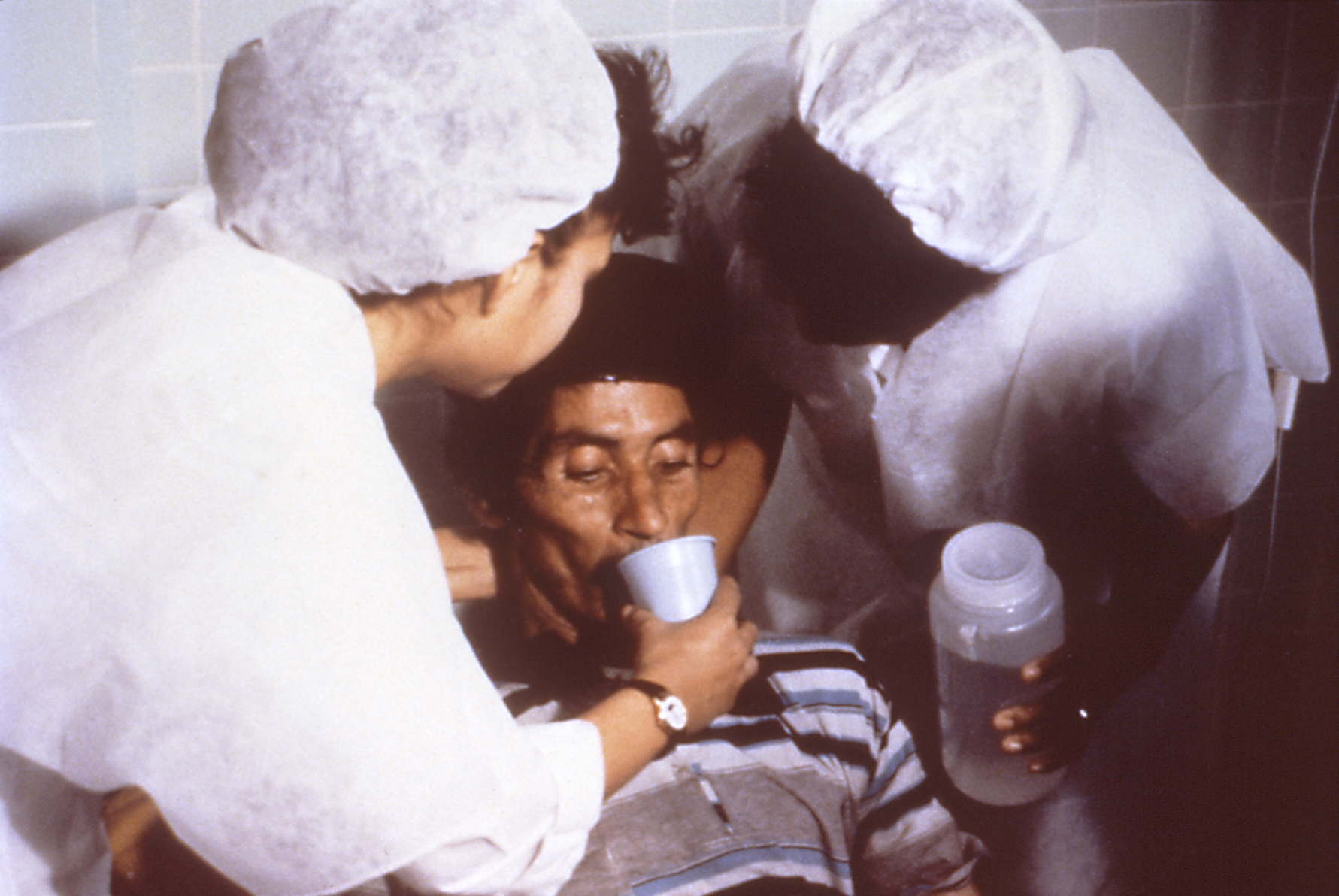
The classic signs of dehydration work differently in older adults. You can’t rely solely on feeling thirsty, and even dry mouth isn’t always present. Watch for these more reliable indicators instead.
Dark yellow or amber urine is one of the most dependable signs. Your urine should be pale yellow or nearly clear if you’re well-hydrated. Check it first thing in the morning and before exercise.
Other warning signs include dizziness when standing, confusion or difficulty concentrating, fatigue that seems disproportionate to your activity level, and decreased skin elasticity. The skin pinch test works, but it’s less reliable in older adults due to natural skin changes.
During and after exercise, watch for cramping, reduced coordination, headache, or an inability to sweat normally. These can indicate significant dehydration that requires immediate attention and possibly medical evaluation.
Hydration Strategy Before, During, and After Exercise
Start hydrating 2-3 hours before exercise by drinking 400-600 ml of water. This gives your body time to absorb the fluid and eliminate any excess before you start moving. Don’t chug water right before exercise, as it can cause stomach discomfort.
During exercise, sip water every 15-20 minutes rather than waiting until you feel thirsty. For activities under an hour at moderate intensity, plain water works fine. Beyond an hour or in high heat, you need electrolyte replacement as well.
After exercise, rehydrate gradually over the next 2-4 hours. A simple rule is to drink about 150% of the fluid you lost through sweat. Weigh yourself before and after longer workouts to estimate this. For every pound lost, drink about 24 ounces of fluid.
For convenience during workouts, consider an insulated water bottle with a straw, which makes it easier to drink frequently without interrupting your activity.
Electrolytes and When You Need Them
Water alone isn’t enough for longer exercise sessions or hot conditions. You also lose sodium, potassium, magnesium, and calcium through sweat. These electrolytes are essential for muscle function, nerve signaling, and maintaining proper fluid balance.
For exercise lasting under 60 minutes at moderate intensity, water is typically sufficient. Beyond that point, or in heat above 80°F, you should add electrolytes. This is especially important for older adults because age-related changes in kidney function affect electrolyte balance even at rest.
You can get electrolytes from sports drinks, but many contain excessive sugar. Better options include sugar-free electrolyte powders or tablets that you add to water. Look for products containing at least 200-300 mg of sodium and 100-150 mg of potassium per serving.

Sugar-Free Electrolyte Powder
A good option for adding essential minerals without the excess sugar found in traditional sports drinks.
Natural options like coconut water provide potassium but often lack sufficient sodium for rehydration. You can also eat sodium-rich snacks like pretzels or salted nuts along with water after longer workouts.
Adapting Your Hydration for Climate and Conditions
Hot weather dramatically increases fluid needs, but so does dry air, whether from low humidity or indoor heating. Even cold weather exercise causes fluid loss through respiratory water vapor, though you may not notice the sweating.
In temperatures above 80°F, double your normal hydration plan. Start drinking even earlier before exercise, increase your during-exercise intake to every 10-15 minutes, and extend your post-exercise rehydration period. Consider exercising during cooler parts of the day when possible.
High altitude increases breathing rate and water loss through respiration. Add an extra liter per day when exercising above 5,000 feet elevation, and allow extra time for acclimatization.
Indoor exercise in heated or air-conditioned spaces can be deceptively dehydrating. Just because you’re not in direct sun doesn’t mean you need less water. The low humidity in these environments increases evaporative losses.
Medications That Affect Fluid Balance
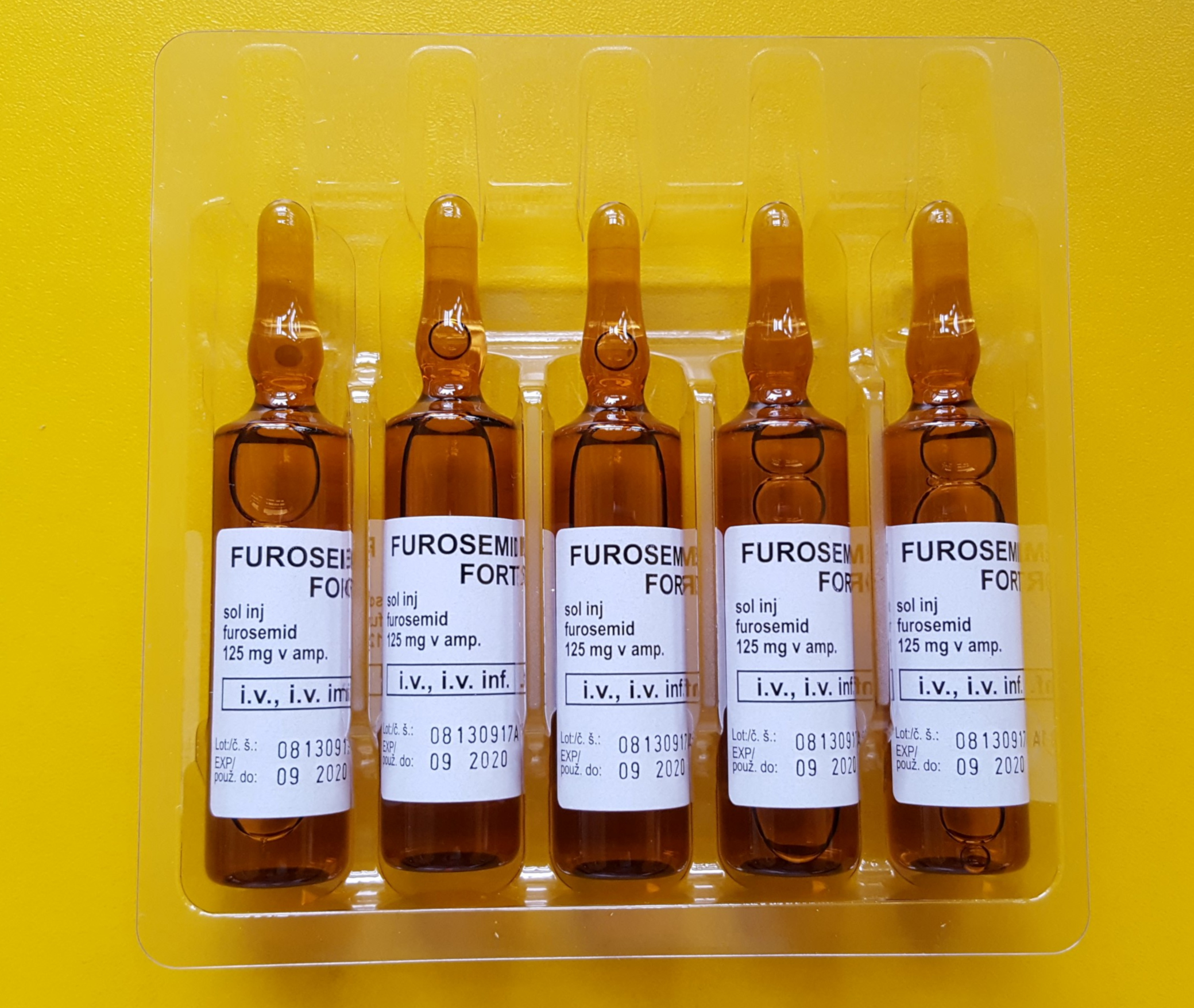
Many medications commonly prescribed to older adults significantly impact hydration needs. Diuretics like furosemide or hydrochlorothiazide obviously increase water loss, but the timing matters too. If possible, take diuretics after exercise rather than before to avoid excessive fluid loss during activity.
ACE inhibitors and some blood pressure medications can affect how your body regulates fluid and electrolytes. Beta-blockers may reduce your ability to sweat efficiently. Metformin and SGLT2 inhibitors for diabetes increase urination.
Antihistamines, certain antidepressants, and some pain medications can cause dry mouth and reduced thirst sensation, compounding the age-related decline. Even over-the-counter NSAIDs like ibuprofen can affect kidney function and fluid balance when taken regularly.
Talk to your doctor or pharmacist about all your medications and how they affect hydration. You may need to adjust your fluid intake or exercise timing around when you take certain medications.
Frequently Asked Questions
How can I tell if I’m drinking too much water during exercise?
Overhydration is possible, though less common than dehydration. Signs include bloating, nausea, swollen hands or feet, and clear urine combined with frequent urination. A bigger concern is hyponatremia, where excessive water intake dilutes blood sodium to dangerous levels. This typically only happens during very prolonged exercise when drinking large amounts of plain water without electrolytes. Stick to the 400-800 ml per hour guideline and include electrolytes for sessions over an hour.
Can coffee or tea count toward my daily fluid intake?
Yes, despite old advice to the contrary. While caffeine has a mild diuretic effect, the fluid in coffee and tea still contributes to your daily hydration. However, don’t rely on caffeinated beverages as your primary hydration source, especially around exercise. Plain water remains the best choice. Herbal teas and decaf options count fully toward your fluid goals without any concerns.
Should I drink water even if I don’t feel thirsty during exercise?
Absolutely. This is the single most important habit for older adults to develop. Set a timer on your phone or watch to remind you to drink every 15-20 minutes during exercise, regardless of thirst. The diminished thirst response means you can become significantly dehydrated before feeling any sensation of thirst. By the time you feel thirsty, you’re already behind on hydration. Scheduled drinking prevents this problem entirely.
This article contains affiliate links. We may earn a small commission at no extra cost to you.