Winter doesn’t mean your fitness routine needs to hibernate. Many seniors find that exercising outdoors during the colder months can be invigorating and beneficial for both physical and mental health. However, cold weather does present unique challenges that require extra attention to safety and preparation.
Understanding how to adapt your exercise routine for winter conditions can help you stay active year-round while minimizing risks. From proper clothing choices to knowing when it’s too cold to venture outside, these practical tips will keep you moving safely through the winter months.
How Cold Weather Affects Your Body

As we age, our bodies don’t regulate temperature as efficiently as they once did. Cold weather causes blood vessels to constrict, which increases blood pressure and forces your heart to work harder. This is why you might notice that winter exercise feels more demanding than the same workout in warmer weather.
Your joints also respond differently to cold temperatures. Many seniors experience increased stiffness and discomfort in their knees, hips, and hands when it’s cold outside. This happens because cold weather can thicken the fluid inside joints and cause the tissues around them to contract.
Cold air can also trigger respiratory issues, particularly for those with asthma or other breathing conditions. When you inhale cold air rapidly during exercise, it can irritate your airways and make breathing more difficult.
The Right Way to Layer for Winter Exercise
Proper layering is your first line of defense against the cold. You want to stay warm without overheating, which can be just as problematic as getting too cold. The three-layer system works best for most winter activities.
Start with a moisture-wicking base layer that pulls sweat away from your skin. Look for thermal base layers made from synthetic materials or merino wool. Cotton is your enemy here because it holds moisture and will leave you feeling damp and cold.
Your middle insulating layer should trap heat while still allowing moisture to escape. Fleece jackets or lightweight down vests work well for this purpose. This layer is the one you’ll likely remove first if you start to overheat during your workout.
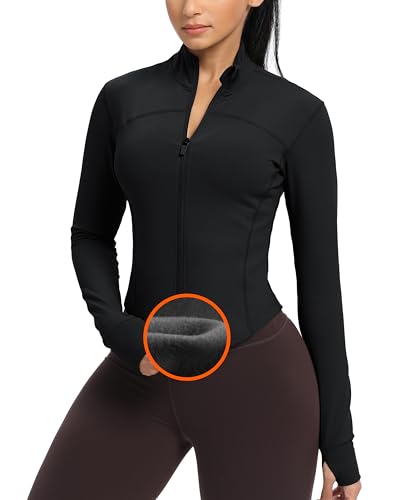
Fleece Lined Exercise Jacket
A quality fleece-lined jacket provides excellent insulation without restricting movement during outdoor activities.
The outer layer should be windproof and water-resistant to protect you from the elements. You don’t need anything too heavy if your base and middle layers are doing their jobs properly. Many active seniors prefer a lightweight shell jacket that they can easily tie around their waist if they warm up.
Don’t forget your extremities. You lose significant heat through your head, hands, and feet. A warm hat that covers your ears, insulated gloves, and moisture-wicking socks are essential. Consider gloves with touchscreen-compatible fingertips so you can use your phone without exposing your hands to the cold.
Temperature Guidelines and Safety Thresholds
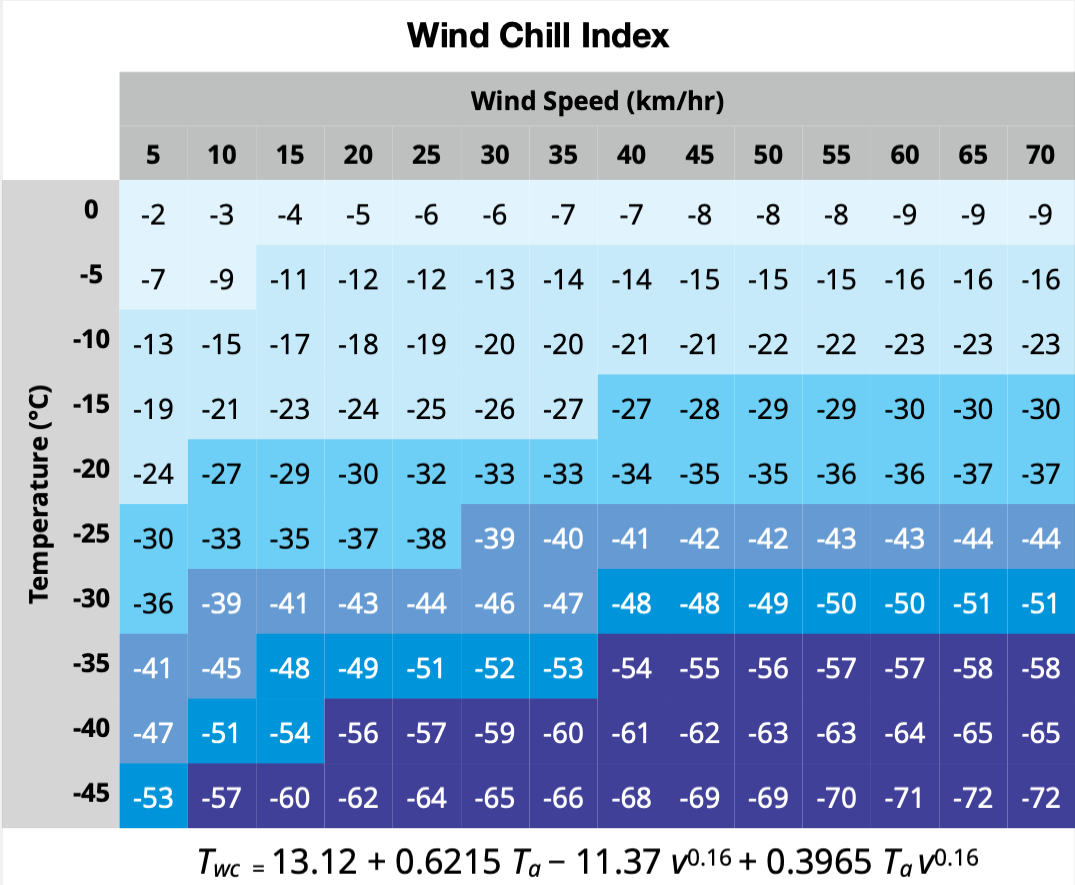
Knowing when it’s safe to exercise outdoors versus when you should move your workout inside is critical. The temperature alone doesn’t tell the whole story because wind chill can make conditions much more dangerous than the thermometer suggests.
Most medical experts recommend that seniors consider indoor exercise when temperatures drop below 20°F or when the wind chill reaches zero or below. These conditions significantly increase your risk of frostbite and hypothermia, especially if you have circulation issues.
Between 20°F and 40°F, you can generally exercise safely outdoors with proper clothing. Pay attention to wind conditions because even moderate winds can make it feel much colder. On particularly windy days, even if the temperature is above your threshold, moving indoors might be the smarter choice.
Watch for warning signs that you’re getting too cold. Numbness in your fingers or toes, excessive shivering, confusion, or slurred speech are all red flags that you need to get inside immediately. Similarly, if you experience chest pain, unusual shortness of breath, or dizziness, stop exercising and seek medical attention.
Ice Safety and Fall Prevention
Falls are a serious concern for seniors in any season, but icy conditions dramatically increase the risk. Before heading out for your winter walk or jog, scout your route for potential hazards like black ice, snow-covered uneven surfaces, and slippery sidewalks.
Choose your footwear carefully. Regular athletic shoes often lack the traction needed for winter conditions. Winter walking shoes with aggressive tread patterns provide better grip on snow and ice.

Ice Traction Cleats
These removable cleats slip over your regular shoes and provide excellent grip on icy surfaces without the need to buy specialized footwear.
Adjust your gait on slippery surfaces. Take shorter steps, keep your center of gravity over your front leg, and walk more flat-footed rather than heel-to-toe. This might feel awkward at first, but it significantly reduces your slip risk.
Consider using trekking poles for added stability. They provide two extra points of contact with the ground and can help you catch yourself if you start to slip. Many seniors find that poles also reduce stress on their knees during winter walks.
Effective Indoor Alternatives
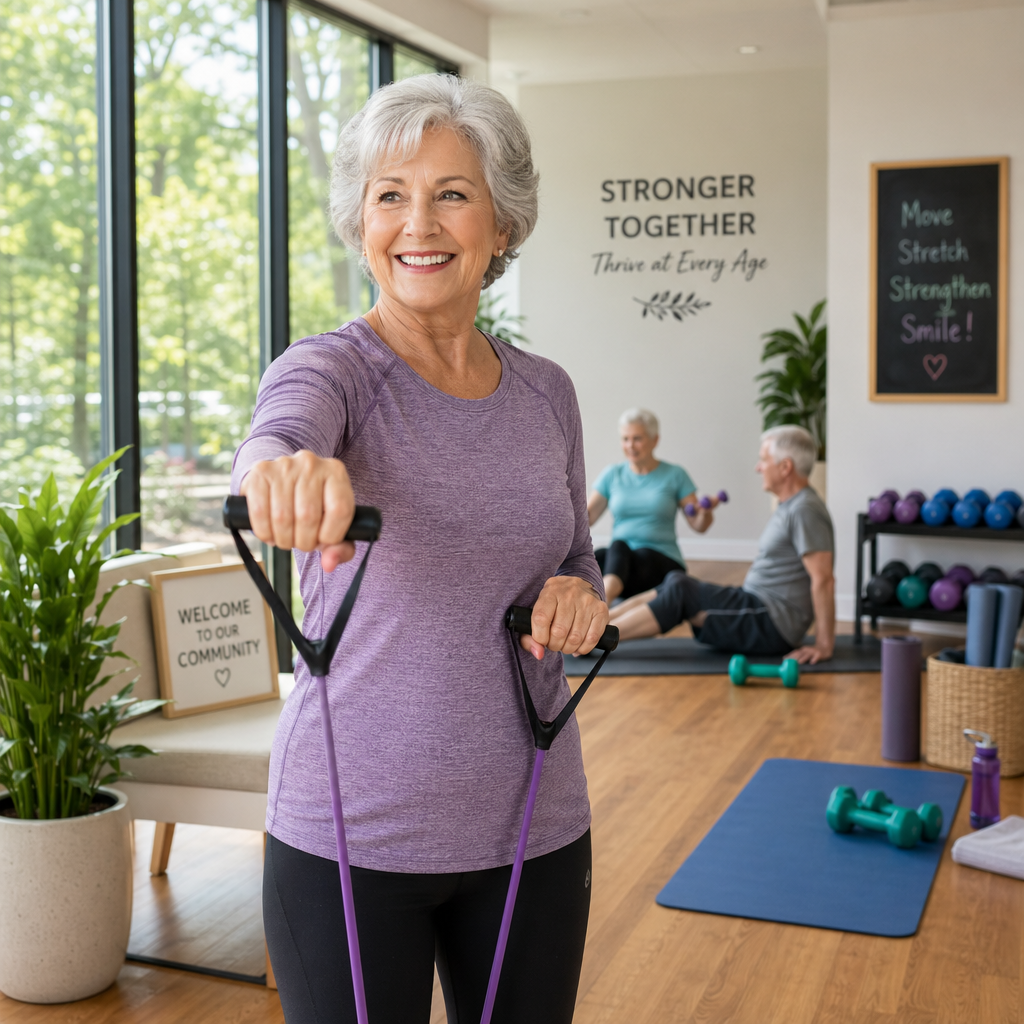
When outdoor exercise isn’t safe or appealing, having a solid indoor routine keeps you active without the weather-related risks. You don’t need a gym membership or fancy equipment to get an effective workout at home.
Walking workouts can easily move indoors. Mall walking is popular among seniors for good reason. The controlled temperature, flat surfaces, and bathroom availability make it an ideal alternative to outdoor walking. Many malls open early specifically for walkers before stores open.
Chair exercises provide a full-body workout without requiring you to get on the floor. You can work on strength, flexibility, and even cardiovascular fitness from a seated position. Simple movements like seated marches, arm circles, and leg extensions add up to meaningful exercise.
Resistance bands offer an affordable way to maintain strength during winter months. They take up minimal space and allow you to work every major muscle group. A set of resistance bands with different tension levels gives you room to progress as you get stronger.
Online exercise videos designed for seniors have exploded in popularity. You can find everything from gentle yoga to moderate-intensity cardio workouts that you can do in your living room. The video format provides guidance on proper form, which is particularly helpful if you’re new to certain exercises.
Warming Up Takes Longer in Cold Weather
Your muscles, tendons, and ligaments need extra time to warm up when it’s cold. What might take you five minutes in summer could require ten to fifteen minutes in winter. Skipping or rushing your warm-up significantly increases your injury risk.
Start your warm-up indoors whenever possible. Do some light marching in place, arm circles, and gentle stretches before you head outside. This gets your blood flowing and raises your core temperature before you expose yourself to the cold.
Once outside, begin your actual exercise at a slower pace than usual. Your first ten minutes should feel easy. You’re looking to gradually increase your heart rate and body temperature, not jump straight into your target intensity.
Dynamic stretching works better than static stretching before cold-weather exercise. Leg swings, walking lunges, and arm swings prepare your body for movement better than holding static positions. Save the static stretching for after your workout when your muscles are warm.
Frequently Asked Questions
How long can I safely exercise outdoors in cold weather?
There’s no universal time limit, but most seniors should aim for 20 to 40 minutes of outdoor exercise in cold conditions. Pay more attention to how you feel than the clock. If you start experiencing numbness, excessive fatigue, or any unusual symptoms, head inside regardless of how long you’ve been out. Breaking your workout into two shorter sessions can be safer than one long session when it’s particularly cold.
Should I breathe through my nose or mouth during cold weather exercise?
Breathing through your nose is preferable because it warms and humidifies the air before it reaches your lungs. However, during moderate to vigorous exercise, you’ll likely need to breathe through your mouth to get enough oxygen. Consider wearing a cold weather exercise mask or wrapping a scarf loosely around your nose and mouth to warm the air you breathe. Just make sure it doesn’t restrict your breathing.
Is it safe to exercise outdoors if I have arthritis?
Many people with arthritis can safely exercise outdoors in winter, but you’ll need to take extra precautions. Allow more time for warming up, wear compression gloves or sleeves on affected joints, and listen to your body carefully. Cold weather may increase joint pain and stiffness, so you might need to reduce your intensity or duration compared to warmer months. On particularly cold days or when your symptoms are flaring, indoor exercise is the better choice.
This article contains affiliate links. We may earn a small commission at no extra cost to you.