You’ve probably heard a thousand times that staying active is important as you age. But if the thought of joining a gym or following workout videos makes you groan, here’s some genuinely good news: that time you spend in your garden actually counts as real exercise. Not just light activity, but legitimate physical work that checks all the boxes for strength, flexibility, and cardiovascular health.
Gardening isn’t just a peaceful hobby. It’s a full-body workout disguised as something enjoyable. When you dig, plant, weed, and haul, you’re building muscle, improving balance, and getting your heart rate up. The best part? You’ll likely stick with it longer than any gym membership because you actually want to do it.
The Physical Benefits You’re Already Getting
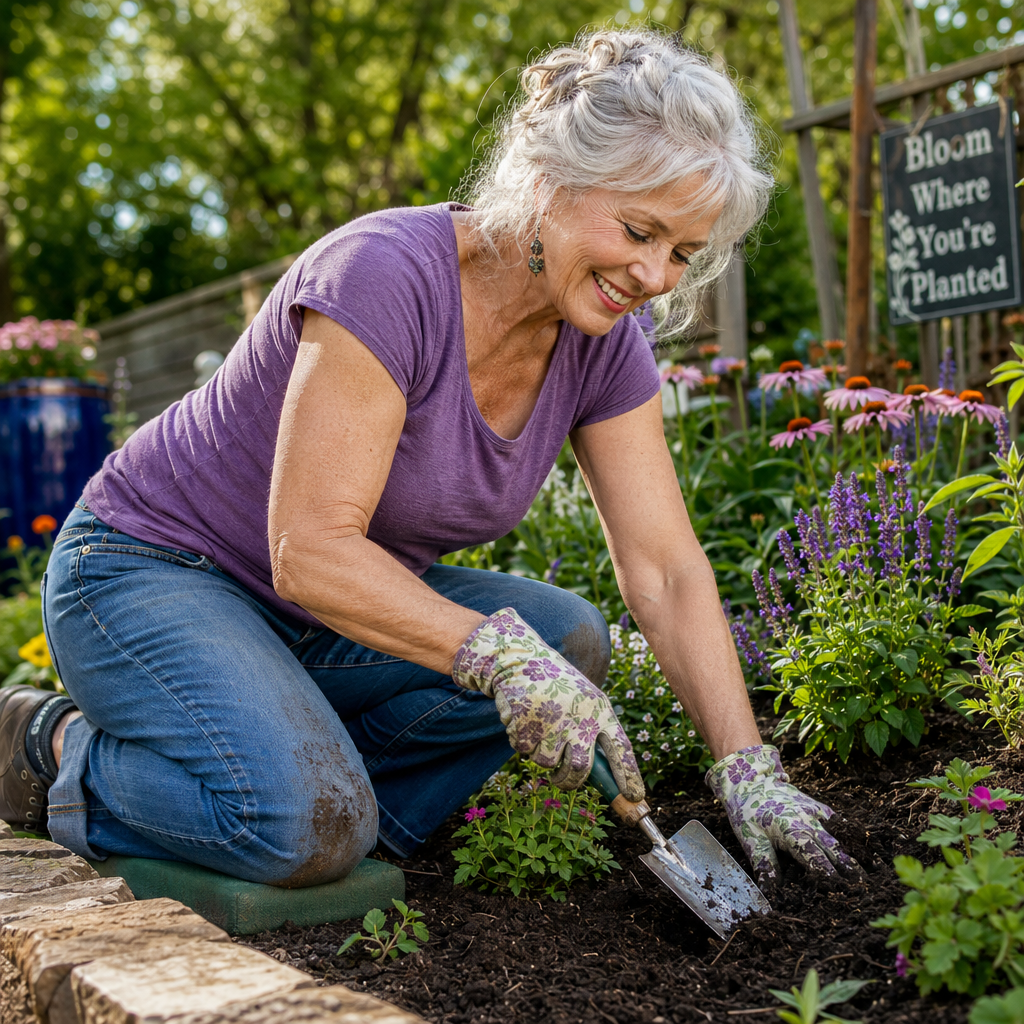
Let’s break down what’s actually happening to your body when you garden. Digging and turning soil works your arms, shoulders, and core muscles. Squatting and kneeling challenge your leg strength and flexibility. Raking and hoeing get your heart pumping. Even something as simple as pushing a wheelbarrow engages multiple muscle groups at once.
Research backs this up. A study from the University of Arkansas found that regular gardening can burn 200 to 400 calories per hour, depending on the intensity. Another study in the American Journal of Public Health showed that gardening reduced the risk of heart attack and stroke in people over 60.
You’re also getting weight-bearing exercise, which is critical for bone density. Every time you stand up from weeding or carry a bag of soil, you’re putting healthy stress on your bones that helps keep them strong. This matters more than most people realize when it comes to preventing falls and fractures later in life.
Proper Body Mechanics to Protect Your Joints
Getting exercise from gardening only works if you don’t hurt yourself doing it. Poor form can lead to back pain, knee problems, and sore shoulders that sideline you for days or weeks.
When you’re digging or using a shovel, keep the tool close to your body. Don’t reach far out in front of you or twist at the waist while holding weight. Instead, move your feet to face what you’re working on. Bend at your knees and hips, not your lower back. Think of it like a squat at the gym.
For kneeling tasks, use a garden kneeling pad or invest in a garden seat with handles. These aren’t just for comfort. They actually help you get up and down safely without straining your knees or relying on awkward hand positions.

Garden Kneeler and Seat
Provides support for getting up and down while protecting your knees during ground-level work
When lifting bags of mulch or pots, hold them close to your chest. Keep your back straight and lift with your legs. If something feels too heavy, it probably is. Split the load into two trips or ask for help. There’s no prize for throwing your back out over a bag of potting soil.
Ergonomic Tools That Make a Real Difference
The right tools don’t just make gardening easier. They help you maintain good form and reduce strain on joints that might already be dealing with arthritis or past injuries.
Look for tools with longer handles so you don’t have to bend as far. A long-handled cultivator or weeder lets you work from a standing position instead of hunching over. Padded, ergonomic grips reduce pressure on your hands and wrists, especially important if you deal with any grip strength issues.
Lightweight tools matter more than you might think. Aluminum or fiberglass handles weigh significantly less than traditional wood, and that difference adds up over an hour of work. You’ll fatigue less quickly and maintain better control.

Ergonomic Garden Tool Set
Features padded grips and reduced weight to minimize joint strain during extended use
A rolling garden cart is worth every penny. Instead of making multiple trips carrying heavy items, you can load everything once and wheel it around. This saves your back and turns what could be strenuous lifting into a much gentler pushing motion.
Warming Up Before You Get Started

You wouldn’t jump into a run without warming up, and the same principle applies to gardening. Cold muscles are more prone to strains and pulls, especially early in the morning when many people like to garden.
Spend five minutes doing some basic movements before you head outside. Roll your shoulders backward and forward ten times each direction. Do some gentle torso rotations. March in place for a minute to get blood flowing to your legs. Stretch your hamstrings by placing your heel on a low step and leaning forward gently.
Once you’re in the garden, start with lighter tasks. Pull a few weeds or deadhead some flowers before you tackle the heavy digging. Let your body gradually adjust to the work ahead.
Pay attention to what your body tells you throughout your session. Stiffness is normal when you first start. Sharp pain is not. Take breaks every 20 to 30 minutes to stand up, walk around, and stretch. Staying in one position too long is how most injuries happen.
Tracking Your Gardening Activity
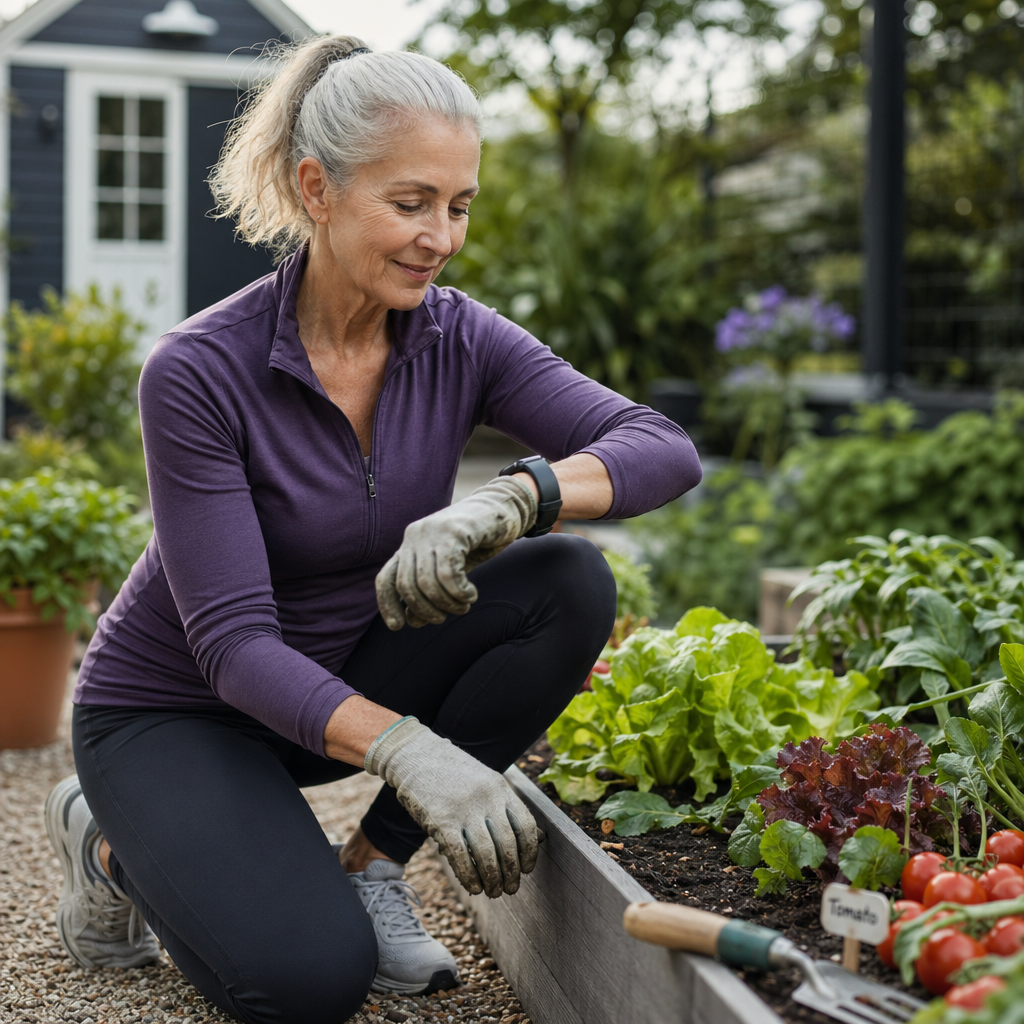
Treating gardening as intentional exercise means recognizing it as such. Many fitness trackers and phone apps now include gardening as an activity option. Logging your time helps you see patterns and ensures you’re getting enough varied movement throughout the week.
Aim for at least 30 minutes of moderate-intensity gardening most days of the week. Moderate intensity means you’re working hard enough that you can talk but not sing. If you’re breathing harder and feeling your heart rate increase, you’re in the right zone.
Mix up your tasks throughout the week. Monday might be digging and planting (strength focus), Wednesday could be raking and sweeping (cardio focus), and Friday might involve detailed pruning and weeding (flexibility and fine motor skills). This variety ensures you’re hitting different aspects of fitness.
Consider using a basic fitness tracker if you don’t already have one. Seeing your step count increase and calories burned provides motivation. Some people find that gamifying their activity helps them stay consistent.
Safety Considerations You Shouldn’t Skip
Gardening in hot weather requires the same precautions as any outdoor exercise. Wear a wide-brimmed hat and apply sunscreen to exposed skin. Keep water nearby and drink regularly, not just when you feel thirsty. Early morning or late afternoon sessions help you avoid the hottest part of the day.
Watch for signs of overheating: dizziness, nausea, excessive fatigue, or confusion. These warrant immediate rest in the shade or air conditioning. Don’t tough it out.
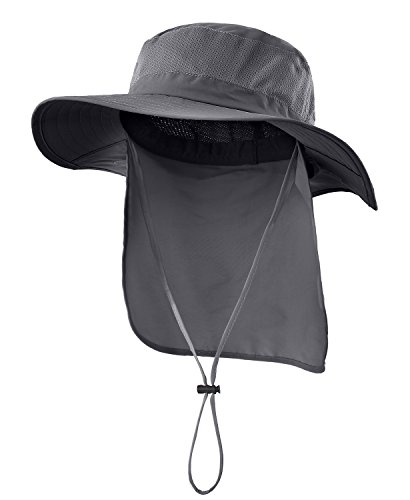
Wide Brim Sun Hat with Neck Protection
Provides crucial sun protection during extended outdoor sessions while staying secure in breezy conditions
Wear supportive, closed-toe shoes with good tread. Flip-flops or loose sandals are accident invitations. You need stable footing, especially when using tools or working on uneven ground.
Keep your phone with you in case you need help. A belt clip or armband works well if you don’t have pockets. Let someone know you’ll be outside working, especially if you garden alone.
Be realistic about your current fitness level. If you haven’t gardened in months or you’re recovering from an injury, start with 15 to 20-minute sessions. Build up gradually over several weeks. There’s no deadline for getting your garden perfect.
Frequently Asked Questions
How many calories does gardening actually burn?
The amount varies based on what you’re doing and your body weight, but general gardening burns approximately 200 to 400 calories per hour. Heavy work like digging, shoveling, or moving soil can burn as many calories as a brisk walk or light jog. Lighter tasks like planting or weeding still burn 150 to 250 calories per hour, making them comparable to gentle yoga or stretching routines.
Can gardening replace my regular exercise routine?
For many people, yes. If you’re gardening actively for 30 minutes or more most days of the week, you’re meeting the basic exercise guidelines for older adults. However, you might want to supplement with specific balance exercises or stretching routines that gardening doesn’t fully address. Also consider your intensity. Casual puttering doesn’t provide the same benefits as sustained, purposeful work.
What should I do if I feel sore after gardening?
Mild muscle soreness 24 to 48 hours after gardening is normal, especially if you’re new to it or did more than usual. Gentle movement, stretching, and applying ice or heat can help. However, sharp pain during the activity or severe pain afterward might indicate an injury. Don’t push through concerning pain. Rest and consult your doctor if symptoms persist beyond a few days or worsen with movement.
This article contains affiliate links. We may earn a small commission at no extra cost to you.