You’ve probably noticed that stretching just doesn’t feel the same as it did years ago. Your muscles might feel tight even after a good stretch, and that stiffness seems to linger no matter what you do. The missing piece might not be your muscles at all. It’s your fascia, the connective tissue that wraps around every muscle, organ, and structure in your body.
Fascia can become rigid and sticky with age, reduced activity, or repetitive movement patterns. When this happens, your mobility suffers in ways that traditional stretching alone can’t fix. Fascia release techniques target this often-overlooked system directly, and the results can be remarkable for senior flexibility and overall comfort.
Understanding Your Fascial System
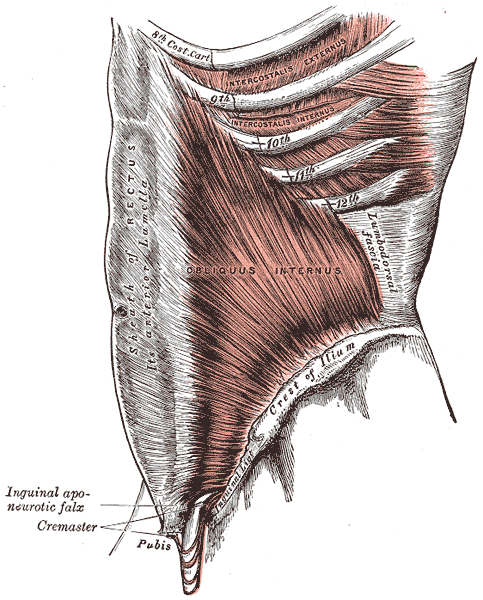
Think of fascia as a three-dimensional web that runs continuously throughout your entire body. It’s not just wrapping around individual muscles. This tissue connects everything from your toes to your neck in one interconnected system.
When you’re young and active, fascia stays hydrated and slides smoothly. But as we age, fascia can develop adhesions, almost like wrinkles in a bedsheet that won’t smooth out. These restrictions limit your range of motion and create that feeling of being “stuck” when you try to move.
The good news here is that fascia responds well to specific types of pressure and movement. Unlike muscle tissue, which needs stretching and strengthening, fascia needs release work to restore its sliding properties. This is where specialized techniques and tools come into play.
Ball Rolling Techniques for Targeted Release
Massage balls are incredibly effective for fascia release because they allow you to apply precise pressure to specific areas. Start with larger, softer balls before progressing to smaller, firmer ones as your tissue adapts.
For your feet, place a massage ball on the floor and slowly roll from heel to toe. Apply as much body weight as feels comfortable. Spend extra time on any tender spots, but never push into sharp pain. Two to three minutes per foot works well.
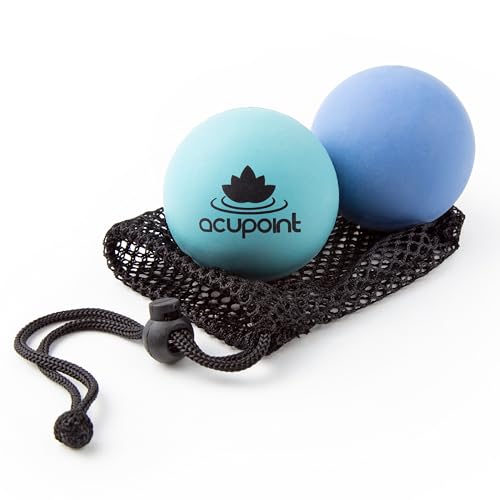
Spoonk Acupressure Massage Ball Set
A set with varying firmness levels lets you start gentle and progress as your tissue becomes more responsive
Your upper back benefits tremendously from ball work too. Lie on your back with a ball positioned between your shoulder blade and spine. Bend your knees with feet flat on the floor, then gently roll back and forth. You can also stay still on tender points and take five deep breaths to encourage release.
The hip area holds considerable fascial tension for most seniors. Sit on a chair and place a ball under one glute. Shift your weight slowly in small circles. This technique addresses the piriformis and surrounding fascia, which often contributes to lower back discomfort and limited hip mobility. If you experience sciatic nerve discomfort, releasing the piriformis area can be particularly helpful.
Foam Roller Applications for Broader Areas
While balls target specific points, foam rollers work beautifully for larger fascial areas. They’re particularly useful for the IT band along the outer thigh, the quadriceps, and the thoracic spine.
Choose a roller with moderate density. Extra-firm rollers might seem more effective, but they can cause you to tense up, which defeats the purpose. You want your body to relax into the pressure. A medium-density foam roller around 36 inches long gives you the most versatility.
For your thoracic spine, lie with the roller perpendicular to your body at mid-back level. Support your head with your hands and slowly roll up and down between your shoulder blades and mid-back. Keep your core engaged to protect your lower back. This technique not only releases fascia but also improves the mobility of your rib cage, which helps with breathing.

LuxFit Premium High Density Foam Roller
This roller hits the sweet spot between comfortable and effective for daily fascial work
Your calves accumulate fascial restrictions from years of walking and standing. Sit on the floor with one calf on the roller and the other leg crossed over it for added pressure. Roll slowly from ankle to knee, pausing on any tight spots for 20 to 30 seconds. If sitting on the floor is challenging, you can modify the position or explore strategies for improving floor mobility.
Self-Massage Techniques Using Your Hands

You don’t always need tools. Your hands can provide effective fascial release for areas that are difficult to reach with balls or rollers. The key is using slow, sustained pressure rather than quick rubbing motions.
For your neck and jaw, use your fingertips to apply gentle pressure along the muscles at the base of your skull. Hold each point for about 30 seconds. Many people carry fascial tension here that contributes to headaches and restricted neck rotation.
Your forearms and hands benefit from self-massage too, especially if you spend time gardening, cooking, or using a computer. Use your thumb to apply slow, gliding pressure along your forearm muscles from wrist to elbow. Work both the top and bottom surfaces.
The chest area often gets neglected but holds significant fascial restrictions, particularly for women who’ve worn bras for decades or anyone with rounded shoulder posture. Use your fingertips or a small peanut-shaped massage tool to work the muscles around your collarbone and upper chest.
Integrating Fascia Release with Stretching
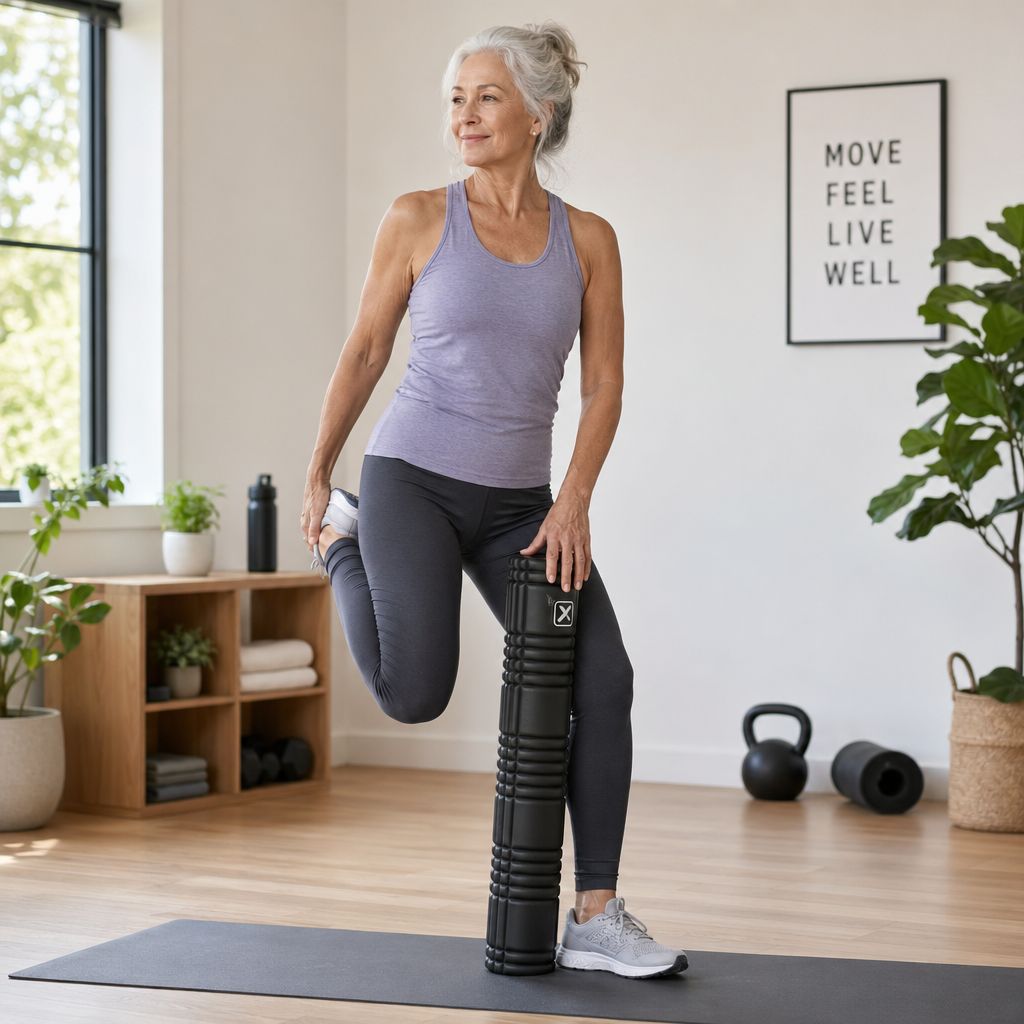
The timing of your fascia work relative to stretching matters more than you might think. Release work before stretching prepares the tissue to lengthen more effectively. You’ll get better results and the improvements tend to last longer.
Try this sequence: spend five minutes doing ball or roller work on a specific area, then immediately perform gentle stretches for that same region. For example, after rolling your calves, do standing calf stretches against a wall. The fascia is more pliable right after release work. This approach helps you avoid common flexibility mistakes that limit your progress.
Active stretching combined with fascia release produces excellent results. After rolling your hip area with a ball, do some standing hip circles or gentle leg swings. This helps retrain the fascial system to allow the new range of motion you’ve created.
Consistency beats intensity with fascia work. Ten minutes of daily release techniques will transform your flexibility more than an hour-long session once a week. Your fascia adapts gradually to regular input, so make this part of your daily routine like brushing your teeth.
Benefits You Can Expect for Mobility and Comfort
Most people notice changes within the first week of regular fascia release work. You might find that getting out of bed feels easier, or that turning to check your blind spot while driving doesn’t require as much effort. These small improvements add up significantly.
Better posture often emerges naturally as fascial restrictions release. When the tissue around your spine and shoulders can slide freely, your body finds its optimal alignment with less conscious effort. You’ll probably notice you don’t slump as much by the end of the day.
Many seniors report reduced discomfort in chronic problem areas after several weeks of consistent fascia work. While this isn’t a medical treatment, releasing fascial adhesions can reduce the compensation patterns that often contribute to ongoing aches and pains.

Trigger Point Therapy Workbook
This guide helps you identify exactly where to focus your fascia release work for specific mobility issues
Your balance may improve too. Fascial restrictions in your feet and ankles can interfere with proprioception, your body’s sense of where it is in space. Regular foot rolling enhances this important sense, which helps prevent falls.
Frequently Asked Questions
How long should I hold pressure on tender spots during fascia release?
Aim for 30 to 90 seconds on any particularly tender area. You should feel the tissue gradually soften and the discomfort decrease. If the pain increases or doesn’t change after two minutes, move to a different spot and return to that area another day. Your fascia releases at its own pace, and forcing it doesn’t help.
Is it normal to feel sore after fascia release work?
Mild soreness similar to post-exercise achiness is completely normal, especially when you first start. This should fade within 24 hours. Drink plenty of water after your sessions to help flush out metabolic waste products. If you experience sharp pain or soreness that lasts more than two days, you’ve worked too aggressively. Scale back the pressure and duration.
Can I do fascia release work if I have arthritis or osteoporosis?
Generally yes, but with modifications. Avoid rolling directly over arthritic joints, and instead work the surrounding muscles and fascia. For osteoporosis, skip rolling on your spine and focus on limbs and feet where bone density concerns are less critical. A softer massage ball reduces pressure while still providing benefits. Always check with your doctor before starting any new physical practice if you have specific health conditions.