Hip replacement surgery can be life-changing, but the recovery period requires patience and careful attention to your body’s needs. You’ll progress through distinct phases, each with specific exercises and precautions designed to protect your new joint while building strength and mobility.
Understanding what you can and can’t do during recovery makes all the difference between a smooth return to activity and potential setbacks. Let’s break down the timeline, exercises, and essential precautions that will guide your journey back to normal movement.
Understanding Hip Precautions
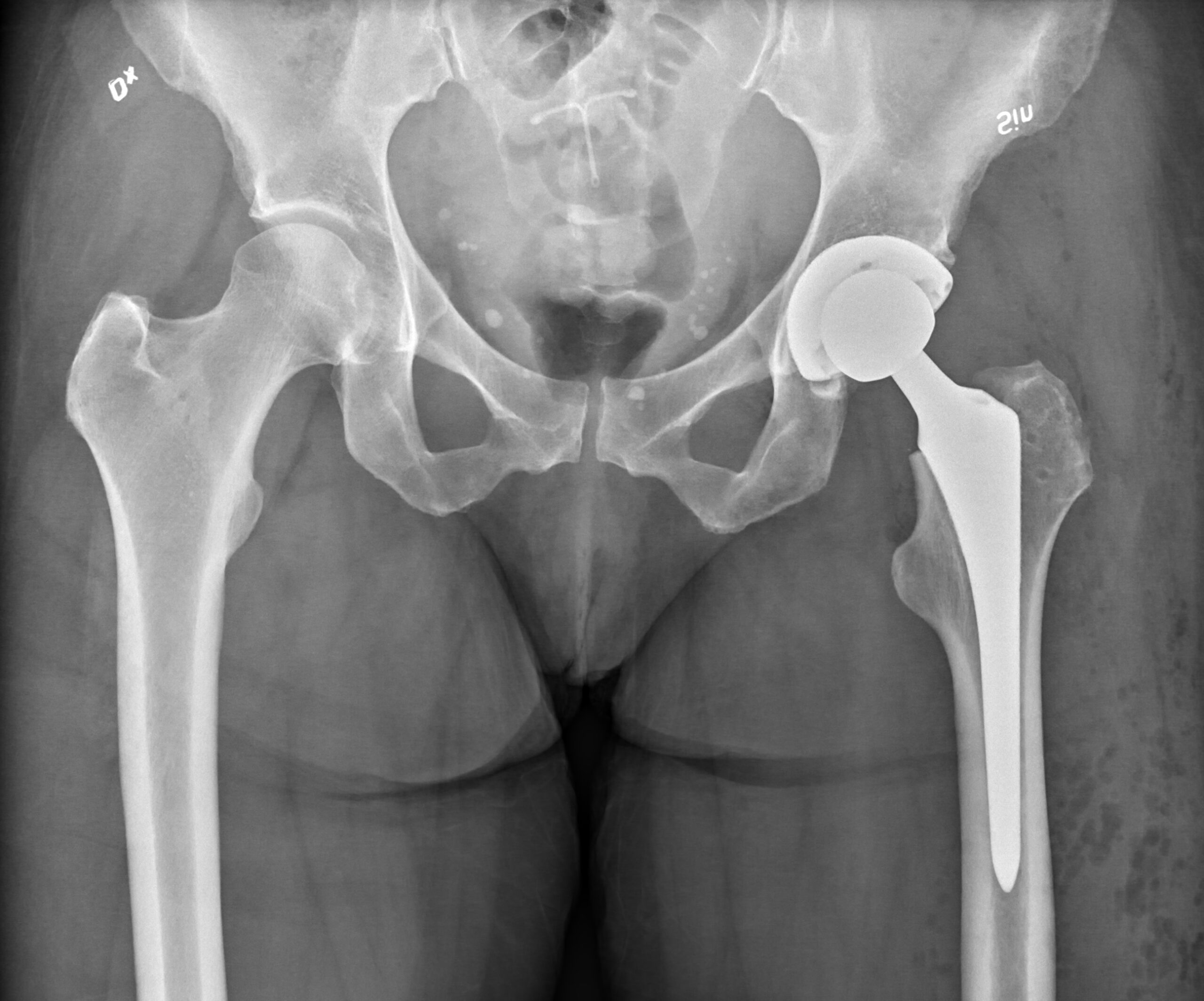
Your surgeon will likely discuss the three main hip precautions that protect your new joint during the critical healing phase. These typically apply for 6-12 weeks post-surgery, though your specific timeline depends on your surgical approach and individual healing.
First, avoid hip flexion beyond 90 degrees. This means no bending at the hip past a right angle when sitting, standing, or exercising. Second, don’t cross your legs or allow your operated leg to move past the midline of your body. Third, avoid internal rotation by keeping your toes pointed forward or slightly outward rather than turning your knee inward.
These precautions prevent dislocation while the soft tissues around your new hip heal. Some surgeons using the anterior approach may have modified restrictions, so always follow your specific post-operative instructions.
A raised toilet seat and sock aid become essential tools during this period, helping you maintain precautions during daily activities.
Sleeping Positions and Bed Safety
Sleep position matters more than you might think during hip replacement recovery. For the first 6-8 weeks, you’ll need to sleep on your back or on your non-operated side with a pillow between your legs.
The pillow between your knees prevents accidental crossing of your legs while you sleep and keeps your hip in proper alignment. Choose a firm pillow that won’t compress completely during the night. Some people find wedge-shaped pillows work better than standard bed pillows.

Hip Abduction Pillow
Specifically designed to maintain proper leg separation during sleep after hip surgery.
Getting in and out of bed requires technique too. Sit on the edge of the bed first, then lift both legs together onto the mattress while keeping your operated leg slightly forward. Reverse the process when getting up. A bed rail provides stability during these transitions.
Phase 1: Immediate Post-Op (0-2 Weeks)

Your first exercises begin in the hospital, often within hours of surgery. These gentle movements prevent blood clots and maintain circulation without stressing your new hip.
Ankle pumps involve flexing and pointing your foot 10-15 times every hour while awake. Quad sets require tightening your thigh muscle for 5 seconds, then releasing. You can do these lying down or sitting. Gluteal sets work similarly, squeezing your buttocks for 5 seconds at a time.
Short walks with your walker or crutches happen multiple times daily, even if just to the bathroom and back. You’ll gradually increase distance as tolerated. Physical therapy will guide your progression, but expect to walk 5-10 minutes several times per day by week two.
Heel slides help maintain knee and hip flexibility. Lying on your back, slowly slide your operated leg’s heel toward your buttocks, bending the knee while keeping your heel on the bed. Stop well before 90 degrees of hip flexion and return to starting position. Repeat 10 times, 2-3 times daily.
Phase 2: Early Recovery (2-6 Weeks)
You’ll advance to standing exercises during this phase while continuing your earlier movements. Hip abduction strengthens the muscles that stabilize your pelvis and prevent the Trendelenburg gait pattern common after hip replacement.
Standing hip abduction involves standing at a counter or using your walker for support, then lifting your operated leg out to the side 6-8 inches. Keep your toes pointed forward and avoid leaning. Lower slowly and repeat 10 times. Work up to 3 sets twice daily.
Standing hip extension targets your gluteal muscles. Using the same support, keep your knee straight and lift your leg backward 6-8 inches without arching your lower back. This exercise directly improves your walking pattern.

Resistance Bands for Physical Therapy
Light resistance bands add progressive challenge to hip strengthening exercises as you advance.
Mini squats can begin around week 4-6 with your therapist’s approval. Stand holding a stable surface, feet shoulder-width apart. Bend your knees slightly, sitting back as if starting to sit in a chair. Only go down 4-6 inches initially, maintaining hip precautions. Stand back up and repeat 10 times.
Walking duration increases to 15-20 minutes, 3-4 times daily. You might transition from a walker to a cane during this phase, typically using it on your non-operated side.
Phase 3: Intermediate Recovery (6-12 Weeks)
Most people receive clearance to discontinue hip precautions around 8-12 weeks, though this varies. Your physical therapist will assess your healing and tissue stability before advancing exercises.
Once cleared, you can add step-ups using a 4-6 inch step or sturdy box. Step up with your operated leg, bring your other leg up to meet it, then step down leading with the non-operated leg. This builds single-leg strength crucial for stairs and uneven surfaces. Start with 5-10 repetitions and progress to 2-3 sets.
Clamshells strengthen the hip external rotators. Lie on your non-operated side with knees bent and feet together. Keeping feet touching, lift your top knee while maintaining contact between your feet. Lower slowly. This exercise corrects the internal rotation tendency some people develop.
Bridge exercises engage your glutes and hamstrings. Lie on your back with knees bent and feet flat. Lift your hips toward the ceiling, creating a straight line from knees to shoulders. Hold 3-5 seconds and lower. Progress to single-leg bridges once the double-leg version feels easy.
Your walking tolerance should reach 30-45 minutes continuously by week 12. Many people return to swimming and stationary cycling during this phase, which provide low-impact cardiovascular conditioning. If you experience persistent discomfort, learning about gentle movements that help manage hip pain can complement your recovery exercises.
Phase 4: Advanced Recovery (3-6 Months)
By three months, you’re working on endurance, balance, and returning to recreational activities. Your strength should be noticeably improved, though full recovery takes 6-12 months.
Single-leg stance exercises improve balance and stability. Stand near a counter for safety and lift your non-operated leg off the ground. Hold for 10-30 seconds, working up to 1 minute. Progress by closing your eyes or standing on an unstable surface like a foam pad.
Lateral band walks with a resistance loop around your thighs strengthen the hip abductors functionally. Take 10-15 steps sideways in each direction, maintaining tension in the band. This exercise translates directly to improved walking stability.
Lunges can begin around 4-5 months with proper form and no pain. Start with static lunges before progressing to walking lunges. These prepare you for recreational activities requiring multi-directional movement.
Most people return to golf, doubles tennis, hiking, and dancing between 4-6 months. High-impact activities like running or singles tennis require discussion with your surgeon, as these may accelerate implant wear over time. For those recovering from other joint replacements, understanding exercise modifications specific to each recovery process can be helpful.
Improving Your Gait Pattern
Many people develop compensatory walking patterns before surgery due to pain and limited mobility. These habits don’t automatically disappear after your new hip is in place.
Focus on equal stride length between legs. Your operated leg’s step should match your non-operated leg’s distance. Practice in front of a mirror or have someone video your walking to identify asymmetries.
Work on heel-to-toe rollthrough rather than flat-footed steps. Your heel should strike first, then roll through to push off with your toes. This natural gait pattern reduces stress on your hip and improves efficiency.
Trunk and arm swing matter too. Avoid holding your body rigid or keeping your arms still. Natural arm swing opposite to leg movement reduces energy expenditure and looks more natural.
Frequently Asked Questions
When can I drive after hip replacement surgery?
Most people can drive 4-6 weeks after surgery if it’s their left hip, or 6-8 weeks for a right hip replacement. You need to be off narcotic pain medication, have adequate strength to perform an emergency stop, and feel comfortable with the hip rotation required to get in and out of the car. Always check with your surgeon before resuming driving, and consider practicing in an empty parking lot first.
How long will I need to use a walking aid?
Typical progression goes from walker (1-2 weeks) to cane (2-6 weeks) to walking independently around 6-8 weeks. Some people move faster or slower depending on strength, balance, and tissue healing. Your physical therapist will assess your gait pattern and stability before clearing you to walk unassisted. Using a cane longer than needed can actually slow your recovery by preventing normal weight-bearing.
Can I kneel or squat after my hip heals?
After your hip precautions are lifted (typically 8-12 weeks), you can gradually work toward kneeling and deeper squatting. Start with partial ranges and progress slowly. Many people resume gardening, playing with grandchildren on the floor, and other activities requiring these positions by 4-6 months. Listen to your body and avoid any movements that cause pain or clicking sensations in your hip.
This article contains affiliate links. We may earn a small commission at no extra cost to you.