Your body can’t make omega-3 fatty acids on its own, which makes them an essential part of your diet. For seniors especially, these healthy fats play a critical role in keeping your heart strong, your brain sharp, and inflammation under control. As you age, getting enough omega-3s becomes even more important, but figuring out the best sources and proper amounts can feel confusing.
Let’s break down what you need to know about omega-3s, from the different types to the best ways to get them into your daily routine.
Understanding EPA vs. DHA: The Two Types That Matter Most
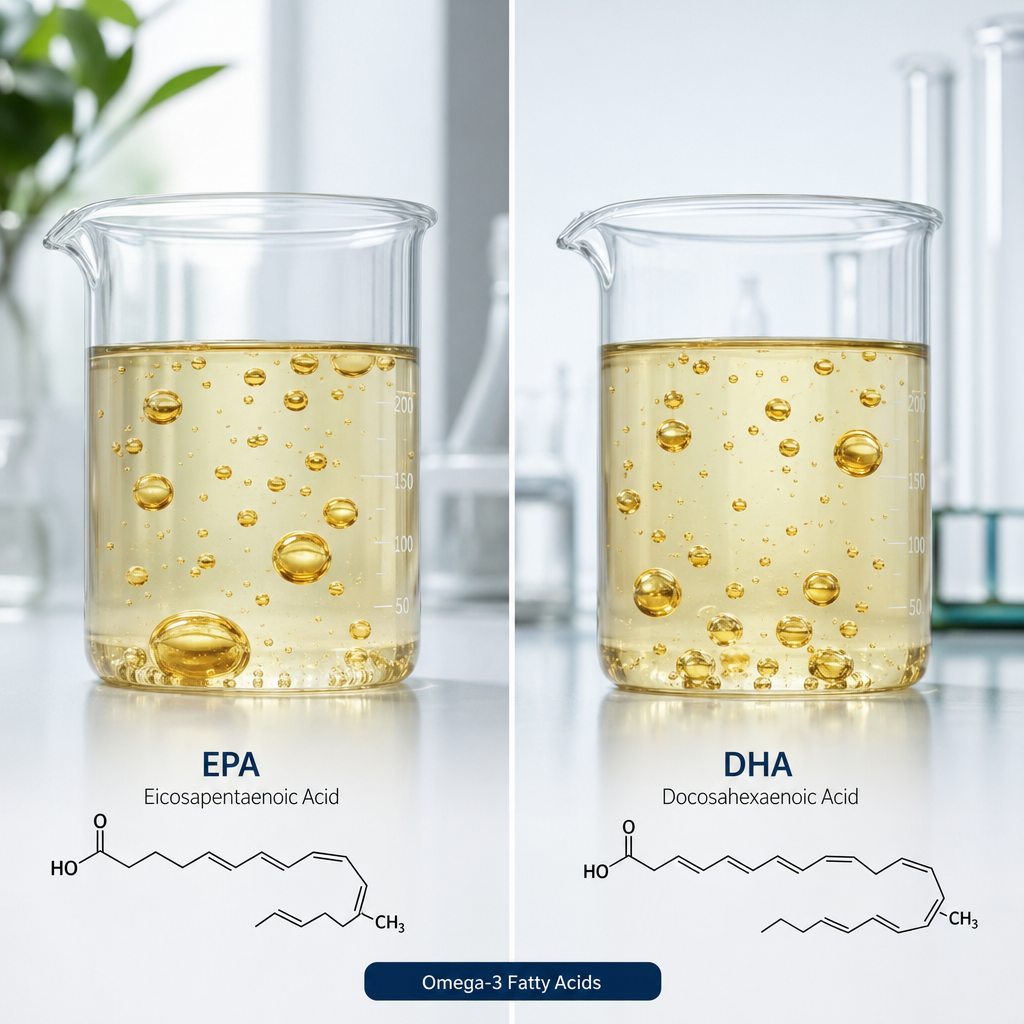
Not all omega-3s are created equal. The two types that provide the most health benefits are EPA (eicosapentaenoic acid) and DHA (docosahexaenoic acid). Both come primarily from fish and seafood.
EPA is your inflammation fighter. It helps reduce chronic inflammation throughout your body, which is linked to heart disease, arthritis, and other age-related conditions. DHA focuses more on brain health and cognitive function. Your brain is about 60% fat, and DHA makes up a large portion of that.
Most research suggests seniors need both types, though some conditions may benefit from higher amounts of one or the other. For general health, look for supplements or food sources that provide both EPA and DHA in good amounts.
Key Health Benefits for Seniors
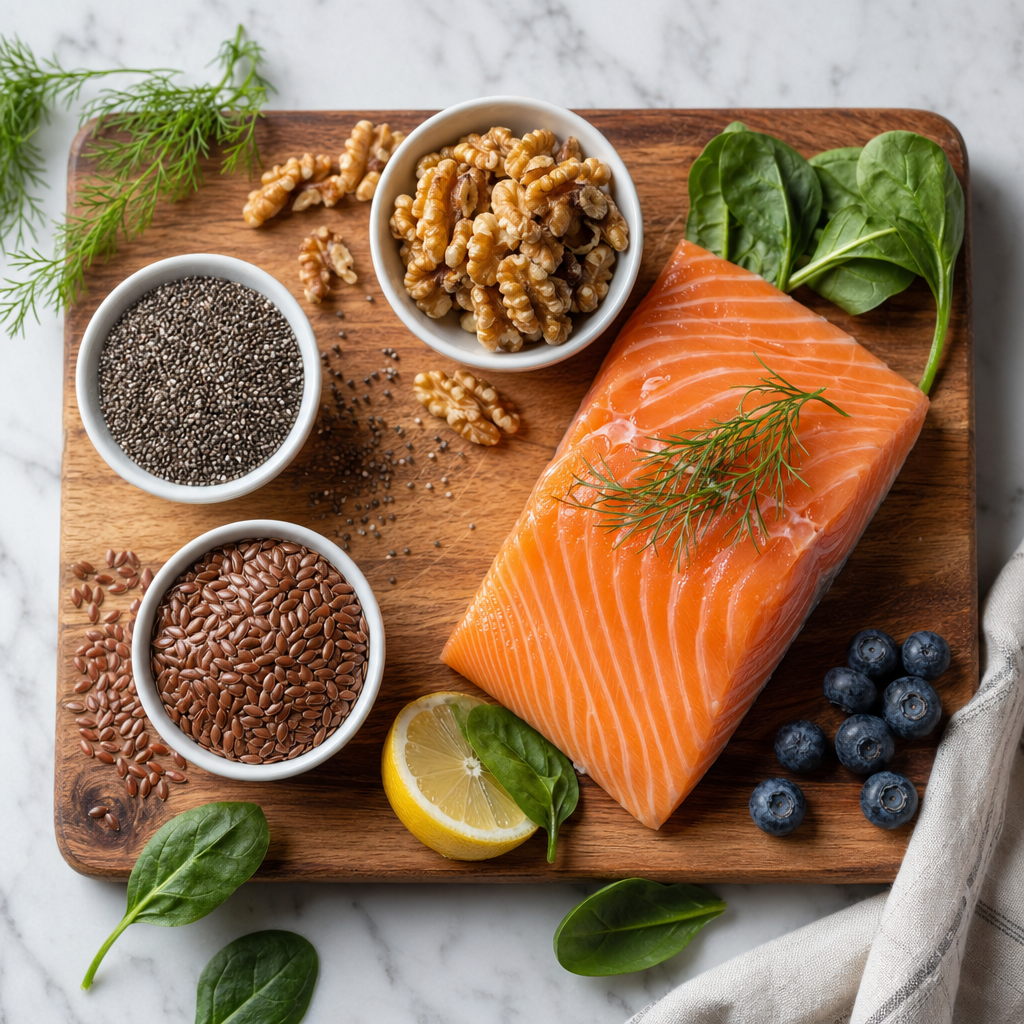
The cardiovascular benefits of omega-3s are backed by decades of research. Regular intake can help lower triglyceride levels, reduce blood pressure slightly, and decrease the risk of irregular heartbeats. For seniors with existing heart conditions, omega-3s may help prevent further complications.
Your brain benefits too. Studies show that higher omega-3 levels are associated with better memory, slower cognitive decline, and potentially lower risk of Alzheimer’s disease. While omega-3s won’t cure dementia, they may help maintain brain function as you age.
For joint pain and stiffness, omega-3s work as natural anti-inflammatory agents. Many seniors report reduced arthritis symptoms after several months of consistent omega-3 intake. Combining omega-3s with a regular yoga practice can further enhance flexibility and reduce inflammation.
Best Food Sources vs. Supplements
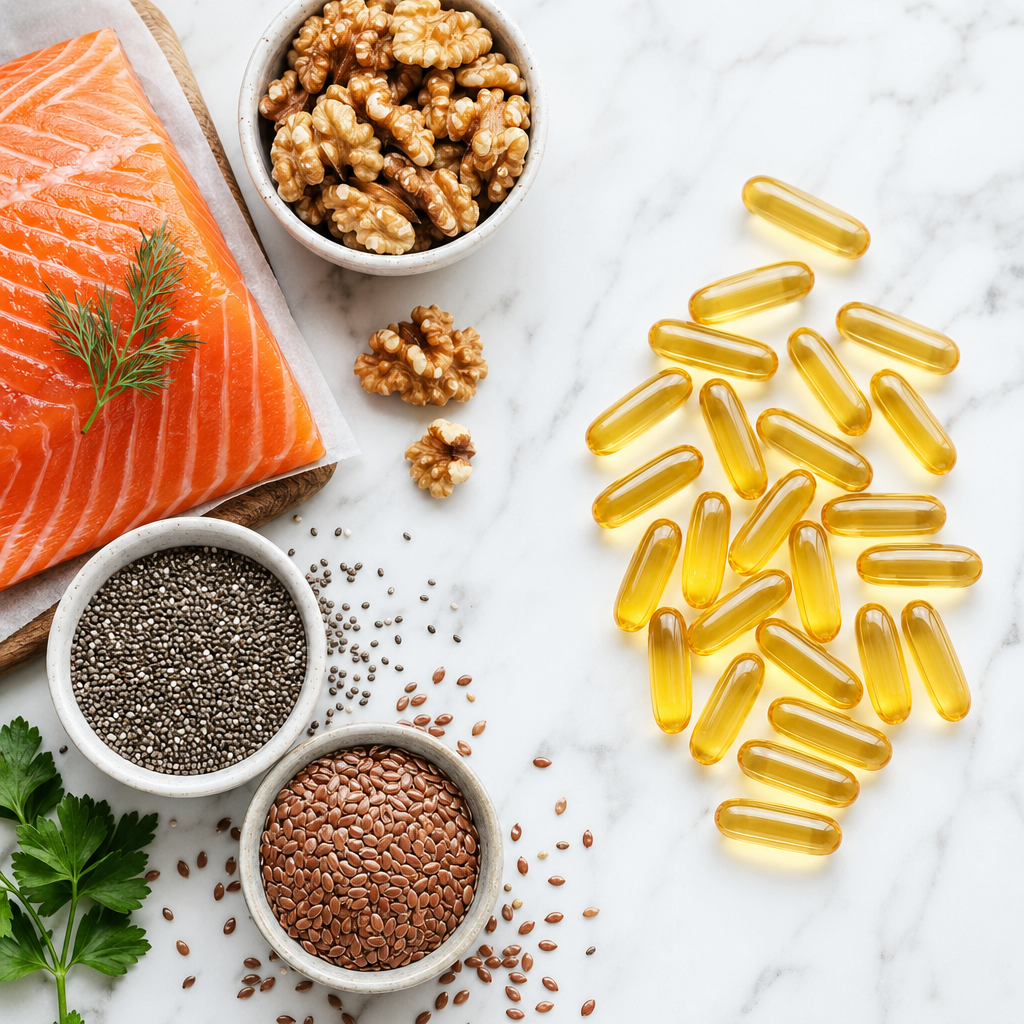
Fatty fish like salmon, mackerel, sardines, and herring are your best food sources. Two servings per week of fatty fish can provide substantial amounts of EPA and DHA. Canned salmon and sardines work just as well as fresh fish and they’re often more budget-friendly.
Plant sources like flaxseed, chia seeds, and walnuts contain ALA (alpha-linolenic acid), a different type of omega-3. Your body can convert some ALA to EPA and DHA, but the conversion rate is low, usually under 10%. You shouldn’t rely on plant sources alone if you want the full benefits. Including nutrient-dense foods like soaked almonds in your diet provides additional healthy fats and vitamin E.
Supplements fill the gap when you can’t eat enough fish. Fish oil supplements are the most common option, providing concentrated doses of EPA and DHA in capsule form.

Nordic Naturals Ultimate Omega
Third-party tested for purity and offers excellent EPA/DHA ratios for senior health needs
Krill oil is another option, though it typically costs more than standard fish oil. Some people prefer it because it may cause less fishy aftertaste. Algae-based supplements work well for vegetarians and provide DHA directly without fish.
Proper Dosing and Safety for Seniors
Most health organizations recommend at least 250-500mg of combined EPA and DHA daily for general health. Seniors with heart disease or high triglycerides may benefit from higher doses, typically 1,000-2,000mg per day.
Start with lower doses and work your way up to avoid digestive upset. Taking fish oil with meals helps reduce any stomach discomfort.
Here’s where you need to be careful: omega-3s can thin your blood slightly. This isn’t necessarily bad, but it matters if you’re already taking blood thinners like warfarin, Plavix, or even daily aspirin. High doses of omega-3s combined with these medications could increase bleeding risk.
Always talk to your doctor before starting omega-3 supplements, especially if you take any blood-thinning medications. Your doctor may want to monitor your blood work or adjust your medication doses. Surgery is another consideration. Many surgeons recommend stopping fish oil supplements one to two weeks before any procedure.
Pill organizers can help you stay consistent with your daily omega-3 routine without taking too much.

Carlson Elite Omega-3 Gems
High-potency option with excellent quality standards, ideal for seniors needing higher therapeutic doses
Frequently Asked Questions
How long does it take to see benefits from omega-3 supplements?
You won’t notice changes overnight. Most people need 6-12 weeks of consistent use before experiencing noticeable benefits like reduced joint stiffness or improved cognitive function. Blood lipid improvements can show up in lab work within 4-6 weeks. Stick with it for at least three months before deciding if omega-3s are helping.
Can I get too much omega-3?
Yes, though it’s rare from food sources alone. Very high doses above 3,000mg per day can increase bleeding risk and may suppress immune function. Some people experience digestive issues, fishy burps, or loose stools with high doses. Stick to recommended amounts unless your doctor specifically advises otherwise for a medical condition. Pairing omega-3s with other heart-healthy foods like fiber-rich apples and protein-packed groundnuts creates a well-rounded nutritional approach.
This article contains affiliate links. We may earn a small commission at no extra cost to you.
Related Articles
- Daily Benefits of Eating Soaked Almonds for Senior Health
- How Apples Support Heart Health and Cognitive Function
- Nutritional Benefits of Groundnuts for Seniors
- Daily Yoga Benefits for Senior Wellness and Mobility