A fall in the bathroom can change everything overnight. For seniors, bathroom falls are one of the leading causes of serious injury, and the shower and toilet area are the two most dangerous spots in the house. A well-placed grab bar can be the difference between a close call and a trip to the emergency room. The good thing is that installing them doesn’t have to be complicated or expensive.
This guide breaks down the most important things to know before you buy: suction vs. screw-mounted bars, weight ratings, where to put them, and which products are actually worth purchasing. If balance is already a concern for you, also check out these vertigo and balance exercises for seniors to work on stability from the inside out as well.
Suction vs. Screw-Mounted Grab Bars: Which One Should You Get?

This is the first decision most people face, and the answer is pretty clear: screw-mounted bars are safer for permanent use, full stop. Suction cups can lose grip due to humidity, tile texture, or normal wear. They’re fine as a temporary measure or for travel, but they shouldn’t be your main line of defense at home.
Screw-mounted bars anchor directly into wall studs or with toggle bolts designed for tile and drywall. A properly installed bar won’t budge. If you’re recovering from a procedure like a hip or knee replacement, a secure screw-mounted bar is especially critical. Many people in post-surgical rehab rely on these daily, and a suction bar failure at the wrong moment is a serious risk.
When Suction Bars Make Sense
Suction grab bars do have a place. They’re useful for hotel bathrooms, short-term rentals, or visiting family. Some people also use them while waiting for a permanent installation. Look for models rated for at least 250 lbs with a locking suction indicator. But always treat them as temporary, not permanent.
For a reliable suction option to keep in your travel bag, the suction cup grab bar for shower category on Amazon has several well-reviewed models worth comparing.
Weight Ratings and What They Actually Mean

Most grab bars are rated between 250 and 500 lbs. A higher rating means more hardware and stronger anchoring, not just a sturdier bar. The ADA (Americans with Disabilities Act) standard requires grab bars to support at least 250 lbs of force applied in any direction. That’s a minimum, not a goal.
If you’re a larger individual, or if the bar will be used by multiple people, look for bars rated at 300 to 500 lbs. Stainless steel bars from brands like Moen, Delta, and Seachrome consistently perform well in this range and are easy to find. The finish matters too. Brushed nickel and chrome both resist moisture well, but brushed finishes hide water spots better and tend to look cleaner longer.

Moen Grab Bar for Shower and Bathtub
Moen is a trusted plumbing brand with a strong reputation for quality hardware and bars that meet ADA standards for weight and grip.
For seniors working on building hand and grip strength to better use assistive equipment, this article on grip strength exercises for hand function and independence is a great companion resource.
Where to Place Grab Bars in the Bathroom

Placement matters as much as the bar itself. A bar installed in the wrong spot won’t get used, or worse, will be grabbed at an awkward angle that causes more harm than good.
Shower and Tub
- Entry/exit bar: Mount vertically near the shower door or tub edge at about 33 to 36 inches from the floor. This is the bar you grab while stepping in and out.
- Balance bar: A horizontal bar on the side wall at 33 to 36 inches gives you something to hold while standing and washing.
- Angled bar: A 45-degree angled bar on the back wall covers both the up-and-down and side-to-side motion, making it one of the most versatile options you can add.

Delta Angled Grab Bar for Shower
Delta makes a well-regarded angled bar that works for both shower entry and in-shower balance, with a solid ADA-compliant weight rating.
Near the Toilet
Mount a bar on the side wall closest to the toilet at about 33 to 36 inches high and 6 inches in front of the toilet seat edge. This is the bar you use to lower and raise yourself. Some people also benefit from a floor-to-ceiling safety pole or a toilet safety frame if wall space is limited.
Bone health plays a role here too. Seniors dealing with osteoporosis are at higher fracture risk from falls, so grab bar installation is especially important in that population.
When to Hire a Professional
If your tile is old, cracked, or you’re not sure where the studs are, hire someone. A bar installed into hollow drywall without proper anchors can pull right out of the wall when you need it most. The cost of a handyman visit is trivial compared to an ER bill.
Many local senior services organizations offer free or low-cost home modification assistance. Your area agency on aging is a good starting point. Some Medicare Advantage plans also cover home safety modifications, so it’s worth checking your plan details.
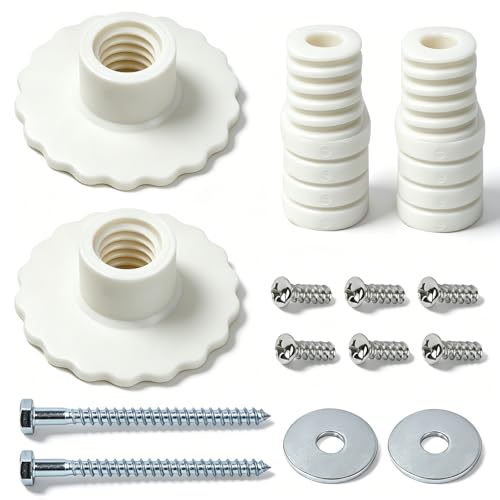
Bathroom Grab Bar Installation Kit with Hardware
If you’re doing a DIY install, a kit with the right toggle bolts and anchors for tile makes a secure mount much more achievable.
If you’re a caregiver helping a family member set up their bathroom, this guide on caregiver fitness and staying healthy while caring for others may also be helpful as you navigate physical demands of the role.
Frequently Asked Questions
Can I install a grab bar myself, or do I need a contractor?
Many people successfully install grab bars as a DIY project if they can locate studs and feel confident with a drill. The key is making sure the bar anchors into a stud or uses proper toggle bolts rated for the load. If you’re dealing with old ceramic tile, fiberglass surrounds, or if you’re unsure about the wall structure, having a professional do it is the smarter call.
How many grab bars does a typical bathroom need?
Most bathrooms need at least two: one near the toilet and one in the shower or tub area. A more complete setup adds a vertical bar at the shower entry, a horizontal or angled bar inside the shower, and a bar on the toilet side wall. If budget is a concern, start with the toilet and shower entry bars first since those cover the highest-risk moments.