Being a caregiver is one of the most physically and emotionally demanding roles anyone can take on. Between lifting, transferring, assisting with daily activities, and managing the constant mental load, it’s easy to let your own fitness slide. You’re so focused on someone else’s health that your own becomes an afterthought. But here’s what most caregivers learn the hard way: you can’t pour from an empty cup, and staying strong isn’t selfish. It’s essential.
The truth is, maintaining your fitness as a caregiver isn’t just about looking good or hitting arbitrary health goals. It’s about preventing injuries, managing stress, and having the physical stamina to provide quality care for months or years to come. Let’s talk about how to make that happen, even when time is your scarcest resource.
Understanding the Physical Toll of Caregiving
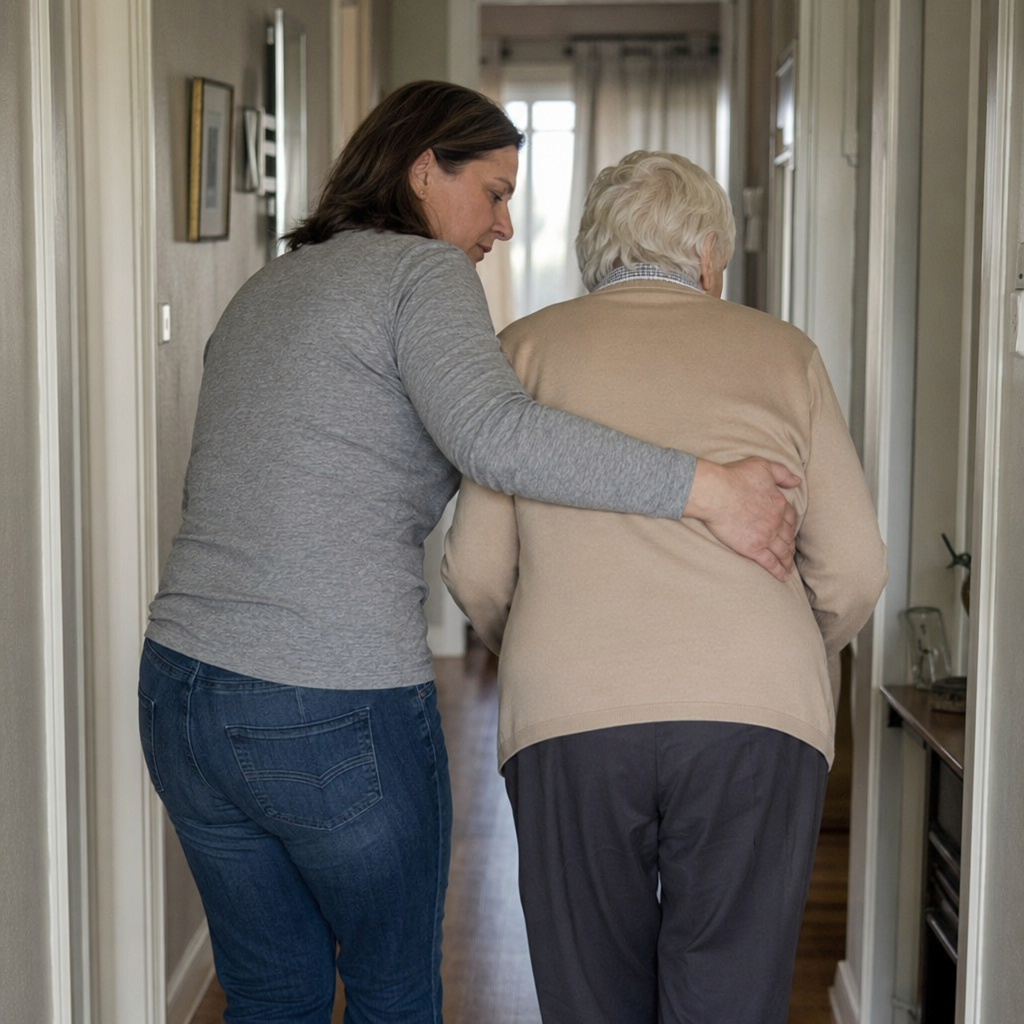
Caregiving puts unique strain on your body. You’re not just sitting at a desk or walking around. You’re bending, lifting, reaching, supporting another person’s weight, and often doing it in awkward positions. Studies show that caregivers have significantly higher rates of back pain, shoulder injuries, and repetitive strain injuries compared to the general population.
Add chronic sleep deprivation and elevated stress hormones to the mix, and you’ve got a recipe for declining health. Your cortisol levels stay elevated, your immune system weakens, and inflammation increases. This isn’t meant to scare you. It’s meant to validate what you already feel in your body and reinforce why prioritizing movement matters.
Quick Workouts That Fit Your Schedule
You don’t need an hour at the gym. You need efficient movement that strengthens the muscles you actually use and can be done in the gaps between caregiving tasks. Ten minutes here and there adds up, and consistency beats intensity when you’re working with limited time.
The Five-Minute Core Routine
Your core stabilizes every movement you make while caregiving. Try this sequence while your care recipient is resting or during a supervised activity: 30 seconds of plank, 15 side plank holds on each side, 20 standing knee raises, and 30 seconds of bird dogs on each side. Repeat twice if you have time.
Keep a non-slip yoga mat rolled up in a convenient spot so you can drop down for quick floor work without the setup becoming a barrier.
Exercises While Supervising
Some of the best caregiver workouts happen while you’re actively with your care recipient. Standing exercises like calf raises, wall push-ups, squats holding onto a counter, and standing leg lifts can all be done while keeping eyes on someone. You can even turn it into a shared activity if your care recipient has any mobility. If they’re able to participate, water-based exercises can be an excellent low-impact option that you can do together.

Resistance Bands Set
Perfect for quick strength training sessions that pack away instantly when caregiving duties call.
Resistance bands are particularly valuable because they take up almost no space and let you work your entire body. Keep a set looped over a doorknob or chair for instant access. Twenty squats with band resistance, ten rows, and ten chest presses take less than three minutes but maintain crucial strength.
Proper Lifting Techniques to Prevent Injury
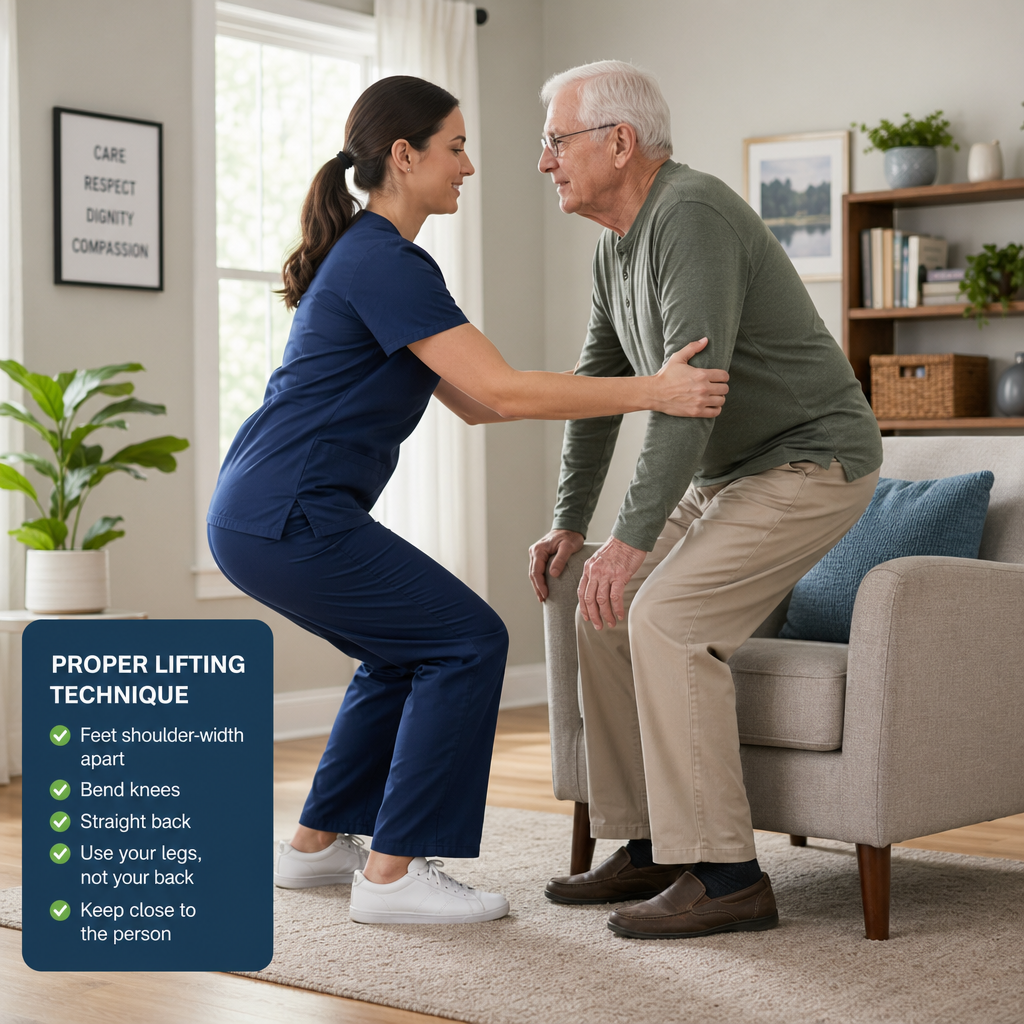
This is where most caregiver injuries happen. You know the basics, but let’s get specific because poor form under fatigue causes most problems. Your legs should do the work, not your back. Always face the person directly rather than twisting at the waist. Get close before lifting. Keep your core engaged throughout the movement.
Before any transfer, take two seconds to position your feet shoulder-width apart with one slightly ahead of the other for stability. Bend at your hips and knees, never just your waist. If you’re already feeling strain, stop and reposition rather than pushing through. That moment of stubbornness leads to weeks of pain.
Consider using a transfer gait belt for any assisted walking or transfers. It gives you a secure grip point and better leverage while reducing strain on your hands, wrists, and lower back.
Strengthen Your Lifting Muscles
The best injury prevention is having strong glutes, hamstrings, and core muscles. Deadlifts with light dumbbells, goblet squats, and glute bridges directly translate to safer caregiving movements. Practice the movement pattern with light weight so your body defaults to good form when you’re tired and transferring a person.

Adjustable Dumbbells
Space-saving solution that lets you progress your strength training without cluttering your home with multiple weights.
Stress Relief Through Movement
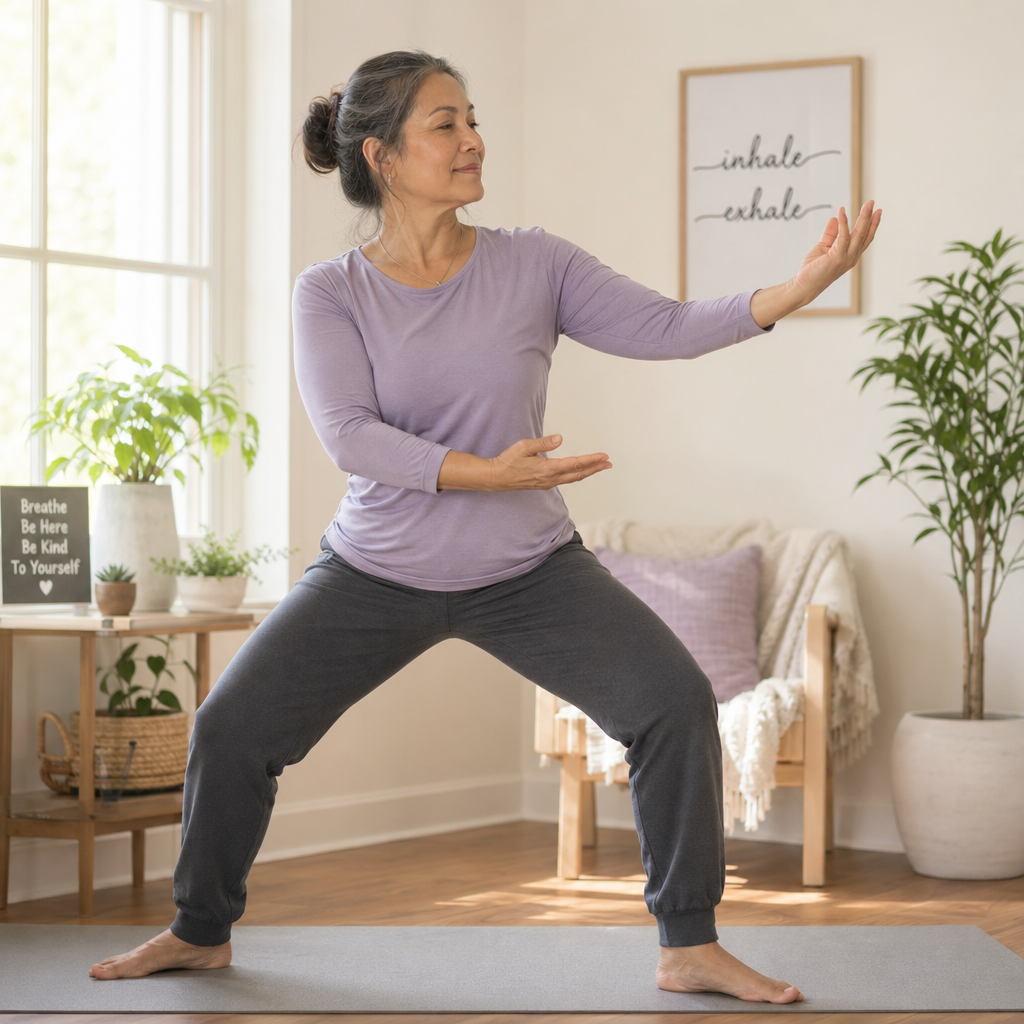
Physical activity is one of the fastest ways to lower cortisol and shift your nervous system out of constant fight-or-flight mode. You need this even more than traditional exercise. When stress is chronic, gentle movement often works better than intense workouts.
Walking remains underrated. A 10-minute walk around the block after a difficult caregiving moment does more for your mental health than scrolling social media for 30 minutes. The change of scenery, fresh air, and rhythmic movement all signal your body to calm down.
Gentle stretching and basic yoga poses release physical tension that accumulates in your neck, shoulders, and hips. Child’s pose, cat-cow stretches, and seated spinal twists can be done in pajamas before bed or first thing in the morning. A foam roller helps release stubborn knots in your back and legs.
Breathing Exercises You Can Do Anywhere
Box breathing takes 90 seconds and drops your heart rate noticeably. Inhale for four counts, hold for four, exhale for four, hold for four. Repeat five times. You can do this while sitting beside a hospital bed, waiting for an appointment, or lying awake at 3 AM worrying.

Meditation Cushion
Creates a dedicated spot for brief stress-relief practices, making it easier to establish a consistent decompression routine.
Building a Sustainable Self-Care Routine
The word “routine” might make you laugh when every day looks different depending on medical appointments, crisis moments, and unpredictable needs. But that’s exactly why you need flexible self-care strategies rather than rigid schedules.
Think in terms of non-negotiables versus bonus activities. Your non-negotiables might be five minutes of stretching every morning and a 10-minute walk three times per week. Everything else is bonus. This mental shift prevents the all-or-nothing thinking that leads to abandoning fitness entirely when you miss a planned workout.
Pair movement with existing habits. Do calf raises while brushing your teeth. Practice balance exercises while waiting for coffee to brew. Do neck rolls and shoulder shrugs every time you wash your hands. These micro-habits accumulate into significant movement throughout the day. Supporting your overall wellness with natural supplements that boost energy can also help you maintain stamina during demanding caregiving days.
When to Ask for Help
Taking an hour for yourself to exercise isn’t abandoning your responsibilities. Arrange respite care, even just for 60 minutes twice a week, so you can move without divided attention. Many caregivers report that this time away makes them more patient and present when they return.
Local support groups, religious organizations, and caregiver resources often provide temporary relief specifically so you can attend to your health. Use it. Your care recipient benefits from you being stronger and less stressed.
Frequently Asked Questions
How much exercise do caregivers really need to stay healthy?
You need less than you think, but more consistency than most people manage. Aim for 20-30 minutes of moderate movement most days, which can be broken into smaller chunks. Two 10-minute walking breaks and five minutes of strength work hits that target. Focus on maintaining strength in your legs, core, and back since those areas take the most caregiving strain.
What’s the single best exercise for preventing caregiver back pain?
The bird dog exercise strengthens your core stability and teaches your body to maintain a neutral spine while moving your limbs, which directly translates to safer lifting and transferring. Practice it daily, focusing on keeping your lower back still while extending opposite arm and leg. Dead bugs and planks are close seconds.
How can I stay motivated to exercise when I’m exhausted from caregiving?
Reframe exercise as energy management rather than energy expenditure. Gentle movement actually reduces fatigue by improving circulation and releasing endorphins. Start absurdly small with just two minutes of stretching or one walk around your house. Once you’re moving, you’ll often continue, but even if you don’t, two minutes still counts. Track your mood before and after movement to see the mental health benefits, which often provides more motivation than physical changes. Additionally, incorporating nutrient-rich foods that support digestion and heart health can improve your overall energy levels and make it easier to stay active.
This article contains affiliate links. We may earn a small commission at no extra cost to you.