Choosing a fitness tracker sounds simple until you’re squinting at a tiny screen, fumbling with a confusing app, or watching the battery die after two days. For seniors, those frustrations aren’t just annoying — they’re the reason most trackers end up in a drawer. The best fitness tracker for you in 2026 is the one you’ll actually wear every day, and that means it needs to be readable, reliable, and easy to set up from the start.
This guide cuts through the clutter. We’ll compare the top options by screen size, interface simplicity, step and heart rate accuracy, and battery life — the four things that matter most. Whether you’re tracking daily walks, monitoring your heart health, or just want a nudge to move more, there’s a solid option here for you.
What Seniors Actually Need in a Fitness Tracker
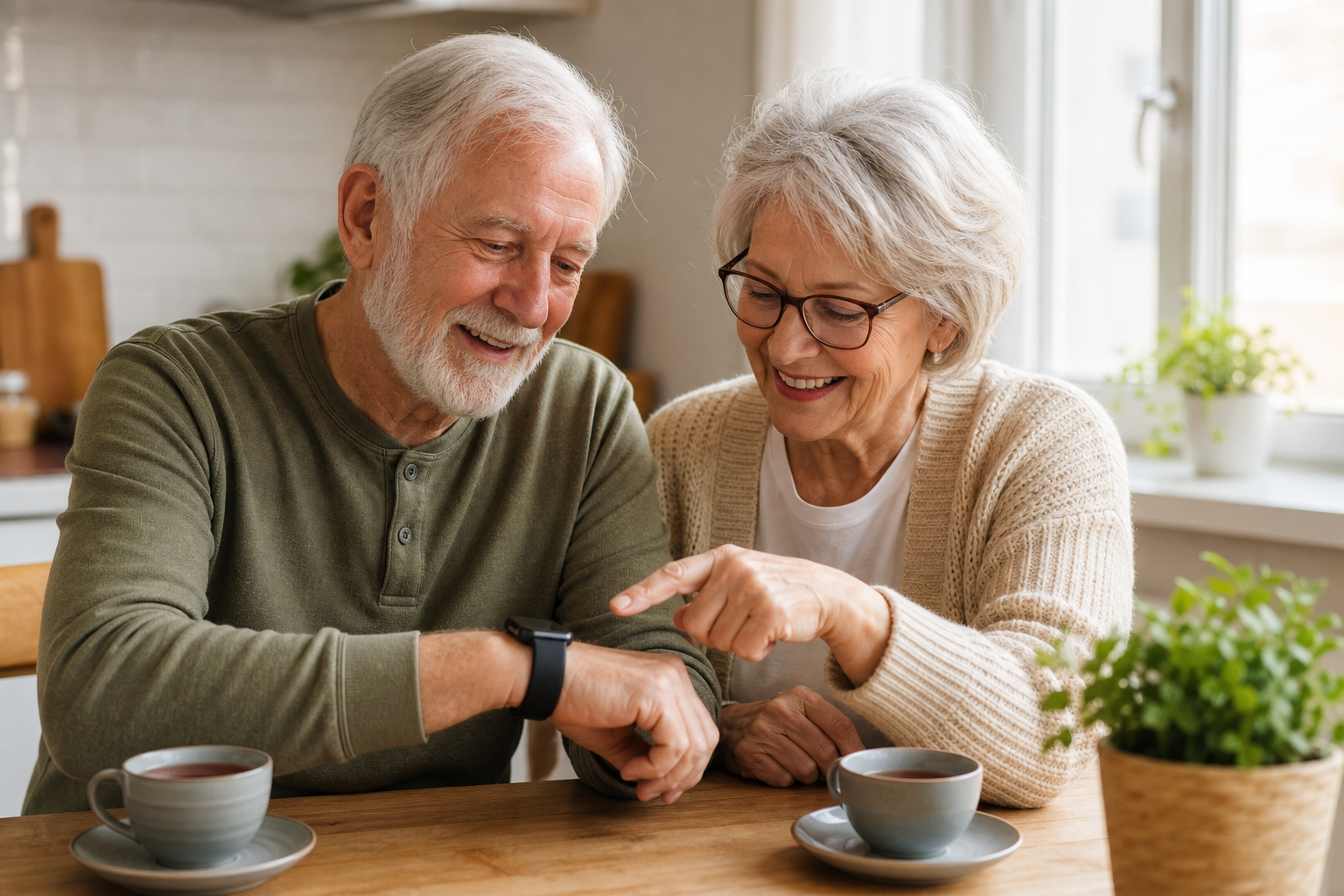
Most fitness tracker reviews focus on features that frankly don’t matter much for everyday senior use — things like music storage or contactless payments. What does matter is whether you can read the screen in sunlight, whether you can figure out the settings without calling your grandkid, and whether the device is still alive by Thursday.
Here’s a quick checklist of features worth prioritizing:
- Large, high-contrast display: Look for screens that are at least 1.4 inches with adjustable brightness. AMOLED displays tend to be the most readable outdoors.
- Simple interface: A home screen that shows steps, heart rate, and time without digging through menus is ideal. Fewer taps equals fewer frustrations.
- Accurate heart rate monitoring: Optical sensors have improved significantly. Look for devices tested in third-party studies, not just manufacturer claims.
- Long battery life: Aim for at least 7 days. Charging every night is a barrier to consistent use.
- Comfortable, adjustable band: Swollen fingers and wrists are common. Silicone bands with multiple clasp positions help.
If you’re already active and want to complement your tracker with smart nutrition habits, check out our guide to pre-workout nutrition for senior athletes — good data is even more useful when your fueling strategy is dialed in.
Best Fitness Trackers for Seniors in 2026
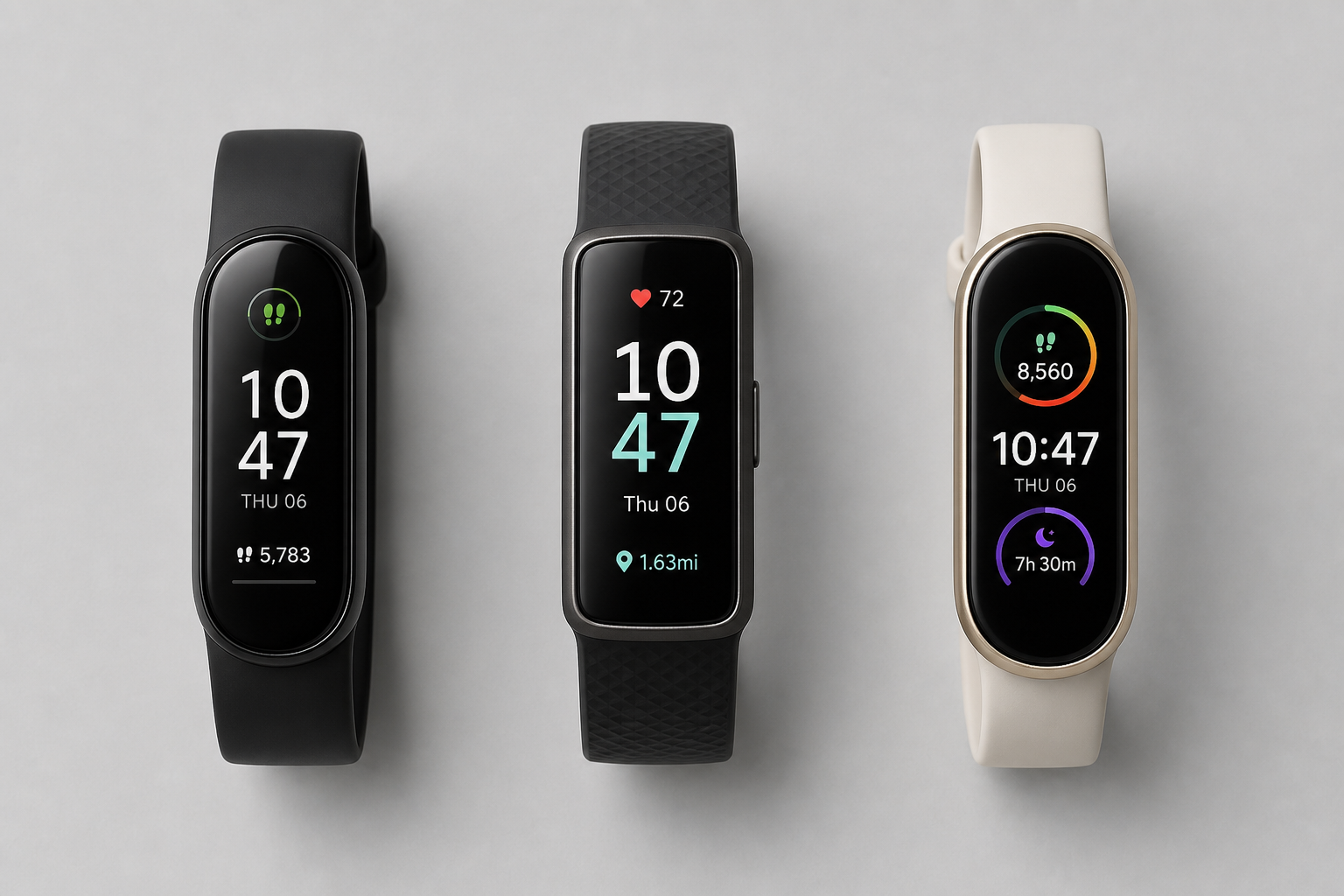
Fitbit Charge 6
The Fitbit Charge 6 remains one of the most senior-friendly trackers on the market. The display is bright and readable, the app is one of the most intuitive available, and Google’s integration means it connects smoothly with Android phones. Step counting is accurate and heart rate tracking is reliable during moderate activity like walking and cycling.
Battery life runs 7 days with typical use, which is exactly where you want it. Setup takes about 15 minutes and the guided pairing process is genuinely clear. The band is soft, comes in multiple sizes, and stays secure during sleep tracking.
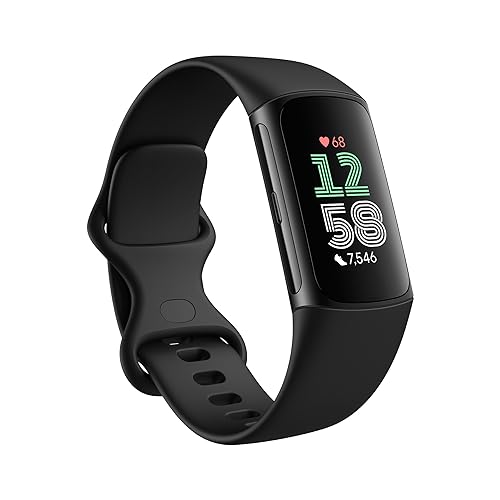
Fitbit Charge 6
One of the most user-friendly trackers available with a bright display, accurate sensors, and a 7-day battery that won’t leave you charging every night.
The Fitbit app includes a daily readiness score and resting heart rate trends over time, both of which are genuinely useful for older adults managing cardiovascular health. If you’re also keeping an eye on blood pressure medication and exercise precautions, having consistent heart rate data from a reliable device makes those conversations with your doctor much more productive.
Garmin Vivosmart 5
Garmin has always built trackers that prioritize accuracy over flashiness, and the Vivosmart 5 is no exception. The slim design is comfortable for all-day wear and the display is sharp and easy to read with a single tap to wake. Garmin’s Body Battery feature tracks energy levels throughout the day, which many seniors find more intuitive than raw step counts.
Step accuracy is excellent and the optical heart rate sensor performs well even during brisk walking. Battery life reaches up to 7 days on a single charge. One advantage over Fitbit is offline functionality — you don’t need your phone nearby for the core features to work.
Apple Watch SE (2nd Gen)
If you have an iPhone, the Apple Watch SE is the most capable option in this list. The screen is large, bright, and adjustable with text size settings that make a real difference for those with vision concerns. Fall detection and emergency SOS are built in, which adds a layer of safety that basic trackers don’t offer.
The interface is more complex than a basic tracker, but Apple has improved accessibility features significantly. You can simplify the watch face to show only the data you care about. Battery life is the weakest link at roughly 18 hours — you’ll charge it every night. That’s a real drawback, but many users accept the trade-off for the larger feature set.
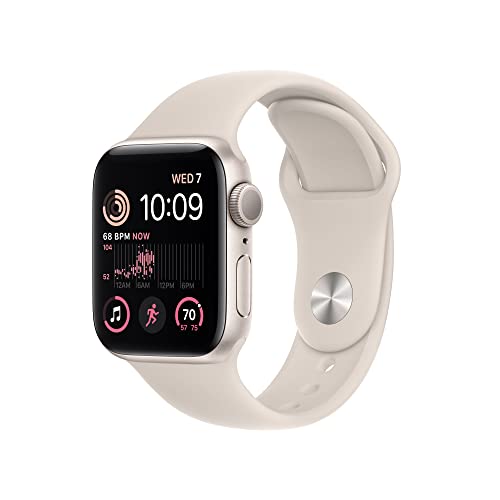
Apple Watch SE 2nd Generation
Best option for iPhone users who want a large readable screen, fall detection, and a simplified watch face with solid health monitoring.
Amazfit Band 7
The Amazfit Band 7 is a budget-friendly option that punches well above its price range. The AMOLED display is surprisingly vivid and readable, the heart rate monitor is accurate enough for daily tracking, and the battery routinely lasts 18 days with standard use. That battery life is genuinely exceptional.
Setup is simple through the Zepp app. The interface is clean and doesn’t overwhelm you with options. It’s not as polished as Fitbit or Garmin, but for someone who wants reliable basics without premium pricing, it’s hard to beat.
Screen Readability: A Closer Look
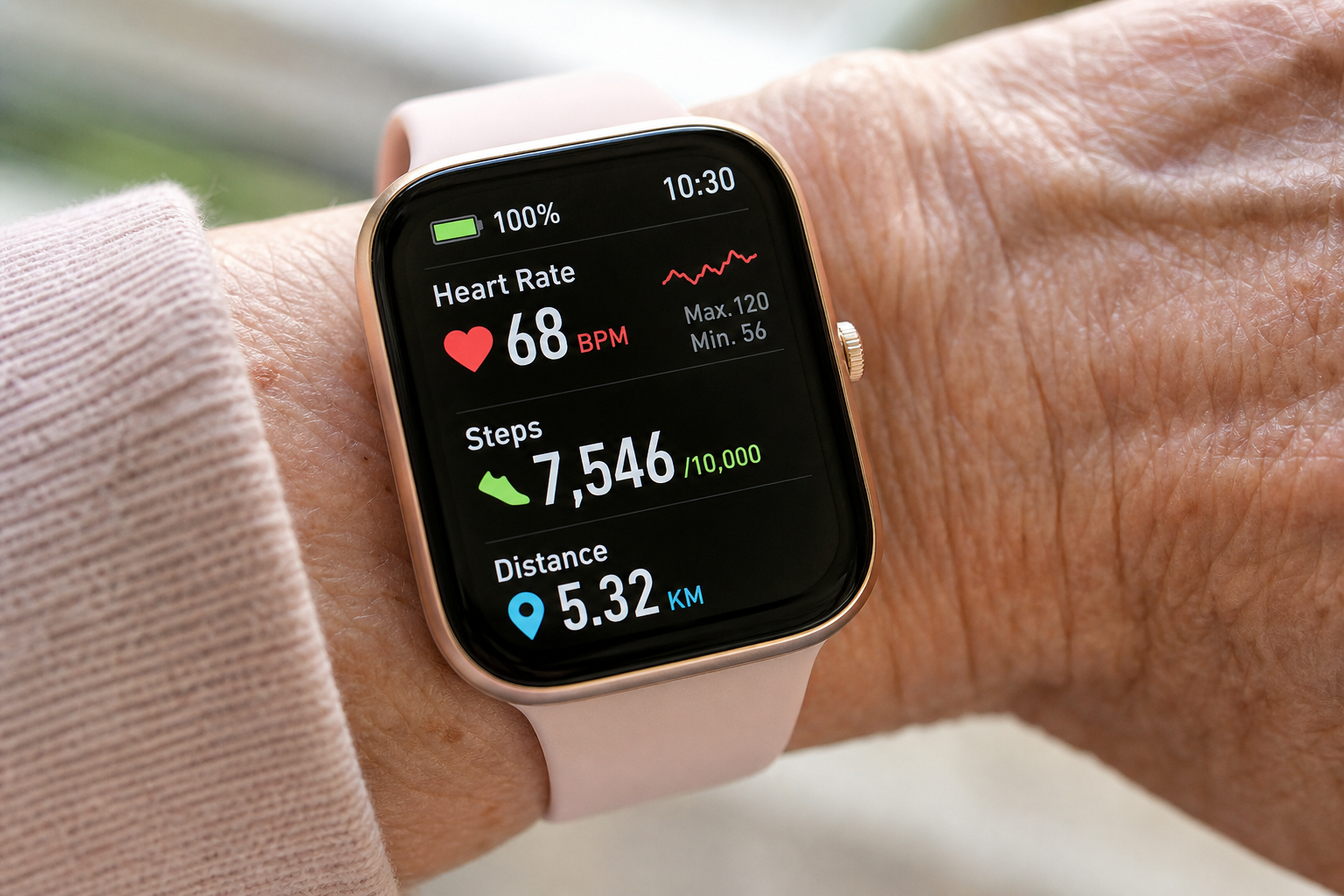
Screen readability is where many seniors run into problems with popular trackers. Small text, low contrast, and screens that dim too quickly in bright sunlight are the biggest complaints.
The Apple Watch SE wins outright for display quality and customization. Garmin and Fitbit are close behind with high-contrast AMOLED screens. The Amazfit Band 7 has excellent screen brightness for a budget device. All four allow you to adjust text size or display brightness, which matters more than resolution for day-to-day use.
If you also experience eye strain or have been dealing with vision concerns, it’s worth pairing good tracker habits with advice from our article on vision health exercises for seniors.
Battery Life Comparison
Battery life in real-world use often differs from manufacturer claims. Here’s a practical summary:
- Amazfit Band 7: 15 to 18 days (best in class)
- Fitbit Charge 6: 6 to 7 days
- Garmin Vivosmart 5: 6 to 7 days
- Apple Watch SE: 18 hours (daily charging required)
If wearing a tracker during sleep is important to you for sleep quality data, long battery life matters even more. You can pair tracker sleep data with practical recovery strategies from our guide on sleep hygiene and exercise for better rest.
Our Top Pick
For most seniors, the Fitbit Charge 6 is the best overall choice. It balances screen readability, setup ease, accurate sensors, solid battery life, and a genuinely user-friendly app. The Amazfit Band 7 is the top pick if budget is the primary concern and you want exceptional battery endurance. The Apple Watch SE is the right call for iPhone users who want the most features and don’t mind charging nightly.
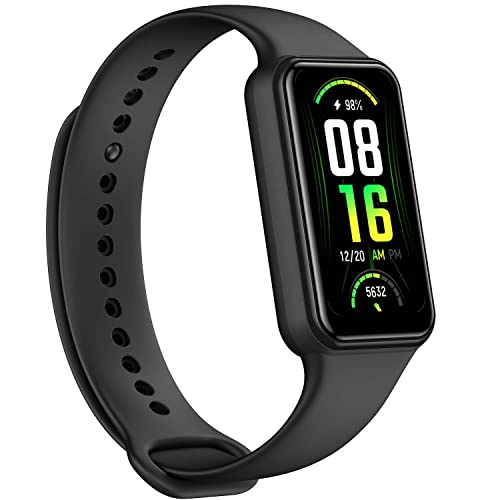
Amazfit Band 7
Best budget choice for seniors who want a vivid display, reliable heart rate tracking, and up to 18 days of battery life.
Pairing any of these trackers with fitness tracking apps can help you get even more from your data. Our article on fitness tracking apps for seniors covers the best companion apps in detail.
Frequently Asked Questions
Which fitness tracker is easiest to set up for seniors?
The Fitbit Charge 6 and Amazfit Band 7 both have guided setup processes that most users can complete in under 20 minutes without help. The Fitbit app walks you through each step clearly and pairs reliably with both Android and iPhone devices.
Do fitness trackers accurately count steps for older adults who walk slowly?
Accuracy at slower walking speeds has improved significantly in recent generations. Garmin and Fitbit devices perform well at a range of paces. Wrist-based trackers can undercount steps slightly if you use a cane or walker, since arm swing is reduced. In those cases, a clip-on pedometer may be a better supplement.
Are smartwatches like the Apple Watch worth it for seniors compared to basic fitness bands?
It depends on your priorities. If you want fall detection, emergency SOS, and a large display with maximum customization, the Apple Watch SE is worth considering for iPhone users. If you want simplicity, longer battery life, and lower complexity, a dedicated fitness band like the Fitbit Charge 6 or Garmin Vivosmart 5 will serve you better day to day.
This article contains affiliate links. We may earn a small commission at no extra cost to you.