Your eyes have served you well for decades, but like the rest of your body, they need a little extra care as the years go by. Vision changes are a natural part of aging, but that doesn’t mean you have to accept declining eyesight without a fight. Simple daily exercises combined with proper nutrition can help reduce eye strain, maintain visual sharpness, and keep your eyes comfortable throughout the day.
Think of eye exercises like physical therapy for your vision. Just as you’d stretch tight muscles or strengthen weak ones, your eyes benefit from targeted movements and rest periods. These techniques won’t cure serious conditions, but they can significantly improve how your eyes feel and function during daily activities like reading, using devices, or driving.
Understanding Age-Related Vision Changes
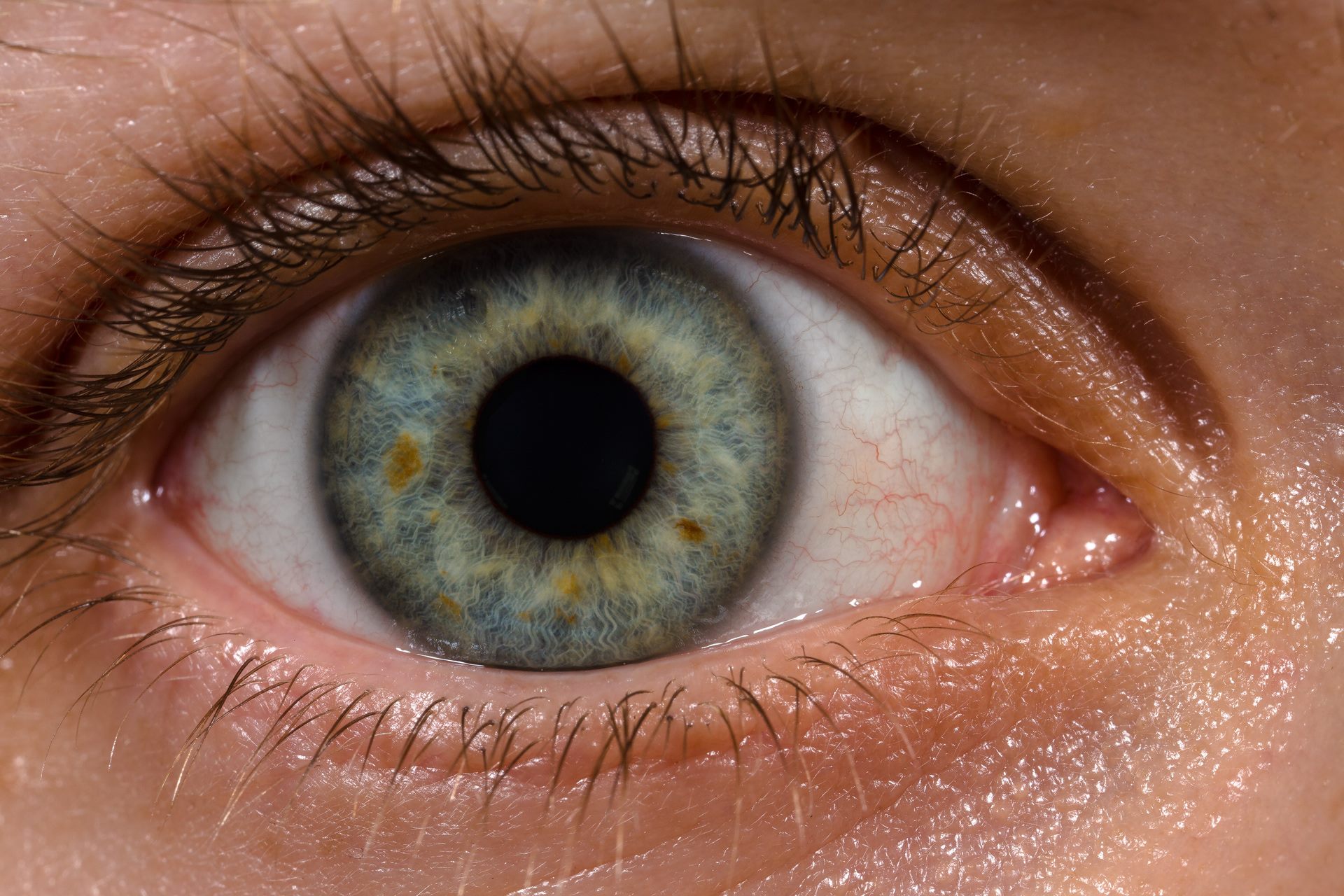
Your eyes change in predictable ways as you age. The lens becomes less flexible, making it harder to focus on close objects. This condition, called presbyopia, typically starts in your 40s and continues to progress. You might notice you’re holding menus or books farther away to read them clearly.
The amount of light reaching your retina decreases as the pupil shrinks and the lens yellows. This means you need brighter lighting for tasks like reading or cooking. Colors may appear less vibrant, particularly blues and greens.
Dry eyes become more common because tear production decreases. Your eyes might feel gritty, burn, or paradoxically water excessively as they try to compensate. Many seniors also experience floaters, those tiny spots or cobwebs drifting across your vision.
While these changes are normal, they differ from serious conditions like cataracts, glaucoma, macular degeneration, or diabetic retinopathy. Regular eye exams help distinguish between normal aging and conditions requiring medical treatment.
The 20-20-20 Rule: Your First Line of Defense

The 20-20-20 rule is the single most effective exercise for preventing digital eye strain. Every 20 minutes, look at something 20 feet away for at least 20 seconds. This simple habit relaxes the focusing muscle inside your eye, which gets locked in one position during close work.
When you stare at a screen or book, your ciliary muscle contracts to adjust the lens for near vision. Maintaining this contraction for hours causes fatigue, just like holding your arm in one position would tire your bicep. Looking into the distance releases this tension.
Set a timer on your phone or computer to remind you. Better yet, use an app specifically designed for eye breaks. During your 20-second break, actually focus on the distant object instead of just staring blankly. Look out a window at a tree, building, or horizon line.
Combine this with conscious blinking. When concentrating on screens, your blink rate drops from about 15 times per minute to only 5 or 6. This dramatically increases dry eye symptoms. During your 20-second breaks, blink slowly and completely 10 times to refresh your tear film.
Focusing Exercises for Visual Flexibility

These exercises improve your ability to shift focus between distances, which becomes harder with age. Practice them once or twice daily, preferably when your eyes are rested rather than fatigued. Knowing the best time to exercise can help you optimize your routine for maximum benefit.
Near and Far Focusing
Hold your thumb about 10 inches from your face. Focus on it for 5 seconds, then shift your focus to something 10 to 20 feet away for another 5 seconds. Repeat this 10 times. You should feel your eyes working to adjust between the two distances.
This exercise strengthens the ciliary muscle and improves accommodation, your eye’s ability to change focus. It’s particularly helpful if you struggle transitioning from reading to looking across the room or from your dashboard to the road ahead.
Figure Eight Tracing
Imagine a giant figure eight on the floor about 10 feet in front of you. Trace this shape slowly with your eyes only, keeping your head still. Do this for 30 seconds in one direction, then reverse and trace it the opposite way for another 30 seconds.
This exercise improves eye muscle control and coordination. It’s excellent for maintaining the smooth eye movements needed for reading and tracking moving objects.
Pencil Push-Ups
Hold a pencil at arm’s length and focus on a letter or number written on its side. Slowly bring the pencil toward your nose while maintaining focus on the letter. When it starts to double, stop and hold that position for a few seconds, then move it back out. Repeat 10 times.
This convergence exercise helps your eyes work together when looking at close objects. It’s beneficial for reading endurance and reducing eye strain during detailed work.
Safe Exercises for Glaucoma and Macular Degeneration
You can safely perform most eye exercises even with these conditions, but you should avoid certain activities and take extra precautions.
For glaucoma patients, the exercises mentioned above are generally safe. However, avoid inverted positions like headstands or downward-facing yoga poses, which can temporarily increase eye pressure. Also skip exercises requiring you to hold your breath or strain, as this can affect intraocular pressure.
Palming is particularly beneficial for glaucoma. Rub your hands together to warm them, then gently cup them over your closed eyes without pressing on the eyeballs. Relax in this position for 2 to 3 minutes, breathing deeply. This reduces stress, which can positively affect eye pressure.
With macular degeneration, all the focusing exercises are safe and may help maintain peripheral vision function. Avoid extremely bright light during exercises, and make sure you have adequate lighting that doesn’t create glare. Consider using an adjustable desk lamp that lets you control brightness and position.
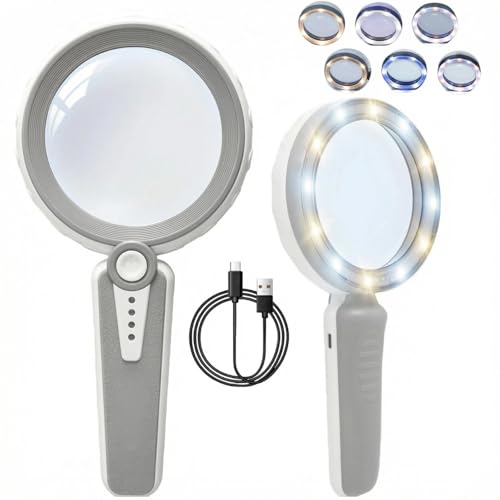
Macular Degeneration Vision Aids
Magnifiers designed specifically for low vision can help you maintain independence with reading and detailed tasks.
Both conditions require regular monitoring by an ophthalmologist. Never use eye exercises as a replacement for prescribed treatments or medications. Think of them as supplementary care that supports your overall eye health.
Eye Relaxation Techniques
Relaxation is just as important as exercise. Tense eye muscles contribute to headaches, fatigue, and blurred vision.
Try the palming technique described earlier whenever your eyes feel tired. The darkness and warmth provide genuine relief, particularly after extended screen time or reading.
Eye rolling helps release tension in the extraocular muscles. Close your eyes and gently roll them in a circular motion, five times clockwise and five times counterclockwise. Don’t force the movement or roll them so far that it’s uncomfortable.
The eye squeeze exercise works well for dry eyes. Close your eyes gently, then squeeze them tightly shut for 3 seconds. Release and keep them closed normally for another 3 seconds. Repeat 5 times. This stimulates the meibomian glands in your eyelids, which produce the oily layer of your tears.
Nutrition for Eye Health
What you eat directly impacts your vision. Certain nutrients protect against age-related eye diseases and support daily eye function.
Lutein and zeaxanthin are carotenoids that concentrate in the macula, filtering harmful blue light and acting as antioxidants. You’ll find them in dark leafy greens like kale, spinach, and collard greens. Eggs are another excellent source, and the fat in the yolk actually helps your body absorb these nutrients better.
Omega-3 fatty acids, particularly DHA, are crucial for retinal health and help with dry eyes. Fatty fish like salmon, mackerel, and sardines are ideal sources. If you don’t eat fish regularly, consider an omega-3 supplement specifically formulated for eye health.

Lutein and Zeaxanthin Eye Vitamins
AREDS2 formula supplements contain the specific nutrients proven to slow progression of age-related macular degeneration.
Vitamin C and E work together as antioxidants protecting eye tissues from oxidative damage. Citrus fruits, berries, bell peppers, and almonds are excellent sources. Zinc supports vitamin A absorption and plays a role in melanin production in the eye. You’ll get it from oysters, beef, and pumpkin seeds.
Vitamin A itself is essential for low-light vision and maintaining the cornea. Orange and yellow vegetables like carrots, sweet potatoes, and butternut squash provide beta-carotene, which your body converts to vitamin A.
Staying hydrated matters too. Dehydration worsens dry eye symptoms. Aim for at least 8 glasses of water daily, more if you take medications that have diuretic effects.
When to See Your Eye Doctor
While exercises and nutrition support eye health, they can’t replace professional care. Certain symptoms require immediate medical attention.
Sudden vision loss in one or both eyes, even if temporary, demands urgent evaluation. This could signal a stroke, retinal detachment, or other serious condition. Flashes of light, especially when accompanied by a shower of new floaters, might indicate retinal tear or detachment.
See your eye doctor promptly if you notice a curtain or shadow moving across your vision, sudden onset of halos around lights, or eye pain accompanied by nausea. Red eyes with discharge, significant swelling, or pain also warrant quick attention. Just as you would seek medical attention for conditions like nerve pain affecting your mobility, eye symptoms require proper professional evaluation.
For routine care, the American Academy of Ophthalmology recommends complete eye exams every one to two years after age 65, even without symptoms. These exams detect glaucoma, cataracts, and macular degeneration in early stages when treatment is most effective.
Schedule exams more frequently if you have diabetes, high blood pressure, a family history of eye disease, or previous eye injuries. Your eye doctor will determine the right schedule based on your individual risk factors.
Don’t ignore gradual changes either. Increasing difficulty reading despite good lighting, trouble adapting to darkness, or needing more light for tasks you used to do easily all deserve professional assessment. Your prescription might need updating, or these could be early signs of conditions requiring monitoring.
Creating Your Daily Eye Care Routine
Consistency matters more than intensity with eye exercises. A short daily routine beats occasional marathon sessions.
Start your morning with two minutes of focusing exercises. The near-far drill and figure eight tracing work well before breakfast while you’re fresh. This primes your eyes for the day ahead.
Throughout your day, follow the 20-20-20 rule religiously during any close work. Set recurring reminders until it becomes automatic. Take a full lunch break away from screens, ideally outdoors where natural light benefits your circadian rhythm and eye health. Just as