Staying active doesn’t require standing up. If sore knees, balance issues, or recent surgery have kept you off your feet, chair-based cardio can still get your heart pumping, your circulation moving, and your energy levels up. You don’t need a gym, a treadmill, or even a lot of space. Just a sturdy chair and a willingness to move.
This guide walks you through a practical seated cardio routine designed for older adults with mobility limits. You’ll find clear instructions for each exercise, tips on how to pace yourself safely, and advice on the gear that makes chair workouts more comfortable and effective.
Why Seated Cardio Is Worth Taking Seriously
A lot of people assume that if you can’t walk briskly or climb stairs, cardiovascular exercise is off the table. That’s simply not true. Research consistently shows that seated aerobic exercise can raise heart rate into a beneficial training zone, improve circulation, and support heart health even without lower-body involvement.
Chair workouts are especially useful for seniors recovering from joint replacement surgery, those managing conditions like arthritis or neuropathy, or anyone dealing with significant balance concerns. If vertigo or dizziness affects your ability to exercise standing up, the seated approach is often the safest entry point.
The goal isn’t to replace walking or strength training entirely. It’s to keep you moving consistently when standing exercise isn’t an option.
Setting Up for Success Before You Start
Choose a chair that’s firm and stable, not a soft couch or recliner. A dining chair or a sturdy folding chair works well. Make sure all four legs are on the floor and the seat height lets you plant your feet flat. If your feet don’t quite reach, place a folded towel or a yoga block underneath them.
Wear supportive shoes rather than slippers or socks. Good foot support helps you press down with intention during marches and kicks, which engages more muscle and protects your ankles. If you’re working out in the morning, consider timing your session after a light snack. Exercising on an empty stomach can cause lightheadedness, and pre-workout nutrition matters even for gentle routines.
Keep a glass of water nearby and stop immediately if you feel chest tightness, unusual shortness of breath, or dizziness that doesn’t resolve quickly.
The Core Seated Cardio Routine

Work through these exercises in order. Start with the warmup, then build intensity gradually before cooling back down. The whole routine runs about 20 to 25 minutes at a comfortable pace.
Warmup: Slow Seated Marches (3 Minutes)
Sit up tall with your back away from the chair back. Lift your right knee up a few inches, lower it, then lift your left. Keep the pace slow and deliberate. Focus on breathing steadily and letting your arms swing gently in opposition with your legs, right arm forward as the left knee rises.
After two minutes, add a little height to each lift and pick up the pace slightly. By the end of minute three, you should feel warmer but not breathless.
Arm Circles (2 Minutes)
Extend both arms out to your sides at shoulder height. Make slow, controlled circles about the size of a dinner plate, ten forward, then ten backward. Reduce the circle size if your shoulders feel tight.
Arm circles get the shoulder joints moving, increase upper body blood flow, and start to raise your heart rate without putting any load on your legs or back. If you have rotator cuff sensitivity, keep the circles smaller and lower, staying below shoulder height.
Seated Marches With Higher Knee Lift (4 Minutes)
Return to marching but now bring your knees up higher, aiming for hip height if possible. Pump your arms actively as you march, bending your elbows and swinging them front to back like you’re walking briskly. Keep your core lightly engaged and your posture upright.
This is where your heart rate should climb noticeably. You should be able to carry on a short conversation but feel like you’re working. If you can sing comfortably, pick up the pace a little. If you feel too breathless to speak, slow down.
Seated Punches (3 Minutes)
Make soft fists and punch forward alternately, right then left, at chest to shoulder height. Keep your elbows slightly bent at full extension to protect your joints. Add a slight twist through your torso as you punch to engage your core and increase calorie burn.
After a minute of straight punches, try mixing in diagonal punches across your body, right fist toward the upper left, left fist toward the upper right. These cross-body movements are excellent for coordination and work a wider range of muscles.
If you want to add light resistance to your punches, a pair of light hand weights for seniors in the one to three pound range can intensify the workout without straining your wrists or elbows.

Lightweight Dumbbells for Seated Workouts
A small set of one to three pound dumbbells adds just enough resistance to seated punches and arm circles to meaningfully increase the cardiovascular challenge without overloading joints.
Seated Jumping Jacks (3 Minutes)
This one surprises people. Sit at the edge of your chair and open both legs out to the sides while raising your arms overhead, then bring both back to center. That’s one rep. It mimics the movement pattern of a standing jumping jack and gets your heart rate up quickly.
Go at whatever pace feels sustainable. Slower is fine. The goal is continuous movement, not speed. If hip tightness limits how wide you can open your legs, just do what you comfortably can.
Cooldown: Slow Marches and Deep Breathing (3 Minutes)
Return to the slow, low march from your warmup. Gradually reduce the pace over two minutes until you’re barely lifting your feet. Spend the final minute taking slow deep breaths, inhaling through your nose for four counts and exhaling through your mouth for six. This brings your heart rate down safely and helps your body transition out of exercise mode.
Pacing and Heart Rate Tips
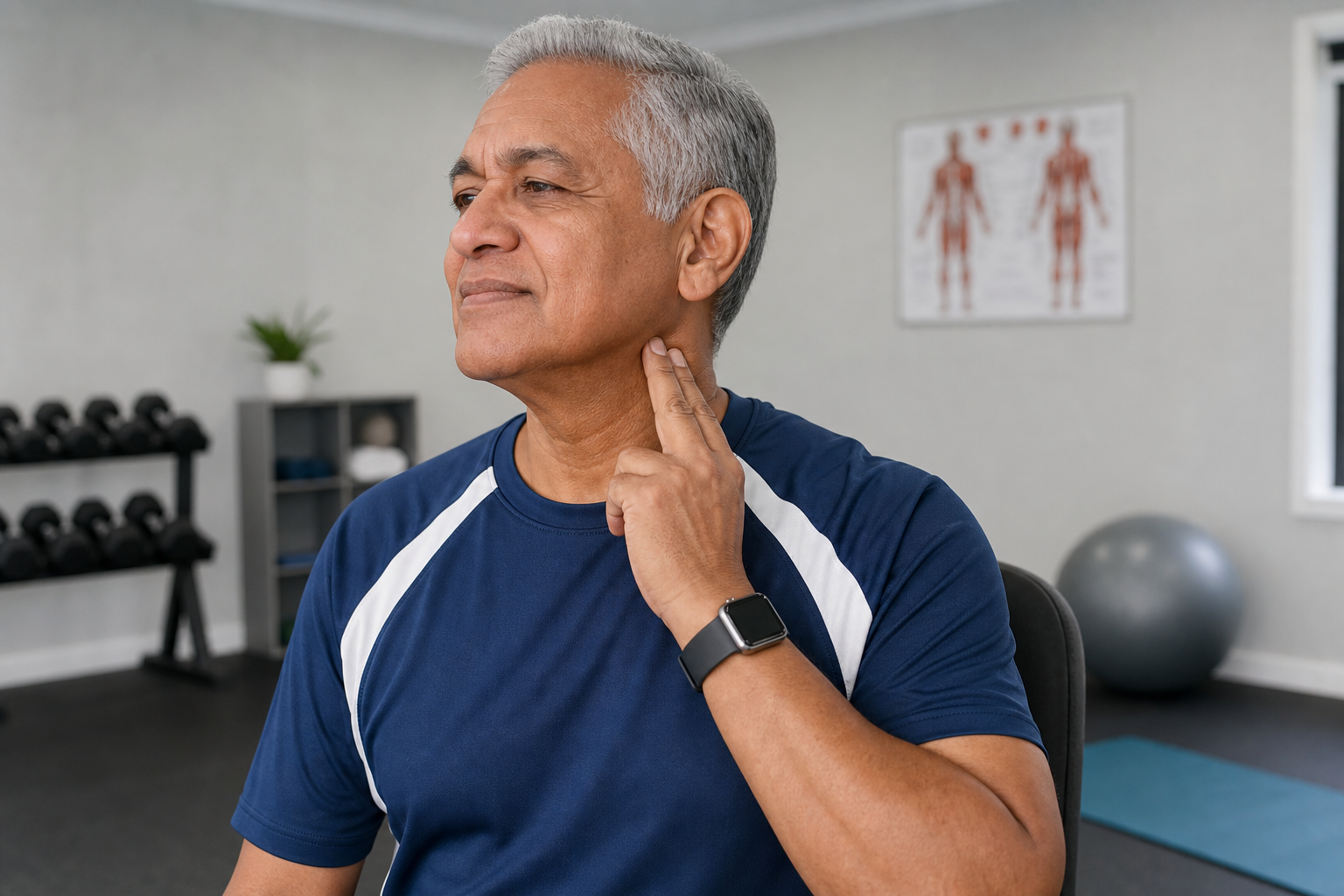
You don’t need a heart rate monitor to pace yourself well, though one helps. The simplest guide is the “talk test.” During moderate intensity cardio, you should be able to speak in short sentences but not hold a full conversation without effort.
If you’re on blood pressure medication, be aware that some medications affect how your heart rate responds to exercise. Your peak heart rate may feel lower than expected, and that’s normal. Read more about exercise precautions related to blood pressure medications before starting a new routine.
For most seniors, a target of 10 to 20 minutes of continuous moderate intensity seated cardio, three to five times a week, is a realistic and beneficial starting point. Build up gradually rather than pushing hard right away.
A simple heart rate monitor watch can be a helpful tool for staying in your target zone, especially in the first few weeks when you’re learning how your body responds.

Heart Rate Monitor Watch for Seniors
A large-display heart rate watch helps you stay in a safe training zone during seated cardio without having to guess how hard you’re working.
Optional Equipment to Enhance Your Routine
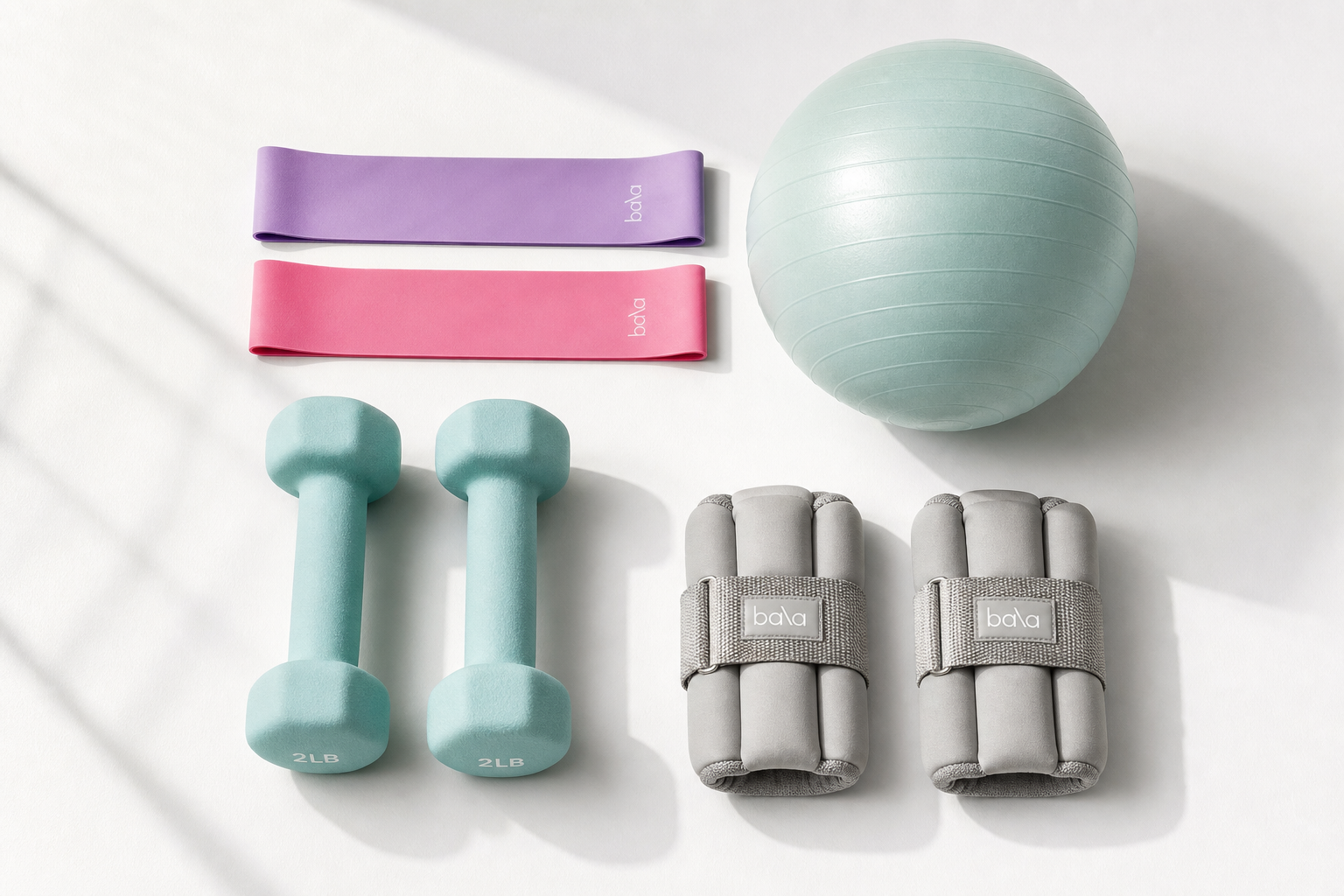
You need almost nothing to do this workout, but a few items can make it more comfortable and effective over time.
- Resistance bands can be looped around your thighs during marches to engage your hip abductors more actively.
- A non-slip seat cushion keeps you stable and adds comfort during longer sessions.
- If you enjoy tracking your workouts, explore fitness tracking apps designed for seniors to log your sessions and monitor progress over time.

Seated Exercise Pedal Machine
An under-desk pedal machine lets you add continuous lower body movement to your seated routine and is a great complement to the upper body work in this workout.
Supporting Your Recovery
Even gentle cardio creates some muscle fatigue, especially when you’re just starting out. Make sure you’re eating enough protein and taking care of your body between sessions. A quick read on post-workout recovery meals for seniors can help you figure out what to eat after your session to reduce soreness and help your muscles rebuild.
Joint health also matters. If stiff or achy joints are part of what limits your mobility, nutrients like omega-3 fatty acids and collagen play a real supporting role. Check out the site’s guides on omega-3 supplements for joint health if that’s a concern for you.
Frequently Asked Questions
Can seated cardio really raise my heart rate enough to be beneficial?
Yes. Upper body aerobic movement, especially when done continuously and with intention, can bring your heart rate into a moderate intensity zone. Studies on chair-based exercise programs show measurable improvements in cardiovascular fitness, particularly in older adults with limited mobility. The key is keeping the movement continuous and using large muscle groups like your arms, shoulders, and core actively.
How do I know if I’m working too hard or not hard enough?
Use the talk test as your guide. If you can hold a full, easy conversation, pick up the pace or add more arm involvement. If you can’t get a few words out without gasping, slow down immediately. If you feel any chest pain, unusual pressure, or severe dizziness, stop and contact your healthcare provider. For most people, the moderate zone sits comfortably between those two extremes.
Is this routine safe if I have a chronic condition like COPD or osteoporosis?
It can be, but always check with your doctor first, especially if you have a cardiac or respiratory condition. For those with breathing difficulties, the site’s COPD exercise program offers more specific guidance tailored to your needs. For osteoporosis, the good news is that seated cardio carries very low fall risk, making it one of the safer options available, though the