There’s a difference between feeling appropriately tired after a workout and feeling completely wiped out from a 15-minute walk. If light exercise leaves you needing to lie down, struggling to function for the rest of the day, or feeling worse rather than energized, your body is sending a signal that something beyond fitness level needs attention.
Disproportionate fatigue after mild activity is one of the most under-investigated symptoms in adults over 60. Many people assume they’re just “getting old,” when in reality there’s a specific, treatable condition driving the exhaustion. Most of these conditions respond well to treatment once identified.
5 Hidden Causes of Exercise Fatigue

1. Anemia
Anemia means your blood doesn’t carry enough oxygen to your tissues. Even mild anemia (which often has no symptoms at rest) becomes noticeable during exercise because your muscles demand more oxygen than your depleted red blood cells can deliver. The result is fatigue that’s completely out of proportion to the effort.
Your heart tries to compensate by beating faster, which is why many people with undiagnosed anemia notice their heart racing during activities that used to feel easy. This isn’t a fitness problem. It’s an oxygen delivery problem.
Iron-deficiency anemia is particularly common in older adults. Reduced stomach acid production makes it harder to absorb iron from food. Medications like proton pump inhibitors (used for acid reflux) further reduce absorption. Chronic conditions and minor internal bleeding that goes unnoticed can also deplete iron stores over time.
Other signs: Pale skin or nail beds, cold hands and feet, dizziness when standing, shortness of breath during mild activity, and a rapid heartbeat during exercise that doesn’t match the intensity. Some people also notice increased bruising or soreness in the tongue.
What to ask your doctor: Request a complete blood count (CBC) and iron panel. If your iron is low, your doctor may also check ferritin (iron stores) and B12 levels. Don’t start taking iron supplements before testing. Over-supplementing iron when you don’t need it can cause problems, and the supplements can interfere with test accuracy.
Recovery timeline: Once treatment starts, most people notice improved energy within two to four weeks, though full iron store replenishment can take several months.
2. Thyroid Dysfunction
An underactive thyroid (hypothyroidism) slows your entire metabolism. Your muscles don’t produce energy efficiently, your heart rate response to exercise is sluggish, and recovery is dramatically impaired. Hypothyroidism affects up to 10% of women over 60 and often develops so gradually that people don’t recognize the symptoms.
The thyroid acts as your body’s metabolic thermostat. When it’s underactive, everything runs slower. Exercise feels harder because your muscles can’t generate energy at the rate they should. Recovery takes longer because your cells aren’t repairing and rebuilding efficiently.
Some people with mild hypothyroidism only notice symptoms during exercise. At rest, they feel fine. But ask them to walk uphill or climb stairs, and the metabolic limitation becomes obvious.
Other signs: Weight gain despite no dietary changes, feeling cold when others are comfortable, dry skin, constipation, brain fog, and hair thinning. Many people also notice slower reflexes and a general sense of mental sluggishness.
What to ask your doctor: Request a TSH (thyroid-stimulating hormone) test and free T4 level. These are simple blood tests that can identify thyroid dysfunction quickly. Treatment with thyroid hormone replacement typically restores energy levels within 4-8 weeks, though finding the right dose sometimes requires adjustments.
Why it’s missed: Standard wellness checkups don’t always include thyroid testing unless you request it or show obvious symptoms. If you have unexplained exercise fatigue, specifically ask for thyroid screening.
3. Unmanaged or Undiagnosed Diabetes
When blood sugar regulation is impaired, your muscles can’t efficiently access the glucose they need for energy. Both high blood sugar (hyperglycemia) and low blood sugar (hypoglycemia from medication) cause exercise fatigue, shakiness, and weakness. Type 2 diabetes can be present for years before diagnosis, gradually reducing exercise tolerance in ways people attribute to aging.
High blood sugar creates a paradox: your bloodstream is flooded with glucose, but your cells can’t access it properly due to insulin resistance. Your muscles are essentially starving in the midst of plenty. Low blood sugar, often caused by diabetes medication timing that doesn’t account for exercise, creates a different problem: there genuinely isn’t enough glucose available for your muscles to function.
Other signs: Increased thirst, frequent urination (especially at night), blurred vision, slow wound healing, and tingling or numbness in the feet. Some people notice increased hunger even after eating or frequent yeast infections.
What to ask your doctor: Request a fasting glucose test and HbA1c (which measures average blood sugar over the past 3 months). If you’re already managing diabetes, track your blood sugar before and after exercise to identify patterns. Exercise typically lowers blood sugar, which is beneficial, but it can drop too low if medication timing isn’t right.
Exercise adjustments: If you have diabetes, eating a small carbohydrate snack 30 minutes before exercise can prevent blood sugar crashes. Work with your doctor to adjust medication timing around your activity schedule rather than giving up exercise. For more detailed guidance, check out our article on managing diabetes through exercise.
4. Medication Interactions
Multiple medications taken together can compound fatigue in ways that no single drug would cause alone. Beta-blockers limit your heart rate response to exercise, making everything feel harder than it should. Your perceived exertion is accurate, but your heart can’t respond the way it normally would. Statins can cause muscle fatigue and weakness in some people. Antihistamines cause drowsiness. Sleep medications linger in your system well into the next day. And diuretics can cause dehydration that saps energy.
The average person over 65 takes four or more prescription medications. Add over-the-counter drugs and supplements, and interactions become likely. Your doctor prescribes medications one at a time, but your body experiences them all at once.
Some combinations are particularly problematic for exercise tolerance. Blood pressure medications combined with diuretics can drop your blood pressure too low during activity. Anti-anxiety medications combined with sleep aids can cause daytime sedation. Pain medications combined with muscle relaxants can leave you feeling weak and uncoordinated.
What to do: Make a complete list of every medication (including over-the-counter drugs and supplements) you take. Note the dose and timing. Bring this to your pharmacist and specifically ask about interactions that could affect exercise tolerance. Your pharmacist may identify combinations your doctor didn’t flag. Don’t stop any medication without professional guidance, but ask whether timing adjustments or alternatives might reduce your fatigue.
Questions to ask: “Could any of these medications be making exercise harder?” “Would taking this medication at a different time of day help?” “Are there alternatives with fewer fatigue side effects?”
Common culprits: Beyond those mentioned above, gabapentin (nerve pain), certain antidepressants, opioid pain medications, and even some eye drops for glaucoma can contribute to exercise fatigue. The issue often isn’t the medication itself but the cumulative burden of multiple drugs.
If you’re interested in how exercise might help reduce reliance on certain medications over time, our guide on reducing medication through exercise offers practical strategies.
5. Cardiac Issues
Reduced heart function, even mild heart failure that produces no symptoms at rest, can cause severe fatigue during exercise. Your heart simply can’t pump enough blood to meet the increased demand. Valvular heart disease, arrhythmias (irregular heart rhythms), and coronary artery disease all reduce exercise capacity in measurable ways.
This is the cause people worry about most, and for good reason. Cardiac issues require prompt evaluation. But it’s also important to know that many cardiac conditions are manageable with proper treatment. Early detection dramatically improves outcomes.
Heart failure doesn’t mean your heart has stopped. It means the pumping action is less efficient than it should be. At rest, a slightly weakened heart can meet your body’s demands. During exercise, when your muscles need more oxygen-rich blood, the limitation becomes obvious. You feel exhausted because your tissues genuinely aren’t getting adequate oxygen.
Other signs: Ankle swelling (especially at the end of the day), shortness of breath that’s worse lying flat, chest pressure or discomfort during activity, and needing extra pillows to sleep comfortably. Some people notice a persistent cough or unexplained weight gain from fluid retention.
What to ask your doctor: If exercise fatigue is accompanied by any of these signs, request a cardiac evaluation. This typically starts with an ECG and may include an echocardiogram (ultrasound of the heart) or exercise stress test.
Don’t delay: If you experience chest pain, severe shortness of breath, or fainting during exercise, stop immediately and seek medical attention. These are red flags that require urgent evaluation, not a wait-and-see approach.
Once you receive clearance from your doctor and have cardiac issues under control, our guide to heart-healthy cardio for seniors can help you rebuild your fitness safely.
When Multiple Causes Overlap
It’s common for more than one of these conditions to be present simultaneously. Someone might have mild anemia and hypothyroidism. Another person might have well-controlled diabetes but unrecognized medication interactions causing additional fatigue. Each condition compounds the others.
This is why thorough testing matters. Finding and treating one issue might improve your energy by 30%, but finding and treating two or three issues can restore your exercise tolerance to near-normal levels.
A Symptoms Diary Template
Tracking your symptoms for two weeks before a doctor visit provides valuable diagnostic information. Your memory of symptoms is often less reliable than you think. A written record reveals patterns that point toward specific causes.
Record the following daily:
- Exercise details: What you did, duration, and intensity (use simple descriptors like “easy,” “moderate,” or “challenging”)
- Fatigue level: Rate 1-10 (1 = energized, 10 = can’t function)
- Timing: When fatigue hit and how long it lasted (immediately after? hours later? next day?)
- Other symptoms: Dizziness, shortness of breath, muscle pain, heart rate if you track it, any chest discomfort
- Meals and hydration: What you ate before exercise and how much water you drank
- Medications: What you took and when relative to exercise
- Sleep: Hours slept the night before and sleep quality (restful or disrupted)
- Unusual events: Stress, skipped meals, changes in routine
This diary helps your doctor identify patterns. For example, fatigue that only occurs after morning exercise might point to blood pressure medication timing, while fatigue that worsens throughout the week could suggest inadequate recovery or cumulative sleep deficit.
You don’t need a fancy app. A simple notebook works fine. The act of writing forces you to pay attention and often reveals connections you wouldn’t otherwise notice. If you do prefer digital tracking, our review of the best fitness tracking apps for seniors includes several options with symptom logging features.
Energy Management Strategies While You Investigate
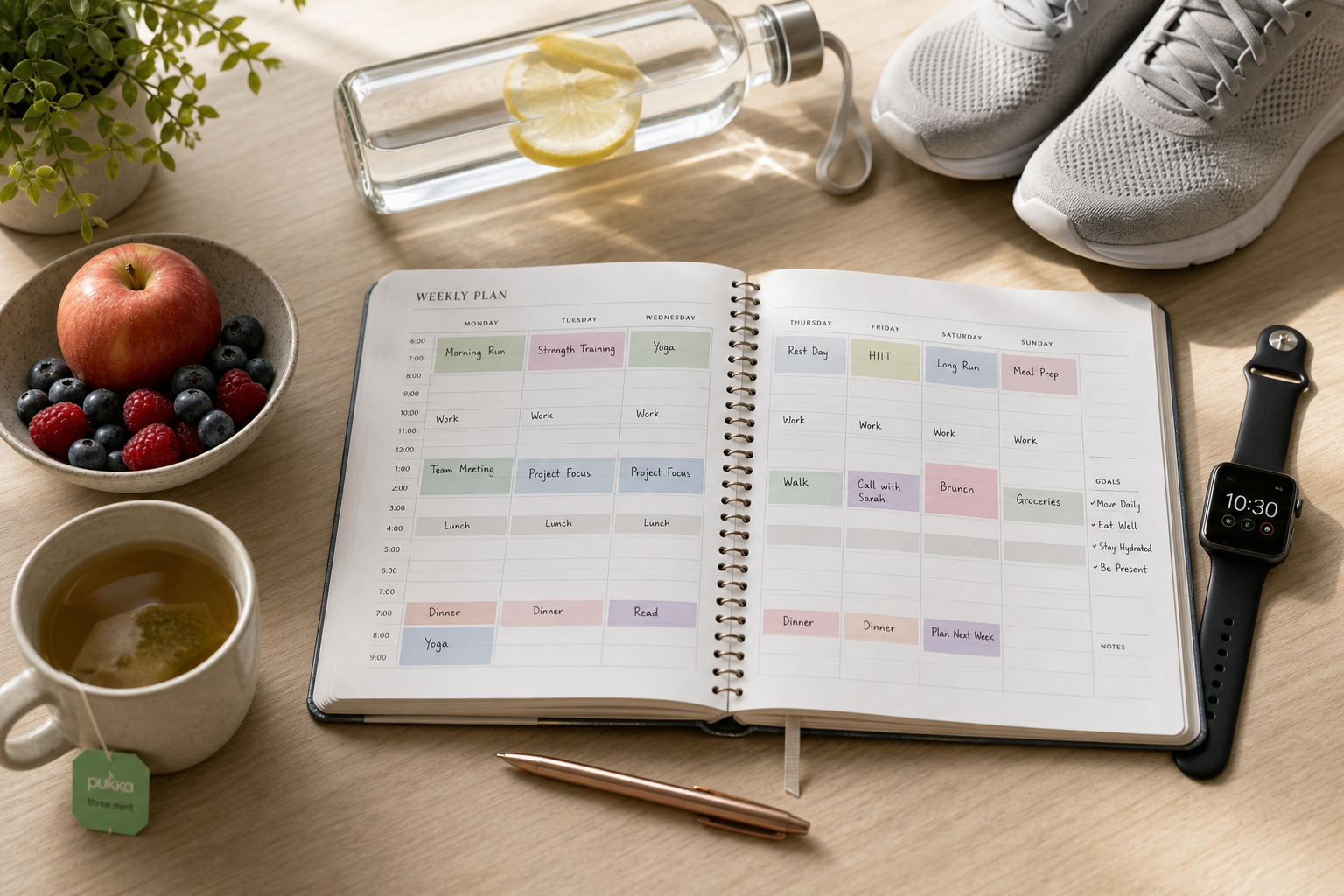
While you investigate the root cause, these strategies help you stay active without crashing. Stopping exercise entirely while waiting for test results can lead to deconditioning, which makes fatigue worse.
Break exercise into shorter sessions. Two 10-minute walks may be more tolerable than one 20-minute walk. Your cardiovascular system gets similar benefits from accumulated activity throughout the day. If 10 minutes still feels like too much, start with 5. There’s no shame in meeting yourself where you are.
Exercise during your peak energy window. Most people have a 2-3 hour window when they feel best. For some, that’s mid-morning. For others, it’s early evening. Schedule your activity then rather than forcing yourself to exercise when you feel worst. Pay attention to when you naturally have more energy and protect that time for movement. Our article on morning vs evening exercise for seniors explores this timing question in depth.
Eat a small snack 30-60 minutes before exercise. A combination of carbohydrates and protein (half a banana with peanut butter, a small handful of trail mix, whole-grain crackers with cheese) provides accessible energy. This is especially important if you exercise in the morning or several hours after a meal.
Hydrate aggressively. Dehydration amplifies every other cause of fatigue. Drink 8-12 ounces of water 30 minutes before exercising. If you’re on a diuretic or exercise makes you sweat, drink more. Pale yellow urine is the goal. Dark urine means you need more fluids.
Plan recovery time. If you know exercise will tire you out, schedule it before low-demand activities. Don’t plan a workout right before you need to run errands or attend an important appointment. Give yourself permission to rest afterward without guilt.
Lower intensity until you have answers. Walk slower. Skip the hills. Choose flat routes. Use a walking aid if balance is an issue. Reducing intensity isn’t giving up. It’s smart management while you work toward a diagnosis.
What Normal Post-Exercise Fatigue Feels Like

It helps to know what appropriate tiredness actually feels like so you can distinguish it from problematic exhaustion.
Normal post-exercise fatigue:
- Muscles feel worked but not painful
- You’re ready to relax but could handle light tasks if needed
- Energy returns within an hour or two
- You sleep well that night
- The next day you feel recovered or only mildly sore
Problematic post-exercise fatigue:
- You need to lie down immediately
- Basic tasks feel impossible for hours afterward
- You feel worse the next day, not better
- Sleep doesn’t restore your energy
- You dread exercise because recovery is so difficult
If your experience consistently matches the second list after mild activity, pursue medical evaluation.
Frequently Asked Questions
Is it normal to feel tired after exercise at my age?
Feeling pleasantly tired (muscles worked, ready to relax) is normal. Feeling exhausted, unable to function, or needing hours to recover from light activity is not. The distinction matters. If a 15-minute easy walk drains you for the rest of the day, something beyond fitness level is involved.
Age does reduce maximum exercise capacity, but it doesn’t make light activity debilitating. A healthy 70-year-old should be able to take a moderate-paced walk without needing to cancel the rest of the day’s plans.
Which doctor should I see about exercise fatigue?
Start with your primary care physician, who can order the basic blood work (CBC, thyroid, glucose, metabolic panel) that rules out the most common causes. From there, you may be referred to a cardiologist, endocrinologist, or other specialist depending on the results.
If your primary care doctor dismisses