Your digestive system changes as you age, and keeping your gut healthy becomes more important than ever. Between medications, dietary changes, and the natural slowdown of digestive processes, many seniors find themselves dealing with issues they never had before. Probiotics can help restore balance to your gut microbiome, supporting everything from digestion to immune function.
Not all probiotics are created equal, especially when it comes to what older adults need. The right strains, proper colony-forming units (CFU) counts, and quality manufacturing make all the difference. Let’s look at what actually works for seniors in 2026.
Why Seniors Need Different Probiotics

Your gut microbiome naturally becomes less diverse with age. This isn’t just about digestion. A healthy gut influences your immune system, mental clarity, nutrient absorption, and even inflammation levels throughout your body.
Seniors typically face specific challenges that younger adults don’t encounter as frequently. Medications like antibiotics, PPIs (proton pump inhibitors), and NSAIDs can disrupt gut bacteria. Reduced stomach acid production makes it harder to break down food properly. A less active lifestyle and dietary changes compound these issues.
The probiotic strains that help a 30-year-old with occasional bloating aren’t necessarily the ones a 70-year-old needs for antibiotic recovery or chronic digestive issues. You need targeted strains with proven benefits for age-related concerns.
Top Probiotic Supplements for Older Adults
After reviewing dozens of options, these stand out for their formulation, quality control, and real-world results among seniors.
Garden of Life Dr. Formulated Probiotics for Seniors
This formula was specifically designed with older adults in mind. It contains 50 billion CFU from 16 different strains, including Bifidobacterium lactis, which research shows declines significantly with age. The blend focuses on digestive regularity, immune support, and nutrient absorption.
What makes this one particularly good for seniors is the inclusion of prebiotics (food for the probiotics) and enzymes to help with protein digestion. It’s shelf-stable, which means you don’t need to worry about refrigeration if you travel or forget to put it away.

Garden of Life Dr. Formulated Probiotics for Seniors
Age-specific formula with 50 billion CFU and multiple Bifidobacterium strains that decline with aging
Culturelle Digestive Health Probiotic
Sometimes simpler is better. Culturelle focuses on one extensively studied strain: Lactobacillus rhamnosus GG. This particular strain has over 1,000 scientific studies backing its effectiveness for digestive health and immune support.
With 10 billion CFU per capsule, it’s less concentrated than some options but highly effective. Many seniors find this easier on their system, especially if they’re new to probiotics or have sensitive stomachs. The single-strain approach also makes it easier to identify if it’s working for you.
Renew Life Ultimate Flora Senior Formula
This probiotic delivers 30 billion CFU from 12 strains specifically selected for mature digestive systems. The formula emphasizes Bifidobacterium strains, which are critical for seniors since these beneficial bacteria decrease more rapidly with age than Lactobacillus strains.
The delayed-release capsules help ensure the probiotics survive stomach acid and reach your intestines where they’re needed. You’ll find Renew Life Ultimate Flora Senior Formula competitively priced for the CFU count you’re getting.
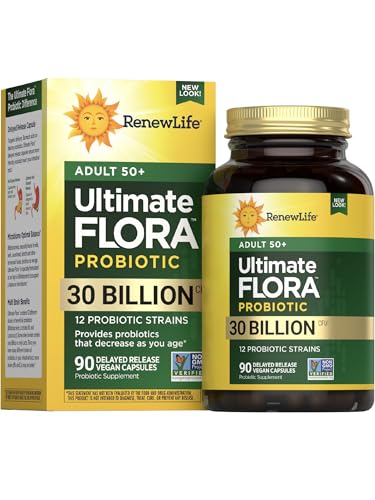
Renew Life Ultimate Flora Senior Formula
Delayed-release capsules with heavy emphasis on Bifidobacterium strains that decline most with age
NOW Foods Probiotic-10
For budget-conscious seniors who still want quality, NOW Foods offers 25 billion CFU from 10 clinically validated strains. The company has been around since 1968 and maintains strict quality control standards including third-party testing.
This one requires refrigeration after opening, which might be a drawback for some but actually indicates live, active cultures without excessive stabilizers. The NOW Foods Probiotic-10 provides excellent value without sacrificing quality.
Understanding CFU Counts and Strain Selection
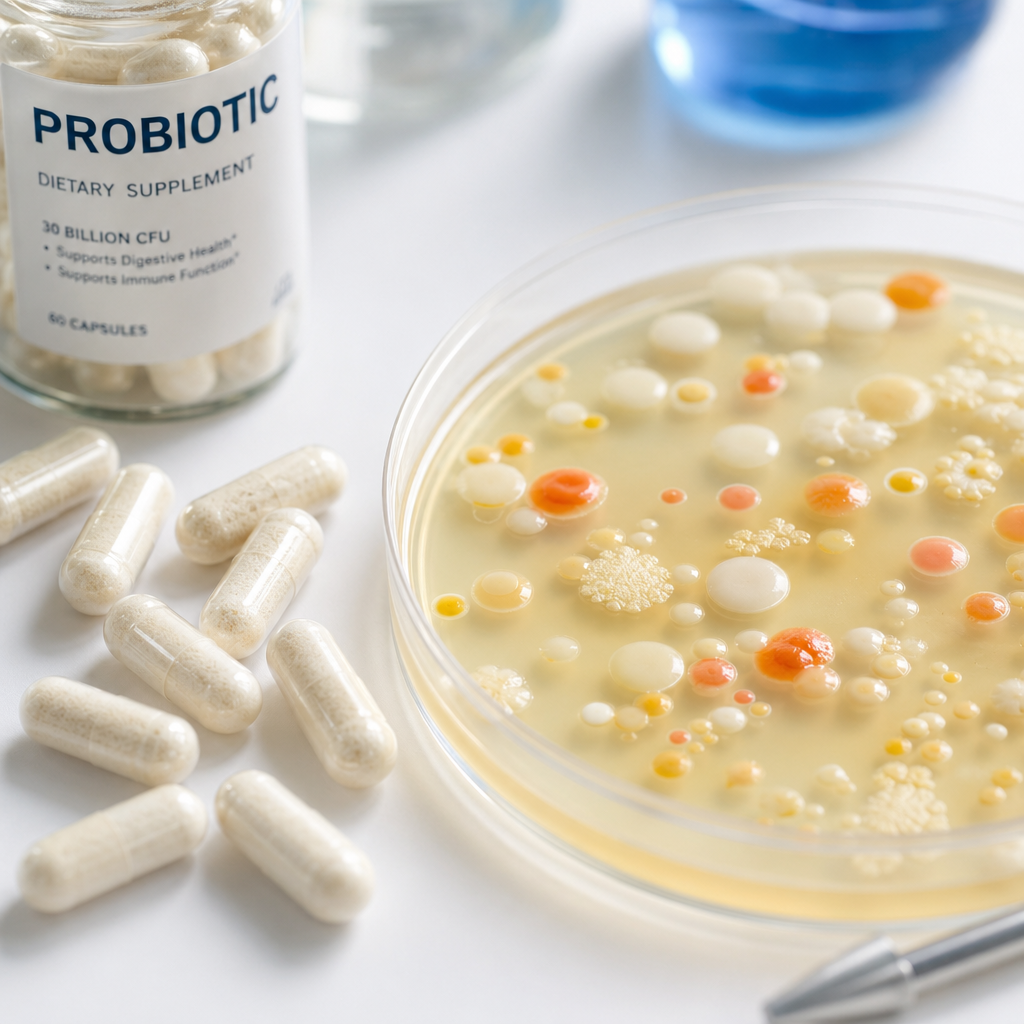
CFU stands for colony-forming units, which tells you how many live bacteria are in each dose. You’ll see products ranging from 1 billion to 100 billion CFU or more.
More isn’t always better. Most research shows benefits in the 10-50 billion CFU range for general health maintenance. Super high doses (100+ billion) are typically used for specific therapeutic purposes or after antibiotic treatment.
The strains matter more than the total count. For seniors, look for these specific strains:
- Bifidobacterium lactis: Supports digestive regularity and immune function
- Bifidobacterium longum: Reduces inflammation and supports mental clarity
- Lactobacillus rhamnosus GG: Prevents antibiotic-associated diarrhea
- Lactobacillus acidophilus: Aids lactose digestion and nutrient absorption
- Bifidobacterium bifidum: Supports immune health and reduces harmful bacteria
Multi-strain formulas generally work better than single-strain products because different bacteria perform different functions. Think of it like eating a varied diet instead of just one superfood.
Storage Requirements and Shelf Stability
Probiotics contain living organisms, so storage matters. Traditional probiotics required refrigeration, but modern manufacturing techniques have changed this.
Shelf-stable probiotics use special coating technology or freeze-dried bacteria that remain dormant until they reach moisture in your digestive system. These are convenient for travel and reduce the risk of killing your probiotics if someone leaves them on the counter.
Refrigerated probiotics often contain more delicate strains and typically don’t use as many additives to stabilize them. They’re perfectly fine if you have consistent refrigerator access and good habits about putting supplements away.
Check the expiration date regardless of storage type. Probiotics naturally decline in potency over time. A product manufactured with 50 billion CFU might drop to 40 billion by its expiration date, which reputable companies account for in their formulation.
When and How to Take Probiotics
Timing affects how well probiotics work. Most experts recommend taking them on an empty stomach, about 30 minutes before a meal or two hours after eating. This gives them the best chance to pass through stomach acid quickly and reach your intestines.
That said, some people experience mild nausea taking probiotics on an empty stomach. If this happens to you, take them with a small amount of food. Better to take them with food than not take them at all.
Consistency matters more than perfect timing. Pick a time you’ll remember and stick with it. Many seniors find success taking probiotics first thing in the morning or right before bed.
Give any new probiotic at least 4 weeks before judging its effectiveness. You might notice some changes within days, but it takes time for beneficial bacteria to colonize your gut and make a real difference.
Medication Interactions and Safety Considerations
Probiotics are generally safe for most people, but seniors taking multiple medications need to be aware of potential interactions.
Antibiotics kill bacteria indiscriminately, including the good bacteria in probiotics. Don’t stop taking your probiotic during antibiotic treatment, but separate the doses by at least 2-3 hours. The probiotic can help prevent antibiotic-associated diarrhea and restore your gut faster after treatment ends.
Immunosuppressant medications require extra caution. If you’re taking drugs to suppress your immune system (common after organ transplants or for autoimmune conditions), talk to your doctor before starting probiotics. In rare cases, probiotics can cause infections in severely immunocompromised individuals.
Antifungal medications may reduce probiotic effectiveness since some probiotics contain Saccharomyces boulardii, which is actually a beneficial yeast. This isn’t dangerous, but the medications might work against each other.
Blood thinners like warfarin can potentially interact with probiotics that produce vitamin K. Monitor your INR levels if you’re on warfarin and starting a new probiotic supplement.
Always inform your healthcare provider about any supplements you’re taking, including probiotics. Bring the bottle to your appointments so they can see exactly what strains and dosages you’re using.
What to Look for on Probiotic Labels
Reading probiotic labels can feel overwhelming, but knowing what to check helps you make informed choices.
First, verify the CFU count is guaranteed through the expiration date, not just at the time of manufacture. Some companies overload their products knowing billions will die before you use them.
Look for genus, species, and strain identification. A quality label will say “Lactobacillus rhamnosus GG” not just “Lactobacillus blend.” The strain designation (those letters and numbers at the end) indicates specific research-backed varieties.
Third-party testing seals from organizations like USP, NSF, or ConsumerLab provide extra confidence. These independent labs verify that products contain what their labels claim without contaminants.
Check for unnecessary fillers, artificial colors, or allergens you need to avoid. Quality probiotics should have minimal ingredients beyond the bacterial cultures and capsule material.
Storage instructions matter. Whether shelf-stable or refrigerated, follow the directions to maintain potency. Some products need refrigeration only after opening.
You can browse a wide selection of senior-friendly probiotics to compare labels and find options that meet your specific needs.
Prebiotics and Synbiotics for Enhanced Benefits
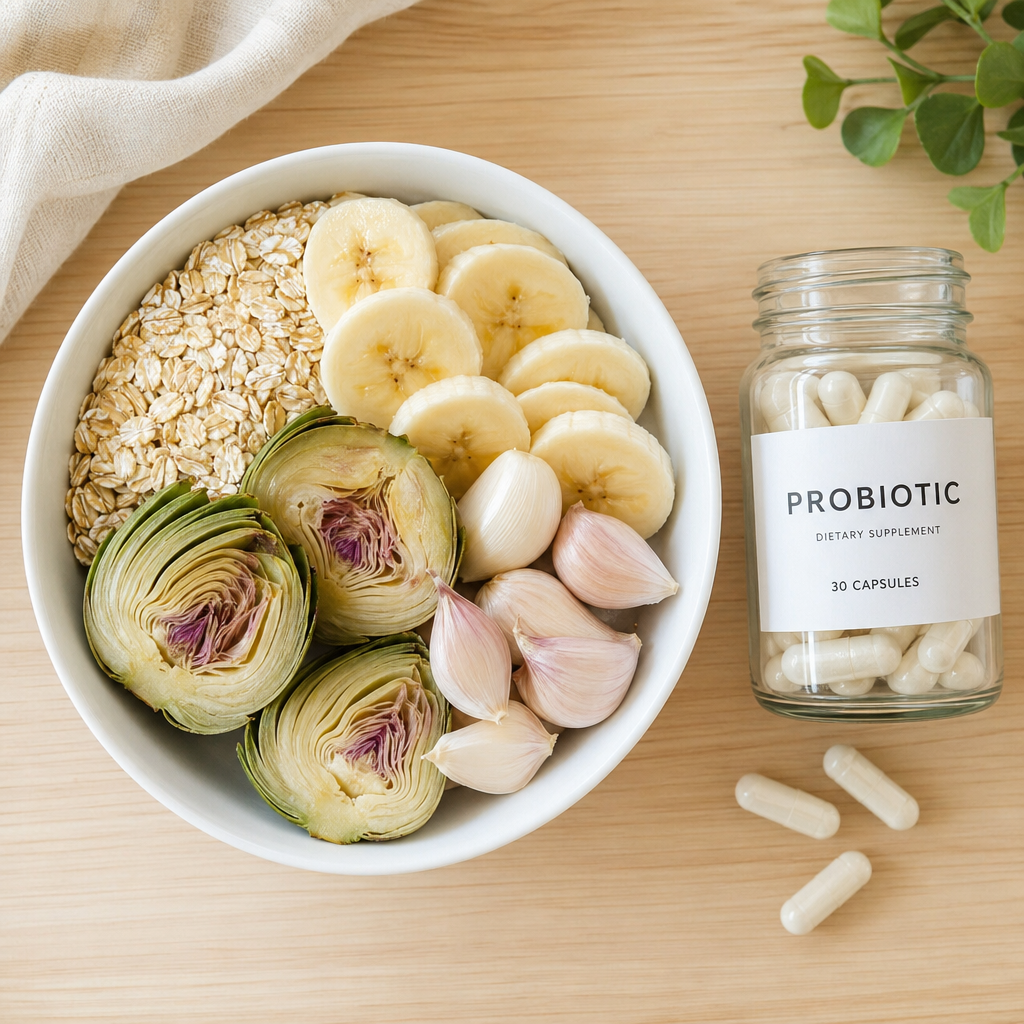
Probiotics work better when they have proper fuel. Prebiotics are special types of fiber that feed beneficial bacteria in your gut.
Common prebiotics include inulin, fructooligosaccharides (FOS), and galactooligosaccharides (GOS). These pass through your upper digestive system undigested and become food for probiotics in your colon.
Some supplements combine probiotics with prebiotics, called synbiotics. This combination can be particularly helpful for seniors whose diets might lack sufficient prebiotic fiber from foods like onions, garlic, bananas, and whole grains.
You can also get prebiotics separately through supplements or by eating more prebiotic-rich foods. Jerusalem artichokes, asparagus, leeks, and slightly green bananas all contain beneficial prebiotic fibers. Additionally, nutrient-dense foods like bone broth can support gut health through their collagen and amino acid content.
Frequently Asked Questions
Can probiotics help with constipation in older adults?