Winter months can turn your regular exercise routine into a risky challenge when you’re over 60. Icy sidewalks, freezing temperatures, and shorter daylight hours create real safety concerns that shouldn’t be ignored. But staying active during cold months matters just as much for your health as summer fitness does.
The good news is that winter doesn’t mean putting your fitness goals on hold until spring. You have plenty of safe, effective indoor alternatives that keep you moving without exposing you to cold-weather dangers. Let’s explore practical options that work for real seniors, not just fitness magazine models.
Why Winter Exercise Requires Extra Caution for Seniors
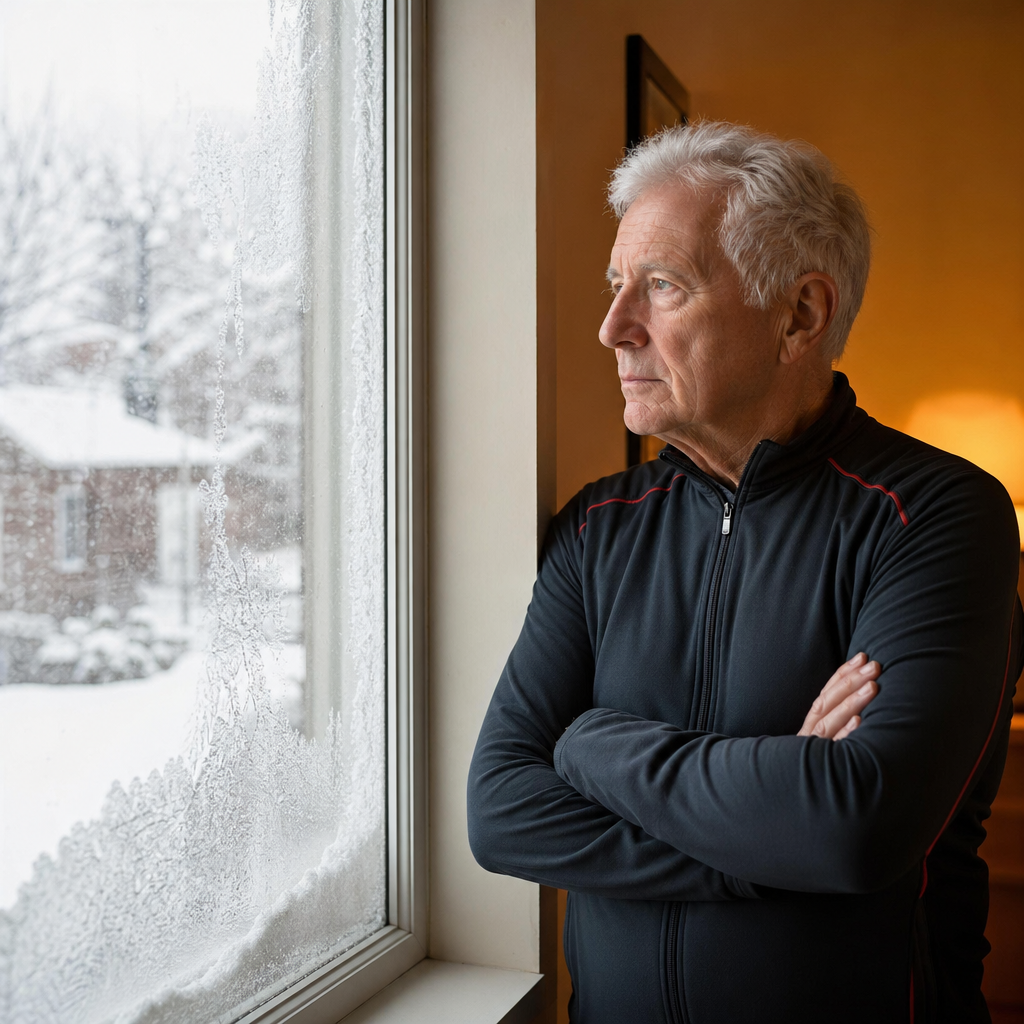
Cold weather affects older bodies differently than younger ones. Your blood vessels constrict in low temperatures, which increases blood pressure and puts extra strain on your heart. This happens even during light activity like shoveling snow or walking to your car.
Frozen walkways present another serious risk. According to the CDC, over 800,000 Americans are hospitalized each year from fall injuries, with seniors experiencing the most severe consequences. A simple slip on ice can lead to broken hips, wrist fractures, or head injuries that take months to recover from.
Your body also loses heat faster as you age because of reduced circulation and thinner skin. What feels chilly to a 30-year-old can become dangerously cold for someone over 65, even during moderate outdoor activity.
Mall Walking: The Social Indoor Alternative
Shopping malls have become unofficial senior fitness centers across the country, and for solid reasons. You get climate-controlled conditions, smooth flat surfaces, and built-in bathrooms every few hundred feet. Many malls open early specifically for walkers, usually around 7 or 8 AM before stores open.
The social aspect matters more than you might think. Regular mall walking groups create accountability and turn exercise into a social event rather than a chore. You’ll often find the same people walking at the same time, which naturally builds friendships.
Most malls measure between half a mile to a full mile for one complete loop. This makes tracking your distance simple without needing fancy fitness trackers. Start with two loops and gradually increase as your endurance improves.
If you want to track your steps more precisely, consider a basic pedometer designed for seniors with large display numbers that are easy to read while walking.
Indoor Pool Exercise: Low-Impact Full-Body Workouts
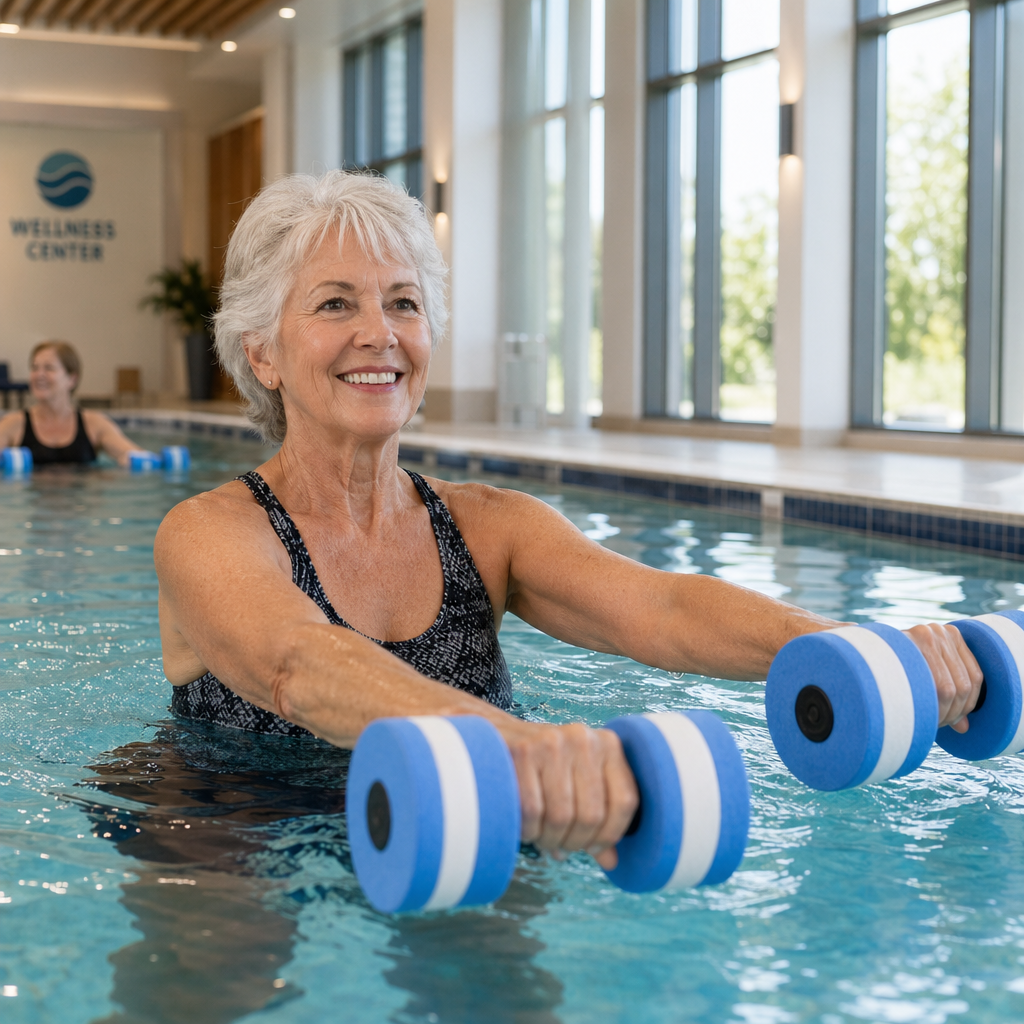
Water aerobics and pool walking provide exceptional winter exercise options because water naturally supports your joints while providing resistance. Your local YMCA, community center, or health club likely offers heated pools with senior-friendly hours.
Pool temperatures for senior exercise should stay between 83-88 degrees Fahrenheit. This range keeps you comfortable while allowing your body to work without overheating. Always ask about water temperature before joining a facility.
Water aerobics classes designed for seniors typically meet 2-3 times weekly and last 45-60 minutes. These classes accommodate various fitness levels, and instructors modify movements for anyone with arthritis, balance issues, or limited mobility.

Water Aerobics Shoes
Non-slip soles provide stability on wet pool surfaces and protect your feet during water exercises.
You don’t need to know how to swim for water exercise. Most senior programs take place in shallow water where you can stand comfortably. The buoyancy of water reduces impact on your knees and hips by up to 90% compared to land exercises.
Home Workout Routines That Actually Work
Your living room can become an effective exercise space with minimal equipment. Chair exercises, light resistance training, and balance work all happen safely at home without special gear or lots of space.
Start with chair yoga or seated strength exercises. These modified movements improve flexibility and build muscle without requiring you to get down on the floor. YouTube channels like SilverSneakers and HASfit offer free senior-specific routines you can follow along with.
A few basic items expand your home workout options significantly. Resistance bands, light hand weights (3-5 pounds), and a sturdy chair cover most exercises you’ll need. Skip expensive equipment that promises miracle results.

Resistance Bands Set for Seniors
Different resistance levels let you start easy and progress as you build strength.
Create a consistent schedule rather than exercising whenever you feel like it. Pick three specific days and times each week, then treat these appointments as seriously as doctor visits. Morning workouts tend to stick better because fewer things interfere with your plans.
Follow along with indoor walking videos for seniors when weather keeps you inside. These guided programs simulate outdoor walks with varying intensities and usually run 15-30 minutes.
Online Fitness Classes and Digital Options
Virtual fitness classes exploded during 2020 and many seniors discovered they prefer this format even when in-person options returned. You exercise on your own schedule, pause when needed, and replay sections you want to practice.
SilverSneakers offers free streaming workouts if your Medicare Advantage plan includes this benefit. Check your insurance documents or call your provider to see if you already have access. Classes range from gentle stretching to more vigorous cardio options.
YouTube provides endless free senior exercise content, though quality varies wildly. Stick with established channels that feature actual certified fitness instructors, not random people filming themselves. Look for channels that demonstrate modifications for different ability levels.
Paid options like AARP Staying Sharp or Senior Fitness with Meredith offer structured programs designed by professionals who understand older adult physiology. These typically cost less than a single month of gym membership.
Proper Footwear and Safety Equipment

Even indoor exercise requires appropriate footwear. Those slippers you shuffle around in won’t cut it for actual workouts. You need athletic shoes with good arch support, non-slip soles, and enough room in the toe box.
Replace your walking shoes every 300-500 miles or when you notice the tread wearing smooth. Worn shoes increase your fall risk and can cause knee or hip pain even during indoor activities. Write the purchase date inside your shoe so you remember when to replace them.

Non-Slip Indoor Walking Shoes
Rubber soles with good tread prevent slipping on smooth indoor floors during exercise.
For those times when you must go outside during winter, invest in quality ice grips that attach to your regular shoes. These slip-on traction devices feature metal coils or spikes that grip icy surfaces. Keep a pair in your car and another by your front door.
Maintaining Your Routine Through Harsh Weather
Consistency matters more than intensity when it comes to senior fitness. Missing a week or two during a cold snap can set you back significantly in terms of strength, balance, and cardiovascular health. Plan ahead so weather doesn’t derail your progress.
Stock your home with basic exercise equipment before winter hits hard. Waiting until a blizzard arrives to order resistance bands or workout videos means you’ll miss multiple exercise sessions while items ship.
Set up a dedicated exercise space in your home, even if it’s just a corner of your bedroom. Having a specific spot with your equipment ready to go removes one more excuse to skip workouts. You don’t need a full home gym, just enough room to extend your arms and take a few steps.
Connect with an exercise buddy who checks in regularly. This person can be a fellow senior, an adult child, or even a neighbor. Quick texts or calls asking “Did you do your workout today?” create gentle accountability that keeps you moving.
Frequently Asked Questions
How cold is too cold for seniors to exercise outdoors?
When temperatures drop below 32 degrees Fahrenheit, most seniors should move exercise indoors. Wind chill matters as much as actual temperature. If the wind chill hits 0 degrees or below, outdoor exercise becomes dangerous regardless of how many layers you wear. People with heart conditions, diabetes, or respiratory issues should use even more conservative limits, avoiding outdoor exercise when temperatures fall below 40 degrees.
What’s the minimum amount of exercise seniors need during winter?
The CDC recommends 150 minutes of moderate aerobic activity weekly for older adults, plus strength training twice per week. This breaks down to 30 minutes of walking or similar activity five days weekly. Winter doesn’t change these requirements. Your body needs consistent movement year-round to maintain muscle mass, bone density, and cardiovascular health.
Can I get enough exercise just doing housework during winter?
While vacuuming, cleaning, and household tasks burn calories and keep you moving, they don’t provide the structured cardiovascular workout and strength training your body needs. Housework can supplement your fitness routine but shouldn’t replace dedicated exercise time. You need activities that elevate your heart rate for sustained periods and challenge your muscles in ways that daily chores don’t.
This article contains affiliate links. We may earn a small commission at no extra cost to you.