Pelvic floor health isn’t the most glamorous topic, but for senior women dealing with unexpected leaks, urgency, or pelvic discomfort, it’s life-changing. These muscles support your bladder, bowel, and uterus, and when they weaken with age, childbirth history, or hormonal changes, the effects can be frustrating and isolating. The good news is that pelvic floor exercises can significantly improve or even eliminate these issues, often without medication or surgery.
This guide walks you through evidence-based pelvic floor strengthening techniques specifically for senior women. You’ll learn proper form, breathing coordination, what to avoid if you have prolapse, and when professional help makes sense. Let’s get started with the fundamentals.
Understanding Your Pelvic Floor

Your pelvic floor is a hammock of muscles stretching from your pubic bone to your tailbone. These muscles do more than you might think. They control bladder and bowel function, support your organs against gravity, contribute to sexual function, and stabilize your core during movement.
After menopause, declining estrogen weakens connective tissue throughout your body, including the pelvic floor. Add decades of gravity, previous pregnancies, chronic coughing, constipation, or high-impact activities, and you’ve got a recipe for weakened support. About 50% of women over 50 experience some form of pelvic floor dysfunction, though many suffer in silence.
The symptoms vary. Stress incontinence means leaking when you cough, sneeze, laugh, or exercise. Urge incontinence involves sudden, intense needs to urinate. Prolapse creates a sensation of heaviness or bulging in the vaginal area. Some women experience all three.
Proper Kegel Technique: Getting It Right
Kegel exercises are the foundation of pelvic floor rehabilitation, but studies show that up to 50% of women perform them incorrectly when taught only verbal instructions. Incorrect technique won’t help and might actually worsen symptoms.
Here’s how to find the right muscles. Next time you urinate, try stopping the flow midstream. Those are your pelvic floor muscles. But don’t make this a regular practice, as it can interfere with complete bladder emptying. Another method is to imagine stopping gas from passing or tightening around a tampon.
To perform a proper Kegel, contract these muscles by lifting and squeezing inward. You should feel a gentle lift inside your pelvis, not a bearing-down sensation. Your buttocks, thighs, and abdomen should stay relaxed. Place one hand on your belly to check. If it tightens significantly, you’re recruiting the wrong muscles.
Start with a 3-second hold, then release completely for 3 seconds. Complete relaxation between contractions is just as important as the squeeze itself. Muscles need recovery time to function properly. Work up to 10-second holds as you get stronger.
Aim for 3 sets of 10 repetitions daily. You can do them anywhere: while brushing your teeth, waiting at red lights, or watching television. Consistency matters more than perfection, so build them into existing routines.

Pelvic Floor Exercise Weights
Graduated weight sets help you progress your training and provide sensory feedback for better muscle engagement.
Coordinating Breath with Pelvic Floor Activation
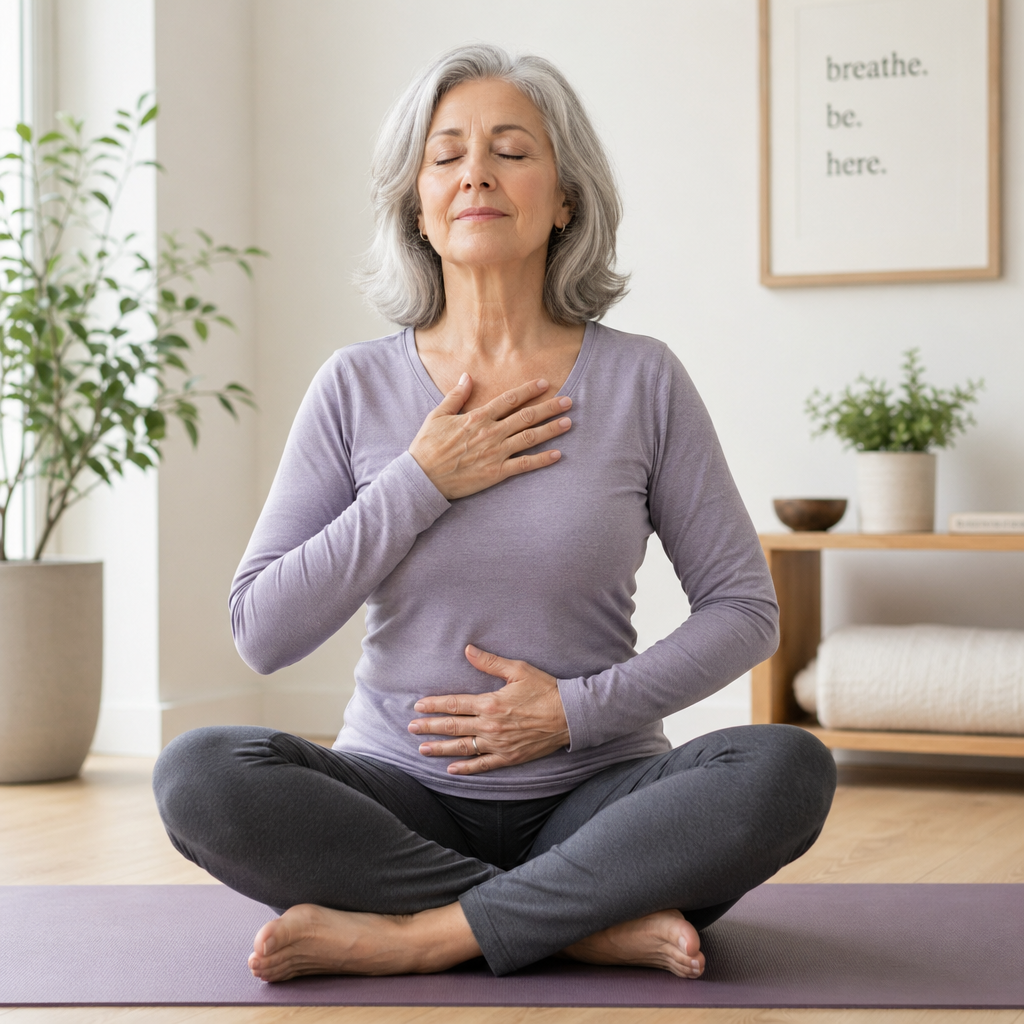
Your diaphragm and pelvic floor work together as part of your deep core system. When you breathe in, your diaphragm descends and your pelvic floor naturally relaxes slightly. On the exhale, both lift back up. This coordination is automatic when things are working well, but chronic stress, poor posture, or holding your breath during exertion can disrupt this pattern.
Practice this breathing coordination lying on your back with knees bent. Place one hand on your chest and one on your belly. Breathe in through your nose, letting your belly rise while your chest stays relatively still. Your pelvic floor should relax gently. As you exhale through your mouth, draw your belly button toward your spine and gently contract your pelvic floor.
This breath-to-pelvic floor connection becomes critical during functional movements. When you lift something heavy, sneeze, or stand up from a chair, exhale and engage your pelvic floor. This creates intra-abdominal pressure management and protects against leakage.
Many women hold their breath and bear down when lifting or straining, which pushes directly against the pelvic floor. Retraining this pattern takes conscious effort but pays significant dividends. Practice the exhale-and-engage pattern during everyday activities until it becomes automatic.
Beyond Kegels: Functional Pelvic Floor Exercises
While Kegels build strength, functional exercises train your pelvic floor to work during real-life movements. These exercises integrate pelvic floor activation with whole-body movements for better carry-over to daily activities. Including functional exercises in your routine helps ensure that pelvic floor strength translates into everyday benefits.
Bridge with Pelvic Floor Engagement
Lie on your back with knees bent and feet flat. Inhale to prepare, then exhale as you lift your pelvic floor and raise your hips off the ground. Hold for 3-5 seconds while maintaining the pelvic floor contraction and breathing normally. Lower slowly on an inhale. Perform 10-12 repetitions.
This exercise strengthens your glutes and hamstrings while training pelvic floor coordination. It’s particularly helpful for women who experience leakage when standing from a seated position.
Wall Squats with Breath Coordination
Stand with your back against a wall, feet shoulder-width apart and about a foot from the wall. Inhale as you slide down to a comfortable squat position (not too deep if you have knee issues). Exhale as you engage your pelvic floor and push back up. Perform 8-10 repetitions.
This mimics the movement of sitting and standing, which often triggers stress incontinence. Training your pelvic floor to engage during this movement pattern reduces accidents.
Heel Slides
Lie on your back with both knees bent. Engage your pelvic floor gently, then slowly slide one heel away from you until your leg is straight, maintaining the pelvic floor contraction. Slide it back. Alternate legs for 10 repetitions each side.
This exercise challenges your ability to maintain pelvic floor engagement while moving your legs, similar to walking. Keep the movement slow and controlled.
Exercises to Avoid with Prolapse

Pelvic organ prolapse affects about 40% of women who’ve had children, and the prevalence increases with age. If you’ve been diagnosed with prolapse or feel a bulge, heaviness, or pressure in your vaginal area, certain exercises can worsen your symptoms by increasing downward pressure on already-compromised support structures.
High-impact activities like running, jumping jacks, or trampoline exercises create repetitive downward forces. Heavy lifting, especially with poor breathing patterns, dramatically increases intra-abdominal pressure. Traditional abdominal exercises like crunches, sit-ups, and planks can also bear down on the pelvic floor.
Exercises that involve straining or bearing down should be modified or avoided. Deep squats below parallel may increase symptoms in some women. High-intensity interval training often combines problematic movements.
Instead, focus on low-impact activities like swimming, water aerobics, walking on flat surfaces, and modified strength training. You can absolutely stay active with prolapse, but you need to be strategic about exercise selection. A pessary support device fitted by a healthcare provider can help you stay active while managing symptoms.
Listen to your body. If an exercise creates pressure, bulging sensations, or worsens leakage, stop and try something else. Your symptoms are feedback that the activity exceeds your current tissue tolerance.
Building Pelvic Floor Awareness
Many women have lived with pelvic floor dysfunction so long that they’ve lost awareness of these muscles. Building conscious control and sensitivity takes time but improves both exercise effectiveness and functional outcomes.
Quick flicks help develop neuromuscular control. Contract your pelvic floor muscles quickly and release immediately, like a flicker. Perform 10 quick flicks, rest, then repeat. This trains the fast-twitch muscle fibers that respond during sudden activities like coughing or sneezing.
The elevator exercise improves graduated control. Imagine your pelvic floor as an elevator. Contract gently to the first floor, a bit more to the second, then maximum to the third floor. Hold briefly, then lower floor by floor. This builds fine motor control and strength through different ranges.
Body scanning meditation focused on your pelvic region can improve mind-muscle connection. Lie comfortably and bring gentle awareness to your pelvic floor without trying to change anything. Notice any tension, relaxation, or neutral sensation. This practice helps you recognize when you’re unconsciously clenching or bearing down during the day.

Biofeedback Pelvic Floor Trainer
These devices connect to apps that show you real-time data about your muscle contractions, making it easier to confirm proper technique.
When to See a Pelvic Floor Physical Therapist
While home exercises help many women, certain situations warrant professional evaluation. Pelvic floor physical therapists have specialized training in internal examination and treatment of pelvic floor dysfunction. They can assess muscle tone, coordination, strength, and identify issues invisible from the outside.
You should consider seeing a specialist if you’ve been doing Kegels consistently for 6-8 weeks without improvement. Some women have overactive or hypertonic pelvic floors, where muscles are chronically tight. For these women, more Kegels make symptoms worse. A therapist can determine if you need relaxation techniques rather than strengthening.
Seek professional help if you experience pain during intercourse, persistent pelvic pain, difficulty emptying your bladder or bowels, or significant prolapse symptoms. These issues often require hands-on treatment, manual therapy, electrical stimulation, or other interventions beyond home exercise.
If you’re unsure whether you’re doing Kegels correctly, a single session with a pelvic floor PT can be invaluable. They can provide internal feedback about whether you’re contracting correctly, bearing down instead of lifting, or using compensatory muscles. This guidance prevents months of ineffective practice.
Many women feel embarrassed about pelvic floor issues, but these therapists work exclusively with these problems. They’ve seen everything and approach treatment matter-of-factly. Getting help early prevents progression and improves your quality of life significantly.
Creating Your Pelvic Floor Exercise Routine
Start conservatively and build gradually. In the first week, focus on finding the correct muscles and performing basic Kegels without functional movements. Do 3 sets of 5 repetitions, holding for 3 seconds each.
Week two through four, increase to 3 sets of 10 repetitions, holding for 5 seconds. Add quick flicks (1 set of 10) and begin practicing breath coordination lying down. Introduce one functional exercise like bridges.
Weeks five through eight, progress to 10-second holds if comfortable. Add wall squats and heel slides. Practice engaging your pelvic floor before coughing, sneezing, or lifting throughout the day.
Track your symptoms in a