Finishing cancer treatment feels like it should be the beginning of getting your life back. But if you’ve been through chemotherapy, radiation, surgery, or hormone therapy, you know your body isn’t the same as it was before diagnosis. You’re dealing with fatigue that doesn’t quit, muscles that seem to have disappeared, and maybe even bones that are more fragile than they used to be. The question isn’t whether exercise can help, because it absolutely can. The question is how to start rebuilding when you feel like you’ve got nothing left in the tank.
Exercise after cancer treatment isn’t about jumping back into your old routine or proving anything to anyone. It’s about gradually reclaiming your strength, managing the side effects that linger long after treatment ends, and giving yourself something positive to focus on. But you need to do it right, which means starting with medical clearance and moving forward at a pace that respects what your body has been through.
Get Medical Clearance Before You Start

This isn’t just covering legal bases. Your oncologist needs to give you the green light because certain treatments create specific risks. If you’ve had chest radiation, you might have cardiovascular issues. If you’ve been on aromatase inhibitors or steroids, your bone density could be compromised. Some chemotherapy drugs affect your heart function, and you need to know where you stand before adding physical stress.
Ask your doctor specific questions. Can you do weight-bearing exercise? Are there heart rate limits you should observe? Do you need a bone density scan first? Should you work with a physical therapist who specializes in oncology rehabilitation?
Once you have clearance, consider getting a baseline fitness assessment. Many cancer centers now have exercise programs specifically for survivors, and they’ll test your strength, endurance, and range of motion. This gives you a starting point and helps you track real progress, which matters more than you might think when you’re feeling discouraged.
Managing the Fatigue That Won’t Quit
Cancer-related fatigue is different from normal tiredness. You can sleep for ten hours and still feel exhausted. The counterintuitive truth is that exercise actually helps reduce this type of fatigue, but only if you approach it correctly.
Start absurdly small. I’m talking five minutes of walking. Not thirty minutes because some article said that’s the minimum. Not even fifteen. Just five. Do that for a few days, then add two more minutes. This gradual progression prevents you from crashing and having to start over.
Pay attention to the difference between tiredness and fatigue. Tiredness after exercise is normal and actually indicates you’re rebuilding. Fatigue that wipes you out for the next two days means you did too much. Learn to recognize that line because it’s different for everyone, and it will shift as you get stronger.
Morning exercise often works better for managing fatigue. Your energy is typically highest then, and getting movement in early can actually improve your energy levels later in the day. But if you’re someone whose body needs time to wake up, don’t force it. The best time to exercise is whenever you’ll actually do it.
Rebuilding Lost Muscle and Strength
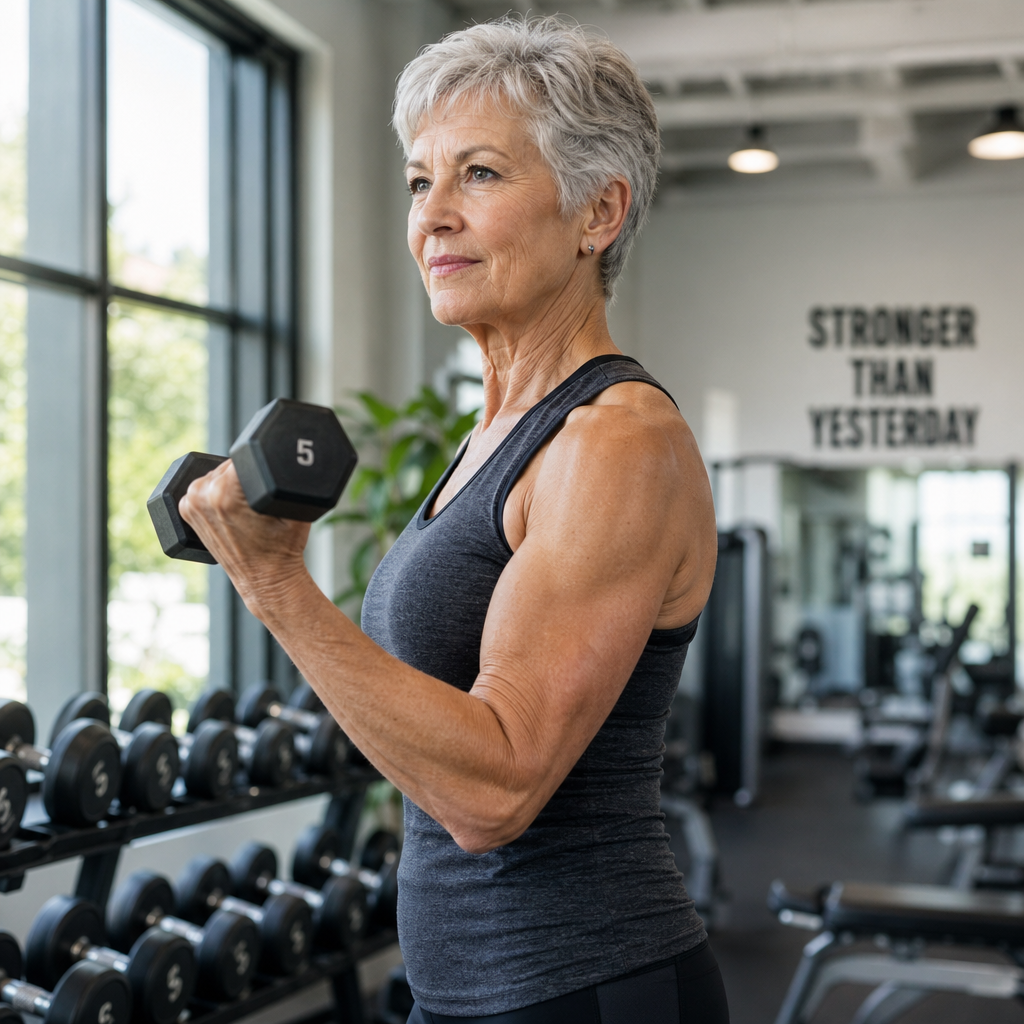
Treatment can strip away muscle mass surprisingly fast. Between the cancer itself, reduced activity during treatment, and the catabolic effects of certain therapies, you’ve likely lost significant strength. Rebuilding takes time, but resistance training is your most effective tool.
Resistance bands are perfect for starting out. The Fit Simplify Resistance Loop Bands come in five resistance levels, letting you start with minimal resistance and progress gradually. They’re portable enough to use anywhere and gentle on joints that might be dealing with treatment-related arthritis or pain.
Focus on compound movements that work multiple muscle groups at once. Squats, even if you’re just sitting down in a chair and standing back up, work your legs and core. Wall push-ups engage your chest, shoulders, and arms without requiring you to support your full body weight. These functional movements help you with daily activities, not just gym performance.
Protein intake matters more now than it did before. Your body needs adequate protein to rebuild muscle, and many cancer survivors don’t eat enough. Aim for at least 20-30 grams of protein within an hour after resistance training. Greek yogurt, protein shakes, eggs, or lean meat all work. If you’re struggling with appetite or taste changes, protein shakes might be easier to get down.
Protecting Your Bones After Treatment
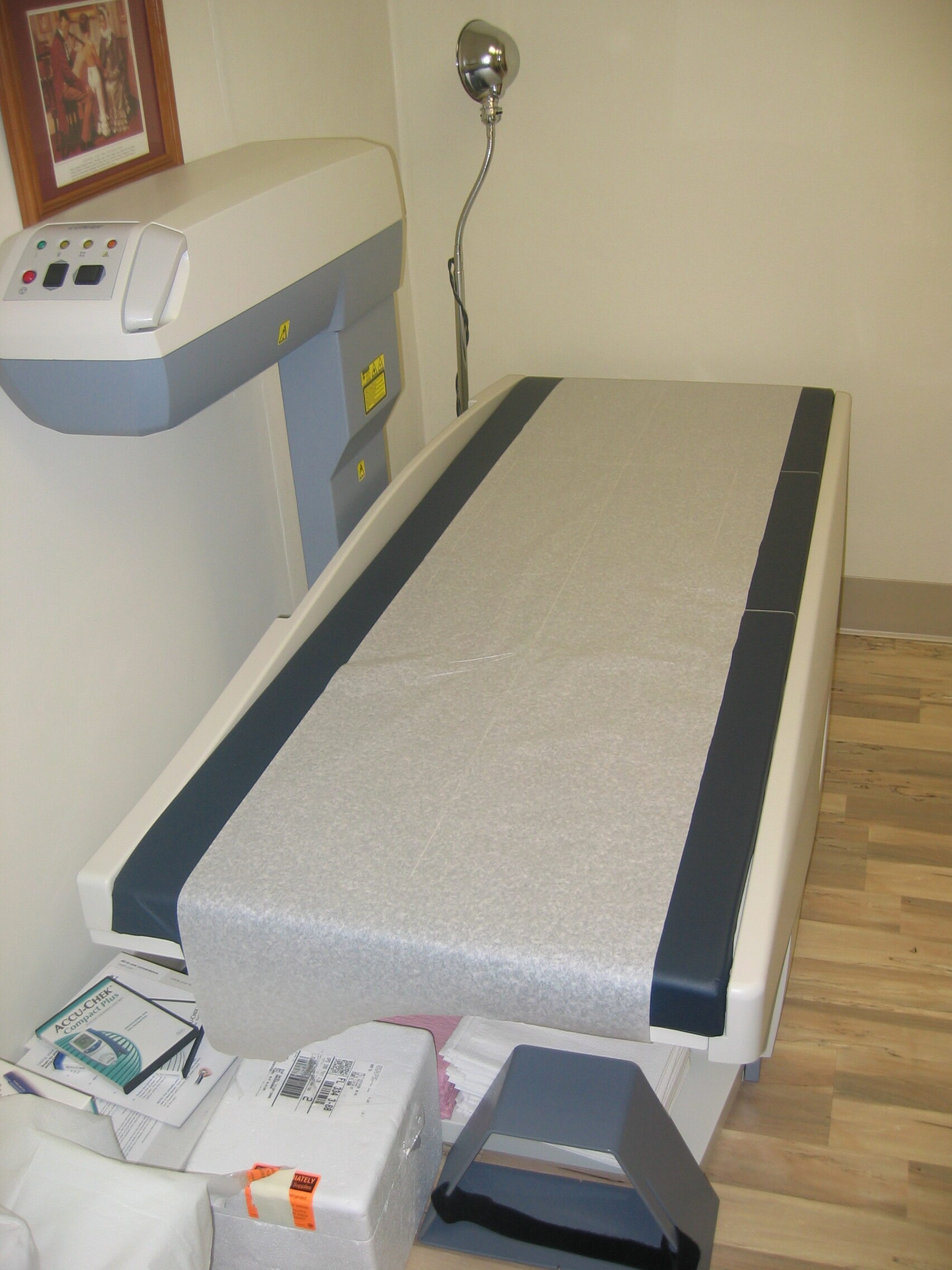
Certain cancer treatments wreak havoc on bone density. Aromatase inhibitors for breast cancer, androgen deprivation therapy for prostate cancer, and many chemotherapy drugs can all lead to osteoporosis or osteopenia. This makes you more vulnerable to fractures from activities that wouldn’t have bothered you before.
Weight-bearing exercise is your best defense. Walking, light jogging if you’re cleared for it, and resistance training all stimulate bone formation. The key is consistency over intensity. Three 20-minute sessions per week of weight-bearing activity will do more for your bones than one exhausting 90-minute workout.
If you’ve been diagnosed with low bone density, avoid high-impact activities and exercises that involve twisting or bending forward at the waist. Skip the crunches and sit-ups. Be cautious with yoga poses that put your spine at risk. Instead, focus on standing exercises, resistance training with proper form, and activities like walking or using an elliptical machine.
Consider adding vitamin D and calcium if your doctor recommends them, but don’t rely on supplements alone. Exercise provides mechanical stress that actually signals your bones to get stronger. Supplements can’t do that.
The Mental Health Benefits You Didn’t Expect
The physical benefits of exercise after cancer get most of the attention, but the psychological impact might matter even more. You’ve spent months or years in survival mode, with your body feeling like it betrayed you. Exercise gives you a chance to feel capable again.
Even small amounts of regular physical activity reduce anxiety and depression in cancer survivors. You’re producing endorphins, sure, but you’re also proving to yourself that you’re getting stronger. That psychological boost compounds over time.
Group exercise classes designed for cancer survivors offer social connection with people who understand what you’ve been through. You don’t have to explain why you need to modify exercises or why you’re crying during cool-down stretches. Organizations like LIVESTRONG at the YMCA offer free programs specifically for survivors.
Exercise also gives you back some control. You can’t control whether cancer returns, but you can control whether you put on your shoes and walk for ten minutes today. That sense of agency matters when so much has felt out of your hands.
Building Your Sustainable Routine
Consistency beats intensity every single time, especially when you’re rebuilding. A sustainable routine starts with scheduling exercise at the same time each day, making it a non-negotiable appointment with yourself.
Mix different types of activity throughout the week. Two days of resistance training, three days of cardiovascular exercise like walking or cycling, and daily stretching or gentle yoga. This variety prevents overuse injuries and keeps you from getting bored.
Track your progress in a simple journal or fitness tracking app. Note how long you exercised, how you felt during and after, and your fatigue levels the next day. This data helps you identify patterns and adjust your routine when needed.
Expect setbacks. You’ll have bad weeks where you can barely move. You might need another surgery or deal with a cancer recurrence. Life happens. The goal isn’t perfection. The goal is to keep coming back to movement whenever you’re able, rebuilding the habit each time.
Frequently Asked Questions
How long after finishing treatment should I wait before starting to exercise?
This depends entirely on your specific treatment and current physical condition. Some people can start gentle movement within days of finishing treatment, while others need weeks or months to recover. Your oncologist should make this determination based on your blood counts, overall health, and any complications you experienced. Generally, if your doctor clears you for normal daily activities, you can begin with very light exercise like short walks. Just remember that clearance for daily activities doesn’t automatically mean clearance for intense workouts.
What do I do if exercise makes my cancer-related neuropathy worse?
Chemotherapy-induced peripheral neuropathy affects your balance and can make exercise challenging or painful. Start with seated exercises if standing is difficult, and avoid activities that require precise footwork until your balance improves. Aquatic exercise is excellent for neuropathy because the water provides support and reduces fall risk. Stationary cycling works well since you’re seated and stable. Always wear supportive, cushioned shoes, and consider working with a physical therapist who can teach you exercises that might actually improve neuropathy symptoms over time. Some survivors find that consistent, gentle exercise gradually reduces neuropathy, though it rarely eliminates it completely.
Can exercise actually reduce my risk of cancer recurrence?
Research shows that regular exercise does reduce recurrence risk for certain cancers, particularly breast and colorectal cancer. For breast cancer survivors, studies indicate that 3-5 hours of moderate exercise per week can reduce recurrence risk by approximately 40-50%. The mechanisms aren’t fully understood, but exercise affects hormone levels, inflammation, immune function, and body composition, all of which influence cancer risk. However, exercise isn’t a guarantee against recurrence, and you shouldn’t feel guilty if you develop recurrent disease despite exercising regularly. Think of exercise as one factor among many that influences your overall health and potentially your cancer outcomes.
Related Articles
- Benefits of Resistance Training for Seniors Over 65
- Managing Hip Pain Through Exercise: 12 Gentle Movements That Help
- Building Functional Strength for Carrying Groceries as a Senior
- Water Aerobics for Seniors: Pool Exercise Benefits 2026