Living with Parkinson’s disease presents unique challenges, but exercise has emerged as one of the most powerful tools for managing symptoms and maintaining quality of life. Research consistently shows that specific types of movement can improve balance, reduce tremors, enhance mobility, and even slow disease progression. The key is knowing which exercises work best and how to perform them safely.
This isn’t about generic senior fitness. Parkinson’s requires specialized exercise protocols that address the specific motor and non-motor symptoms of the disease. Let’s explore the research-backed approaches that are making real differences for people with Parkinson’s.
Why Exercise Matters for Parkinson’s
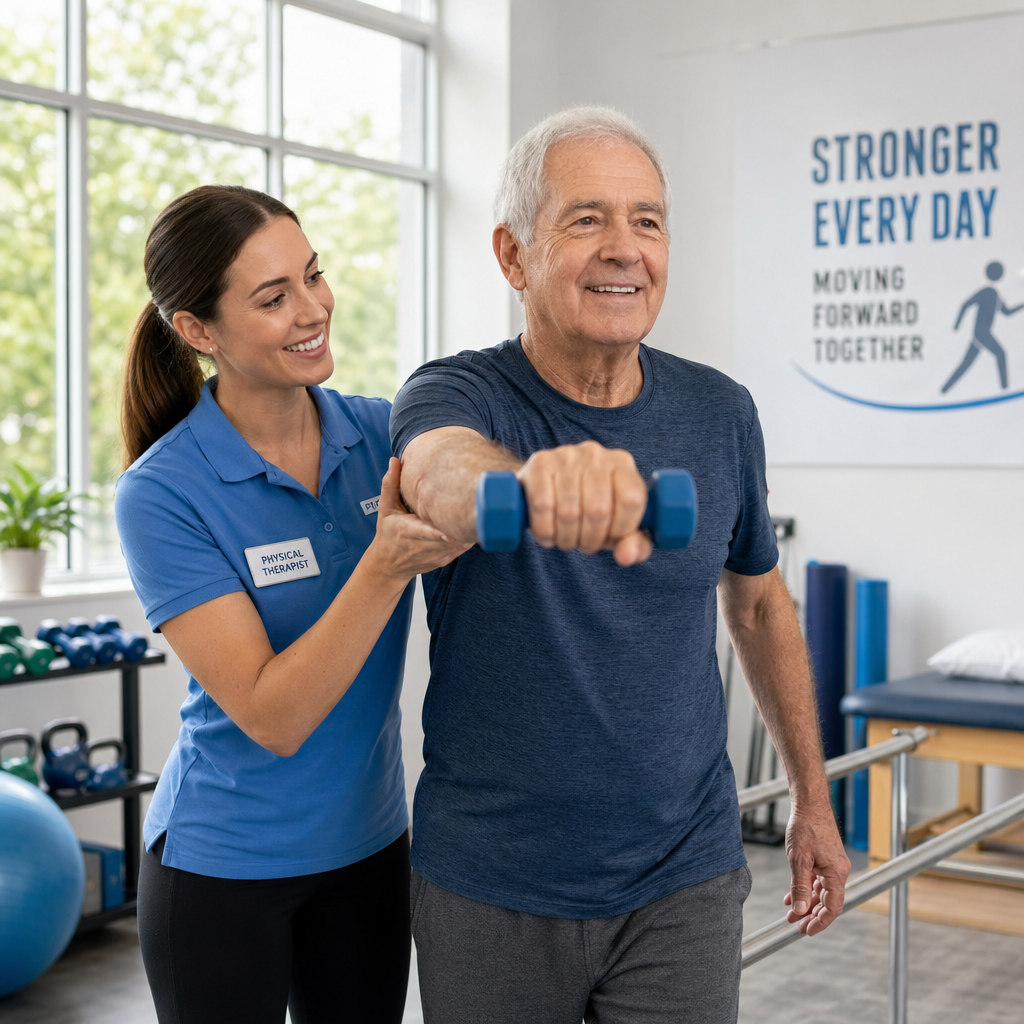
Parkinson’s disease affects the brain’s ability to produce dopamine, which controls movement. While medication helps replace this missing dopamine, exercise actually changes how your brain functions. Studies from multiple universities have shown that intensive exercise can increase dopamine receptor sensitivity and promote neuroplasticity.
The benefits go beyond just feeling better. A 2019 study published in JAMA Neurology found that people with Parkinson’s who exercised regularly showed slower disease progression over two years compared to those who didn’t. We’re talking about measurable improvements in motor scores and daily function.
Exercise also addresses non-motor symptoms like depression, anxiety, sleep problems, and cognitive decline. Many people report these improvements even before they notice changes in their physical symptoms.
The Big Movements Concept
One of the most important principles in Parkinson’s exercise is making movements bigger and more exaggerated than normal. This concept, developed through programs like LSVT BIG, directly counteracts the small, shuffling movements that characterize Parkinson’s.
Your brain with Parkinson’s has lost its ability to accurately gauge movement size. What feels like a normal step to you is actually much smaller than it should be. By consciously making movements 15-20% larger than what feels normal, you’re recalibrating your internal perception.
Apply this to every exercise. When reaching overhead, stretch as high as possible. When stepping, take exaggerated strides. When turning your head, rotate fully to each side. This amplitude training has shown significant benefits in clinical trials, with improvements lasting months after the training period ends.
Practice these big movements during daily activities too. Make your arm swing larger when walking. Take bigger steps when crossing the street. Use full range of motion when brushing your teeth or combing your hair. These deliberate, exaggerated movements can be incorporated into coordination exercises that improve overall motor control.
Boxing Programs for Parkinson’s
Boxing-based exercise programs have become incredibly popular for good reason. Rock Steady Boxing, founded specifically for people with Parkinson’s, now has hundreds of affiliates worldwide. The program works because boxing naturally incorporates the types of movements that benefit Parkinson’s symptoms.
Punching movements are big, forceful, and require coordination between upper and lower body. They demand quick directional changes, which challenge balance and agility. The rotational component of throwing punches engages core muscles and practices the twisting movements that become difficult with Parkinson’s.
You don’t need a formal Rock Steady program to benefit from boxing exercises. A heavy bag, speed bag, or work with focus mitts all provide similar benefits. The key elements are maintaining an athletic stance, rotating through your hips, and throwing punches with full extension.
Start with basic jabs and crosses, focusing on form rather than speed or power. Add hooks and uppercuts as you build confidence. Work in 2-3 minute rounds with rest periods, just like actual boxing training. Many participants find the structured rounds help with exercise adherence because they have clear work and rest intervals.
Dance Therapy and Rhythmic Movement
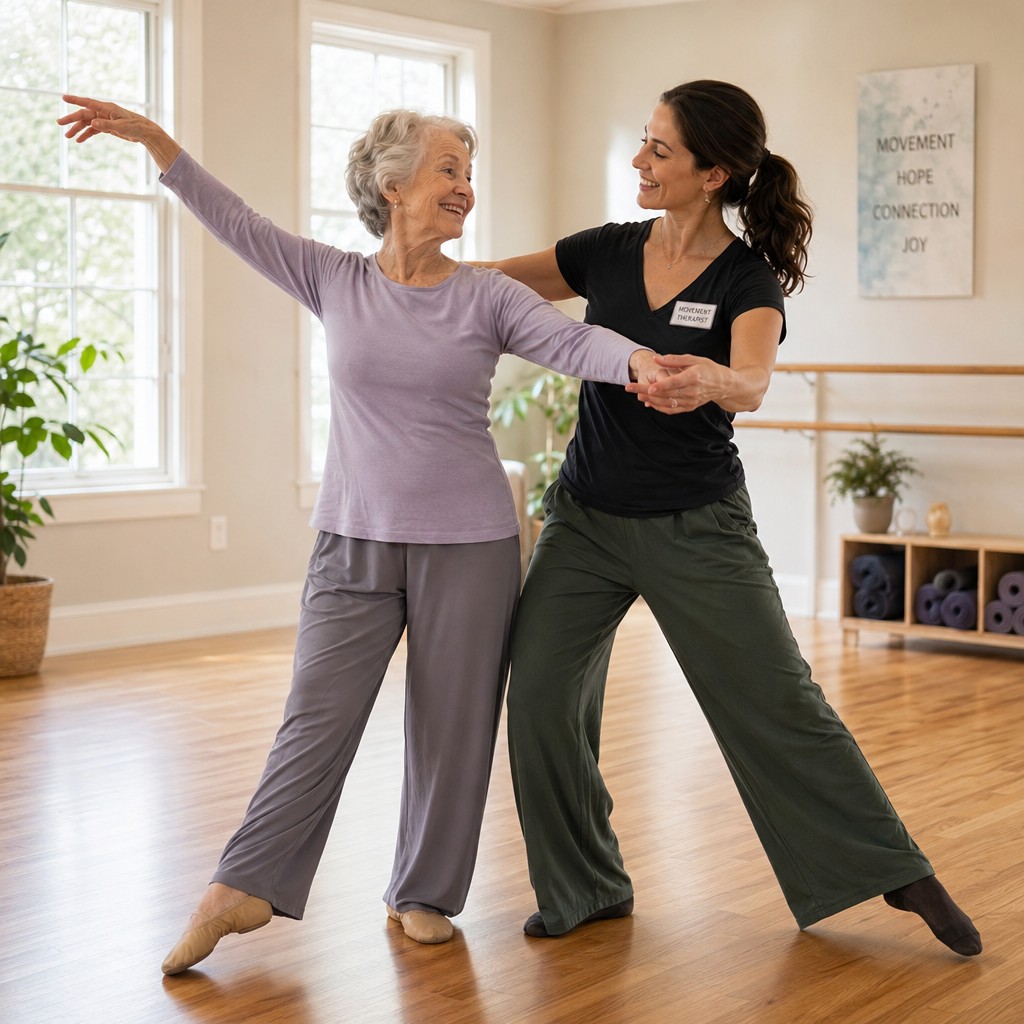
Dance addresses Parkinson’s symptoms through rhythm, complex movement patterns, and social engagement. Programs like Dance for PD, developed in partnership with the Mark Morris Dance Group, have shown improvements in balance, gait, and mood in multiple studies.
The rhythmic component is particularly valuable. Many people with Parkinson’s experience freezing episodes where their feet seem stuck to the floor. External rhythmic cues, whether from music, a metronome, or counting, can help break through these freezing episodes and improve gait regularity.
Tango has received special attention in research studies. The dance requires backward walking, quick directional changes, and navigating around a partner. A 2015 study in Complementary Therapies in Medicine found that tango classes improved balance and functional mobility more than standard exercise classes.
You can start with simple movements set to music you enjoy. Practice stepping in time with different tempos. Add turns, direction changes, and variations in speed. Online classes specifically designed for Parkinson’s are widely available if you don’t have access to in-person programs. For those looking to build foundational movement skills, step-based exercises offer cardiovascular and coordination benefits that complement dance therapy.
Research-Backed Exercise Protocols
The most effective Parkinson’s exercise programs share several characteristics. They’re intensive, meaning you’re working at 70-80% of your maximum heart rate for at least part of the session. They’re frequent, with four or more sessions per week producing better results than fewer sessions.
High-intensity interval training (HIIT) has shown particular promise. A protocol might include 30 seconds of intense effort followed by 90 seconds of recovery, repeated 8-10 times. You can apply this to cycling, walking, or any exercise you can safely perform at high intensity.
Forced-rate exercise on a stationary bike, where you pedal at rates 30% faster than you’d choose voluntarily, has demonstrated significant benefits. Studies used rates of 80-90 RPM for participants who would naturally pedal at 50-60 RPM. This appears to provide unique neurological benefits beyond standard cycling.
Strength training matters too. Focus on multi-joint exercises like squats, lunges, rows, and presses. Aim for 2-3 sets of 8-12 repetitions at a challenging weight. Don’t be afraid to lift heavy under proper supervision. Building strength directly improves your ability to perform daily activities. The benefits of resistance training extend beyond muscle building to improved bone density and metabolic health.
Safety Considerations and Progression
Balance is the primary safety concern. Start every exercise session with controlled movements near a stable surface you can grab if needed. A sturdy chair, countertop, or ballet barre works well. Never exercise where a fall could result in serious injury.
Medication timing affects exercise performance. Many people find they move best 30-60 minutes after taking their Parkinson’s medication when dopamine levels peak. Schedule exercise sessions during these “on” periods when possible.
Freezing episodes can happen during exercise. If you freeze, don’t try to power through. Instead, shift your weight side to side, march in place, or step over a real or imaginary line. Some people find verbal cues like “big steps” or counting out loud helps restart movement.
Progress gradually but consistently. Add 5-10% more challenge each week through longer duration, higher intensity, or more complex movements. Your exercise program should feel challenging but achievable. You should finish sessions tired but energized, not exhausted or discouraged. For variety and full-body engagement, consider incorporating ground-based movements that challenge multiple muscle groups while building functional strength.
Involving Caregivers and Exercise Partners
Having a caregiver or exercise partner involved improves both safety and adherence. They can spot you during challenging exercises, provide motivation on difficult days, and help monitor for signs of overexertion or problems.
Train your exercise partner on what to watch for. They should know the signs of orthostatic hypotension (dizziness when standing), recognize freezing episodes, and understand how to assist without taking over completely. The goal is support, not dependence.
Many couples find that exercising together strengthens their relationship beyond the physical benefits. It creates shared goals and positive interactions that balance the caregiving aspects of their relationship. Consider joining a Parkinson’s-specific exercise class where both of you can participate.
Communicate openly about what helps and what doesn’t. Some people want encouragement to push harder, while others need permission to modify exercises. Your needs may change day to day based on symptoms and medication effects.
Frequently Asked Questions
How soon after diagnosis should I start a Parkinson’s exercise program?
Start immediately. Early intervention produces the best long-term outcomes. Research suggests that exercise in the early stages may help preserve motor function and potentially slow disease progression. You don’t need to wait until symptoms worsen. Begin with activities you enjoy and can perform safely, then progress to more structured programs as needed.
What should I do on days when my symptoms are particularly bad?
Modify rather than skip exercise entirely. On difficult days, reduce intensity or duration rather than doing nothing. Even 10 minutes of gentle movement maintains the habit and provides some benefit. Focus on exercises you find easiest or most enjoyable. Some movement is always better than none, and complete rest days often lead to increased stiffness and difficulty restarting your routine.
Can exercise replace or reduce my Parkinson’s medication?
Exercise complements medication but doesn’t replace it. Never adjust your medications without consulting your neurologist. Some people find that consistent exercise allows them to delay medication increases or manage symptoms with lower doses, but this varies individually. Think of exercise and medication as working together, each providing benefits the other can’t. Your doctor should know about your exercise program as it may influence medication timing and dosing decisions.
Related Articles
- Fun and Functional Coordination Exercises for Seniors
- Alligator Crawl Exercise for Seniors: Learn How and Why to Try
- 12 Health Benefits of Step Workouts
- Benefits of Resistance Training for Seniors Over 65