Knowing your heart rate during exercise isn’t just useful, it’s a safety measure. For seniors, especially those on blood pressure or heart medications, exercising at the right intensity can mean the difference between a productive workout and a dangerous one. The challenge is finding a monitor that’s accurate for older adults, easy to read, and simple to use without a tech degree.
Before starting any new exercise program or using a heart rate monitor to guide workout intensity, talk to your doctor. This is especially important if you have a heart condition, take medications that affect heart rate, or have been relatively inactive. Your doctor can help establish safe target zones specific to your health status.
Chest Strap vs. Wrist-Based Monitors
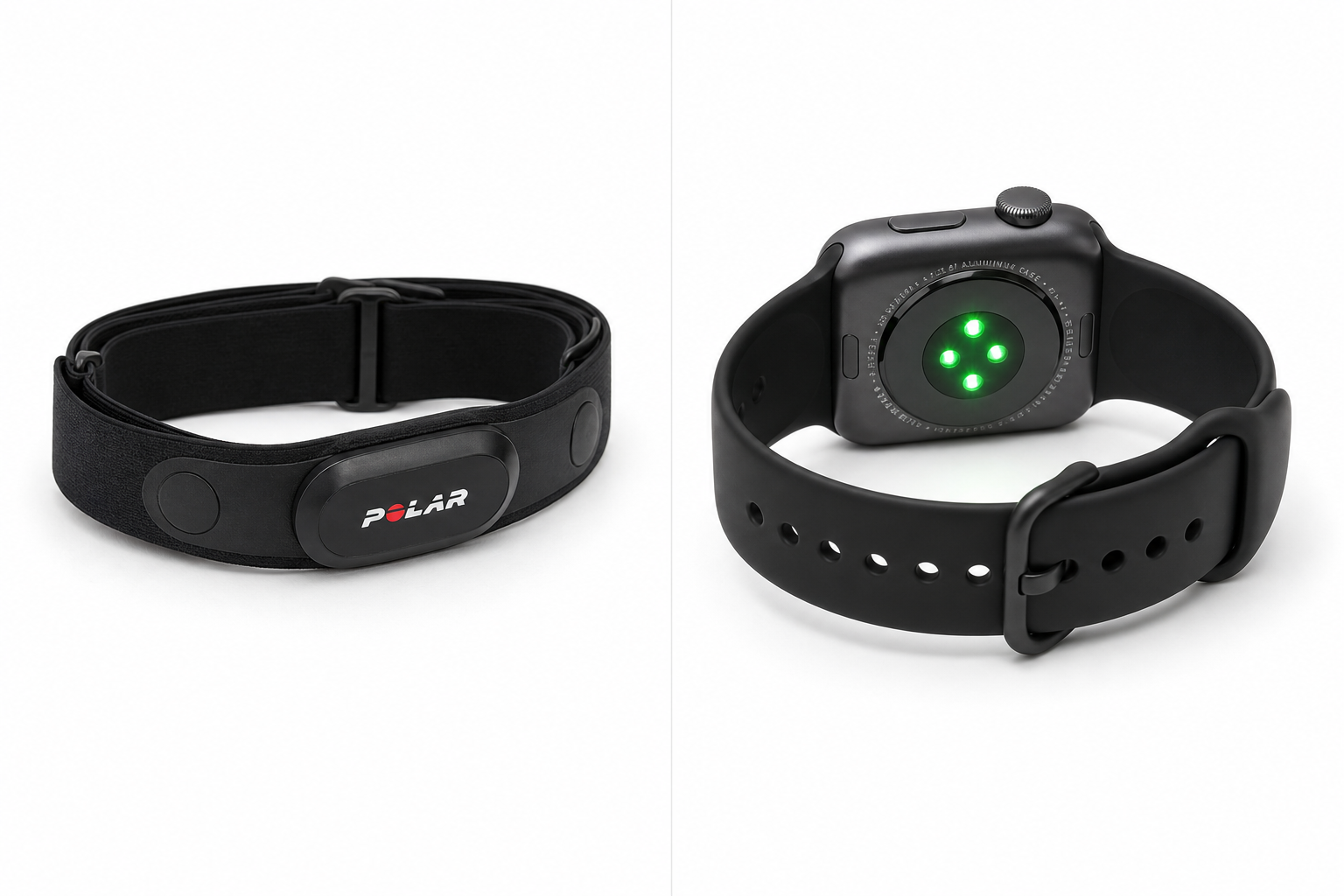
Chest Straps: More Accurate, Less Convenient
Chest strap monitors detect the electrical signal from your heartbeat directly through your skin. They’re the gold standard for accuracy, reading within 1-2 beats per minute of a clinical ECG. For seniors who need precise heart rate data (especially those on beta-blockers or with arrhythmias), chest straps are the most reliable option.
The technology works by measuring the same electrical activity your heart produces with each beat, the same signal an ECG machine reads in a doctor’s office. Two electrodes built into the strap fabric pick up this signal and transmit it wirelessly to a watch or phone. Because the measurement is direct and electrical rather than optical, it isn’t affected by skin tone, hair, movement, or blood flow issues that compromise wrist monitors.
Drawbacks: Some people find the strap uncomfortable, especially during longer sessions. The strap needs to be snug and slightly damp for good contact. They also require a paired watch or phone to display the reading. If you prefer exercising without any device on your wrist, you’ll need to glance at your phone periodically to check your heart rate. The strap also needs occasional washing, and the electrode pads can wear out over time, requiring replacement of the entire unit or just the strap portion depending on the model.
Wrist-Based Monitors: Convenient but Less Reliable
Wrist monitors use optical sensors (green LED lights) to measure blood flow changes in your wrist. They’re built into fitness watches and trackers, making them the easiest option to use. However, accuracy drops significantly in older adults due to thinner skin, reduced blood flow, and looser wrist tissue. Errors of 10-20 beats per minute are common, especially during exercise.
The optical sensor works by shining light into your skin and measuring how much light bounces back. When your heart beats, blood volume in your wrist increases slightly, changing how much light is absorbed. The sensor detects these tiny changes and converts them into a heart rate reading. This method works reasonably well at rest but struggles during movement when the sensor shifts on your wrist or when blood flow to your extremities decreases.
When wrist monitors struggle most: During activities with significant wrist movement (walking with arm swing, resistance training), in cold weather (reduced peripheral blood flow), on very thin or very hairy wrists, and in people with circulation issues like Raynaud’s or peripheral artery disease. Tattoos on the wrist can also interfere with readings, as the ink absorbs the light before it reaches blood vessels.
For general fitness tracking and trend monitoring, wrist-based monitors are acceptable. If you’re walking most days and want to see whether your resting heart rate is gradually decreasing (a sign of improving fitness), a wrist monitor will show that pattern even if individual readings aren’t perfectly accurate. But for precise intensity control during exercise, especially if you have cardiac concerns, a chest strap is worth the minor inconvenience. Many senior walkers combine a GPS watch with a chest strap for the best of both worlds.
Top Heart Rate Monitors for Seniors
Polar H10 Chest Strap
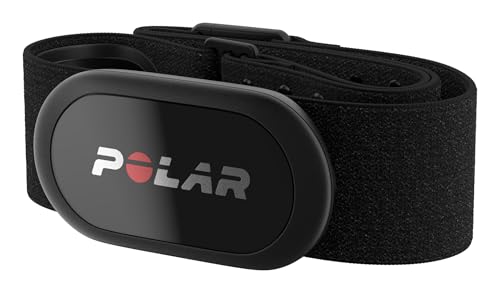
Polar H10 Heart Rate Monitor
Most accurate consumer heart rate monitor, ideal for seniors on beta-blockers or heart medications who need precise readings
The Polar H10 is the most accurate consumer heart rate monitor available. It connects to virtually any fitness watch, phone app, or gym equipment via Bluetooth and ANT+. The updated strap design is more comfortable than previous models with softer fabric and secure clip closures. It also stores one workout session internally, so you can exercise without your phone and sync the data afterward.
The Polar H10 uses a small sensor pod that clips onto a washable fabric strap. Battery life runs about 400 hours of use before needing a replacement coin cell battery, which you can change yourself. The strap adjusts from about 26 to 36 inches around the chest, fitting most body types. Wear it just below your chest muscles, snug but not tight. A light spray of water on the electrode pads before wearing helps establish good contact.
Best for: Seniors on beta-blockers or heart medications who need precise readings, anyone with an arrhythmia that wrist monitors can’t track reliably, or those who want data accurate enough to share with a cardiologist.
Apple Watch (Latest Series)
The Apple Watch offers the best all-around wrist-based experience for seniors. The optical heart rate sensor is more accurate than most competitors, and the fall detection feature automatically calls emergency services if it detects a hard fall followed by no movement. The ECG app can detect atrial fibrillation, and the large display is readable at arm’s length.
The watch checks your heart rate every few seconds during exercise and periodically throughout the day. If it detects an unusually high or low heart rate when you appear inactive, it sends an alert. The ECG feature requires you to hold your finger on the digital crown for 30 seconds while it records a single-lead electrocardiogram. This isn’t a replacement for medical monitoring, but it can catch irregular rhythms that warrant a doctor visit.
Navigation is intuitive with a large touchscreen and a rotating crown that lets you scroll without covering the screen with your finger. The watch also includes medication reminders, which is helpful if you take heart medications on a schedule. Battery life runs about 18 hours, requiring nightly charging.
Best for: Seniors who want an all-in-one device with fall detection, ECG capability, and a user-friendly interface. Requires an iPhone.
Fitbit Charge 6
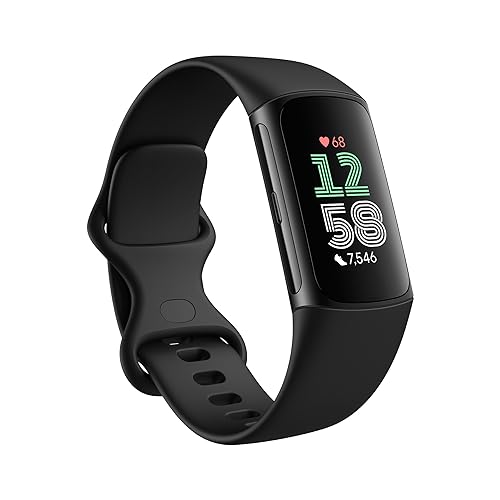
Fitbit Charge 6
Slimmer, more affordable alternative to smartwatches with week-long battery life and compatibility with both Android and iPhone
The Fitbit Charge 6 is a slimmer, more affordable alternative to the Apple Watch. It includes continuous heart rate monitoring, built-in GPS, and sleep tracking. The display is smaller than the Apple Watch but still legible. Works with both Android and iPhone. The exercise modes automatically detect walking, running, and cycling.
The Charge 6 sits lower profile on your wrist than a full smartwatch, which some people prefer. The screen is color but not always-on, meaning you need to tap it or raise your wrist to wake it. Battery lasts about seven days between charges, reducing the daily routine of plugging in a device. The Fitbit app provides detailed heart rate data over time, showing resting heart rate trends and how quickly your heart rate recovers after exercise (a useful fitness marker).
One notable feature: the Charge 6 can show your heart rate on compatible gym equipment, letting you see your data on the treadmill or bike console without looking at your wrist.
Best for: Seniors who want heart rate monitoring without the complexity of a full smartwatch, those who use Android phones, or anyone who dislikes daily charging routines.
Garmin Venu Sq 2
The Garmin Venu Sq 2 offers a bright, easy-to-read display with battery life that lasts up to 11 days. Heart rate monitoring is continuous, and the Health Snapshot feature runs a 2-minute assessment of heart rate, stress, respiration, and blood oxygen. The longer battery life is a major convenience for seniors who don’t want daily charging.
The square display is sharp and visible in direct sunlight, helpful for outdoor exercise. Garmin’s interface is less intuitive than Apple’s but perfectly manageable once you learn the button layout. The watch tracks a wide range of activities, including strength training, yoga, and swimming. It also monitors sleep quality and provides a “Body Battery” score that estimates your energy level based on stress, activity, and recovery. This can help you recognize when you’re overdoing it and need a rest day.
Garmin watches pair with chest straps if you want to upgrade accuracy for specific workouts while keeping the convenience of wrist-based monitoring most of the time.
Best for: Seniors who want long battery life, those who exercise outdoors and want GPS tracking without carrying a phone, or anyone interested in detailed training metrics.
Garmin HRM-Dual Chest Strap
The Garmin HRM-Dual is a budget-friendly chest strap option that still delivers accurate readings. It pairs with Garmin devices as well as most other brands via Bluetooth and ANT+. The strap is simple, no internal memory or advanced features, just reliable heart rate transmission. Battery life is about 3.5 years of one-hour daily use.
This strap is a good choice if you already own a fitness watch and want to add chest strap accuracy without paying for features you don’t need. It’s also compatible with many gym equipment consoles, so your heart rate can display on the treadmill screen while you walk or run.
Best for: Seniors who already have a fitness watch or smartphone and want to add chest strap accuracy without buying a premium model, or those on a tighter budget.
Beta-Blockers and Heart Rate Zones
This is a critical point that most heart rate monitor guides miss. If you take a beta-blocker (metoprolol, atenolol, propranolol, or similar), the standard age-based heart rate formulas don’t apply to you. Beta-blockers cap your heart rate, often 20-30 beats per minute lower than your unmedicated maximum. Using standard heart rate zones will leave you exercising too lightly to see benefits.
The common formula (220 minus your age) estimates maximum heart rate for people not on heart rate-lowering medications. If you’re 70 and not on medication, your estimated max is 150 beats per minute. Moderate intensity would be 50-70% of that, or 75-105 bpm. But if you take a beta-blocker, your actual maximum might be only 120 bpm, making that 75-105 range too easy to produce any training effect.
Ask your doctor for a modified target heart rate range based on your medicated resting and peak heart rate. A supervised exercise stress test is the most accurate way to determine your personal zones. During the test, you’ll exercise on a treadmill or bike while connected to an ECG, and medical staff will note your heart rate response at different intensity levels. Your doctor can then give you specific target numbers: “Keep your heart rate between 85 and 100 during exercise.”
Without medical guidance, the Borg Rate of Perceived Exertion scale (1-10, where 4-6 is moderate) is a safer intensity guide than heart