Living with lymphedema doesn’t mean you need to give up physical activity. In fact, the right kind of exercise can actually help manage the condition by promoting lymph fluid circulation and reducing swelling. For seniors dealing with lymphedema, finding that sweet spot between staying active and protecting affected limbs is crucial for maintaining quality of life.
Let’s look at how you can exercise safely with lymphedema, what warning signs to watch for, and which activities work best for encouraging healthy lymph flow.
Starting Your Exercise Journey Safely
The golden rule with lymphedema exercise is to start slowly and build gradually. Your lymphatic system needs time to adapt to increased activity, so jumping into an intense routine can backfire quickly.
Begin with just 5 to 10 minutes of gentle movement and pay close attention to how your body responds. You’re looking for that gentle warming sensation without any increase in swelling or heaviness in the affected limb. Over several weeks, you can gradually increase duration by small increments.
Always wear your compression garments during exercise. These aren’t optional when you have lymphedema. They provide essential support to your lymphatic system during activity and help prevent fluid buildup. Make sure they fit properly and aren’t cutting off circulation.
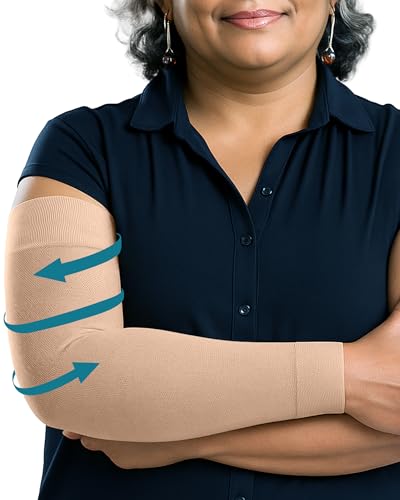
Compression Sleeves for Lymphedema
Essential support garments that help manage swelling during physical activity and daily wear.
Best Exercises for Promoting Lymph Flow
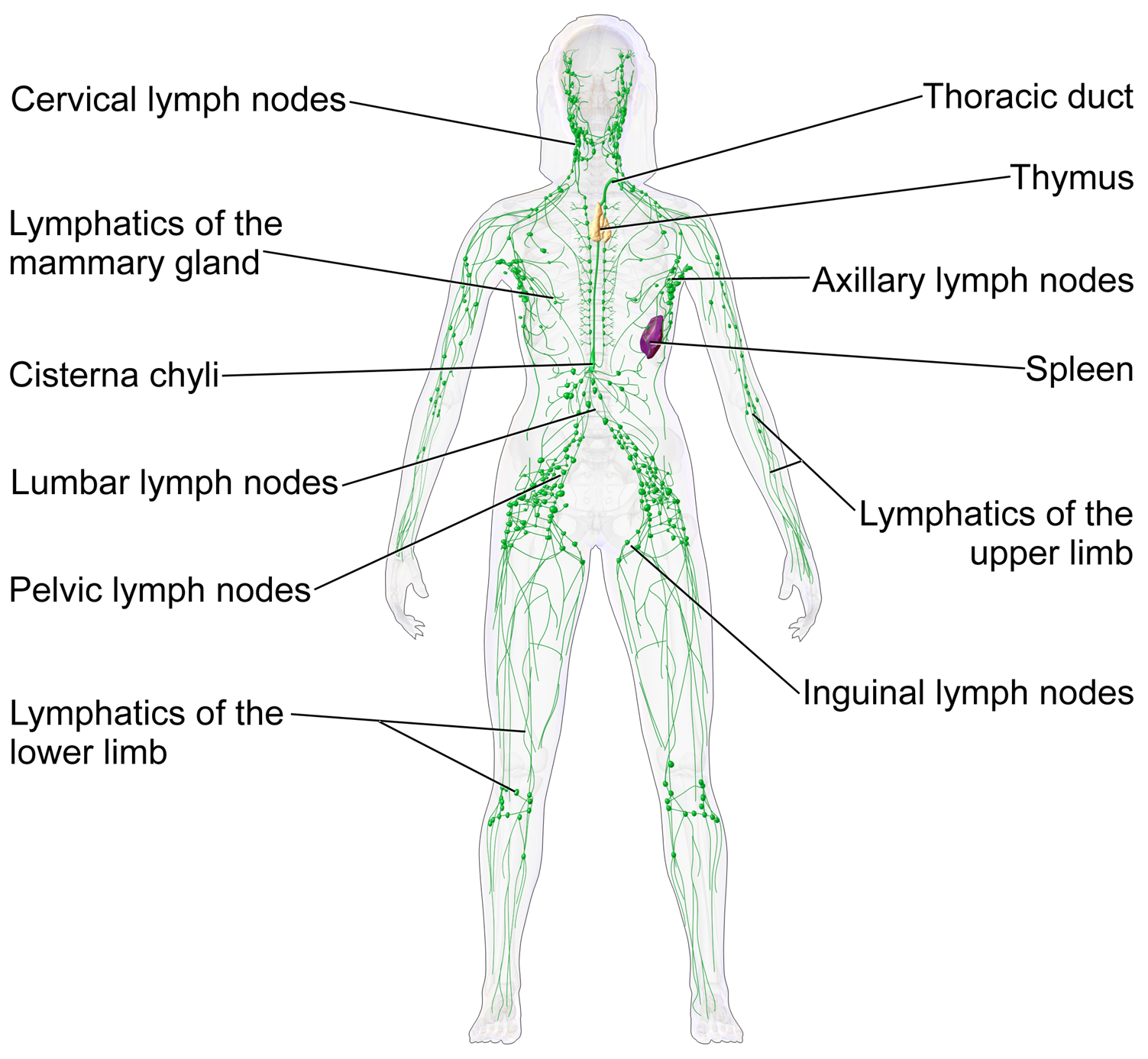
Blausen.com staff (2014). “Medical gallery of Blausen Medical 2014”. WikiJournal of Medicine 1 (2). DOI:10.15347/wjm/2014.010. ISSN 2002-4436., CC BY 3.0, via Wikimedia Commons
Not all exercises are created equal when it comes to lymphedema management. You want activities that create gentle muscle contractions, which act like pumps to move lymph fluid through your system.
Walking tops the list for good reason. It’s low impact, you can control the intensity easily, and the rhythmic leg movements naturally promote lymph drainage. Start with short walks around your home or neighborhood and gradually extend the distance as tolerated. If you experience hip discomfort during walks, gentle movements can help address hip pain while maintaining your mobility.
Swimming and water aerobics are particularly beneficial because the water pressure provides natural compression while supporting your body weight. The buoyancy takes stress off joints while still allowing effective muscle engagement.
Gentle yoga and tai chi offer controlled, flowing movements that encourage lymph circulation without jarring impact. Focus on poses and movements that don’t require holding your breath or straining. Breathing exercises incorporated in these practices also support lymphatic function and can help with staying calm and centered during your routine.
Cycling, either on a stationary bike or outdoors, provides another excellent option. The repetitive pedaling motion helps pump lymph fluid while being easy on joints. Keep resistance light to moderate rather than grinding through heavy resistance.
Weight Training Considerations
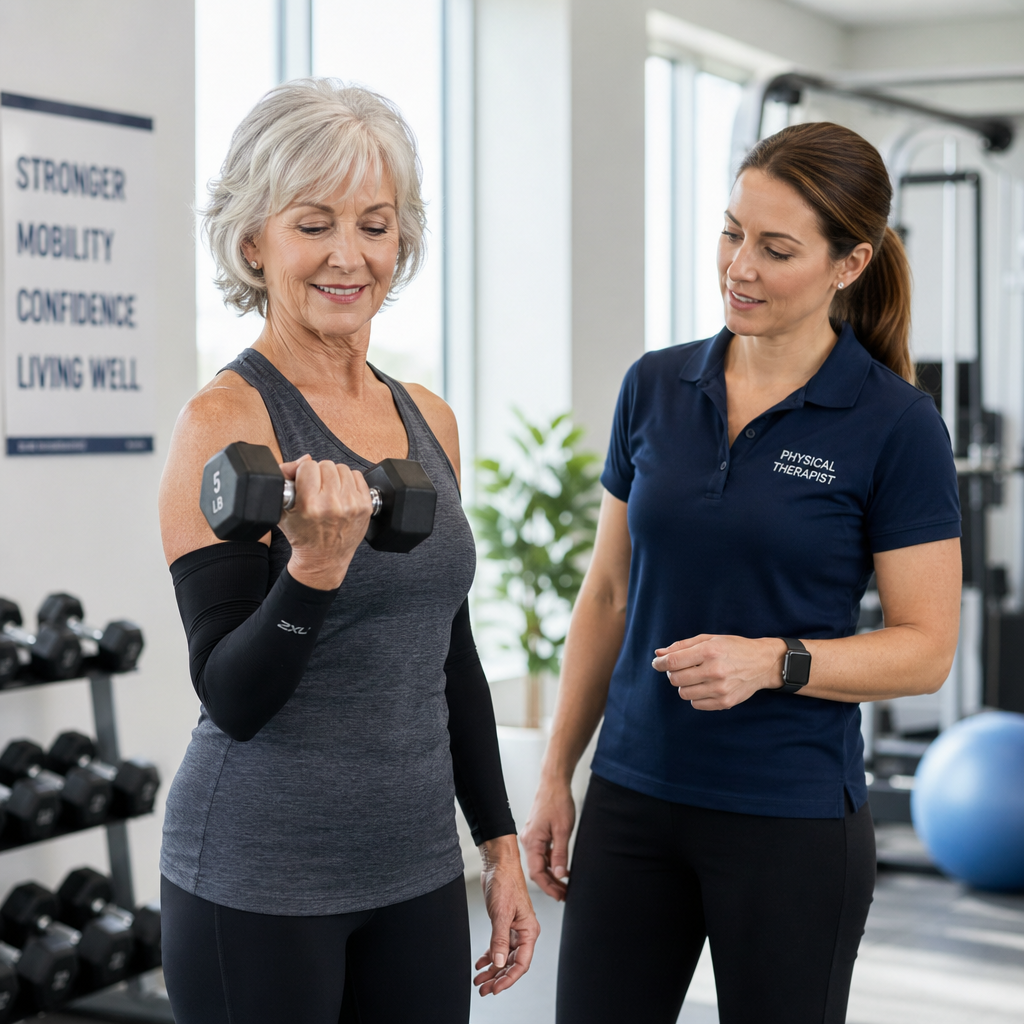
You can do resistance training with lymphedema, but you need to approach it differently than standard strength programs. Heavy weights and straining put excessive pressure on your lymphatic system and can trigger swelling.
Start with very light weights or even just resistance bands. We’re talking 1 to 2 pounds initially. Focus on higher repetitions (12 to 15) with lighter resistance rather than trying to lift heavy. This approach still builds strength while protecting your lymphatic system.
Consider light dumbbells or resistance bands specifically designed for therapeutic exercise. These tools let you progress gradually without jumping to weights that are too heavy too soon. If mobility is limited, incorporating a seated core workout can help build strength safely while supporting your lymphatic health.
Never hold your breath during resistance exercises. Breathe continuously and naturally. Holding your breath increases internal pressure and can impede lymph flow.
Warning Signs and When to Stop
Your body will tell you when something isn’t working. You need to listen carefully and respond immediately to warning signs.
Stop exercising right away if you notice increased swelling, heaviness, or tightness in the affected limb. These are clear signals that you’ve overdone it. A feeling of fullness or aching in the limb also indicates you should back off.
Redness, warmth, or any signs of infection require immediate medical attention. Don’t try to exercise through these symptoms.
Pain is another red flag. Some muscle fatigue is normal, but sharp or persistent pain means something’s wrong. Lymphedema exercise should never hurt.
After exercise, check your limb carefully. Some mild pinkness that fades quickly is okay, but lasting redness or measurable size increase means you need to reduce intensity or duration next time.
Working with a Lymphedema Therapist
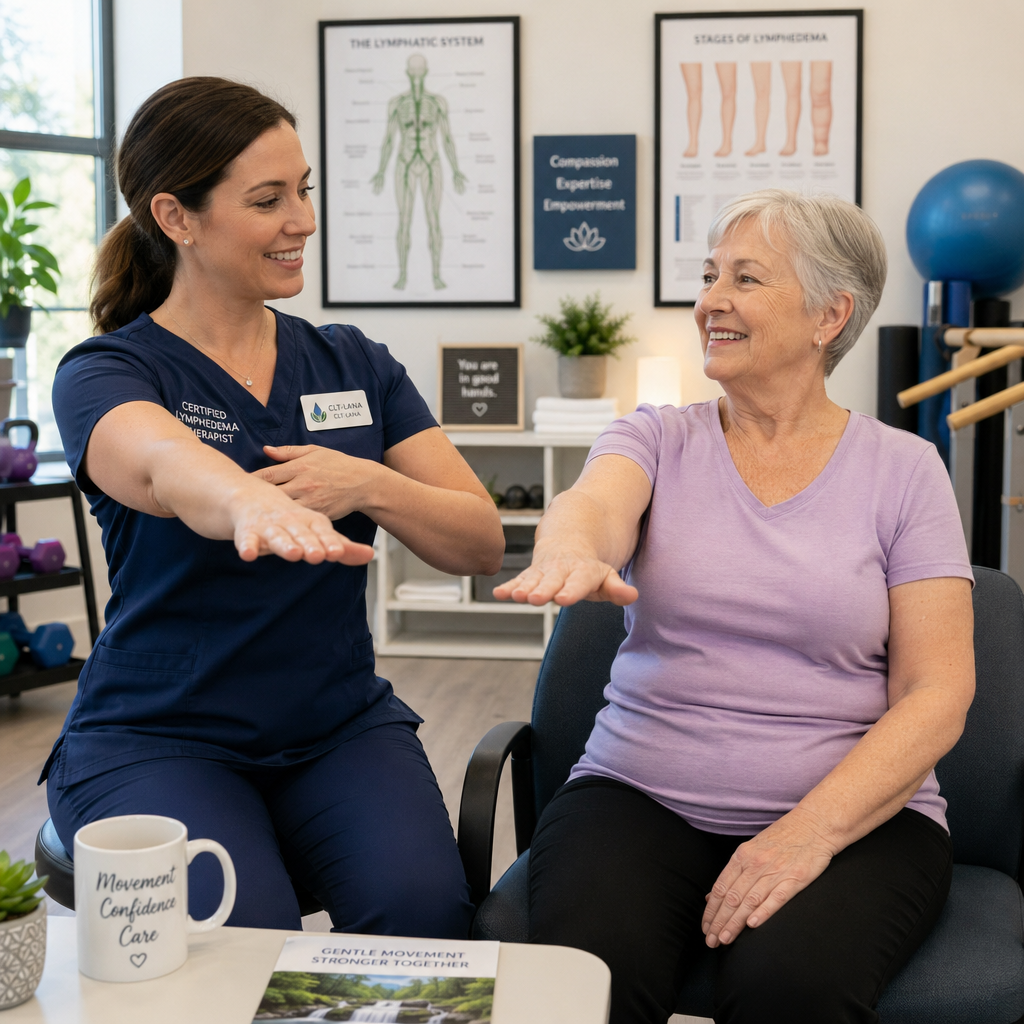
A certified lymphedema therapist (CLT) should be your partner in developing an exercise plan. These specialists understand the nuances of exercising with lymphedema and can create a program tailored to your specific situation.
Your therapist can teach you proper manual lymphatic drainage techniques to use before and after exercise. These gentle massage movements help prepare your lymphatic system for activity and clear any buildup afterward.
They’ll also help you recognize your baseline limb measurements and teach you how to monitor for changes. Keeping a simple log of measurements and how you feel after different activities helps identify what works best for your body.
Don’t skip regular follow-up appointments. Your exercise tolerance and lymphedema status can change over time, and your therapist can adjust your program accordingly.
Frequently Asked Questions
How soon after exercise should I see changes in swelling?
You should check your affected limb immediately after exercise and again 24 hours later. Temporary mild pinkness right after activity is normal, but any swelling that persists beyond a few hours or gets worse the next day means you overdid it. Good exercise for lymphedema either maintains current swelling levels or gradually reduces them over time. Measure your limb at the same time each day to track trends accurately.
Can I exercise if my lymphedema isn’t well controlled?
You should work closely with your lymphedema therapist before starting any exercise program if your swelling isn’t stable. In some cases, you may need a period of intensive treatment first to get swelling under control. Once your condition is stable and you’re wearing properly fitted compression, gentle exercise can actually help with management. Never push through worsening symptoms, and always get medical clearance before beginning new activities.
Related Articles
This article contains affiliate links. We may earn a small commission at no extra cost to you.