Standing up from a chair and feeling that familiar ache in your knees is frustrating, but it’s also a signal worth paying attention to. Most knee pain when standing isn’t random. It usually means the muscles around your knee, especially your quadriceps and hamstrings, aren’t doing their job well enough to protect the joint. The good part is that targeted strengthening can make a real difference.
This guide walks you through the most effective exercises for supporting your knees, what to watch for, and when it’s time to call in a professional. If you’re also dealing with arthritis-related joint discomfort, many of these same principles apply.
Why Your Quads and Hamstrings Matter So Much
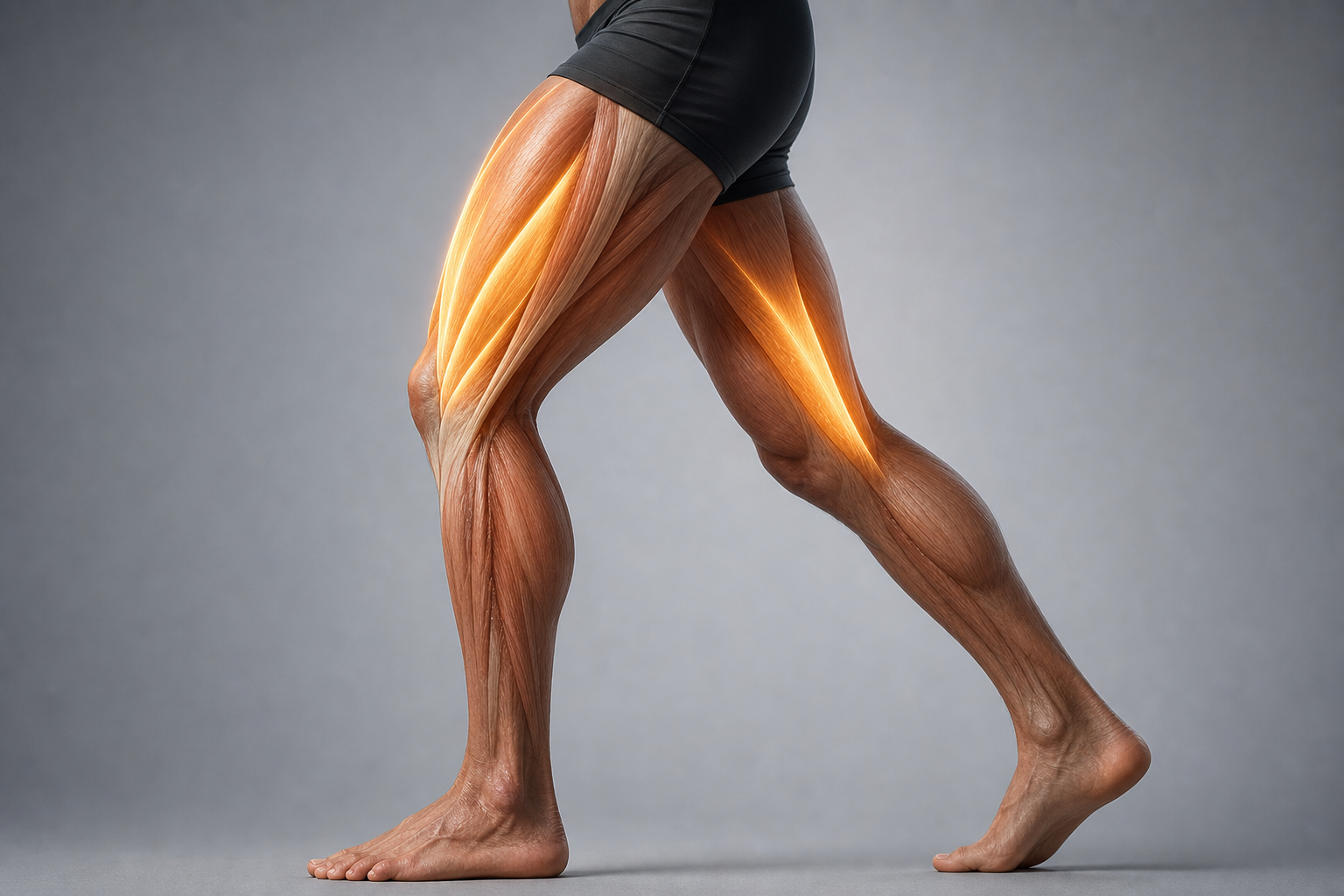
Your knee joint itself is mostly bone, cartilage, and ligaments. It relies heavily on the surrounding muscles to absorb shock and keep everything aligned. When your quadriceps (front of the thigh) and hamstrings (back of the thigh) are weak or imbalanced, the knee takes on stress it was never designed to handle alone.
This is especially common after age 60, when muscle mass naturally declines if you’re not actively working against it. Weak quads in particular are one of the most consistent predictors of knee pain and instability in older adults.
Strengthening these muscle groups doesn’t require a gym membership or heavy weights. Most of these exercises can be done at home with minimal equipment.
Quad and Hamstring Exercises That Actually Help
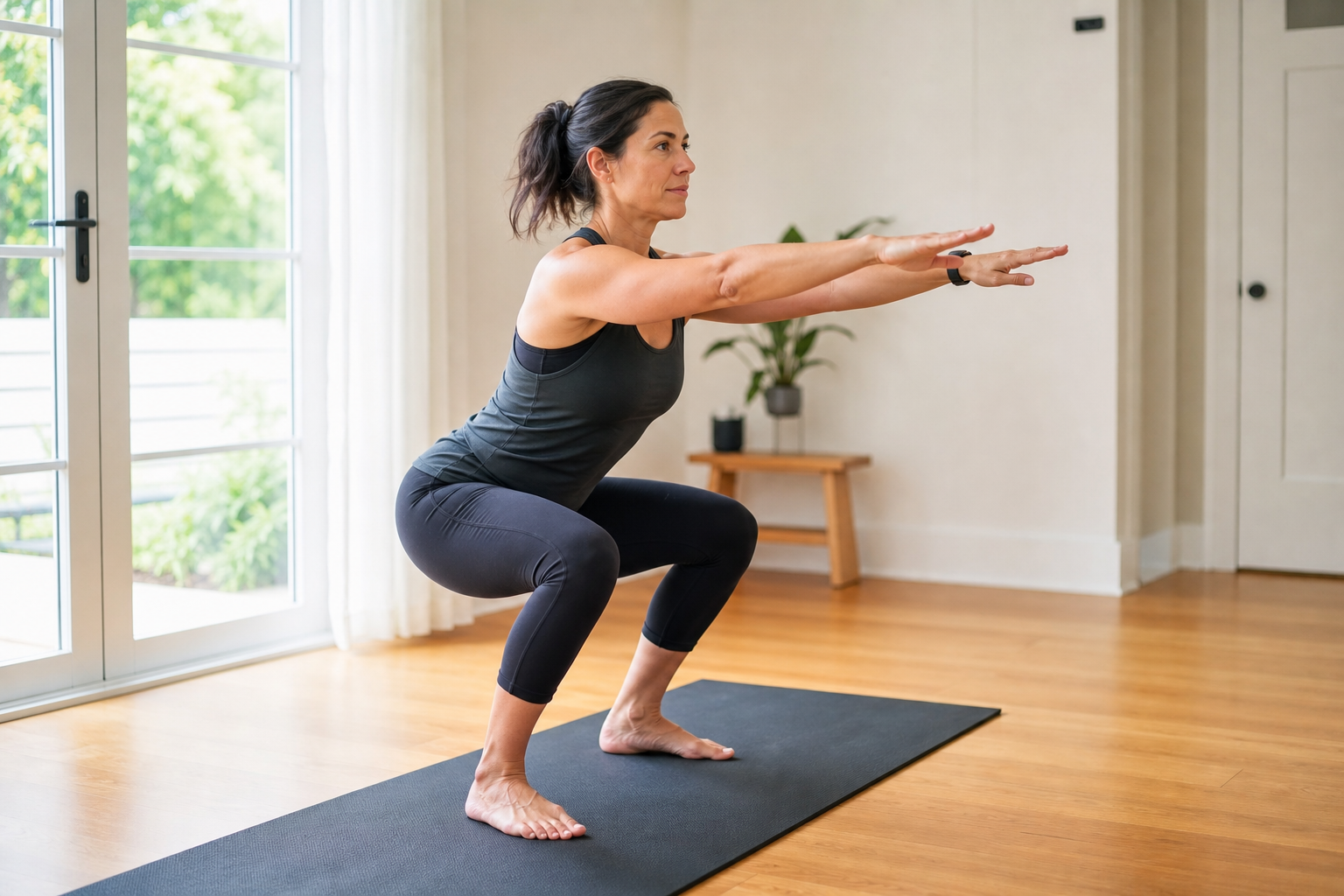
1. Seated Leg Extensions (No Machine Needed)
Sit in a sturdy chair with your feet flat on the floor. Slowly straighten one leg until it’s parallel to the ground, hold for 3 to 5 seconds, then lower it back down. Do 10 to 15 reps per leg. This directly targets the quad without putting load through the knee joint.
You can add ankle weights as you get stronger, but start with just your body weight for the first few weeks.
2. Wall Sits
Stand with your back against a wall and slide down until your knees are at about a 90-degree angle. Hold that position for 20 to 30 seconds. If 90 degrees causes pain, don’t go as deep. Even a slight bend with held tension builds quad strength effectively.
Wall sits are great because they build endurance in the quads without any impact on the joint. Aim for 3 sets and build up your hold time gradually.
3. Hamstring Curls
Stand behind a chair and hold the back for balance. Slowly bend one knee, bringing your heel toward your backside, then lower it back down. Keep the movement controlled. Do 12 to 15 reps per side.
This targets the hamstrings directly and helps correct the muscle imbalance that often contributes to knee pain. If balance is a concern, our article on balance exercises for seniors has good foundational work you can pair with this routine.
4. Step-Ups
Use a low step or stair (about 4 to 6 inches). Step up with one foot, bring the other foot up, then step back down. Lead with the same foot for 10 reps, then switch. This builds functional quad and glute strength in a movement pattern that directly mirrors standing up.
Start slow, hold a railing if needed, and focus on controlled movement rather than speed.

Knee Support Brace for Seniors
A supportive knee brace can reduce discomfort during strengthening exercises while your muscles build up the endurance to stabilize the joint on their own.
Supporting Your Progress Beyond Exercise
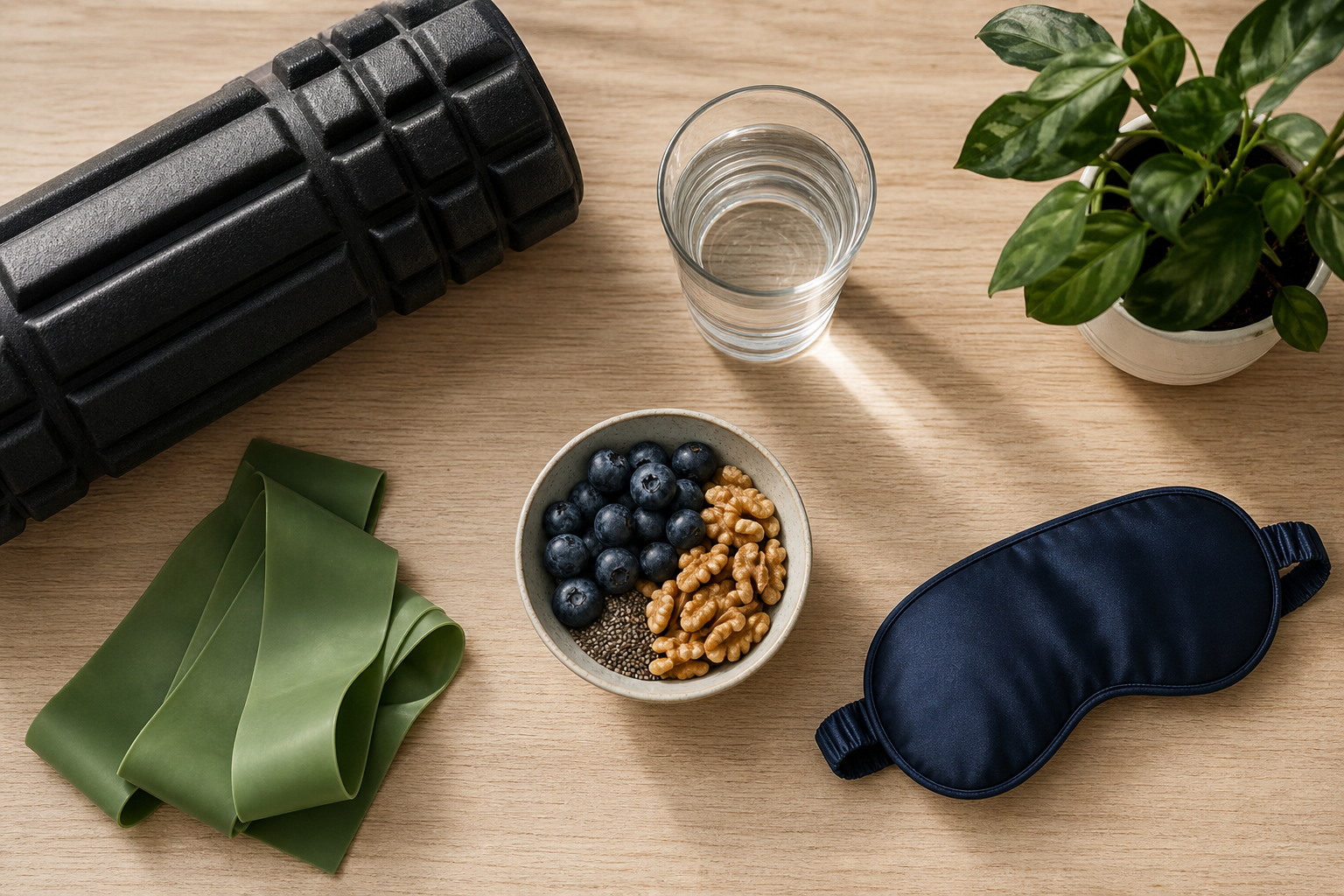
Muscle recovery matters just as much as the exercises themselves. After your workouts, eating protein-rich foods and anti-inflammatory foods can genuinely speed up the process. Our guide to post-workout recovery meals for seniors has specific meal ideas worth bookmarking.
Nutrition also plays a longer-term role in joint health. Omega-3 supplements have solid research behind them for reducing joint inflammation, and they’re worth considering if you’re not getting much fatty fish in your diet.
For foam rolling tight quads and hamstrings between sessions, a quality foam roller can reduce muscle soreness and improve range of motion. Check out the best foam rollers for senior muscle recovery for recommendations that aren’t too aggressive on sensitive joints.

Resistance Bands for Leg Strengthening
Resistance bands let you progressively load hamstring curls and seated leg work without the joint stress of free weights.
Frequently Asked Questions
How long before I notice a difference in my knee pain?
Most people start noticing meaningful improvement after 4 to 6 weeks of consistent strengthening, three times per week. Some feel better sooner, especially if muscle weakness was the primary cause. Don’t expect overnight changes, but don’t wait months either. If you’re not seeing any improvement after 6 weeks, it’s worth getting a professional evaluation to rule out structural issues.
When should knee pain when standing be evaluated by a doctor?
You should see a healthcare provider if you experience sharp or sudden pain, swelling that doesn’t go away within 24 to 48 hours, pain that wakes you up at night, locking or catching sensations in the knee, or any pain after a fall or impact. Strengthening exercises work well for muscle-related knee pain, but they won’t fix a torn meniscus or significant cartilage damage. Getting a diagnosis first is always the smarter path if something feels wrong beyond general stiffness or achiness.
This article contains affiliate links. We may earn a small commission at no extra cost to you.