Exercise shouldn’t feel off-limits because of incontinence. Yet millions of people skip workouts or abandon activities they love because they’re worried about leaks. You’re not alone in this struggle, and you definitely don’t have to choose between staying active and feeling secure.
The truth is, with the right strategies and products, you can work out confidently without constantly scanning for the nearest bathroom or worrying about visible accidents. Let’s talk about what actually works when you’re dealing with incontinence and want to maintain an active lifestyle.
Understanding Exercise-Induced Leakage
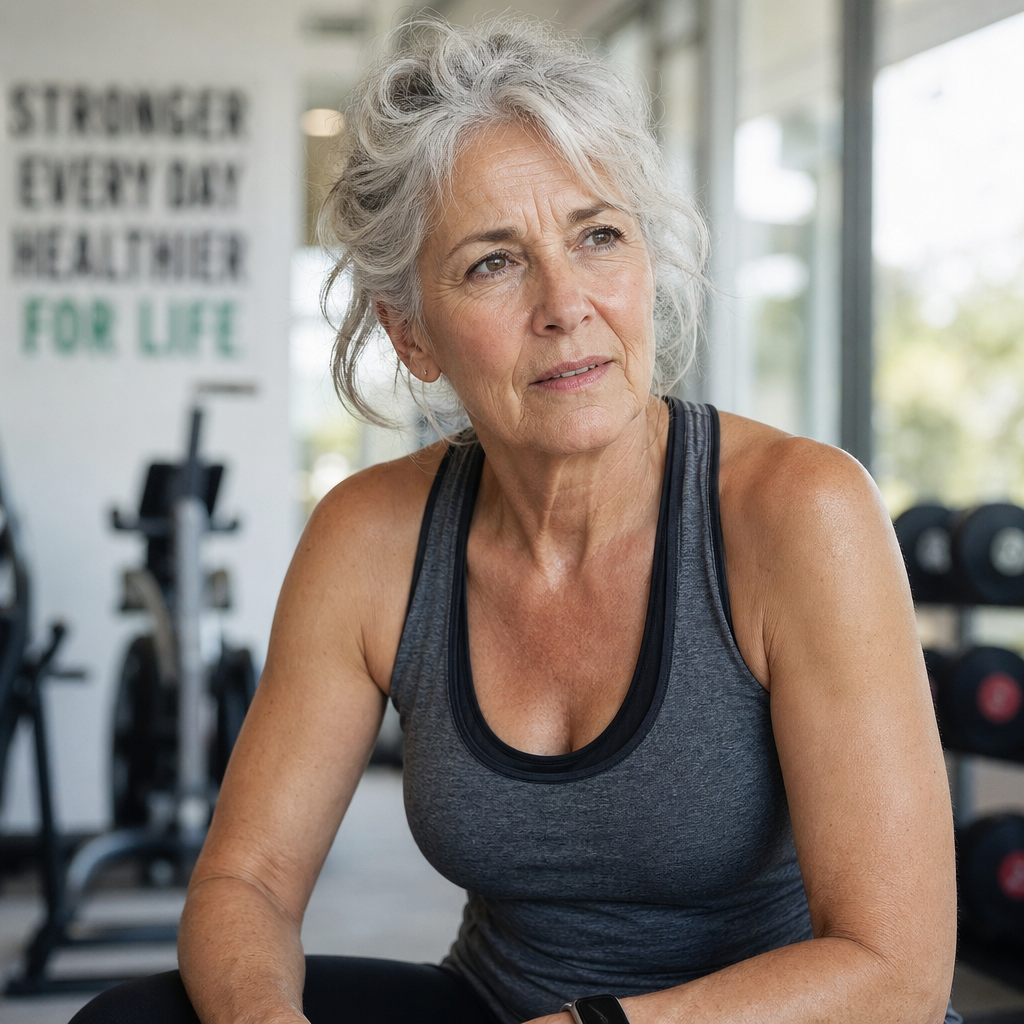
Stress incontinence during exercise is incredibly common, especially for women who’ve given birth or anyone dealing with pelvic floor weakness. High-impact movements like jumping, running, or even heavy lifting can put pressure on your bladder and cause leaks.
This isn’t about how fit you are. Olympic athletes experience this too. Your cardiovascular fitness and muscle strength don’t automatically correlate with pelvic floor function. Some of the fittest people still deal with exercise-related leaks because those muscles need specific attention.
Recognizing which movements trigger leaks for you is the first step. Pay attention during workouts. Maybe burpees cause problems but squats don’t. Perhaps you’re fine for the first 20 minutes but struggle as you fatigue. This awareness helps you modify smartly rather than avoiding exercise altogether.
Smart Exercise Modifications That Work
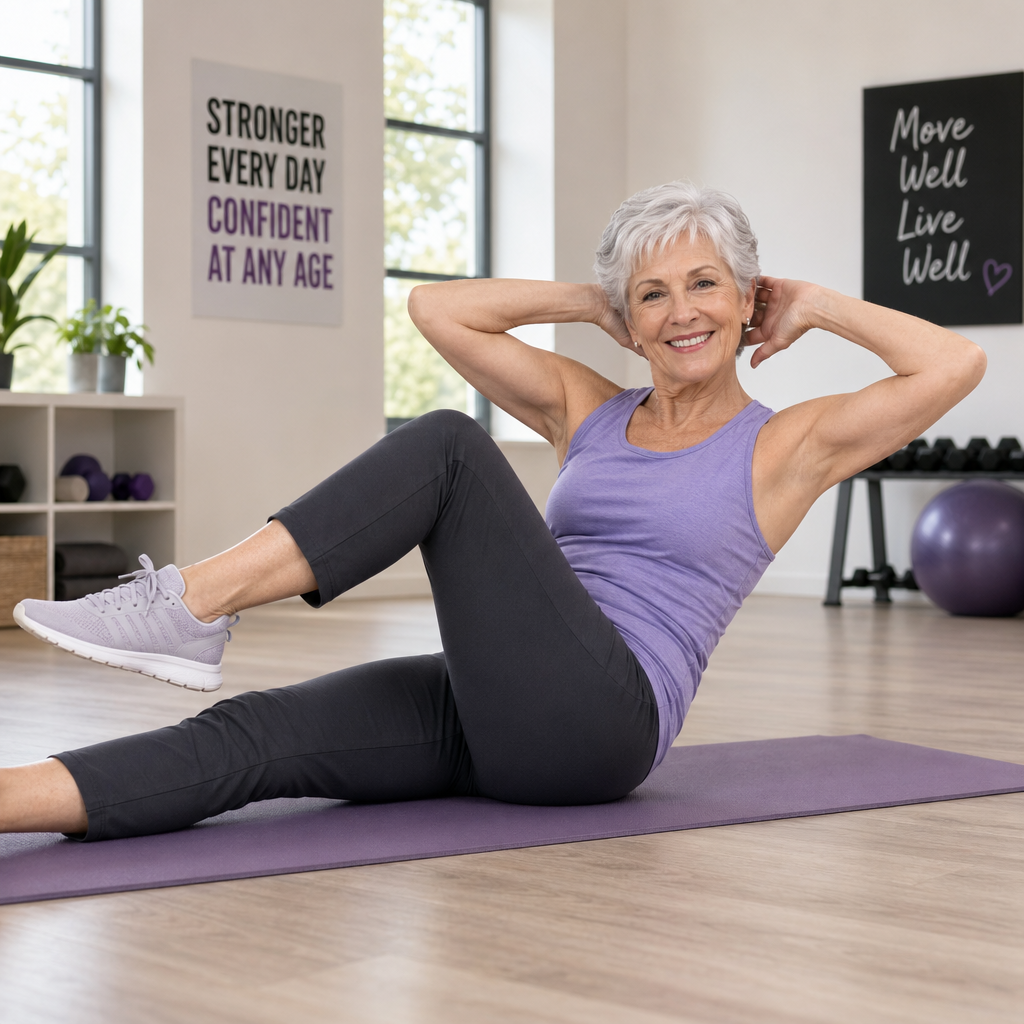
You don’t have to give up the exercises you enjoy. You just need to approach them differently while you strengthen your pelvic floor.
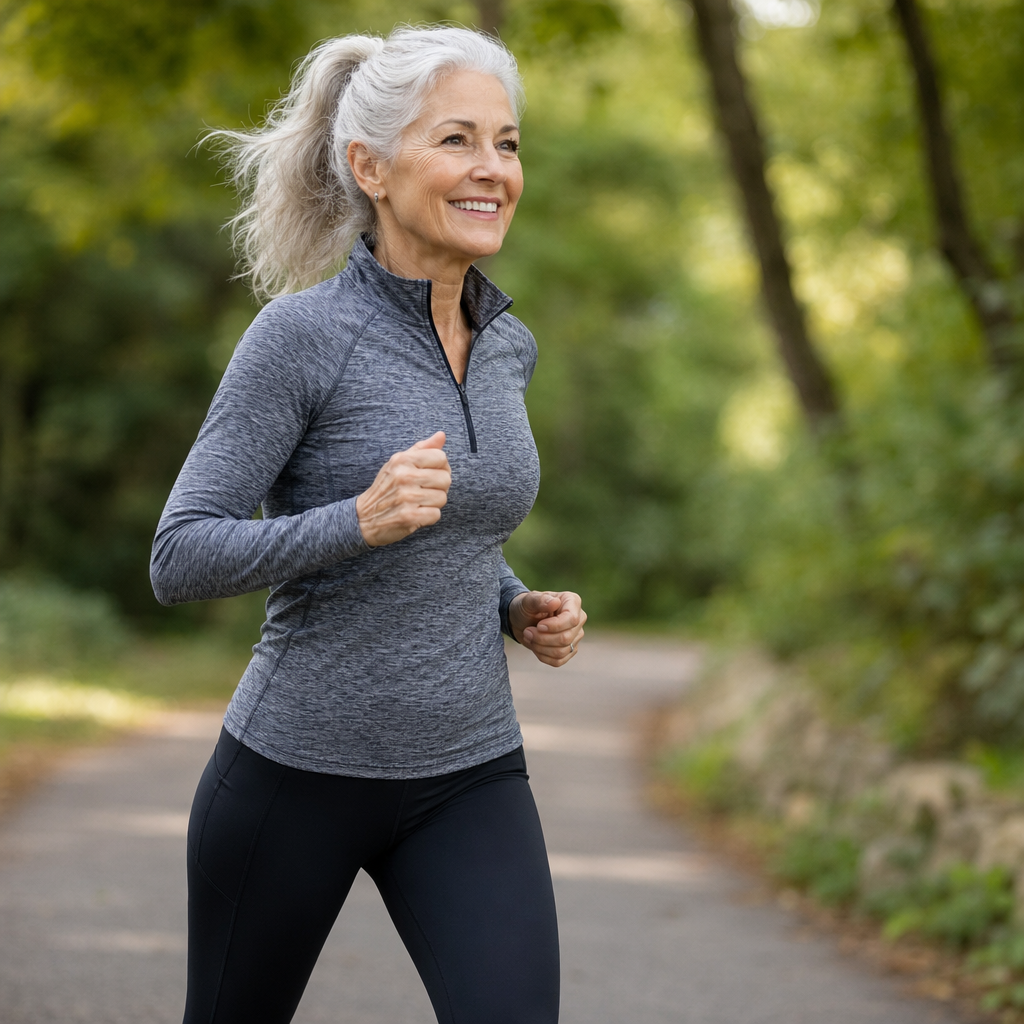
For running, try shorter intervals with walking breaks. Instead of a continuous 30-minute run, do 5 minutes of running followed by 2 minutes of walking. This reduces sustained pressure on your pelvic floor while still giving you cardiovascular benefits.
Replace jump-intensive exercises with low-impact alternatives. Swap jump squats for regular squats or sumo squats. Trade jumping jacks for side steps with arm raises. You’ll still elevate your heart rate without the vertical impact that causes leaks.
When doing core work, avoid exercises that create intense intra-abdominal pressure. Standard crunches and sit-ups often make leakage worse. Instead, focus on planks, bird dogs, and dead bugs. These strengthen your core without bearing down on your bladder.
The Right Products for Active Protection
Regular menstrual pads aren’t designed for urine and won’t cut it for exercise. They don’t absorb fast enough and can feel bulky. You need products specifically made for bladder leakage.
For light to moderate leakage during workouts, Always Discreet Boutique pads work well. They’re thin, stay in place during movement, and actually absorb liquid quickly. The adhesive is strong enough for high-movement activities.
If you deal with heavier leakage, Poise Active Collection Underwear gives you more security. These aren’t your grandmother’s adult diapers. They look and feel like regular underwear but have serious absorption capacity. Check current pricing on Amazon where they’re competitively priced.
Period underwear designed for heavy flow can also work for light incontinence during exercise. Thinx and Knix both make styles that handle bladder leakage. They’re reusable, which makes them more economical and environmentally friendly than disposables if you exercise frequently.
For swimming, wear dark-colored swimsuits and consider a liner specifically designed for water activities. Poise makes liners that work in water, though honestly, most pools have enough chlorine that small amounts of urine aren’t a hygiene concern.
Timing and Hydration Strategies
Your pre-workout routine matters more than you might think. Empty your bladder completely before exercising. This sounds obvious, but take an extra 30 seconds to ensure you’re fully empty. Sometimes we rush and don’t give our bladder enough time.
Watch your fluid timing. You need to stay hydrated, but chugging water right before a workout increases leakage risk. Drink consistently throughout the day rather than gulping large amounts before exercise. Aim for steady hydration starting several hours before your workout.
Avoid bladder irritants before exercising. Coffee, tea, alcohol, and carbonated drinks can increase urgency. If you work out in the morning, consider whether your pre-workout coffee is worth the extra bathroom pressure. You might find that switching to decaf or skipping it entirely makes a noticeable difference. Creating a motivating workout playlist can also help you stay focused and reduce anxiety during exercise sessions.
Building Long-Term Confidence
Managing incontinence during exercise gets easier with practice and consistency. Start with home workouts where you feel completely comfortable. This removes the social anxiety while you figure out what works for your body.
Gradually increase impact as your confidence grows. Begin with walking, progress to power walking, then try walk-run intervals. This progressive approach lets your pelvic floor adapt while you test products and strategies in lower-stress situations.
Consider working with a pelvic floor physical therapist. These specialists can assess your specific situation and create a targeted strengthening program. Many people see significant improvement within 6-8 weeks of consistent pelvic floor exercises. Insurance often covers these visits.
Join classes or groups specifically for people managing pelvic floor issues. Many gyms and studios now offer low-impact classes designed with incontinence in mind. Exercising with others who understand the challenge reduces isolation and shame. If you’re looking for structured support, fitness classes offer numerous benefits beyond just physical improvements, including community and accountability.
Track your progress beyond just leakage. Notice improvements in how long you can exercise before experiencing leaks, or how much lighter your protection needs to be. These incremental wins matter more than achieving complete dryness overnight.
Frequently Asked Questions
Will losing weight stop my exercise-induced incontinence?
Weight loss can help reduce incontinence symptoms, but it’s not a guaranteed fix. Studies show that losing 5-10% of body weight can improve symptoms for some people, but plenty of thin, fit individuals still experience stress incontinence during exercise. Pelvic floor strength matters more than body weight for most people. Focus on both if weight is a concern, but don’t expect weight loss alone to solve the problem. Following an anti-inflammatory diet can support overall health while you work on strengthening your pelvic floor.
How long should I wear protection after exercising?
Change your protection immediately after working out. Leaving damp products against your skin increases infection risk and can cause irritation or rashes. Bring a change of underwear or protection to the gym and swap it out before leaving. This is especially important if you have a long commute or errands to run after exercising.
Can I still do high-intensity workouts or should I stick to gentle exercise?
You can work toward high-intensity exercise, but you might need to modify temporarily. The goal isn’t to avoid challenging workouts forever. Start where you’re comfortable, use appropriate protection, and progressively challenge yourself as your pelvic floor strengthens. Many people successfully return to running, CrossFit, and other intense activities after consistent pelvic floor therapy. Your current limitation doesn’t have to be permanent. Even if you’re recovering from serious health challenges, you can build back to more demanding workouts with patience and proper guidance.
Related Articles
- Anti-Inflammatory Diet for Active Seniors
- Exercise Music Playlists: Find Your Workout Rhythm
- Staying Active After a Cancer Diagnosis: A Survivor’s Guide to Exercise
- Unveiling the Top 10 Health and Lifestyle Perks of Fitness Classes for Seniors