Staying properly hydrated becomes more challenging as we age, but it’s also more important than ever. Your body’s ability to signal thirst diminishes over time, and older adults lose more water through various physiological changes. Add exercise into the mix, and you’ve got a recipe for dehydration if you’re not paying close attention.
The good news is that with the right strategies and a bit of planning, you can maintain optimal hydration levels during your workouts. Let’s explore exactly how to do that, from understanding what’s happening in your body to practical tips you can use starting today.
Why Hydration Gets Trickier with Age
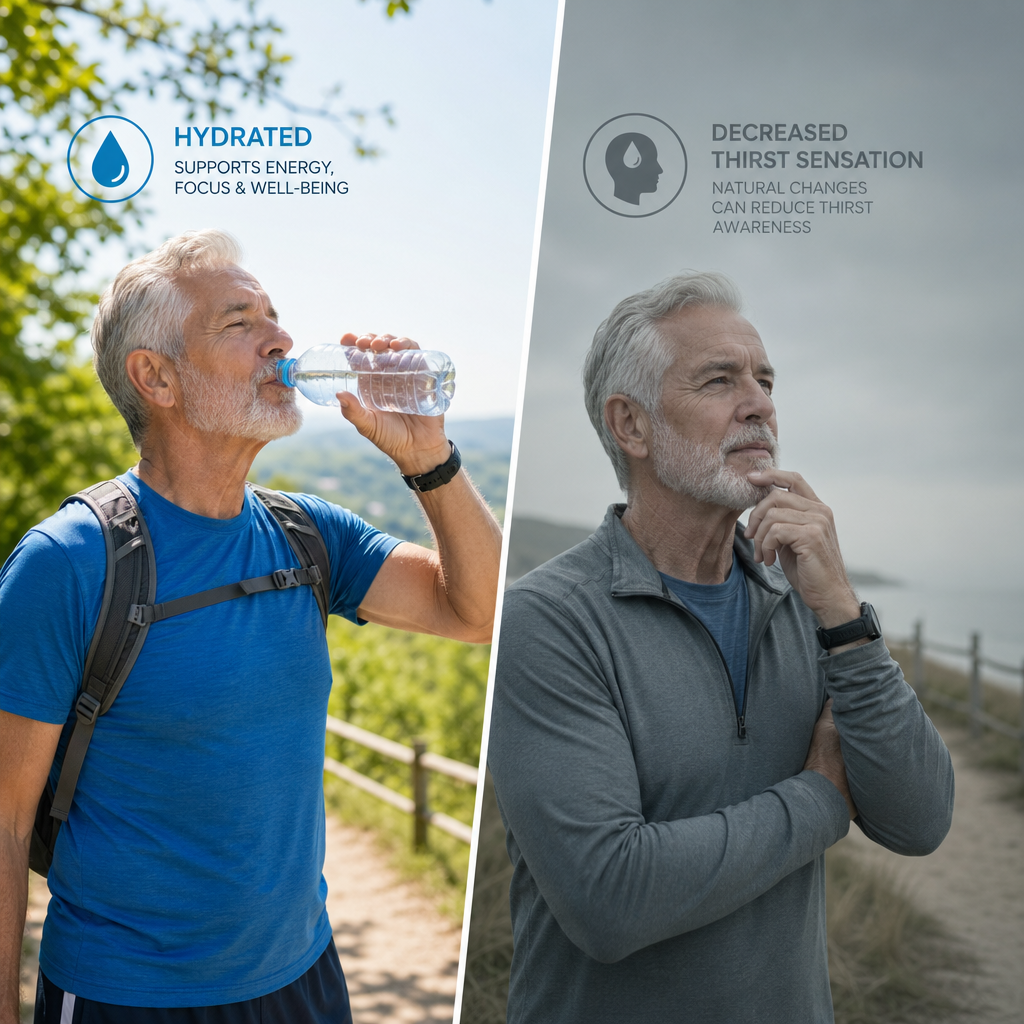
Your body undergoes several changes after 60 that make dehydration more likely. First, your total body water content decreases by about 15% compared to when you were younger. You’re working with less fluid reserve from the start.
Your kidneys also become less efficient at conserving water. They can’t concentrate urine as effectively, which means you lose more fluid even when you’re not exercising. On top of that, your thirst mechanism becomes less sensitive. You might be significantly dehydrated before you actually feel thirsty.
Many common medications compound the problem. Diuretics, blood pressure medications, and some diabetes drugs all increase fluid loss. If you take any medications regularly, check with your doctor about how they might affect your hydration needs. Proper hydration supports overall cardiovascular function and is an important part of maintaining heart health as you age.
How Much Water Do You Really Need?
The old “eight glasses a day” rule doesn’t account for exercise or individual variations. A better approach is to calculate your baseline needs and then adjust for activity.
Start with your body weight in pounds, divide by two, and that’s roughly how many ounces of water you need daily at rest. A 150-pound person would need about 75 ounces, or just over nine cups. This is your minimum on non-exercise days.
For exercise, add 12 to 16 ounces for every 30 minutes of moderate activity. During intense workouts or in hot weather, you’ll need even more. A simple way to track this is using a time-marked water bottle that shows you exactly where you should be throughout the day.

Time Marker Water Bottle
Takes the guesswork out of tracking your daily water intake with clear hourly markers.
Urine color provides another helpful indicator. Pale yellow means you’re well-hydrated. Dark yellow or amber suggests you need more fluids. Keep in mind that some vitamins and medications can affect urine color, so this isn’t foolproof.
Before, During, and After Exercise Timing
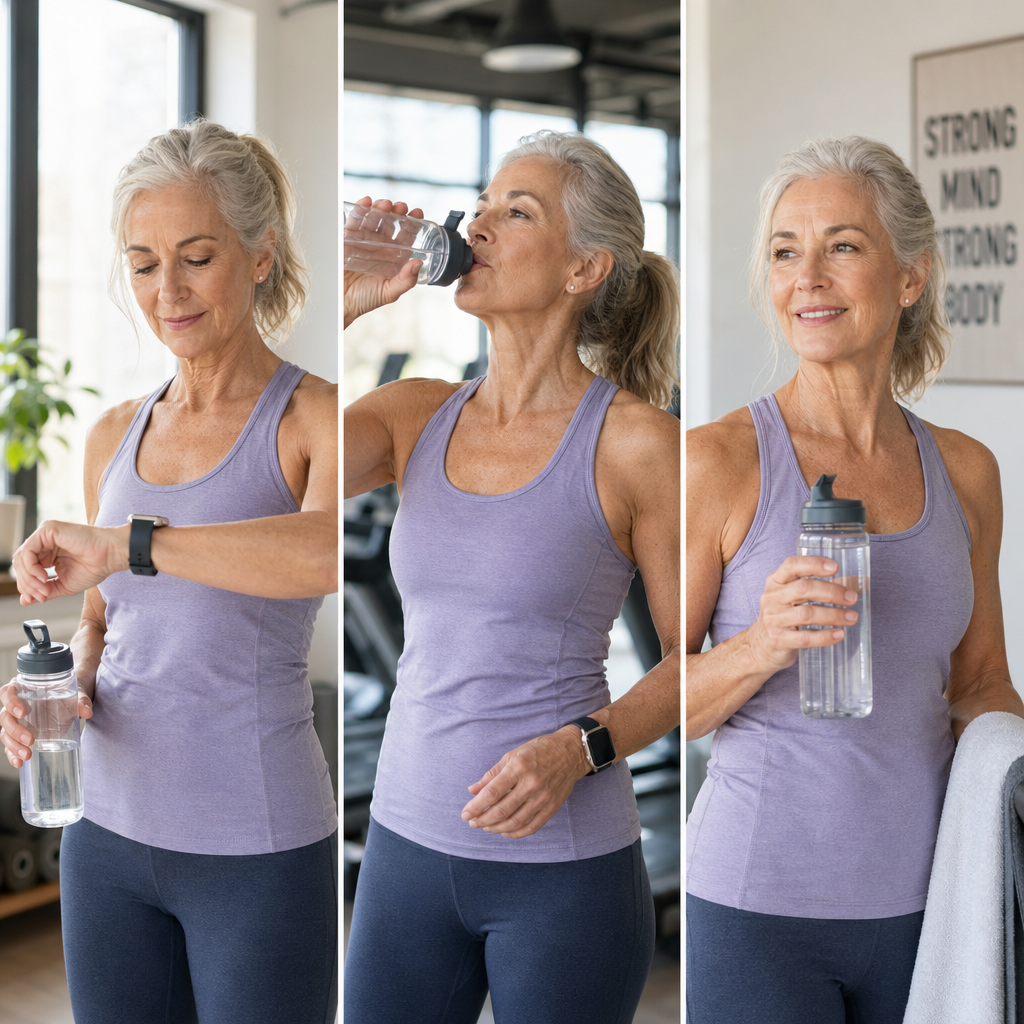
Pre-hydration matters more than most people realize. Drink 16 to 20 ounces about two hours before exercise. This gives your body time to absorb the fluid and eliminate any excess before you start moving.
Then drink another 8 ounces about 20 minutes before you begin. You want to start your workout already well-hydrated, not playing catch-up from the beginning.
During exercise, aim for 7 to 10 ounces every 10 to 20 minutes. Don’t wait until you’re thirsty, especially since your thirst signals aren’t as reliable anymore. Set a timer on your phone or watch if needed. For longer sessions beyond 60 minutes, switch to a drink that includes electrolytes.
After exercise, weigh yourself if possible. For every pound lost during your workout, drink 16 to 24 ounces of fluid. This accounts for continued fluid loss through breathing and sweating even after you stop moving.
Understanding Electrolytes and When You Need Them
Water alone isn’t always enough. Electrolytes, particularly sodium and potassium, help your body retain and use the fluids you drink. You lose these minerals through sweat, and they need replacing during longer or more intense exercise sessions.
For workouts under an hour at moderate intensity, plain water works fine. Beyond that, you’ll benefit from an electrolyte replacement. Sports drinks work, but many contain excessive sugar. Look for options specifically designed for hydration rather than energy.
Electrolyte tablets or powders give you more control over sugar content. You can add them to your regular water bottle and adjust the concentration to your taste. Popular brands like Nuun, LMNT, or Liquid I.V. offer senior-friendly formulations without artificial sweeteners.

Electrolyte Powder Packets
Convenient single-serving packets make it easy to add electrolytes to any water bottle without measuring.
Watch your sodium intake if you’re on a low-sodium diet for health reasons. Some electrolyte supplements contain significant amounts. Your doctor can help you find the right balance between replacing what you lose and managing your overall sodium consumption.
Recognizing Dehydration Warning Signs
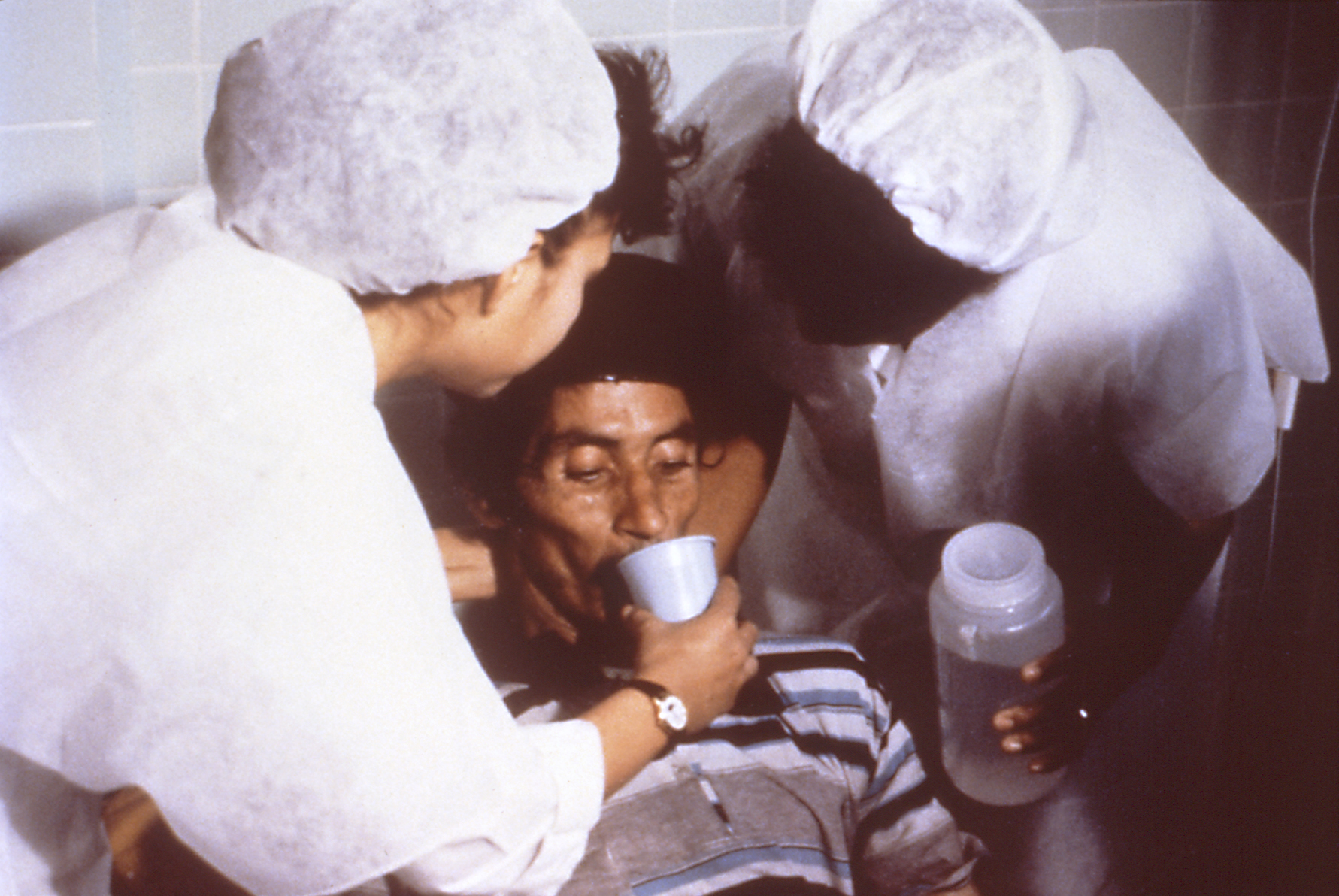
Catching dehydration early prevents serious problems. Mild dehydration shows up as dry mouth, fatigue, headache, or dizziness. You might notice decreased coordination or muscle cramps during exercise.
More severe dehydration causes confusion, rapid heartbeat, sunken eyes, or very dark urine. Stop exercising immediately if you experience these symptoms and focus on rehydrating. Seek medical attention if symptoms don’t improve quickly with fluid intake.
Pay special attention during summer months or in heated exercise facilities. High humidity prevents sweat from evaporating efficiently, so your body loses more fluid trying to cool down. Consider exercising during cooler parts of the day when possible. Learning how to stay safe in hot weather can help you maintain your fitness routine year-round without putting yourself at risk.
Practical Strategies That Actually Work
Keep water visible and accessible throughout the day. Place bottles in rooms where you spend the most time. You’re much more likely to drink when water is right in front of you.
Set phone reminders every hour if you struggle to remember. Apps designed for hydration tracking can gamify the process and send notifications. After a few weeks, drinking regularly becomes automatic.
Eat water-rich foods to supplement your fluid intake. Watermelon, cucumbers, oranges, and tomatoes all contribute to hydration. Soups and broths count too, plus they provide electrolytes naturally. This holistic approach to nutrition and hydration can also support immune function and overall wellness.
Invest in an insulated water bottle with a straw. Cold water often tastes better and encourages drinking. The straw makes it easier to sip during exercise without having to tip the bottle.

Insulated Straw Water Bottle
Keeps water cold for hours and the straw design makes sipping effortless during workouts.
Create a routine that links hydration to other daily habits. Drink a glass of water when you wake up, with each meal, and before bed. Add extra water before and after exercise into this existing framework. Staying hydrated is one of many simple but effective strategies for supporting cardiovascular health as you maintain an active lifestyle.
Frequently Asked Questions
Can I drink too much water during exercise?
Yes, though it’s rare. Overhydration, called hyponatremia, dilutes your blood sodium to dangerous levels. Symptoms include nausea, confusion, and swelling. This typically only happens during very long endurance events when people drink excessive amounts of plain water without electrolytes. Stick to the recommended 7 to 10 ounces every 10 to 20 minutes and you’ll be fine.
Does coffee or tea count toward my daily hydration?
Caffeinated beverages do contribute to your fluid intake, despite popular myths about dehydration. The mild diuretic effect of caffeine doesn’t offset the water content. However, plain water remains your best choice, especially around exercise. If you drink coffee or tea, count about half of the volume toward your daily hydration goals.
Should I drink differently for swimming versus other exercise?
Absolutely. Many people forget to hydrate while swimming because they don’t notice sweating. You’re still losing fluid through exertion and breathing. Bring a water bottle to the pool and drink every 15 to 20 minutes, just like you would during a walk or bike ride. The cool water around you can also mask signs of overheating, making regular hydration even more critical.
This article contains affiliate links. We may earn a small commission at no extra cost to you.