Staying active as you get older brings incredible benefits for your body and mind. But if you’re spinning to loud music, lifting weights with earbuds cranked up, or participating in energetic group fitness classes, you might be putting your hearing at risk without even realizing it.
Your ears don’t regenerate damaged cells the way other parts of your body do. Once those delicate hair cells in your inner ear are gone, they’re gone for good. The good news is that protecting your hearing while staying active doesn’t mean giving up the activities you love. It just means being a bit smarter about how you approach them.
Why Fitness Environments Can Damage Your Hearing
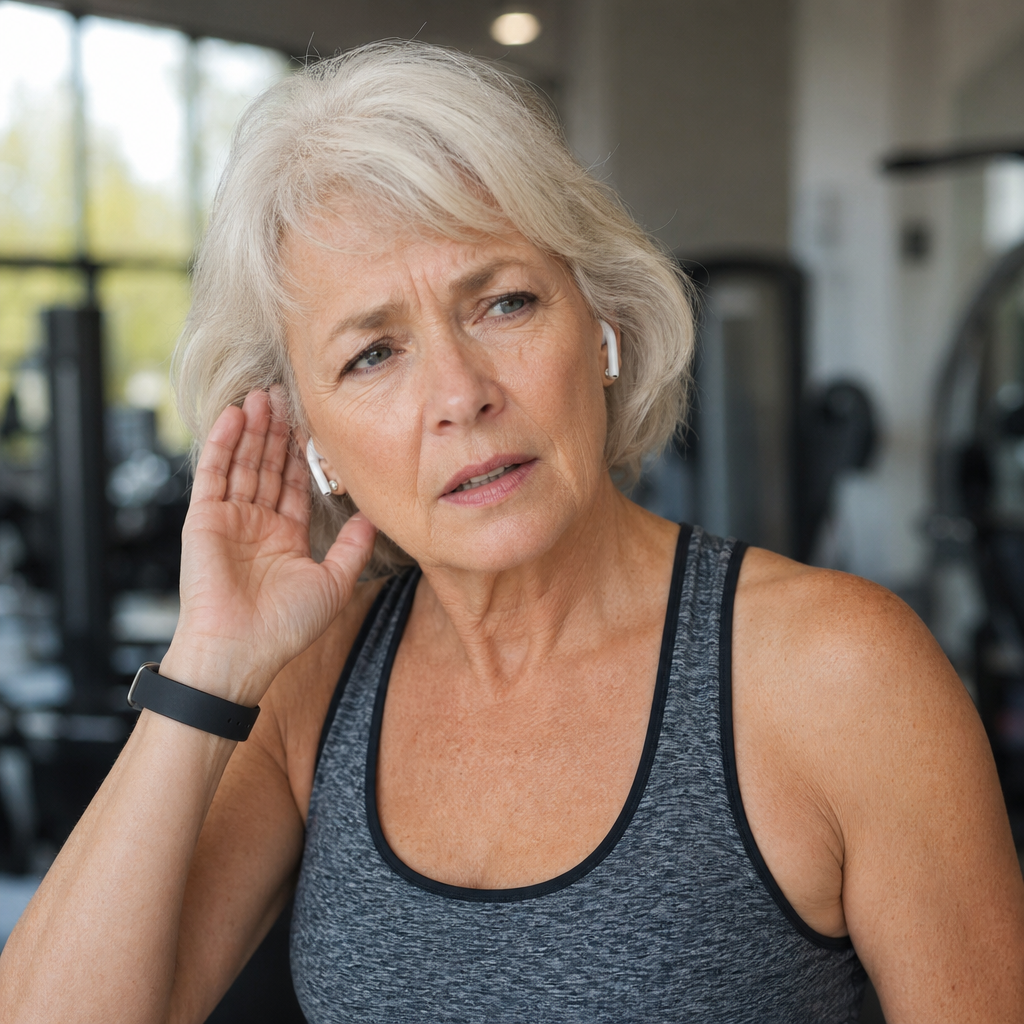
Walk into most group fitness classes and you’ll immediately notice the music volume. Many instructors push sound levels to 90-100 decibels or higher, believing it motivates participants. To put that in perspective, sustained exposure to sounds above 85 decibels can cause permanent hearing damage.
Spin classes are notorious offenders. A 2018 study found that the average spin class peaks at 100 decibels, equivalent to standing next to a chainsaw. Even a single 45-minute class at that volume can contribute to temporary threshold shifts in your hearing.
Then there’s the headphone issue. Many active seniors use earbuds or headphones during workouts to stay motivated or block out gym noise. But if you’re turning up the volume to compete with surrounding sounds, you’re exposing your ears to potentially harmful levels for extended periods.
Early Warning Signs of Exercise-Related Hearing Loss
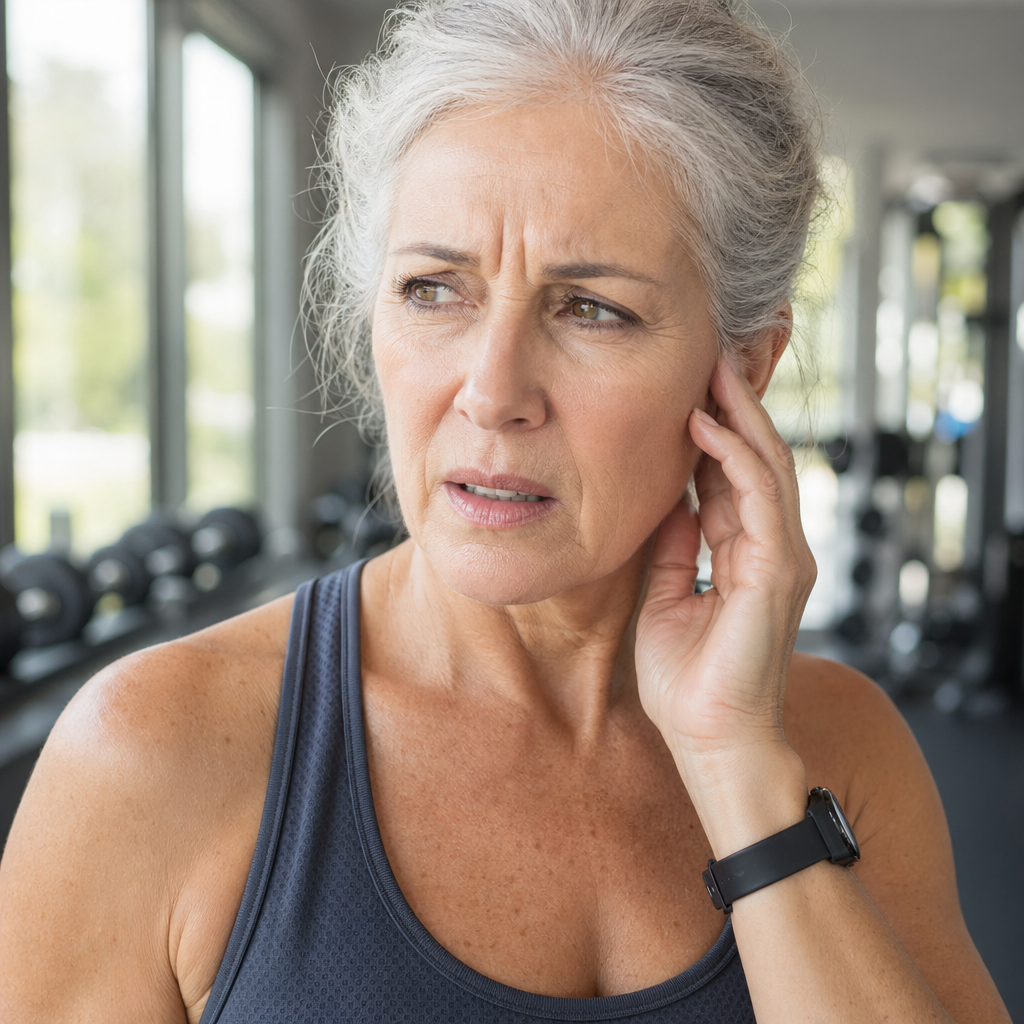
Hearing loss often creeps up gradually, making it easy to dismiss early symptoms. Pay attention if you notice ringing in your ears (tinnitus) after your workout. This is your body’s warning system telling you the noise exposure was too much.
Other signs include needing to ask people to repeat themselves more often, particularly in noisy environments like the gym locker room. You might also find yourself reading lips more than you used to or feeling exhausted after conversations because you’re working so hard to understand what people are saying.
Many people experience a temporary dulling of hearing after loud classes. Your ears feel “full” or sounds seem muffled for a few hours afterward. This temporary threshold shift is actual damage occurring, and repeated instances lead to permanent loss.
Practical Protection Strategies for Active Adults
Start by having an honest conversation with your fitness instructors about volume levels. You’re probably not the only person who finds the music too loud. Many gyms have policies about maximum decibel levels, they’re just not enforcing them.
For situations where you can’t control the environment, invest in quality musician’s earplugs. Unlike foam earplugs that muffle all sound, these reduce volume evenly across frequencies. You’ll still hear the instructor’s cues and the music’s rhythm, just at safer levels.

High Fidelity Concert Earplugs
These reduce harmful noise levels while preserving sound clarity, perfect for loud fitness classes.
When using headphones for exercise, follow the 60/60 rule: listen at no more than 60% of maximum volume for no longer than 60 minutes at a time. Consider bone conduction headphones that don’t sit in your ear canal and allow you to hear ambient sounds while exercising outdoors.
Communication Strategies in Group Fitness Settings
Group fitness classes present unique challenges if you already have some hearing loss. Instructors often face away from participants, making lip-reading impossible. Background music competes with verbal cues, and the acoustics in many fitness studios create echo and reverberation.
Position yourself where you can see the instructor clearly. Front and center isn’t always best if the instructor moves around. Sometimes a spot slightly to the side gives you better sightlines.
Talk to your instructor before class. Let them know you have hearing concerns and ask if they can use more visual cues or demonstrations. Many instructors are happy to accommodate once they know there’s a need.

Rechargeable Hearing Amplifier
Designed for active use, these can help you catch instructor cues without breaking the bank.
Consider classes specifically designed for older adults. These tend to have better lighting, instructors who speak clearly and face the class, and more reasonable volume levels. Water aerobics, chair yoga, and senior-specific strength classes often create more hearing-friendly environments.
The Balance Connection Between Ears and Exercise
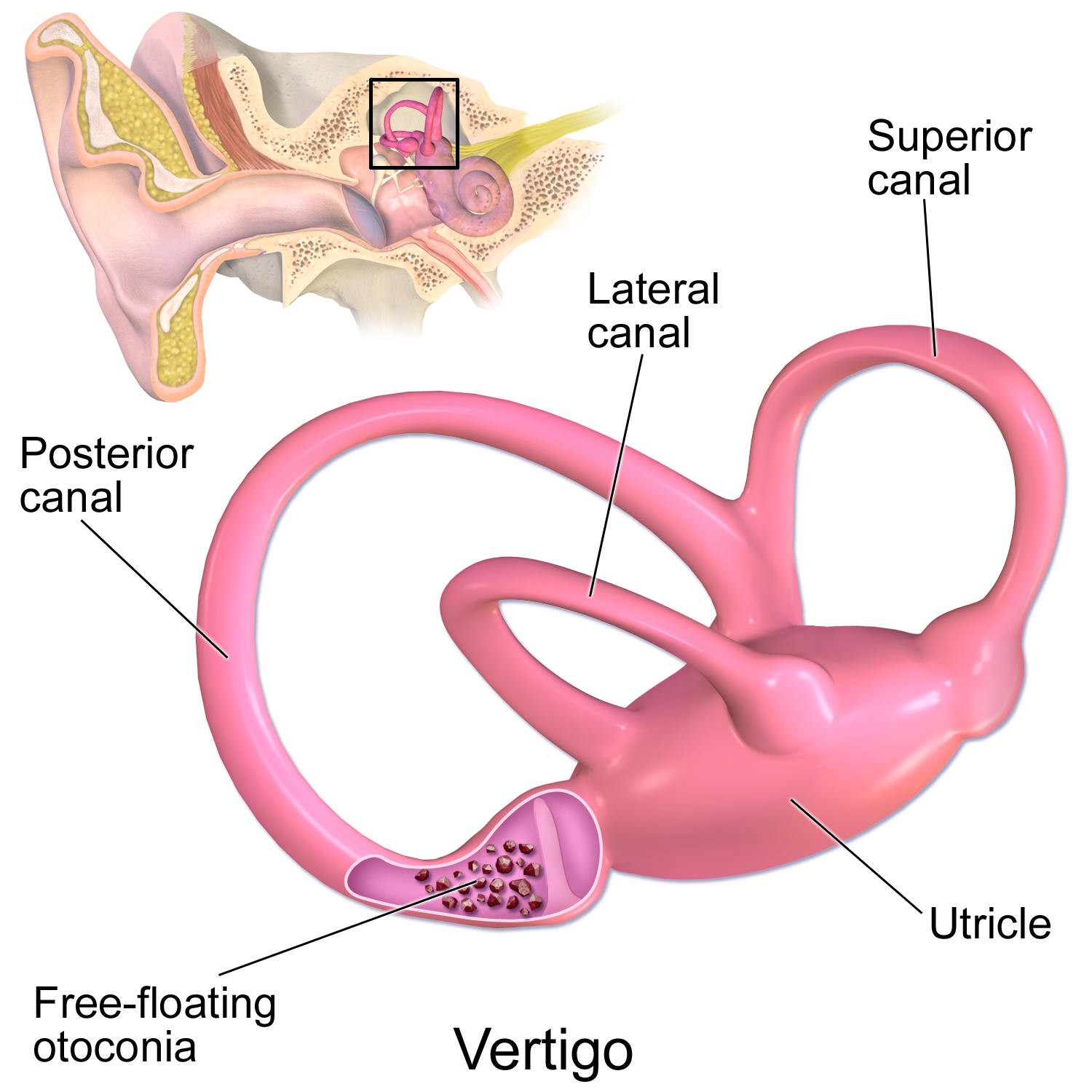
Your inner ear doesn’t just handle hearing. It’s also home to your vestibular system, which controls balance and spatial orientation. As we age, changes to the inner ear can affect both hearing and balance, creating a double challenge for active seniors.
Conditions like benign paroxysmal positional vertigo (BPPV), Meniere’s disease, or vestibular neuritis can cause dizziness, vertigo, and balance problems during exercise. You might feel unsteady during yoga poses, experience spinning sensations when changing positions quickly, or have difficulty with exercises that require closing your eyes.
Specific exercises can help retrain your balance system. The Romberg test (standing with feet together and eyes closed), single-leg stands with head turns, and gaze stabilization exercises all improve vestibular function. Many physical therapists specialize in vestibular rehabilitation and can create a program tailored to your needs.
Tai chi and yoga are particularly beneficial for improving balance affected by inner ear issues. Both emphasize controlled movements, body awareness, and gradual position changes that challenge your balance system without overwhelming it.
When to See a Professional
Don’t wait until hearing loss significantly impacts your life before seeking help. Get a baseline hearing test from an audiologist, especially if you’ve spent years in loud environments or have noticed any changes.
Modern hearing aids are designed for active lifestyles. They’re sweat-resistant, stay secure during movement, and many models connect wirelessly to your phone for streaming music or calls. Some even have specific programs for gym environments that reduce background noise while amplifying speech.
For balance issues, see your doctor if you experience frequent dizziness, have fallen or nearly fallen, or feel unsteady during normal activities. These symptoms aren’t a normal part of aging and often respond well to treatment.
Frequently Asked Questions
Can hearing loss from loud exercise be reversed?
Unfortunately, noise-induced hearing loss is permanent. The hair cells in your inner ear don’t regenerate once they’re damaged. However, you can prevent further damage by protecting your ears going forward. If you’ve already experienced some hearing loss, hearing aids can help, and stopping further exposure prevents additional deterioration.
Are wireless earbuds safer than wired headphones for exercise?
The connection type doesn’t matter for hearing safety. What matters is the volume level and duration of use. Both wireless and wired options can damage your hearing if played too loudly. Over-ear headphones generally provide better sound quality at lower volumes compared to earbuds, which some people find helpful for keeping volume down. Bone conduction models offer another alternative that keeps your ear canal open.
How do I know if my fitness class is too loud?
A simple test: if you need to raise your voice or nearly shout to have a conversation with someone standing three feet away, the environment is too loud. You can also download a decibel meter app for your smartphone. Sustained exposure above 85 decibels requires hearing protection. Many fitness classes regularly exceed 95-100 decibels, well into the danger zone for hearing damage.
This article contains affiliate links. We may earn a small commission at no extra cost to you.