You’ve probably noticed how a great song can make your workout feel easier, help you push through that last set, or turn a mundane walk into something you actually look forward to. Music isn’t just background noise during exercise. It’s a powerful tool that can transform your entire fitness experience, especially as you age and want to maintain an active lifestyle.
The connection between music and physical performance runs deep. Research shows that the right soundtrack can reduce perceived exertion by up to 12%, meaning your workout literally feels easier when you’re moving to the beat. For seniors looking to stay active and healthy, understanding how to use music effectively can make the difference between dreading your daily exercise and actually enjoying it.
How Music Changes Your Exercise Experience
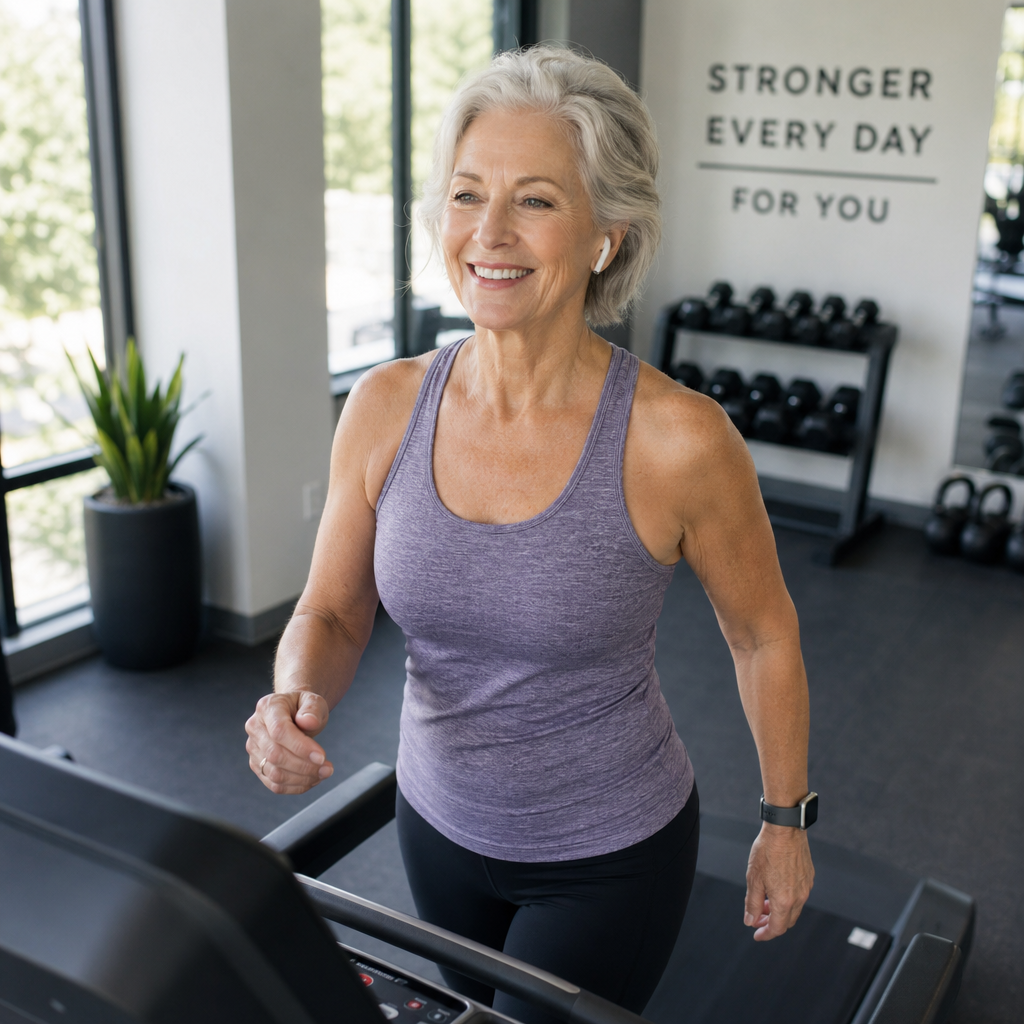
When you exercise to music, something interesting happens in your brain. The rhythm and melody distract you from physical discomfort while simultaneously motivating you to keep moving. This psychological effect becomes particularly valuable as we get older and might deal with joint stiffness, reduced stamina, or simply less enthusiasm for physical activity.
Music works on multiple levels during exercise. It can reduce your rating of perceived exertion, which means you feel like you’re working less hard than you actually are. Studies with older adults show that listening to preferred music during moderate-intensity exercise can improve endurance by 15% compared to exercising in silence.
The tempo of your music also synchronizes with your movements. Your body naturally wants to match the beat, which helps you maintain a consistent pace whether you’re walking, cycling, or doing aerobic exercises. This rhythmic entrainment effect is strongest at tempos between 120 and 140 beats per minute (BPM), though the ideal tempo varies based on your activity.
Matching Tempo to Your Exercise Type

Not all exercises benefit from the same musical tempo. Choosing the right BPM for your activity makes a huge difference in how effective your workout feels and how well you can maintain proper form.
Walking and Light Cardio
For gentle walking or warm-up activities, aim for songs in the 100-115 BPM range. This tempo naturally matches a comfortable walking pace without feeling rushed. Songs like “Stand by Me” by Ben E. King (120 BPM) or “Three Little Birds” by Bob Marley (76 BPM with a doubled feel) work beautifully for leisurely walks.
Brisk walking or faster-paced cardio works better with music between 120-130 BPM. Think classics like “Walking on Sunshine” by Katrina and the Waves or “Sweet Caroline” by Neil Diamond. These songs keep your energy up without pushing you into an uncomfortably fast pace.
Strength Training and Flexibility Work
Strength training requires focus and controlled movements, so you don’t want music that’s too fast or distracting. Stick with moderate tempos around 100-120 BPM. The music should energize you between sets without making you rush through your exercises.
For stretching and flexibility work, slower tempos between 60-90 BPM help you relax into movements and breathe deeply. Instrumental jazz, classical music, or gentle folk songs work wonderfully here. Your goal is to feel calm and focused rather than pumped up.
Water Aerobics and Pool Exercise
Water resistance naturally slows your movements, so you can handle slightly faster music than you might choose for land-based activities. Songs between 125-135 BPM work well for water aerobics. Just remember that many community pools play music over speakers, so you might not have full control over the soundtrack.
Building Your Personal Workout Playlist
Creating an effective workout playlist takes more than just throwing together your favorite songs. You want to consider the structure of your workout, your personal music preferences, and how different songs make you feel.
Start by mapping out your typical exercise session. Most workouts include a warm-up phase, the main activity, and a cool-down period. Your playlist should mirror this structure with gradually increasing tempo at the start and slower songs at the end.
For a 30-minute walk, you might begin with two or three songs around 105-110 BPM, transition to five or six songs at 120-125 BPM for the main portion, then finish with two songs that gradually slow down to 100 BPM or less. This structure helps your body ease into and out of exercise naturally.
The most important factor in music selection is personal preference. A song that motivates your neighbor might annoy you, and vice versa. Don’t force yourself to listen to current pop hits if you’d rather hear big band music from the 1940s. The emotional connection you have with music matters more than whether it’s on the Billboard charts. Beyond the physical benefits, exercise paired with enjoyable music supports mental well-being in ways that extend far beyond your workout session.
Genre Suggestions for Different Personalities
Classical music lovers can create excellent workout playlists using upbeat pieces. Vivaldi’s “Spring” from The Four Seasons, Rossini’s overtures, and many of Mozart’s compositions have tempos perfect for exercise. The lack of lyrics can help you focus on your movements without distraction.
If you grew up with rock and roll, artists like The Beatles, The Rolling Stones, and Creedence Clearwater Revival have extensive catalogs with songs at various tempos. “Twist and Shout,” “Brown Eyed Girl,” and “Proud Mary” are all excellent workout tracks.
Country music fans have plenty of options too. Upbeat country songs from artists like Dolly Parton, Johnny Cash, and more recent stars often have the perfect tempo for walking and light cardio. The storytelling nature of country music can also make your workout time fly by.
Jazz and big band music works surprisingly well for exercise, particularly swing and bebop styles. Glenn Miller, Duke Ellington, and Benny Goodman created music that makes you want to move. The complex rhythms can keep your brain engaged during longer workouts.
Safety Considerations for Exercise Music
While music enhances your workout, you need to stay aware of your surroundings and listen to your body. Safety should always come first, especially if you’re exercising outdoors or in shared spaces.
Volume control matters more than you might think. You should be able to hear ambient sounds around you, particularly if you’re walking outdoors. Car engines, bicycle bells, and other people’s voices need to reach your ears. Many fitness experts recommend keeping your music at no more than 60% of maximum volume.
Consider using only one earbud if you’re exercising outside. This keeps one ear completely free to monitor your environment. Bone conduction headphones like the AfterShokz Aeropex (now called Shokz OpenRun Pro) sit outside your ear canal entirely, allowing you to hear music and environmental sounds simultaneously. Check current pricing on Amazon for these and similar models.
Pay attention to how music affects your exertion level. Sometimes an energizing song can push you to work harder than you should, particularly if you’re managing a chronic condition or recovering from illness. If you notice your heart racing uncomfortably or feel dizzy, the music might be driving you too hard. Take a break and switch to something calmer. Active seniors should always monitor their blood pressure regularly, especially when increasing workout intensity with motivating music.
Equipment and Technology
You don’t need expensive equipment to enjoy music during exercise. A simple smartphone or MP3 player with basic earbuds works perfectly fine. However, a few upgrades can improve your experience.
Wireless earbuds eliminate the annoying cord that bounces around during movement. The JBL Endurance Peak II and Sony WF-SP800N both offer good sound quality, secure fit, and water resistance suitable for sweaty workouts. They’re competitively priced and widely available.
For those who find earbuds uncomfortable or have hearing aids, portable Bluetooth speakers can work well for indoor exercise. The JBL Clip 4 is small enough to clip onto your clothing yet loud enough for personal use. Just be considerate of others if you’re exercising in shared spaces.
Streaming services like Spotify, Apple Music, and Amazon Music all offer pre-made workout playlists sorted by tempo and genre. These can save you time building your own playlists, though you’ll likely want to customize them to match your personal taste. Many of these services allow you to filter playlists by decade, which helps you find music from your preferred era. If you prefer working out at home, consider that treadmills and exercise equipment can be integrated into your home setup with built-in speakers or device holders for your music player.
Adjusting Music as Your Fitness Improves
As you get stronger and build endurance, your musical needs will change. What felt energizing when you started might seem too slow after a few months of regular exercise. This progression is actually a great sign that your fitness is improving.
Every four to six weeks, reassess your playlists. You might find you can comfortably handle songs with a faster tempo, or you might want longer workout sessions that require more songs. Some people enjoy gradually increasing the tempo of their favorite songs by 5-10% using audio editing software, though this can make vocals sound slightly unnatural.
Don’t feel obligated to constantly push for faster tempos if you’re comfortable where you are. The goal is sustainable, enjoyable exercise, not training for the Olympics. If your current playlist keeps you motivated and moving regularly, stick with what works. However, if you find yourself feeling unusually tired despite maintaining your routine, it’s worth considering whether you might be experiencing overtraining or another underlying issue that needs attention.
Music for Group Exercise Classes
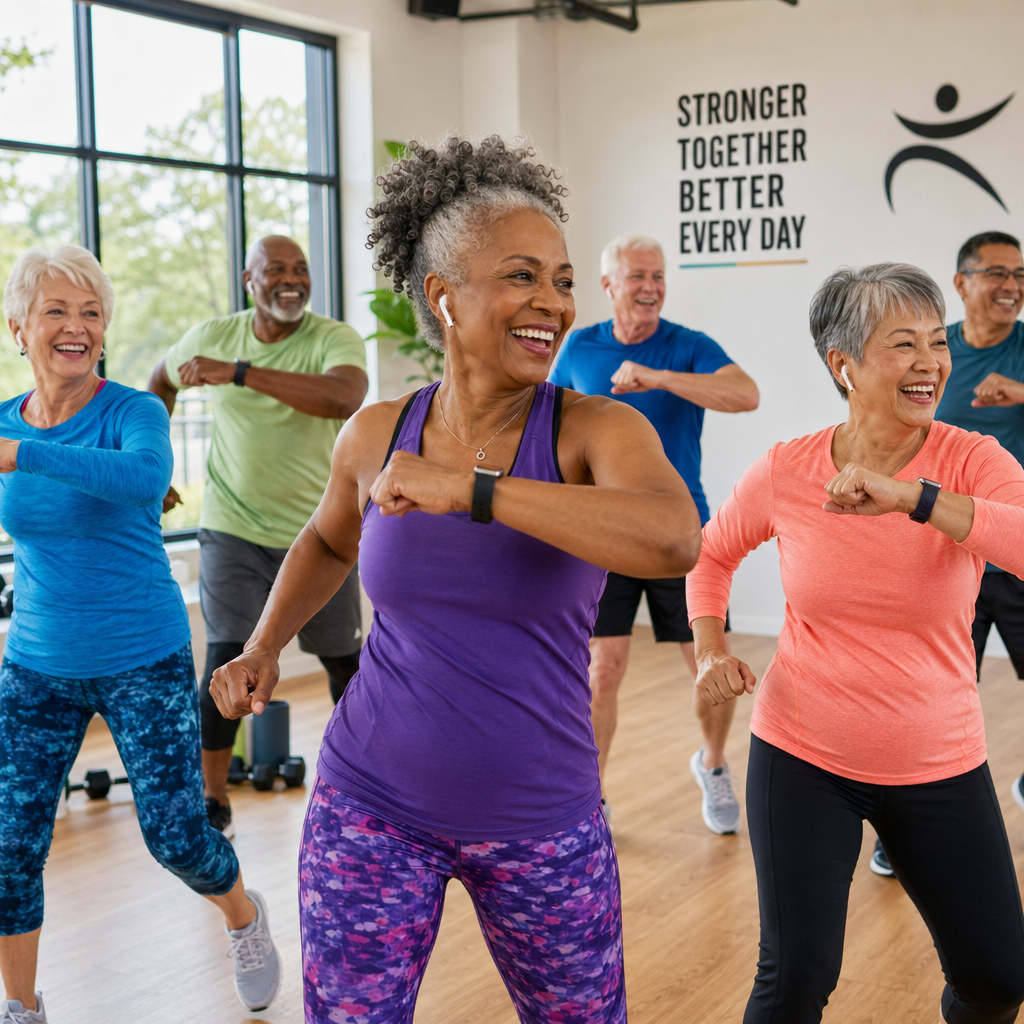
Many seniors participate in group exercise classes at community centers, gyms, or senior centers. The instructor typically controls the music in these settings, but you can still make requests or offer suggestions.
If the music in a class doesn’t suit your taste but the exercise program works for you, try to focus on the social aspects and the movements themselves. Sometimes the benefits of group exercise and social interaction outweigh less-than-ideal music choices.
You might also suggest that your instructor create theme days with specific musical genres. Many instructors appreciate input and are happy to dedicate certain classes to big band music, classic rock, or other genres that resonate with their participants.
Frequently Asked Questions
Can music really make exercise feel easier?
Yes, multiple studies confirm that music reduces perceived exertion during moderate-intensity exercise. Your brain processes musical enjoyment and physical discomfort in competing ways, so focusing on music you love genuinely makes the workout feel less difficult. The effect is strongest during aerobic activities like walking, cycling, or swimming at a steady pace.
What if I don’t know the BPM of my favorite songs?
You can find the BPM of almost any song using free websites like GetSongBPM.com or SongBPM.com. Just search for the song title and artist. Spotify also shows BPM information if you use their desktop app and enable the right settings. Alternatively, you can tap along to the beat using free BPM counter apps on your smartphone to measure any song.
Is it better to use wireless or wired headphones for exercise?
Wireless headphones eliminate the annoying bouncing cord and reduce the risk of getting tangled during movement. However, wired headphones don’t require charging and won’t die mid-workout. Both options work fine for exercise. Choose based on your personal preference and whether you remember to charge devices regularly. Many people keep a wired backup pair for when their wireless headphones run out of battery.
Should I use different music for outdoor versus indoor exercise?
Outdoor exercise requires more environmental awareness, so you might want to use lower volumes, bone conduction headphones, or only one earbud. The music itself can be the same, though some people prefer nature sounds or podcasts for outdoor walks where the scenery provides its own stimulation. Indoor exercise might benefit from more engaging or upbeat playlists since you’re staring at the same walls and need extra motivation.
Related Articles
- How Exercise Benefits Senior Mental Health: Evidence-Backed Facts
- Blood Pressure Monitoring Tips for Active Seniors Over 60
- Recognizing Chronic Fatigue and Overtraining in Active Seniors
- Understanding Treadmills and Home Exercise Equipment