Exercise is the closest thing to a wonder drug for mental health. It reduces depression as effectively as medication in many studies, cuts anxiety by 20-30%, improves sleep quality, sharpens memory, and provides a sense of accomplishment that combats the purposelessness some seniors feel after retirement or health setbacks. The mental health benefits of exercise aren’t a nice bonus on top of the physical benefits. For many seniors, they’re the most important reason to keep moving.
The connection between physical activity and mental wellness is backed by decades of research across multiple disciplines. What makes exercise particularly valuable for older adults is its accessibility: you don’t need special equipment, expensive programs, or medical supervision for basic walking or gentle movement. The barriers to starting are low, and the mental health returns begin almost immediately.
Before starting any new exercise program, talk to your doctor, especially if you have existing health conditions or haven’t been active recently. This conversation helps identify any modifications you might need and ensures your approach is safe for your specific situation.
8 Evidence-Backed Mental Health Benefits

1. Reduces Depression
Multiple large-scale studies, including a landmark Harvard analysis of over 33,000 adults, confirm that regular exercise reduces the risk of developing depression by 26%. For people already experiencing depression, exercise produces improvements comparable to antidepressant medication in mild-to-moderate cases. The mechanism involves increased serotonin and norepinephrine production, reduced inflammation (which is linked to depressive symptoms), and the neuroplasticity benefits of brain-derived neurotrophic factor (BDNF) released during exercise.
The effective dose for depression is 30 minutes of moderate aerobic exercise (walking, cycling, swimming) 3-5 times per week. Even 15 minutes of walking produces measurable mood improvement within a single session.
What counts as moderate intensity? If you can talk but not sing during the activity, you’re in the right zone. A brisk walk where you’re moving with purpose but not gasping for breath hits this target for most people. Swimming laps at a comfortable pace, cycling on relatively flat terrain, or using an elliptical machine all qualify.
The consistency matters more than the intensity. Three 30-minute walks spread across the week produce better mental health outcomes than one 90-minute Saturday hike followed by six days of nothing. Your brain adapts to regular stimulus, building the neurological pathways that support better mood regulation.
2. Reduces Anxiety
Exercise is a potent anxiolytic (anxiety reducer). A single session of moderate exercise reduces state anxiety (the anxiety you feel right now) for 4-6 hours. Regular exercise reduces trait anxiety (your baseline anxiety level) over 6-12 weeks. The effect is partly chemical (exercise metabolizes stress hormones like cortisol and adrenaline) and partly psychological (mastering challenging physical tasks builds confidence that transfers to managing other challenges).
For anxiety specifically, activities with a rhythmic, repetitive quality (walking, swimming, cycling) tend to be most calming. The rhythm synchronizes breathing and movement, which activates the parasympathetic nervous system.
Many people with anxiety report that the predictability of rhythmic exercise is part of what makes it effective. Each step, stroke, or pedal rotation follows the last in a reliable pattern. This external rhythm can help quiet the racing thoughts that characterize anxious states. The physical sensation of controlled, measured movement provides a concrete anchor when mental processes feel chaotic.
Breathing patterns during exercise also play a role. Moderate-intensity rhythmic activities naturally regulate breathing into a steady, deeper pattern than the shallow chest breathing common during anxiety. This shift signals your nervous system that you’re safe, gradually reducing the fight-or-flight response.
3. Improves Sleep Quality
Regular exercisers fall asleep faster, spend more time in deep sleep (the restorative stage), and report better overall sleep satisfaction than non-exercisers. The mechanisms include body temperature regulation (exercise raises temperature; the subsequent drop triggers sleepiness), anxiety reduction (less worry at bedtime), and increased adenosine production (the chemical that builds sleep pressure during the day).
Morning exercise produces the strongest sleep benefits. Avoid vigorous exercise within 4 hours of bedtime, as the cortisol elevation can delay sleep onset. For more on timing your workouts, see our guide on morning vs evening exercise for seniors.
The temperature regulation effect is particularly useful for seniors, whose natural body temperature rhythm often flattens with age. Exercise artificially creates the temperature spike and subsequent drop that promotes sleepiness. A morning or early afternoon workout raises core temperature by 1-2 degrees, and the decline back to baseline several hours later coincides with increased drowsiness.
The anxiety reduction component addresses one of the most common sleep disruptors: lying awake with racing thoughts. When you’ve used physical activity to process some of the day’s stress hormones, you have less mental fuel for nighttime worry loops.
Light evening stretching or gentle yoga is fine and may help relaxation. The timing restriction applies to vigorous activity that significantly raises heart rate and cortisol. A leisurely after-dinner walk won’t interfere with sleep and may actually aid digestion and relaxation.
4. Sharpens Memory and Cognitive Function
Exercise increases blood flow to the brain, promotes the growth of new neurons in the hippocampus (the memory center), and stimulates the release of BDNF, which strengthens neural connections. A study from the University of British Columbia found that regular aerobic exercise increases the size of the hippocampus in older adults, directly improving memory performance.
The cognitive benefits require consistency. Research shows that 6 months of regular exercise produces measurable improvements in memory, processing speed, and executive function (planning, decision-making) in adults over 60. For more brain health strategies, check out our article on brain fitness exercises.
The hippocampus is one of the first brain regions affected by age-related cognitive decline and Alzheimer’s disease. The fact that aerobic exercise can actually increase its volume, not just slow shrinkage, makes physical activity one of the most powerful cognitive protection tools available. No medication or supplement has demonstrated this structural brain benefit as reliably as regular movement.
Processing speed improvements show up in everyday tasks: you retrieve names faster, follow conversations more easily, and switch between tasks with less mental friction. Executive function gains mean better planning (remembering all the items you need at the store without a list, organizing a family gathering) and improved decision-making (weighing options, controlling impulses).
These benefits compound over time. The person who exercises regularly for several years isn’t just maintaining cognitive function; they’re often improving it relative to their sedentary peers, even as both groups age chronologically.
5. Boosts Self-Confidence and Self-Efficacy
Completing a workout, walking further than last week, or lifting a heavier weight provides concrete evidence that you’re capable. This sense of physical accomplishment transfers to other areas of life: you feel more confident managing health challenges, social situations, and daily tasks. For seniors whose confidence has eroded after health setbacks or loss of independence, this rebuilding of self-efficacy is transformative.
Self-efficacy (belief in your ability to accomplish specific tasks) is distinct from general self-esteem. Exercise builds efficacy through repeated proof: you set a small goal, you achieve it, you trust yourself a bit more. The physical nature of the evidence makes it harder to dismiss than purely mental accomplishments. You walked two miles. The fitness tracker confirms it. Your legs feel it. The achievement is undeniable.
This confidence extends beyond physical tasks. Research shows that people who engage in regular physical challenges report feeling more capable of managing medical appointments, learning new skills, and navigating unfamiliar situations. The mental pattern of “I can do hard things” established through exercise generalizes to other domains.
For someone recovering from a fall, illness, or injury that damaged their confidence, rebuilding through exercise offers a controlled environment for reclaiming capability. Unlike many real-world challenges, exercise allows you to scale difficulty precisely to your current level and progress in measurable increments.
6. Provides Social Connection
Group exercise classes, walking groups, gym friendships, and swimming pool acquaintances provide regular social interaction that combats the isolation many seniors face. Social isolation is an independent risk factor for depression, cognitive decline, and even cardiovascular disease. Exercise that includes a social component delivers double benefits.
The social benefit isn’t just about having people around. It’s about shared purpose, regular contact, mutual encouragement, and the low-pressure nature of activity-based socializing. You don’t have to be witty or charming at a walking group; you just have to show up and move. Conversation happens naturally during the activity or after, without the pressure of a purely social gathering where interaction is the sole purpose.
Regular attendance builds relationships through repeated exposure. You see the same faces weekly, learn each other’s names and stories, notice when someone is absent, and develop the kind of casual ongoing friendships that provide social stability without requiring the energy of deep intimacy.
Even gym acquaintances who don’t socialize outside the facility provide valuable social contact. The friendly nod from the person who’s always on the adjacent treadmill, the brief chat in the locker room, the shared complaint about the broken water fountain create a sense of belonging and community.
7. Creates Structure and Purpose
A regular exercise routine provides daily structure that many seniors lose after retirement, children leaving home, or health-related role changes. Having somewhere to be, something to prepare for, and a measurable goal to work toward fills the purpose gap that contributes to depression and listlessness in older adults.
The loss of work-related structure affects mental health more than many people anticipate. Retirement removes the daily schedule, regular social contact, sense of productivity, and identity that employment provided. Exercise can partially fill this gap by creating a new routine with its own rhythms, goals, and identity.
The structure doesn’t need to be elaborate. A simple commitment to walk every morning at 8:00 a.m. provides a reason to get up, get dressed, and leave the house. The routine creates a framework that organizes the rest of the day. Other activities and appointments arrange themselves around the exercise schedule.
Measurable goals (walk an extra block this week, hold the plank five seconds longer, complete the full water aerobics class without breaks) provide ongoing purpose. You’re working toward something concrete. Progress is trackable. Achievement is definable. This sense of forward momentum counters the stagnation that feeds depression.
8. Reduces Stress Response
Regular exercise literally remodels your stress response system. Consistent exercisers produce less cortisol in response to stressors, recover from stressful events faster, and have lower baseline blood pressure and heart rate. This means the same life stressors (health worries, financial concerns, family conflicts) produce less physiological damage in people who exercise regularly than in those who don’t.
The remodeling happens at multiple levels. Your adrenal glands (which produce cortisol) become less reactive to stress signals. Your cardiovascular system develops greater resilience, returning to baseline more quickly after stress-induced spikes. Your nervous system shifts toward parasympathetic dominance (rest and digest) as its default state rather than sympathetic activation (fight or flight).
These changes mean stress feels less overwhelming in the moment and has less lasting impact on your body and mood. The argument with your adult child, the worrying medical test result, the unexpected bill all still register as stressful, but your physiological reaction is proportionate rather than excessive, and you bounce back faster.
The stress resilience built through exercise also helps with everyday frustrations that might seem minor but accumulate: traffic delays, technology glitches, weather disruptions, small disappointments. Your system handles these micro-stressors with less drama, preserving energy and mood stability throughout the day.
Getting the Mental Health Benefits
Minimum Effective Dose
The mental health benefits of exercise begin at surprisingly low doses. Even 10-15 minutes of walking produces measurable mood improvement. The greatest benefit-per-minute occurs in the first 30 minutes; additional time provides diminishing (though still positive) returns. For depression and anxiety specifically, 150 minutes per week of moderate exercise (30 minutes, 5 days) is the most commonly studied and recommended dose.
Three 10-minute walks spread across the day produce mental health benefits comparable to one 30-minute session. The fragmented approach works just as well and may fit more easily into your schedule and energy levels.
You can also think in terms of weekly totals rather than daily minimums. Some people prefer longer sessions fewer times per week (50 minutes three times weekly instead of 30 minutes five times). As long as the weekly total reaches 150 minutes of moderate activity, the mental health outcomes are similar.
The upper limit for mental health benefits appears to plateau around 300-400 minutes of moderate exercise per week. More than that doesn’t produce proportionally greater mood or cognitive improvements, though it may offer additional physical health benefits if done safely.
Best Activities for Mental Health
Any activity you enjoy produces mental health benefits. The “best” exercise for your mental health is the one you’ll do consistently. Certain activities have additional mental health advantages:
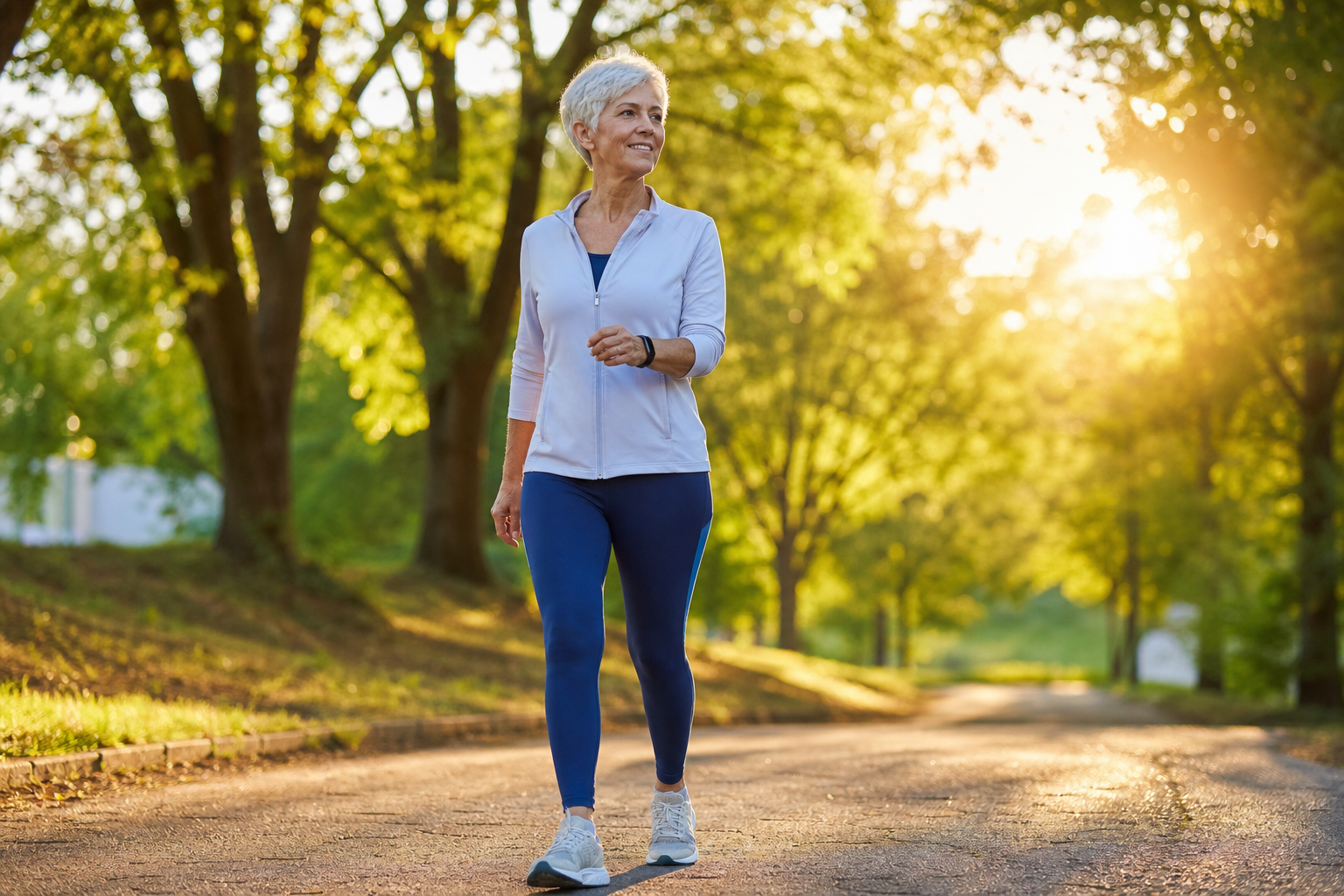
- Outdoor walking: Nature exposure adds stress-reduction benefits beyond the exercise itself. A 20-minute walk in a park reduces cortisol by 13-16% more than an equivalent indoor walk.
- Yoga and tai chi: The mindfulness component provides anxiety reduction beyond what pure aerobic exercise offers. Learn more about yoga vs tai chi for seniors.
- Group classes: The social connection component adds mood benefits.
- Resistance training: The visible progress (lifting heavier, doing more reps) builds self-efficacy particularly well. Consider trying progressive resistance training.
Water-based activities like swimming or water aerobics combine the rhythmic quality that helps with anxiety, the joint-friendly nature that matters for older bodies, and often a social component if done in group settings. The sensory experience of water (temperature, pressure, buoyancy) provides additional calming input.
Dancing delivers multiple mental health benefits simultaneously: aerobic exercise, social connection (if done in groups or with a partner), cognitive challenge (learning and remembering steps), and often music (which has its own mood-enhancing properties).
Gardening, while not traditionally considered “exercise,” provides moderate physical activity, outdoor time, purposeful work, and visible results. Research confirms that regular gardening produces mental health benefits comparable to structured exercise programs.
The variety itself can be beneficial. Mixing activities (walking Monday and Wednesday, yoga Friday, swimming Saturday) prevents boredom and works different physical systems, which may enhance overall brain health through varied stimulation.
Modifications for Different Ability Levels
The mental health benefits of exercise don’t require high intensity or perfect form. Chair-based exercises for people with significant mobility limitations produce the same neurochemical changes as walking for those who can walk. The brain doesn’t care whether you’re moving your whole body or just your arms and legs from a seated position; it responds to the muscle activity and elevated heart rate. For chair-based options, see our guide to seated resistance training.
For balance concerns, pool walking provides excellent cardiovascular exercise with minimal fall risk. The water resistance makes even slow walking effective for fitness while buoyancy removes balance challenges.
For arthritis or joint pain, focus on activities that don’t aggravate symptoms. Swimming, cycling, and chair exercises often work well. The mental health benefits don’t require pushing through pain. Check out our arthritis-friendly exercises guide for specific recommendations.