Staying hydrated becomes more critical as we age, but plain water doesn’t always cut it. When you’re losing fluids through exercise, heat, or illness, you need to replace more than just water. You need electrolytes like sodium, potassium, and magnesium that keep your muscles, nerves, and heart functioning properly.
For seniors managing diabetes or watching their sugar intake, finding the right electrolyte drink can feel like navigating a minefield. Most sports drinks are loaded with sugar and artificial colors, making them a poor choice for daily use. Let’s explore the best low-sugar options and when you actually need them.
Why Seniors Need Electrolytes More Than Younger Adults
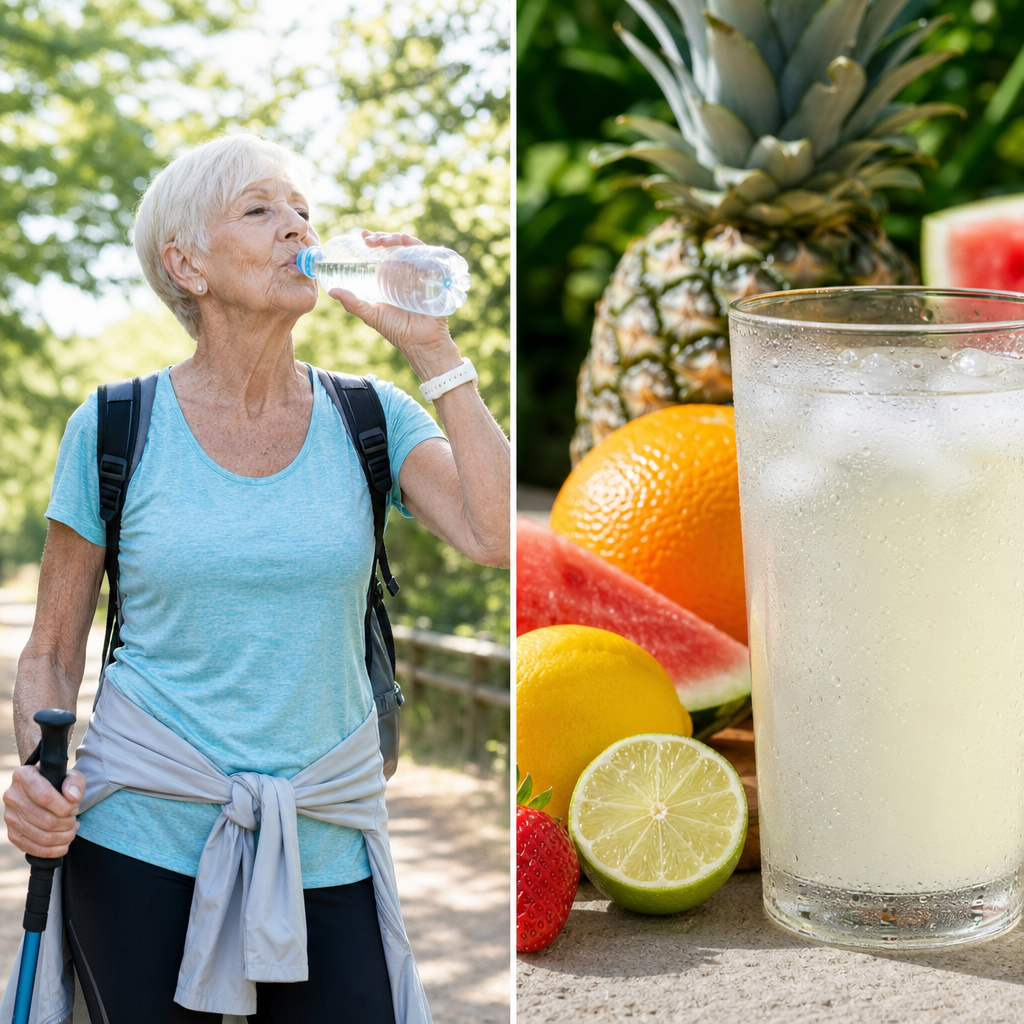
Your body’s ability to regulate fluid balance changes with age. Older adults often have a diminished sense of thirst, meaning you might be dehydrated without realizing it. Medications like diuretics, blood pressure drugs, and diabetes medications can also deplete electrolytes more quickly.
Electrolytes do more than prevent dehydration. They regulate muscle contractions, including your heartbeat. They help your body maintain proper pH levels and enable nerve signals to fire correctly. When you’re low on electrolytes, you might experience muscle cramps, fatigue, dizziness, or confusion.
Seniors are also more susceptible to heat-related illness. Your body becomes less efficient at cooling itself through sweating, and when you do sweat, you’re losing vital minerals. This makes electrolyte replacement particularly important during summer months or after any physical activity.
Best Low-Sugar Commercial Electrolyte Products
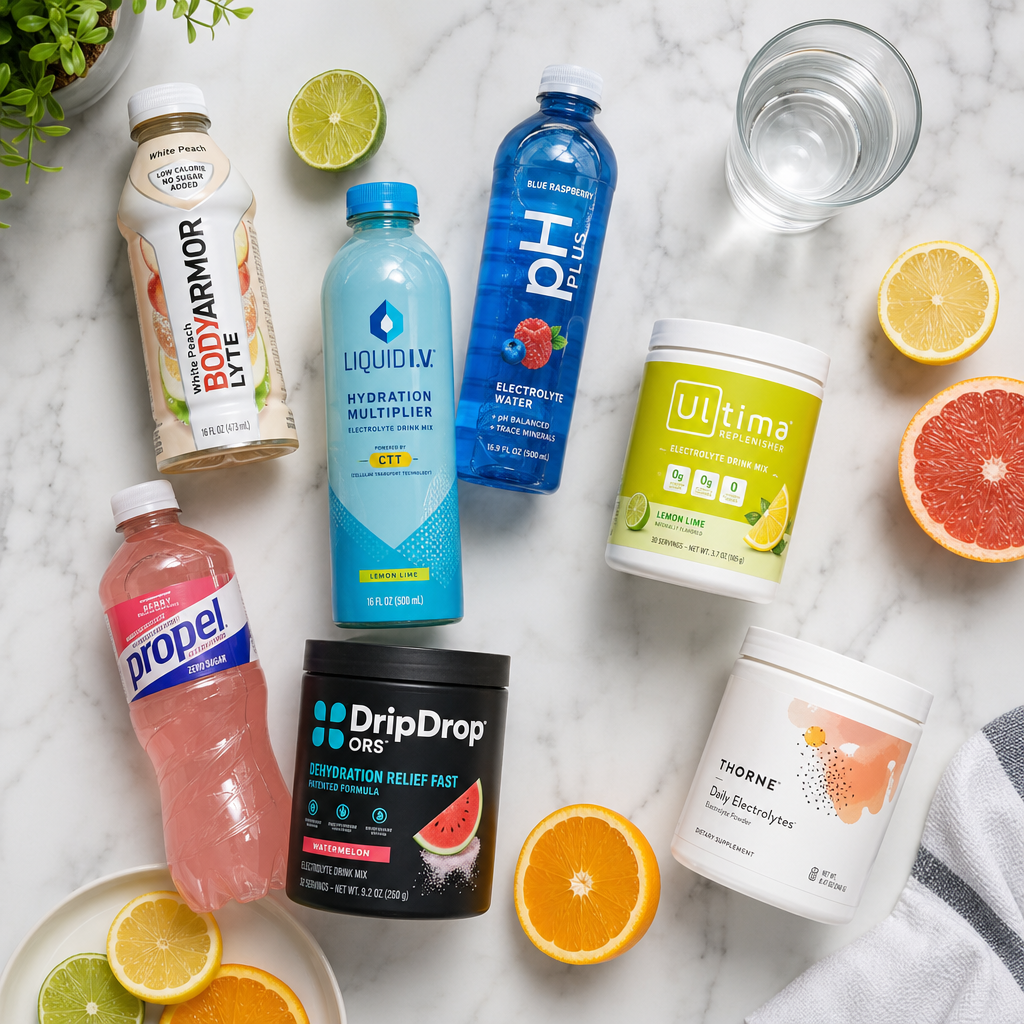
The market has finally caught up with the need for sugar-free hydration options. Several brands now offer products specifically designed for people watching their carbohydrate intake.
Electrolyte Powders Without the Sugar Spike
LMNT has become popular among health-conscious consumers for good reason. Each packet contains 1,000mg of sodium, 200mg of potassium, and 60mg of magnesium with zero sugar. The higher sodium content makes it particularly effective for seniors taking blood pressure medications that deplete sodium.
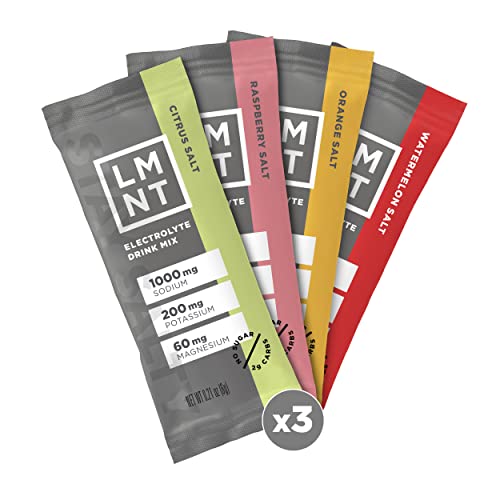
LMNT Electrolyte Drink Mix
Zero-sugar formula with optimal sodium levels for seniors on blood pressure medications
Ultima Replenisher offers another excellent option with six essential electrolytes and zero calories. It uses plant-based colors and natural flavors, avoiding the artificial ingredients found in traditional sports drinks. The variety pack lets you try different flavors without committing to a single option.
For those managing diabetes, Nuun Sport tablets provide a convenient drop-in solution. Each tablet contains only 1 gram of sugar and includes B vitamins for energy support. The effervescent format makes them easy to carry and use anywhere.
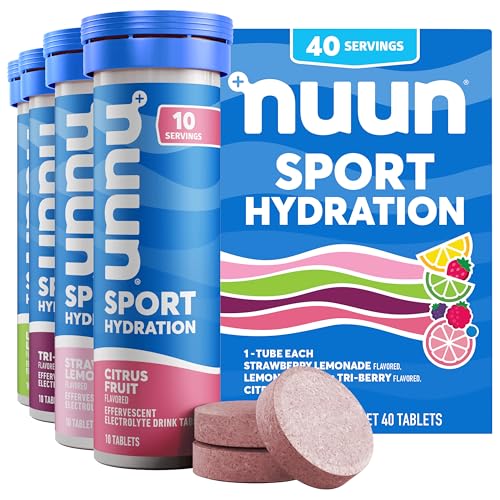
Nuun Sport Electrolyte Tablets
Convenient tablet format with minimal sugar, perfect for seniors managing blood glucose levels
Ready-to-Drink Options for Convenience
Gatorade Zero provides a familiar taste without the sugar load of regular Gatorade. While it relies on artificial sweeteners, it’s widely available and affordable for seniors on a fixed income. Keep in mind that it has less sodium than some other options, making it better for light activity rather than intense exercise or heat exposure.
Propel offers another ready-to-drink alternative with zero sugar and added vitamins. The lower electrolyte content makes it suitable for everyday hydration rather than post-workout recovery.
Homemade Electrolyte Solutions That Actually Work

You don’t need fancy products to replenish electrolytes. A simple homemade solution can be just as effective and costs pennies per serving.
The basic recipe is simple: Mix 1/4 teaspoon of salt, 1/4 teaspoon of baking soda, and 2 tablespoons of lemon juice in 16 ounces of water. You can add a small amount of stevia or monk fruit sweetener for taste. This provides sodium, potassium, and a touch of flavor without any sugar.
Another option is coconut water, which naturally contains potassium, magnesium, and sodium. Look for unsweetened varieties to avoid added sugars. You can mix coconut water with regular water and a pinch of salt to create a balanced electrolyte drink at a fraction of the cost of commercial products.
For a refreshing summer option, try infusing water with cucumber slices and a pinch of sea salt. Cucumbers naturally contain electrolytes and the mild flavor encourages you to drink more. This works well for light activity or daily hydration needs. Certain foods like French beans and lentils also provide natural sources of potassium and magnesium that support your electrolyte balance when incorporated into a balanced diet.
When You Actually Need Electrolytes Beyond Water
Not every sip of water needs to come with added electrolytes. Understanding when to use them prevents both waste and potential overconsumption of sodium.
You need electrolyte replacement after exercising for more than 45 minutes, especially in warm weather. A gentle 20-minute walk in cool weather probably doesn’t require anything beyond water. But a 60-minute water aerobics class or gardening in summer heat definitely calls for electrolyte support.
Illness that causes vomiting, diarrhea, or fever requires electrolyte replacement regardless of activity level. Your body is losing fluids and minerals rapidly, and plain water won’t adequately replace what’s lost. This is when having sugar-free electrolyte powder in your pantry becomes particularly valuable.
If you take diuretics or medications that affect fluid balance, talk with your doctor about daily electrolyte needs. Some seniors benefit from a low-dose electrolyte drink daily, while others only need it occasionally. Your medication regimen and activity level should guide this decision.
Matching Electrolyte Needs to Exercise Intensity
Different activities deplete electrolytes at different rates. A yoga class requires different hydration support than a two-hour bike ride.
For light activity lasting under an hour, water alone usually suffices. This includes gentle walking, stretching, or light housework. Save your electrolyte drinks for when you actually need them.
Moderate exercise lasting 60-90 minutes calls for an electrolyte drink with 300-500mg of sodium per serving. This includes brisk walking, water aerobics, or recreational cycling. Products like Ultima Replenisher work well for this intensity level.
Extended activity beyond 90 minutes needs higher sodium concentrations, typically 500-1000mg per serving. Long hikes, extended gardening sessions in heat, or competitive sports for seniors fall into this category. Higher-sodium options prevent the dangerous condition of hyponatremia, where blood sodium levels drop too low from drinking only water. Proper hydration combined with adequate protein intake and regular exercise supports muscle function and recovery during extended physical activity.

Skratch Labs Sport Hydration Mix
Balanced formula designed for extended activity with real fruit flavoring and moderate sugar content suitable for most seniors
Frequently Asked Questions
Can electrolyte drinks affect blood pressure medication?
Yes, electrolyte drinks can interact with certain blood pressure medications. Diuretics deplete sodium and potassium, so electrolyte replacement might be beneficial. However, ACE inhibitors and some other medications increase potassium levels, making high-potassium drinks potentially dangerous. Always check with your doctor about which electrolytes and amounts are safe for your specific medication regimen.
How do I know if I’m dehydrated or low on electrolytes?
Dehydration symptoms include dark urine, dry mouth, and infrequent urination. Electrolyte imbalance adds muscle cramps, irregular heartbeat, confusion, and extreme fatigue. If you’re drinking plenty of water but still experiencing these symptoms, you likely need electrolyte replacement. Persistent muscle cramps, especially at night, often indicate low magnesium or potassium levels. Amino acids like glycine also play a role in muscle health and hydration balance.
Are artificial sweeteners in sugar-free electrolyte drinks safe for daily use?
Most artificial sweeteners approved by the FDA are considered safe for daily consumption within recommended limits. However, some people experience digestive discomfort from sugar alcohols or artificial sweeteners. If you plan to use electrolyte drinks daily, consider rotating between artificially sweetened options and naturally flavored homemade solutions. Stevia-sweetened products offer a natural alternative to artificial sweeteners without affecting blood sugar levels.
Related Articles