Your digestive system doesn’t age in isolation. As you stay active and vital in your senior years, your gut works differently than it did a decade or two ago. The enzymes that break down food become less efficient. Stomach acid production decreases. Transit time slows down. And the trillions of bacteria that make up your gut microbiome shift in composition.
Understanding these changes isn’t just about avoiding discomfort. A healthy gut influences everything from nutrient absorption to immune function, energy levels, and even mood. For active seniors who want to maintain their lifestyle, supporting digestive health becomes a cornerstone of overall wellness.
How Aging Changes Your Digestive System
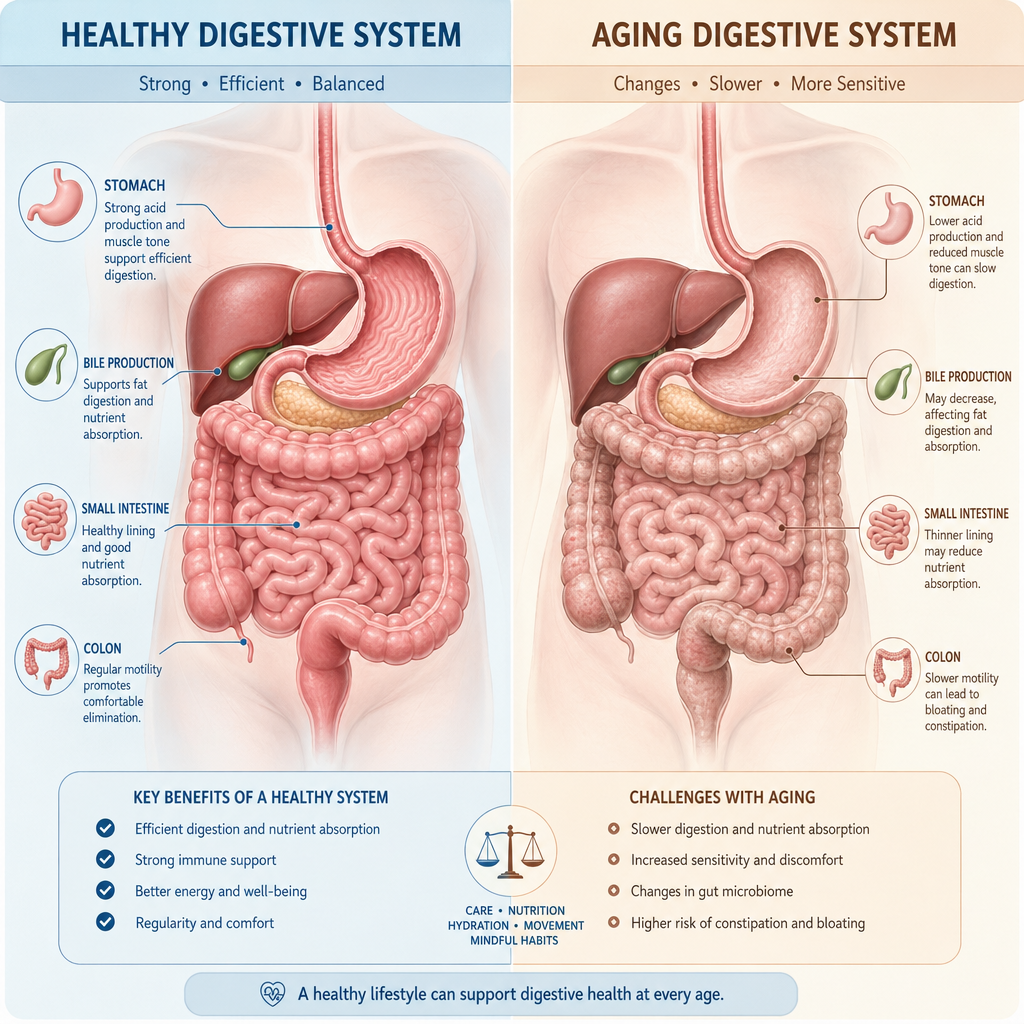
After age 60, your gastrointestinal tract undergoes several predictable changes. The muscles in your digestive tract lose some tone, which slows the movement of food through your system. This condition, called reduced motility, explains why constipation becomes more common with age.
Your stomach produces less hydrochloric acid, making it harder to break down proteins and absorb certain nutrients like vitamin B12, calcium, and iron. The pancreas may produce fewer digestive enzymes, affecting how well you digest fats and proteins.
Perhaps most significantly, the diversity of your gut microbiome decreases. Research shows that seniors often have lower populations of beneficial bacteria and higher levels of potentially harmful ones. This shift can affect immunity, inflammation levels, and even cognitive function.
The Power of Probiotics and Prebiotics
Probiotics are live beneficial bacteria that support your gut health. For seniors, they can help restore some of the microbial diversity lost with aging. The most researched strains include Lactobacillus acidophilus, Bifidobacterium lactis, and Lactobacillus rhamnosus.
Food sources of probiotics include yogurt with live cultures, kefir, sauerkraut, kimchi, miso, and kombucha. Aim to include at least one serving daily. When choosing yogurt, look for labels that say “contains live and active cultures” and avoid varieties loaded with added sugar.

Garden of Life Dr. Formulated Probiotics for Seniors
Specifically formulated with strains that support digestive health in older adults
Prebiotics feed the good bacteria already in your gut. These are types of fiber that your body can’t digest but your gut bacteria thrive on. Excellent prebiotic foods include garlic, onions, leeks, asparagus, bananas, oats, apples, and Jerusalem artichokes.
Combining probiotics and prebiotics creates a synbiotic effect that maximizes gut health benefits. Try adding sliced banana to your morning yogurt or enjoying sauerkraut with your evening meal. For those interested in natural remedies that support digestive function, fig leaves have been traditionally used to promote healthy digestion.
Fiber Recommendations for Senior Digestion
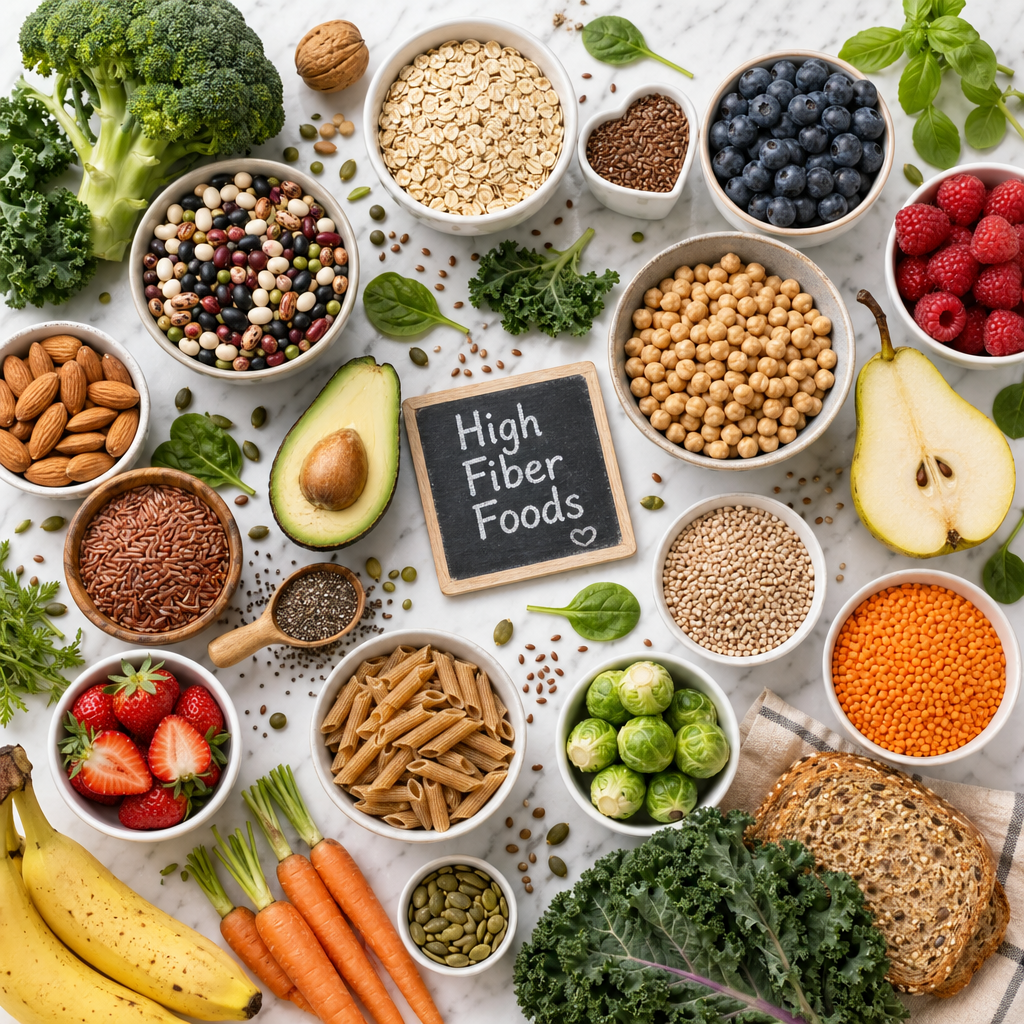
Fiber moves things along in your digestive tract and feeds beneficial gut bacteria. Women over 50 need about 21 grams daily, while men need 30 grams. Most seniors get only half that amount.
There are two types to focus on. Soluble fiber dissolves in water and helps lower cholesterol while stabilizing blood sugar. You’ll find it in oats, beans, apples, and citrus fruits. Insoluble fiber doesn’t dissolve and adds bulk to stool, preventing constipation. Good sources include whole wheat, brown rice, nuts, and vegetables.
Increase fiber gradually to avoid gas and bloating. Add 5 grams per week until you reach your target. Your gut bacteria need time to adjust to the increased workload.
A typical high-fiber day might include oatmeal with berries for breakfast, a large salad with chickpeas for lunch, an apple with almond butter as a snack, and salmon with roasted Brussels sprouts and quinoa for dinner. This combination easily delivers 30-35 grams of fiber while helping maintain stable blood sugar levels throughout the day.
Hydration and Digestive Health

Water does more than quench thirst. It helps dissolve nutrients so your body can absorb them, softens stool to prevent constipation, and supports the production of digestive enzymes.
Seniors face special hydration challenges. The sensation of thirst decreases with age. Certain medications act as diuretics. And some people limit fluids to avoid frequent bathroom trips, especially at night.
Aim for 8-10 glasses of water daily, more if you’re active or live in a hot climate. Don’t wait until you feel thirsty. Set reminders on your phone or keep a water bottle with time markers nearby as a visual prompt.
Herbal teas, coconut water, and water-rich foods like cucumbers, watermelon, and soup all count toward your hydration goals. Coffee and regular tea are fine in moderation, but their mild diuretic effect means they shouldn’t be your only fluids.
Movement and Gut Motility
Physical activity directly stimulates intestinal contractions, helping food move through your digestive tract. Even gentle movement makes a difference.
Walking is particularly effective for digestion. A 15-20 minute walk after meals can reduce bloating, speed gastric emptying, and help regulate blood sugar. Many seniors find that a post-dinner stroll becomes their most reliable digestive aid.
Yoga poses specifically benefit gut health. Gentle twists, forward folds, and poses like cat-cow massage your internal organs and stimulate peristalsis. The supine spinal twist, child’s pose, and seated forward bend are all digestion-friendly options that can be incorporated into a balanced exercise routine focused on coordination and balance.
Core exercises strengthen the abdominal muscles that support your digestive organs. Pelvic tilts, modified planks, and standing side bends all help. Strong core muscles improve posture, which prevents compression of your digestive tract.
Common Digestive Issues and Natural Solutions
Constipation affects up to 40% of seniors. Beyond fiber and water, magnesium supplements can help. Magnesium citrate draws water into the intestines and relaxes bowel muscles. Start with 200-300 mg before bed.
Gas and bloating often result from swallowing air while eating or from gut bacteria fermenting certain foods. Eat slowly, chew thoroughly, and avoid drinking through straws. Try eliminating common culprits like beans, cruciferous vegetables, and dairy one at a time to identify triggers.

NOW Super Enzymes Digestive Support
Contains a blend of enzymes that help break down proteins, fats, and carbohydrates when natural production declines
Heartburn becomes more common because the valve between your esophagus and stomach weakens with age. Avoid large meals, don’t eat within three hours of bedtime, and elevate the head of your bed by 6-8 inches. Ginger tea and small amounts of apple cider vinegar in water before meals help many seniors.
For occasional indigestion, digestive enzymes taken with meals can compensate for decreased natural enzyme production. Look for formulas containing protease for proteins, lipase for fats, and amylase for carbohydrates.
Building Your Gut-Healthy Routine
Start your day with warm lemon water to stimulate digestive secretions. Follow with a breakfast that includes both probiotics and fiber, like yogurt topped with ground flaxseed and berries.
Take a short walk after each main meal. Even five minutes helps. Keep prebiotic-rich snacks like apples, almonds, or fiber bars on hand to meet your daily targets.
Manage stress through deep breathing, meditation, or gentle stretching. Your gut and brain communicate constantly through the vagus nerve, and chronic stress disrupts digestive function. After eating, consider using gentle foam rolling techniques to promote relaxation and support overall digestive wellness.
Track what works for you. Keep a simple food and symptom journal for two weeks. Note what you ate, how much water you drank, your activity level, and any digestive symptoms. Patterns usually emerge quickly.
Frequently Asked Questions
Can I take probiotics if I’m on antibiotics?
Yes, but timing matters. Take your probiotic supplement at least two hours away from your antibiotic dose to prevent the antibiotic from killing the beneficial bacteria. Continue probiotics for at least two weeks after finishing your antibiotic course to help restore your gut microbiome.
How long does it take to notice improvements in digestive health?
Most people notice changes within one to two weeks of adding probiotics and increasing fiber intake. However, rebuilding a healthy gut microbiome takes longer, typically two to three months of consistent habits. Be patient and focus on sustainable changes rather than quick fixes.
Are digestive enzymes safe for daily use?
Digestive enzyme supplements are generally safe for most seniors when used as directed. They’re particularly helpful if you have conditions like pancreatic insufficiency or chronic indigestion. However, consult your doctor if you’re taking medications for diabetes or blood thinners, as enzymes can affect absorption rates. Start with the lowest effective dose and take them with meals for best results.
Related Articles
- Effective exercises to help manage blood sugar levels naturally
- Natural digestive support and other health benefits of fig leaves
- Improve balance and mobility with these coordination exercises
- Gentle foam rolling techniques for better muscle recovery
This article contains affiliate links. We may earn a small commission at no extra cost to you.