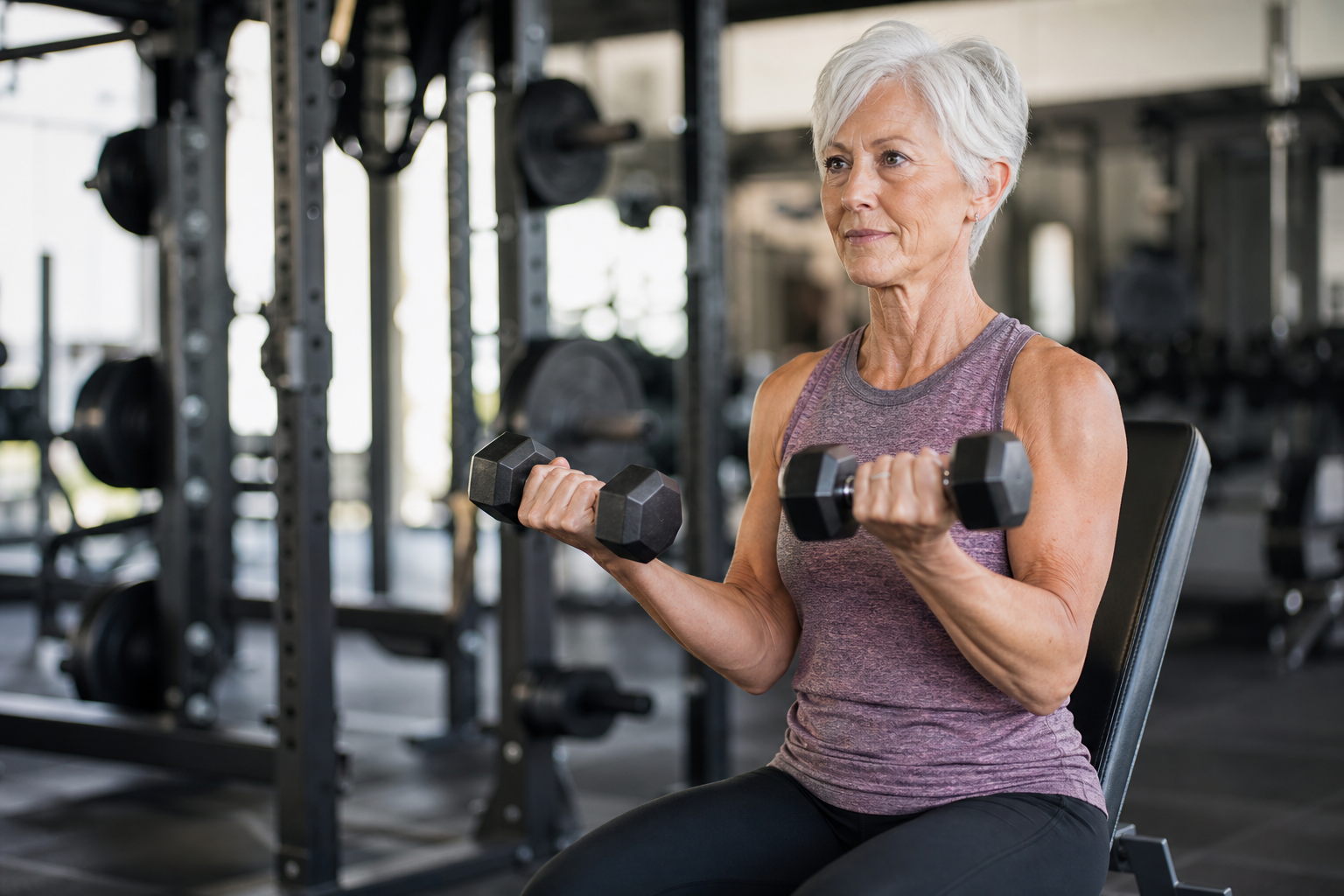
How to Increase Your Weights Safely After 60
Lifting weights after 60 is one of the smartest things you can do for your health. It builds muscle, protects your bones, improves your balance, …
 Andrea Silvey
Lifting weights after 60 is one of the smartest things you can do for your health. It builds muscle, protects your bones, improves your balance, …
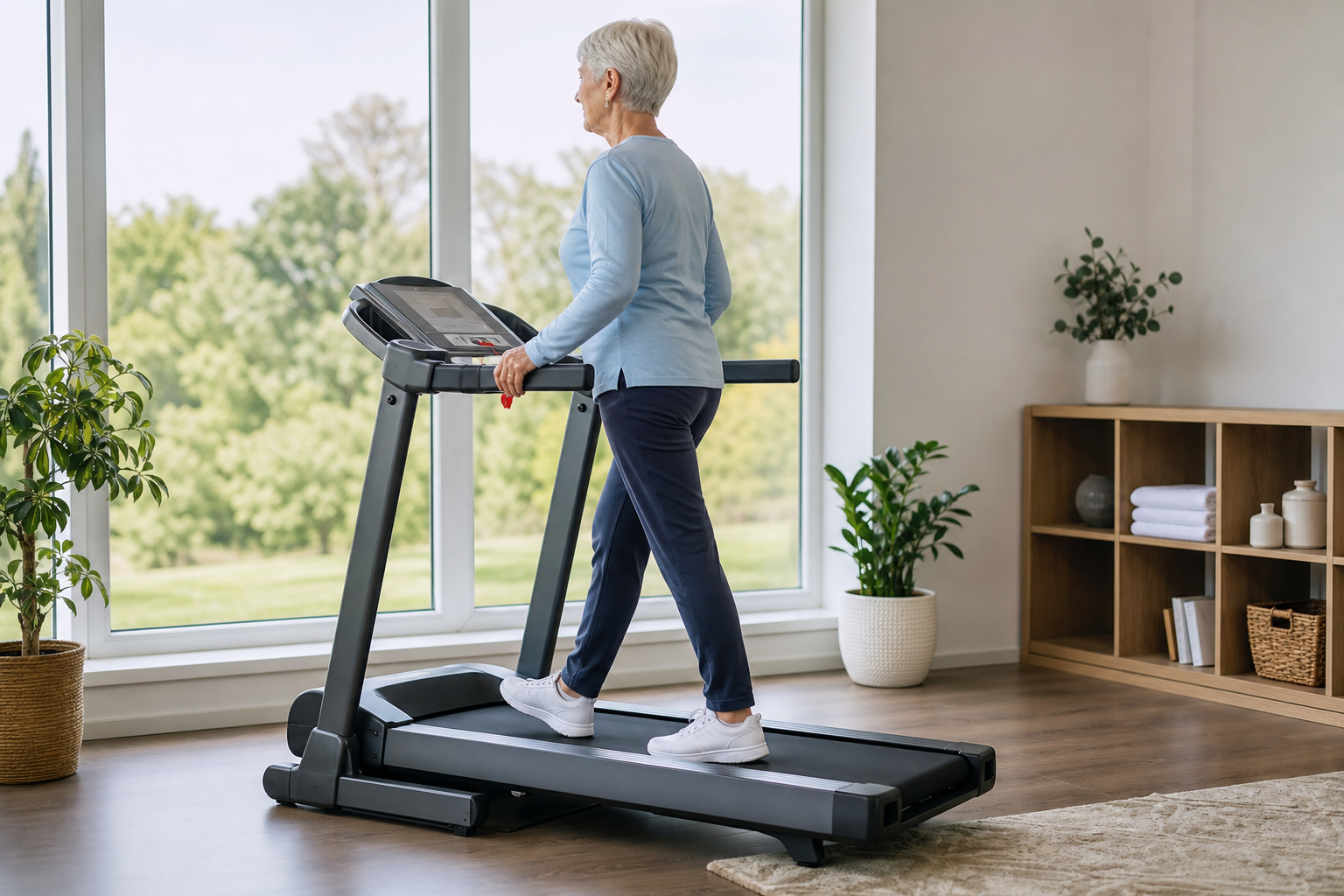
Most treadmill reviews focus on top speed, maximum incline, and training programs designed for runners. Seniors who walk at 1.5-3.0 mph need something different: a …
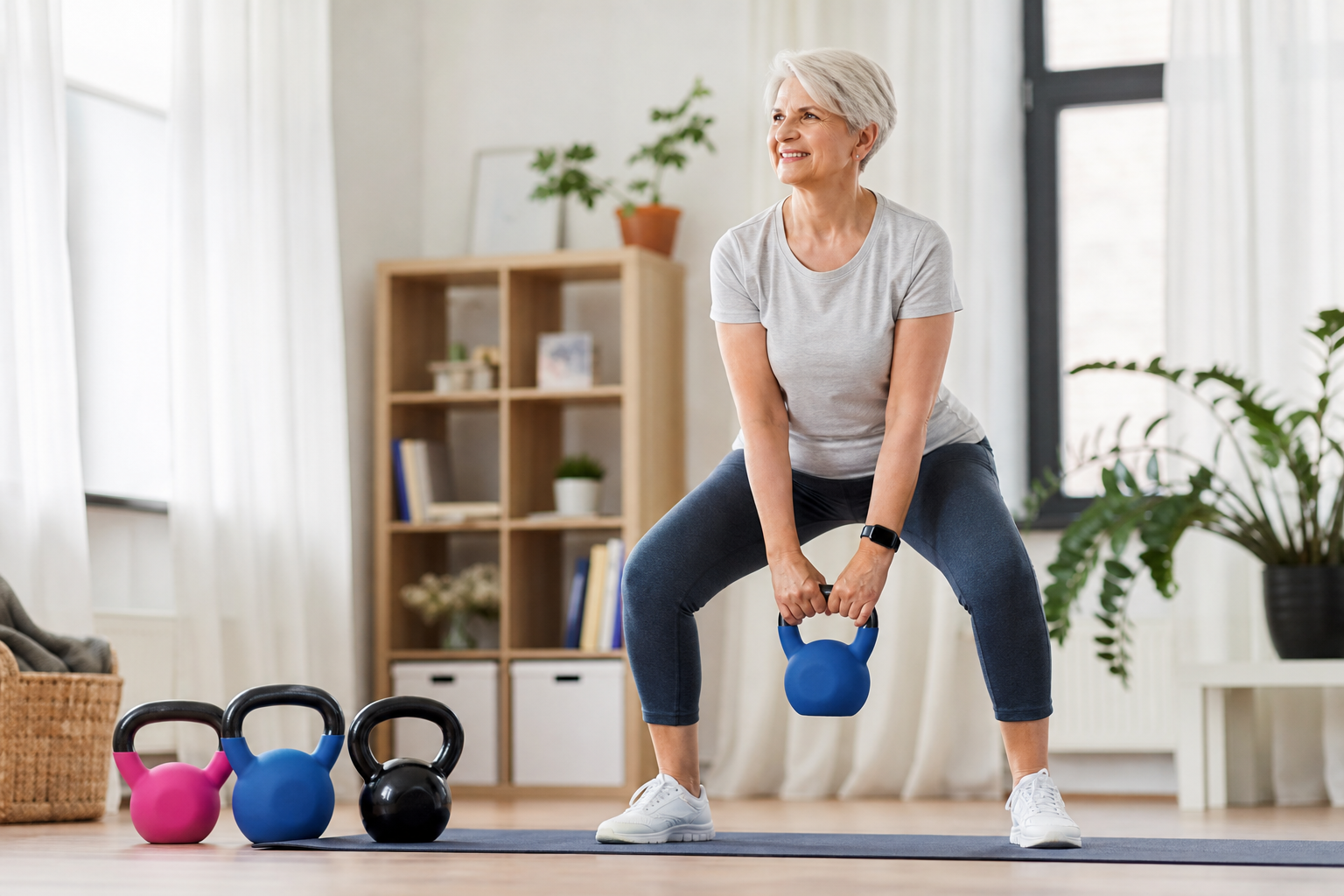
Kettlebells have a reputation for being a tool reserved for CrossFit athletes and twenty-somethings swinging heavy iron around a gym floor. But that reputation is …

The area around a pool or along a beach is one of the most dangerous surfaces for seniors. Wet tile, slick deck surfaces, uneven sand, …
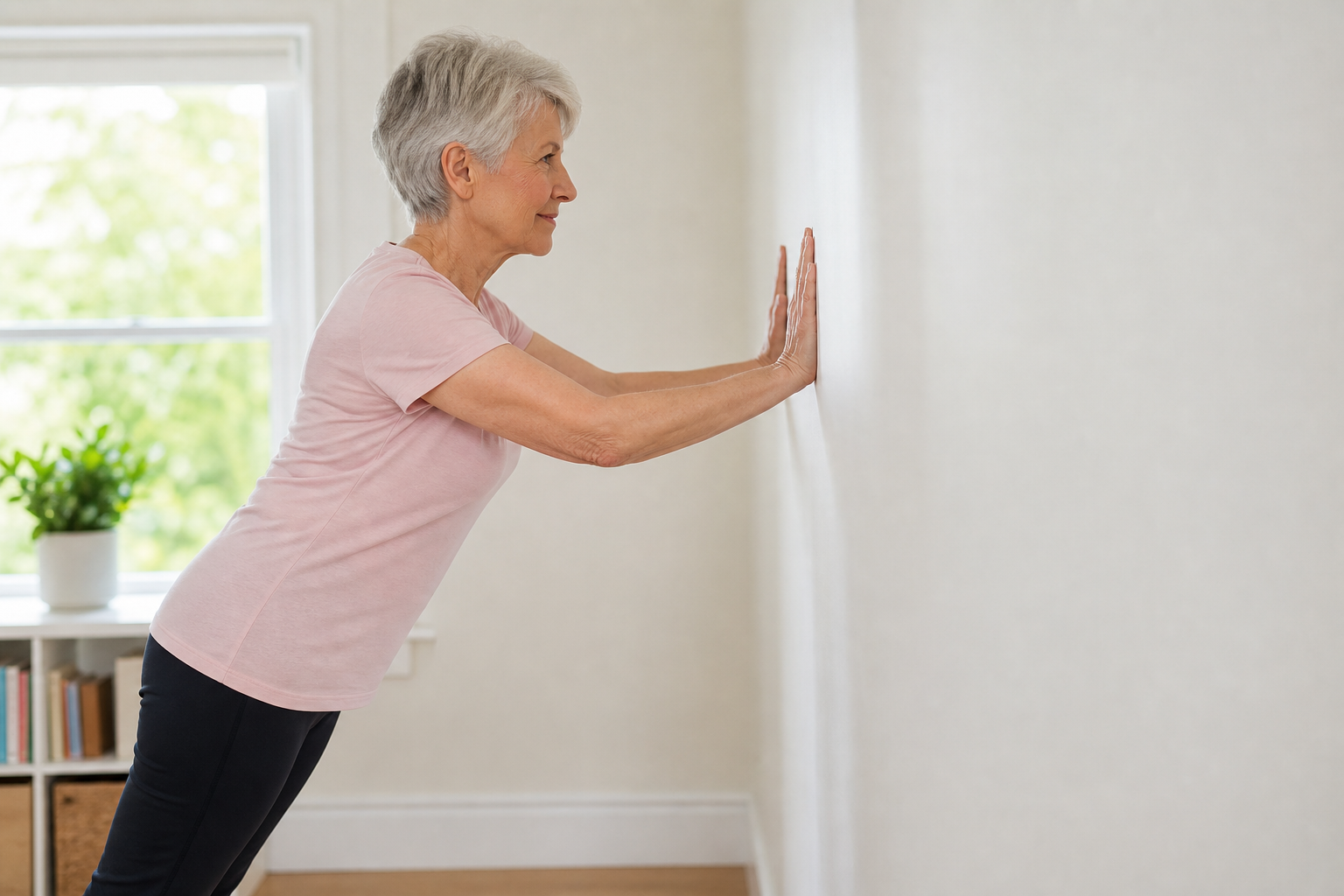
Most upper body exercises for seniors come with a long list of warnings: watch your rotator cuff, protect your wrists, don’t strain your lower back. …

The 5-10 minutes after a walk are the most productive stretching window of your entire day. Your muscles are warm, your blood is flowing, your …

Getting enough protein becomes more important as you age, not less. After 60, your body gradually loses muscle mass, a process called sarcopenia, and research …
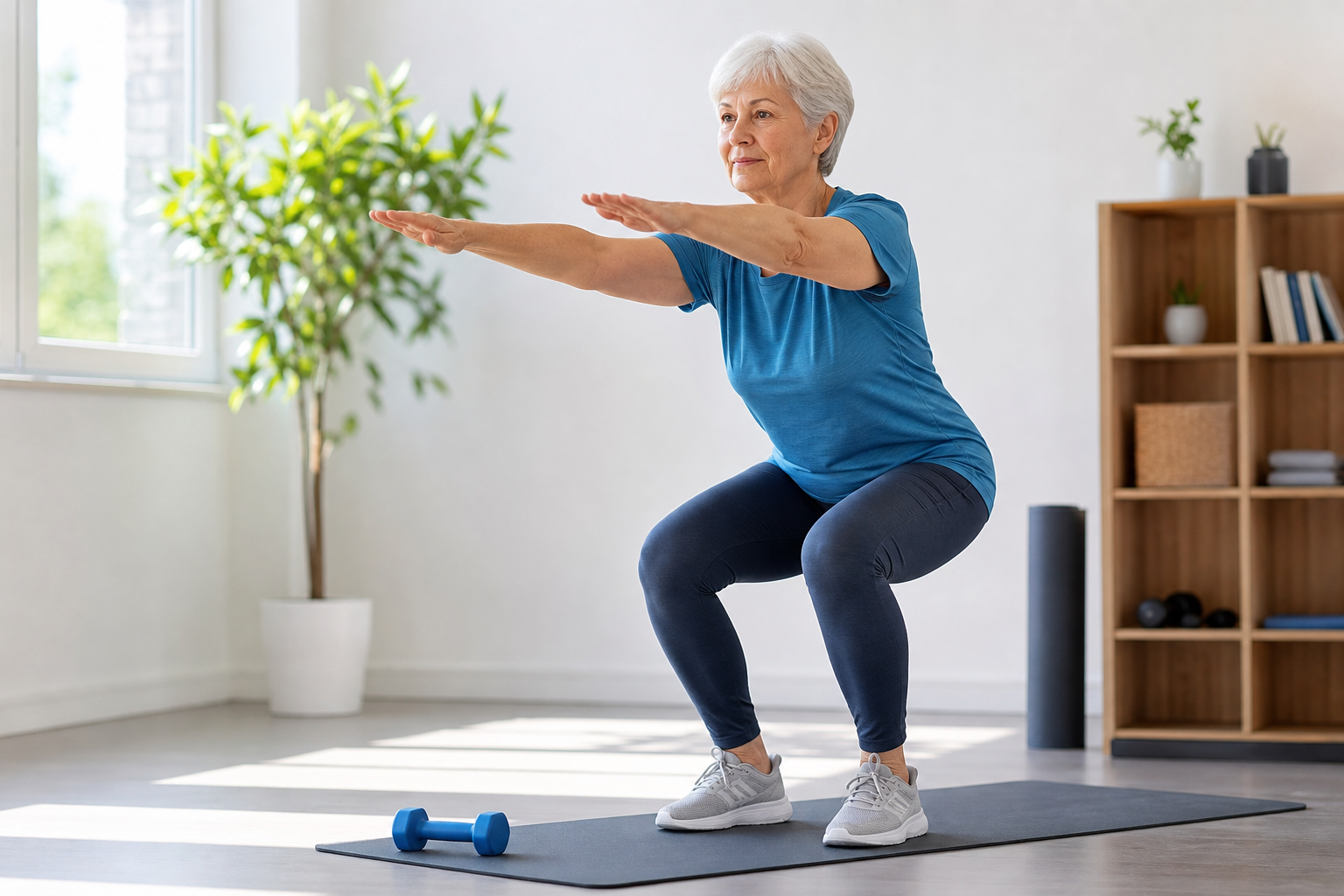
Weak muscles are the strongest modifiable risk factor for falls in seniors. When your ankle can’t generate a quick corrective step, when your hip can’t …
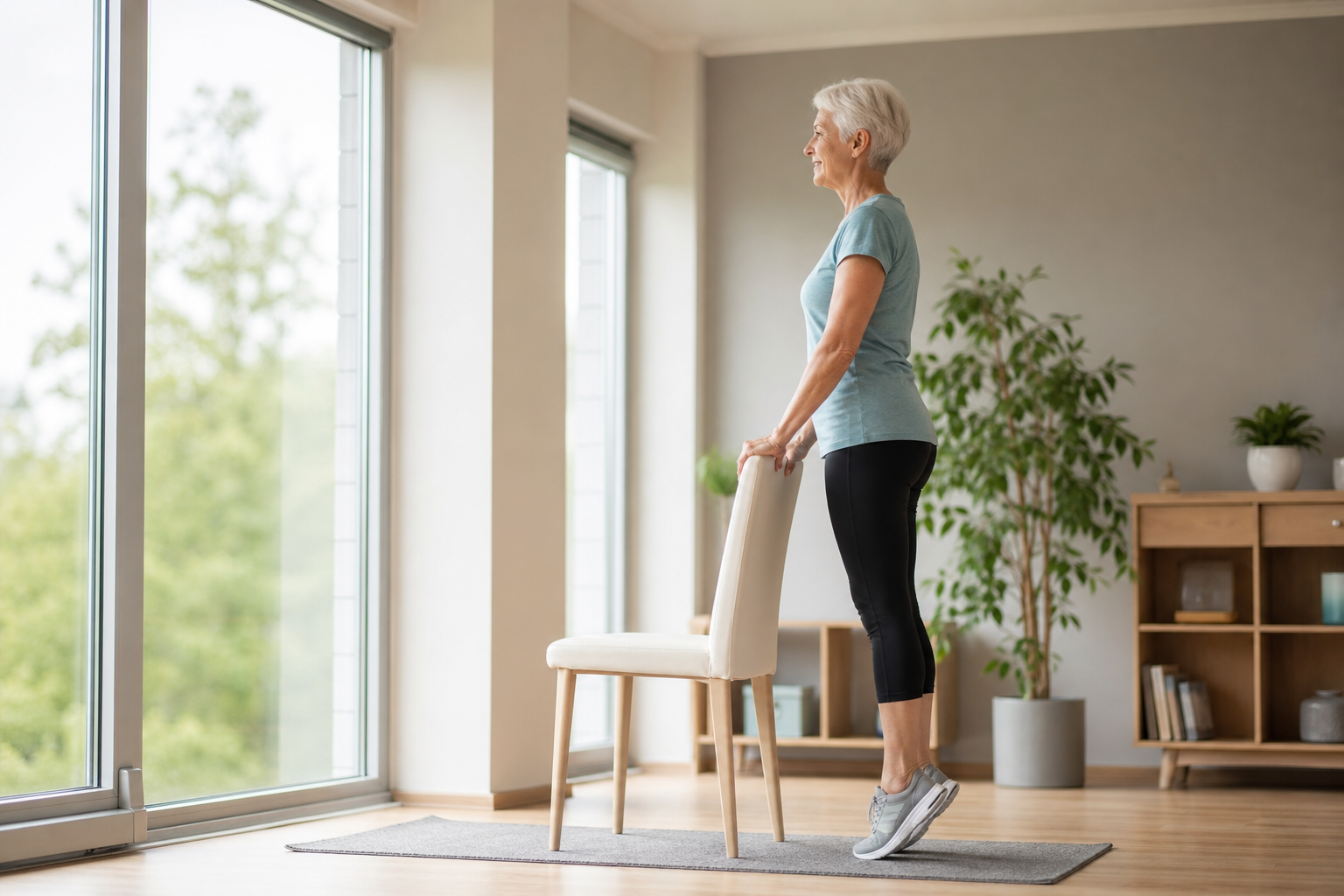
Your calves do a lot of quiet, unglamorous work every day. Every time you stand up, walk across a room, or climb a step, those …
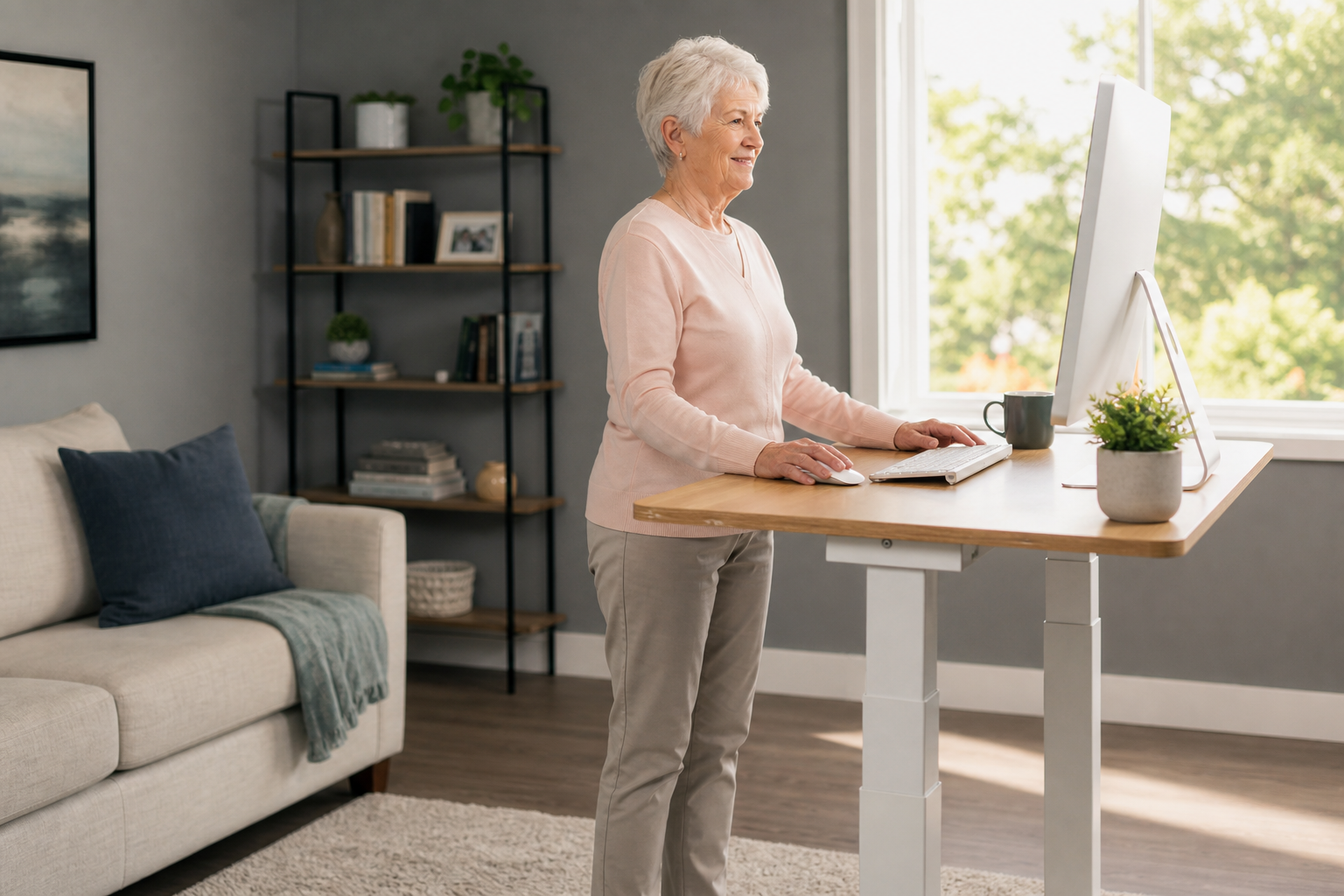
Sitting for 8+ hours a day is one of the biggest health risks for adults over 60, even if you exercise regularly. Research consistently shows …
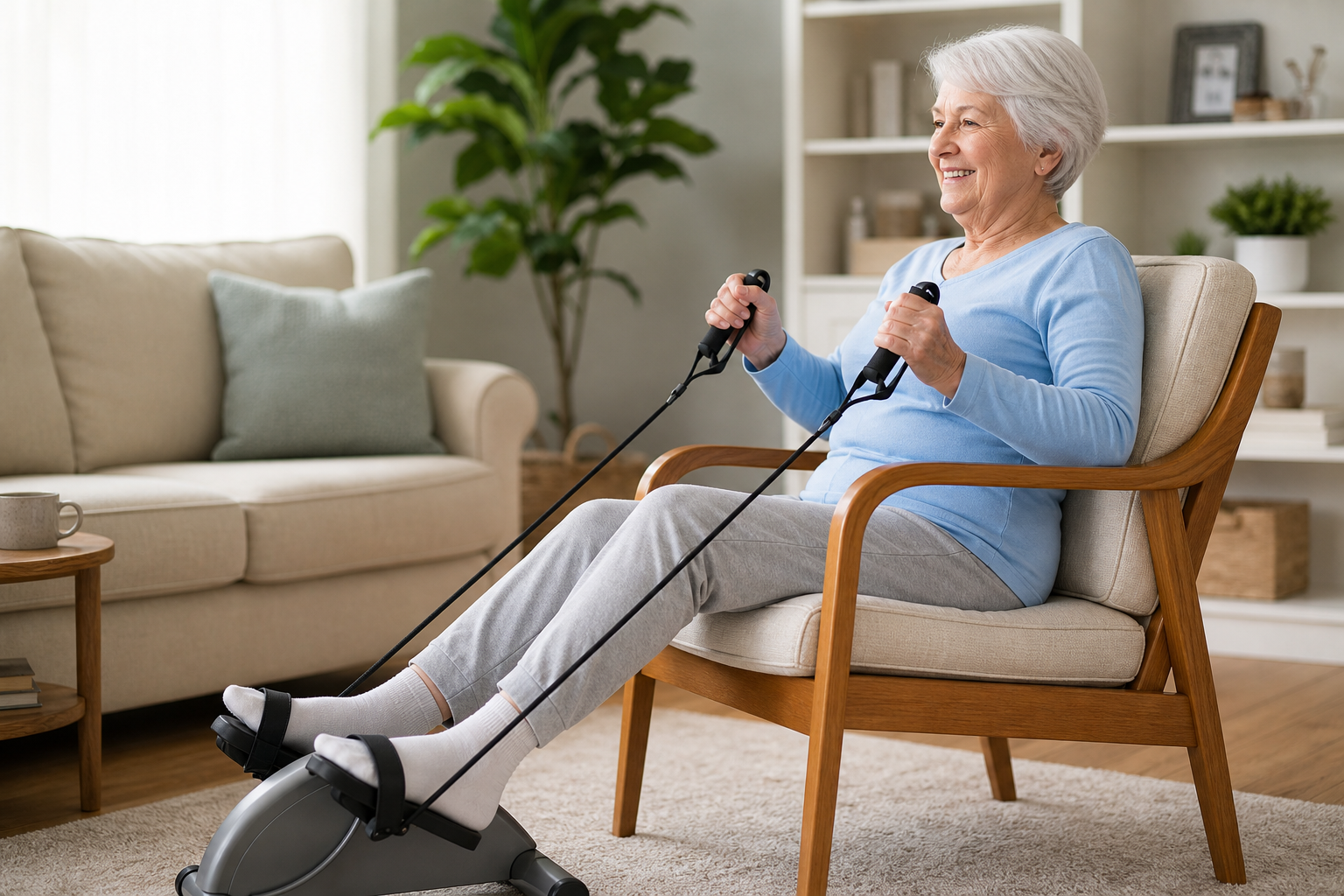
Staying active doesn’t require standing up. If sore knees, balance issues, or recent surgery have kept you off your feet, chair-based cardio can still get …