You’ve got your walking shoes on and your dumbbells ready, and now you’re standing in your living room wondering which one to do first. It seems like a small detail, but the order can actually change how your workout feels and how well you recover from it. The answer isn’t the same for everyone, and it depends more on your goals and how your body responds than any fixed rule.
Walking Before Strength Training: When It Makes Sense

Walking first works well as a warm up because it raises your heart rate gradually and gets blood moving into your muscles and joints before you ask them to lift anything. A slow to moderate pace for five to ten minutes is usually enough to loosen up hips, knees, and ankles without tiring you out.
This order tends to suit people who feel stiff in the morning or who have arthritis that needs some easing into motion. If your joints feel like they need convincing before they cooperate, a short walk beforehand can make your strength session feel smoother and reduce that early awkwardness in your first few exercises.
Keep the effort light here. You’re not trying to get your cardio in during this walk, you’re just waking up your body. Save your energy for the strength portion, especially if you’re working on increasing your weights safely or pushing through a slightly heavier set than usual.
Walking After Strength Training: When It Makes Sense
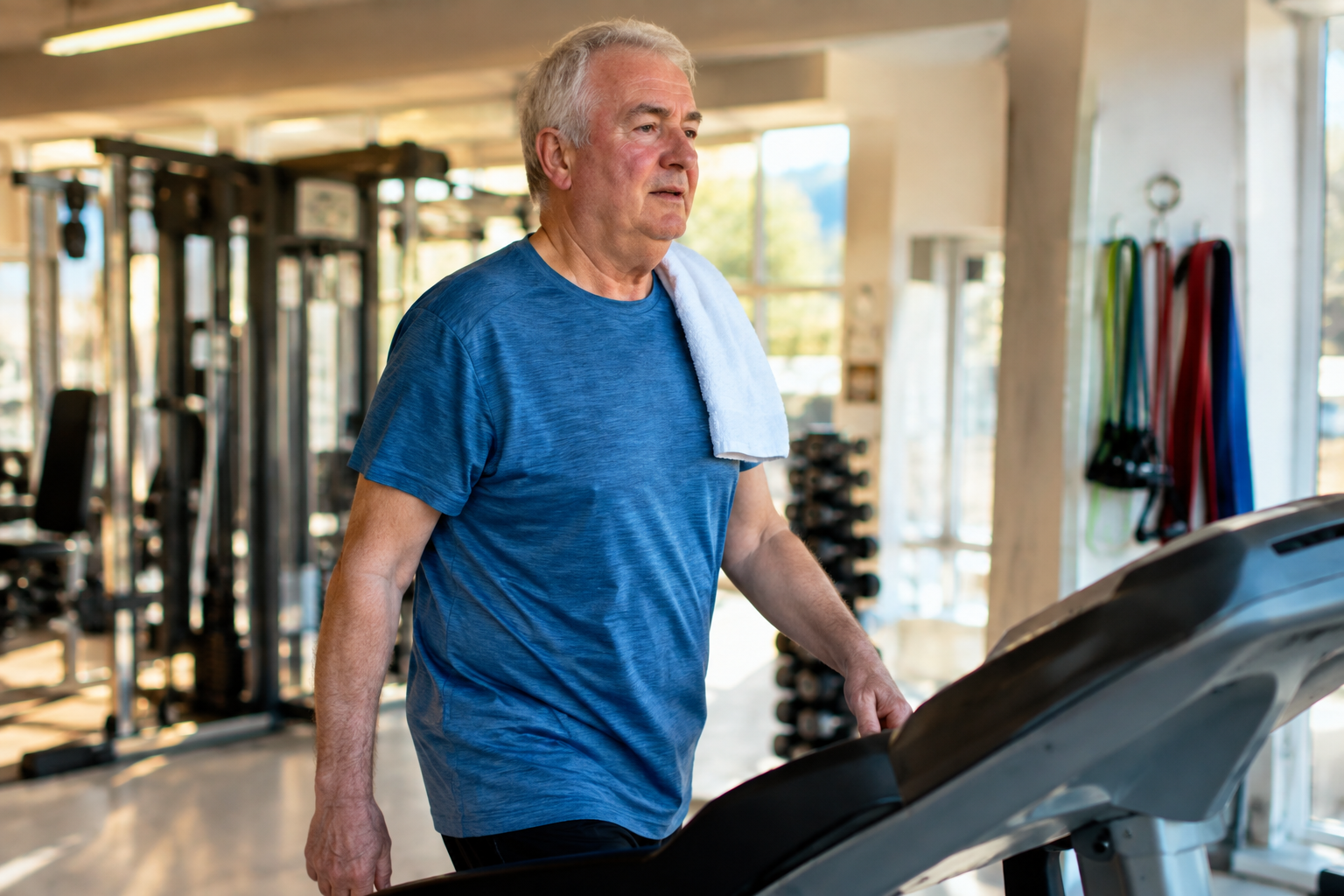
If your main goal is building or maintaining strength, doing that work first, while your energy and focus are freshest, generally gives you better results. Your muscles perform better when they’re not already fatigued from a walk, and your form tends to hold up longer too.
Walking afterward then becomes more like a cooldown or a separate cardio session tacked onto the end. This works particularly well if you’re following set and rep guidance like what’s outlined in how many sets and reps seniors should do for strength training, since you’ll want full effort available for those working sets.
People who use walking as their main form of cardio, rather than just a warm up, often prefer this order. You can walk at a pace and duration that actually challenges your heart and lungs instead of just shaking out your legs.
Let Your Effort and Recovery Guide the Order
There’s no universal step count or distance that applies to every senior, so stop looking for one. What matters more is how the walk feels and how your body responds afterward.
A few practical ways to decide:
- If you feel wiped out after strength training, save your walk for a separate time of day, or keep it very short and slow if you do it right after.
- If your joints ache without a warm up, walk first at an easy, conversational pace for five to ten minutes.
- If you’re building walking endurance, do it before strength work when your legs are fresh, since fatigued muscles from lifting can throw off your gait and increase fall risk.
- If you’re recovering from illness or a long break, treat both walking and strength as separate efforts on different days rather than combining them at all.
Progression matters more than order. If you’re increasing your walking pace or duration, do that gradually over several weeks regardless of when you walk. The same goes for adding weight or reps to your strength routine, as covered in how long a senior strength workout should last. Trying to progress both at once, on the same day, in the same session, is often where people run into trouble.
Your footwear matters here too. A stiff or worn out shoe can make the walking portion of your routine uncomfortable no matter which order you choose, so it’s worth checking out the best walking shoes for seniors with arthritis if your feet are the limiting factor rather than your energy.
Watch for These Warning Signs

Combining walking and strength training in one session puts more demand on your heart than either activity alone, so pay attention to how you feel throughout.
Stop immediately and seek medical attention if you experience:
- Chest pain, pressure, or tightness
- Fainting or feeling like you’re about to pass out
- Severe or sudden shortness of breath that doesn’t ease with rest
These aren’t signs to push through. If any of these happen during a workout, stop what you’re doing, sit or lie down if you can, and call for help if symptoms don’t pass quickly. It’s also worth mentioning any dizziness episodes to your doctor, since that can sometimes be related to balance issues rather than cardiovascular strain. The article on dizziness and balance exercises for seniors has more on how to tell the difference.
Frequently Asked Questions
Can I walk and strength train on the same day every day?
You can, but your muscles still need recovery time even if the walking itself is easy. If you’re doing challenging strength work, check how many rest days seniors need between strength workouts so you’re not stacking fatigue on top of fatigue without a break.
Does it matter if I walk on a treadmill versus outside before or after lifting?
Not really for the order question, though a treadmill lets you control pace more precisely, which can help if you’re trying to keep a warm up genuinely easy instead of accidentally turning it into a workout. If knee comfort is a concern, a cushioned model reviewed in best treadmills for seniors with bad knees can make either order more comfortable.