If you’re someone who walks five miles a day, plays pickleball three times a week, or hits the gym regularly, you already know that listening to your body matters. A pulse oximeter is one of the simplest tools you can add to your routine to check in on how your body is handling the effort. It clips onto your fingertip, takes a reading in seconds, and gives you two key numbers: your blood oxygen saturation (SpO2) and your heart rate.
For active seniors especially, these readings can be genuinely useful, whether you’re monitoring recovery after a hard workout, managing a condition like COPD, or just keeping an eye on your baseline health. This guide breaks down what to look for in a fingertip oximeter, which models are worth your time, and what your numbers actually mean.
What to Look for in a Pulse Oximeter
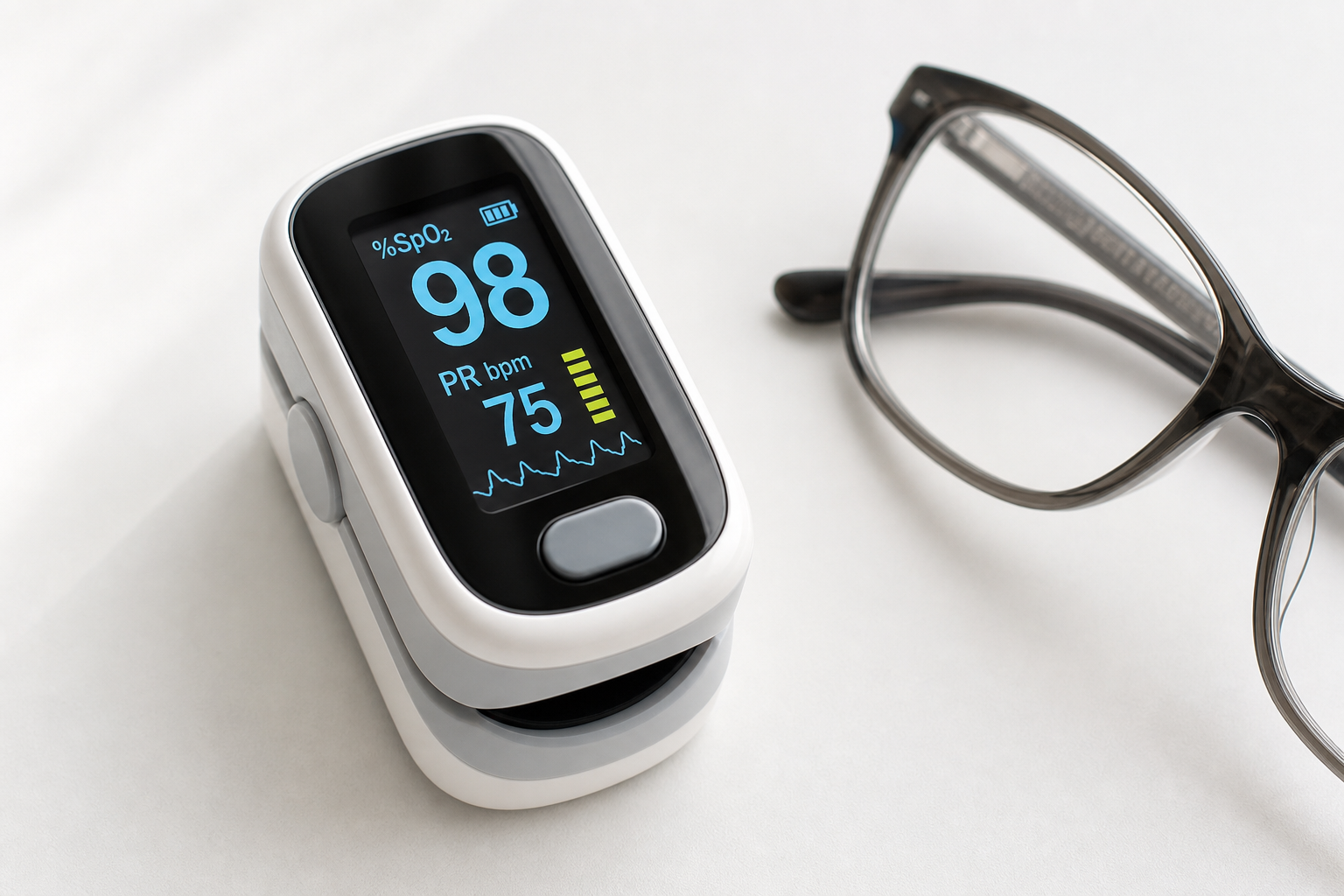
Not all pulse oximeters are created equal, and for seniors, a few features matter more than others.
- Display readability: Look for a large, bright OLED or LED display with numbers at least 0.5 inches tall. Some models rotate the display automatically depending on how you hold the device, which is a nice touch.
- Accuracy: A good oximeter should be accurate within plus or minus 2 percent for SpO2 readings between 70 and 100 percent. Medical-grade devices meet FDA clearance standards, but many consumer models are quite reliable for general monitoring.
- Ease of use: One-button operation is ideal. You shouldn’t have to navigate menus just to get a reading.
- Finger fit: Seniors with thinner or more delicate fingers may find some devices clamp too tightly or give inconsistent readings. Look for adjustable spring tension.
- Battery life: Most run on AAA or AA batteries. Expect 30 to 40 hours of use from a quality device.
Top Fingertip Pulse Oximeters for Active Seniors

The market is crowded, but a handful of models consistently stand out for readability, accuracy, and ease of use.
Innovo Deluxe Fingertip Pulse Oximeter
The Innovo Deluxe is one of the most recommended consumer oximeters for older adults. Its dual-color OLED display is exceptionally easy to read, and it shows SpO2, pulse rate, pulse strength, and a plethysmograph waveform all at once. It also has six display orientations, so you can always get a comfortable viewing angle. Check current pricing on Amazon before buying, as it tends to vary.

Innovo Deluxe Fingertip Pulse Oximeter
Outstanding display readability and multi-orientation screen make this one of the easiest oximeters to use for seniors.
One thing to note: like all consumer pulse oximeters, the Innovo is designed for general wellness monitoring. It’s not a substitute for clinical-grade monitoring if you have a serious heart or lung condition.
Zacurate Pro Series 500DL
The Zacurate 500DL is a popular budget-friendly option that punches above its weight for accuracy. It uses a premium SpO2 algorithm and displays readings clearly on a bright LED screen. It’s also one of the better choices if you have larger fingers, as the clamp opens to accommodate a wider range of fingertip sizes. Many users report consistent readings that match clinical devices within acceptable margins.
If you’re already tracking your workouts with apps, pairing a reliable oximeter with tools like the ones covered in our fitness tracking apps for seniors guide can give you a more complete picture of your cardiovascular health.

Zacurate Pro Series 500DL Pulse Oximeter
Reliable accuracy in an affordable package, with a clamp that fits a wide range of finger sizes.
Masimo MightySat Rx
If you want the closest thing to medical-grade accuracy in a consumer device, the Masimo MightySat is the premium pick. Masimo’s signal extraction technology (SET) is used in hospital pulse oximeters worldwide, and the MightySat brings that same technology to a fingertip device. It pairs with a smartphone app via Bluetooth and tracks trends over time. It’s a mid-to-premium investment, but for someone managing a condition like COPD who exercises regularly, the accuracy edge is worth considering.
Understanding Your Readings
Getting a number on the screen is only useful if you know what it means.
SpO2 (Blood Oxygen Saturation)
This number tells you what percentage of your red blood cells are carrying oxygen. For most healthy adults, a normal resting SpO2 is between 95 and 100 percent. A reading below 95 percent at rest may warrant a call to your doctor. During intense exercise, it’s normal to see a slight dip, but readings shouldn’t drop below 90 percent even during hard effort.
Pulse Rate
Your oximeter also shows your heart rate in beats per minute. This is useful for tracking how hard you’re working during exercise and how quickly your heart recovers afterward. If you’re taking blood pressure medications that affect heart rate, keep in mind that your numbers may look different from standard ranges.
When to Be Concerned
A single reading doesn’t tell the whole story. Cold fingers, nail polish, poor circulation, and movement can all affect accuracy. Always take two or three readings while sitting still and relaxed. If you consistently see SpO2 readings below 94 percent or feel unusually short of breath during activities that didn’t used to wind you, talk to your doctor.
Tips for Getting Accurate Readings
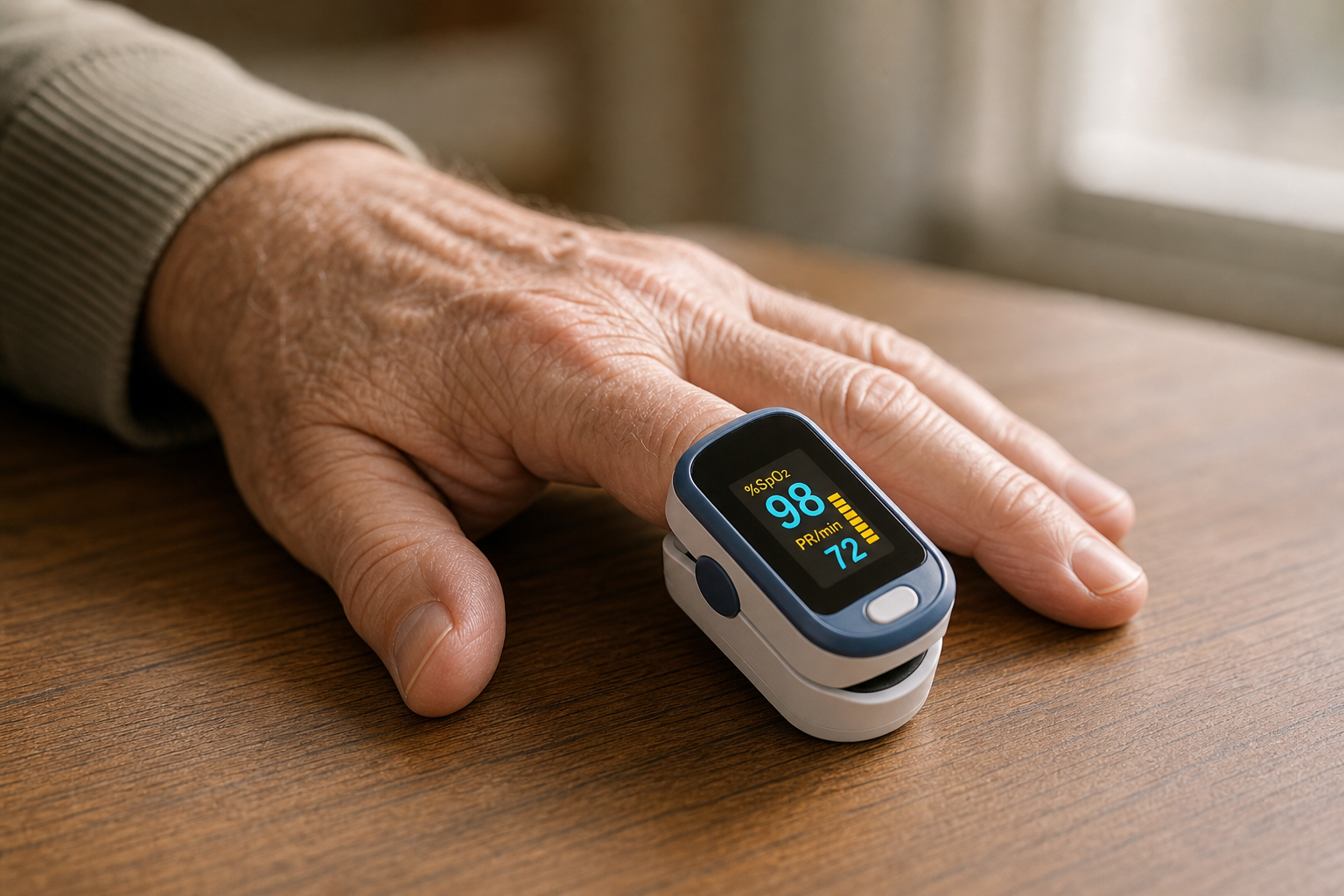
- Warm up cold hands before testing. Cold fingers reduce circulation and throw off the sensor.
- Remove nail polish from the finger you’re testing. Dark or gel polish in particular interferes with the light sensor.
- Sit still for at least a minute before taking a reading.
- Use your index or middle finger for the most reliable results.
- Don’t take readings immediately after intense exercise. Wait five minutes to get a meaningful baseline.
Good oxygen levels are only part of the recovery picture. Pairing your monitoring with smart post-workout recovery meals helps your body actually use that oxygenated blood to repair muscle and replenish energy stores.
Frequently Asked Questions
Can I use a pulse oximeter to manage my COPD or heart condition?
A consumer pulse oximeter can help you track trends and notice changes over time, but it is not a diagnostic device and should never replace medical monitoring prescribed by your doctor. If you have a chronic condition, discuss with your physician whether home SpO2 monitoring makes sense for your care plan and what numbers should prompt you to seek medical attention.
How accurate are consumer-grade pulse oximeters compared to hospital equipment?
Quality consumer oximeters like the Innovo Deluxe and Zacurate 500DL are generally accurate within plus or minus 2 to 3 percentage points under normal conditions. Hospital-grade devices and those using Masimo SET technology tend to perform better in difficult conditions, such as low perfusion or motion. For general wellness tracking in healthy, active individuals, consumer-grade devices are usually sufficient.
Does skin tone affect pulse oximeter accuracy?
Yes, and this has received significant attention in recent years. Research published in medical journals has found that pulse oximeters can overestimate SpO2 in people with darker skin tones. The FDA has acknowledged this issue and is working on updated guidance. If you have darker skin, it’s worth being aware that your readings could appear slightly higher than your actual oxygen levels. This makes it even more important to report any symptoms, like shortness of breath, to your doctor rather than relying solely on the number the device displays.
Final Thoughts
A fingertip pulse oximeter is an affordable, practical tool for any active senior who wants to keep closer tabs on their health. The Innovo Deluxe is the top pick for most people thanks to its outstanding display and reliable readings. The Zacurate 500DL is a solid budget-friendly choice, and the Masimo MightySat earns its premium status for those who need the highest accuracy available in a consumer device.
Just remember that your oximeter is a supplement to, not a replacement for, regular medical checkups. Use it to stay informed, notice trends, and have better conversations with your healthcare provider. Think of it as one more tool in your overall fitness toolkit, alongside your exercise routine, your nutrition habits, and your regular wellness visits.
This article contains affiliate links. We may earn a small commission at no extra cost to you.