Cold feet are one of those complaints that almost everyone brushes off. You grab thicker socks, maybe complain about the thermostat, and move on. But persistent cold feet, especially ones that stay cold even in a warm room, can be your body’s way of signaling that circulation isn’t doing its job as well as it should. Before you go chasing miracle cures you’ve probably seen advertised online, let’s work through what’s actually happening and what you can realistically do about it.
This isn’t about opening your circulation by some magical percentage. It’s about understanding what slows blood flow to your feet as you age, which movements genuinely help, and when cold feet stop being a nuisance and start being a warning sign worth taking seriously.
Why Circulation Slows Down in Your Feet
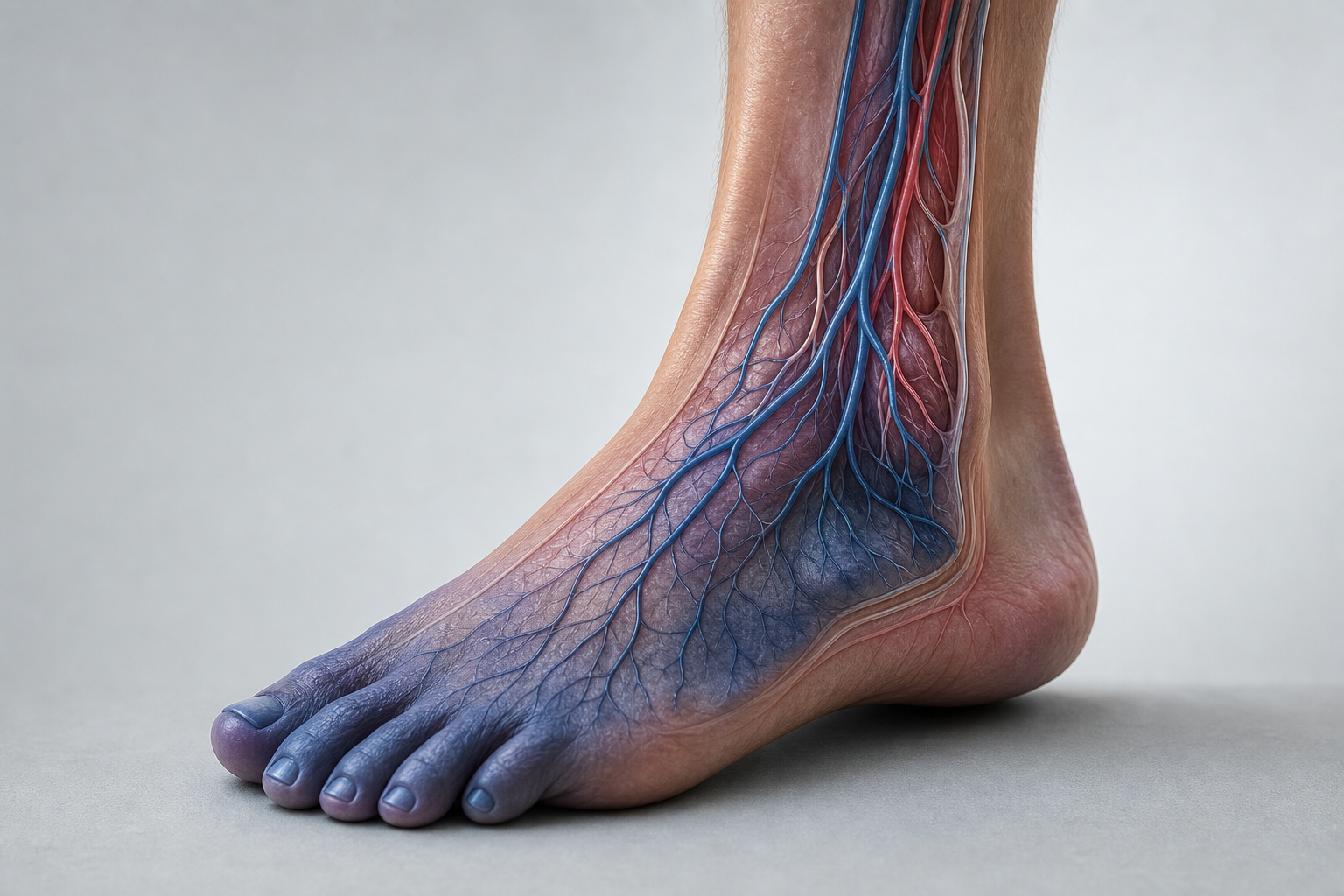
Your feet are the farthest point from your heart. Blood has to travel the entire length of your body to get there and make the return trip. As you age, a few things work against that process.
Arterial walls lose some of their elasticity. The small blood vessels in your feet, called capillaries, can narrow. Reduced physical activity means your calf muscles, which act as a secondary pump pushing blood back toward the heart, aren’t contracting as often as they should. Sitting for long stretches makes all of this worse.
Certain conditions also directly affect foot circulation: peripheral artery disease (PAD), diabetes, Raynaud’s phenomenon, and hypothyroidism are among the most common culprits. Some blood pressure medications can cause cold extremities as a side effect, which is worth discussing with your doctor if you’re on any. If you want to understand how your medications might be interacting with your circulation and activity levels, this article on blood pressure medication and exercise precautions covers that territory well.
Exercises That Actually Improve Circulation in Your Feet
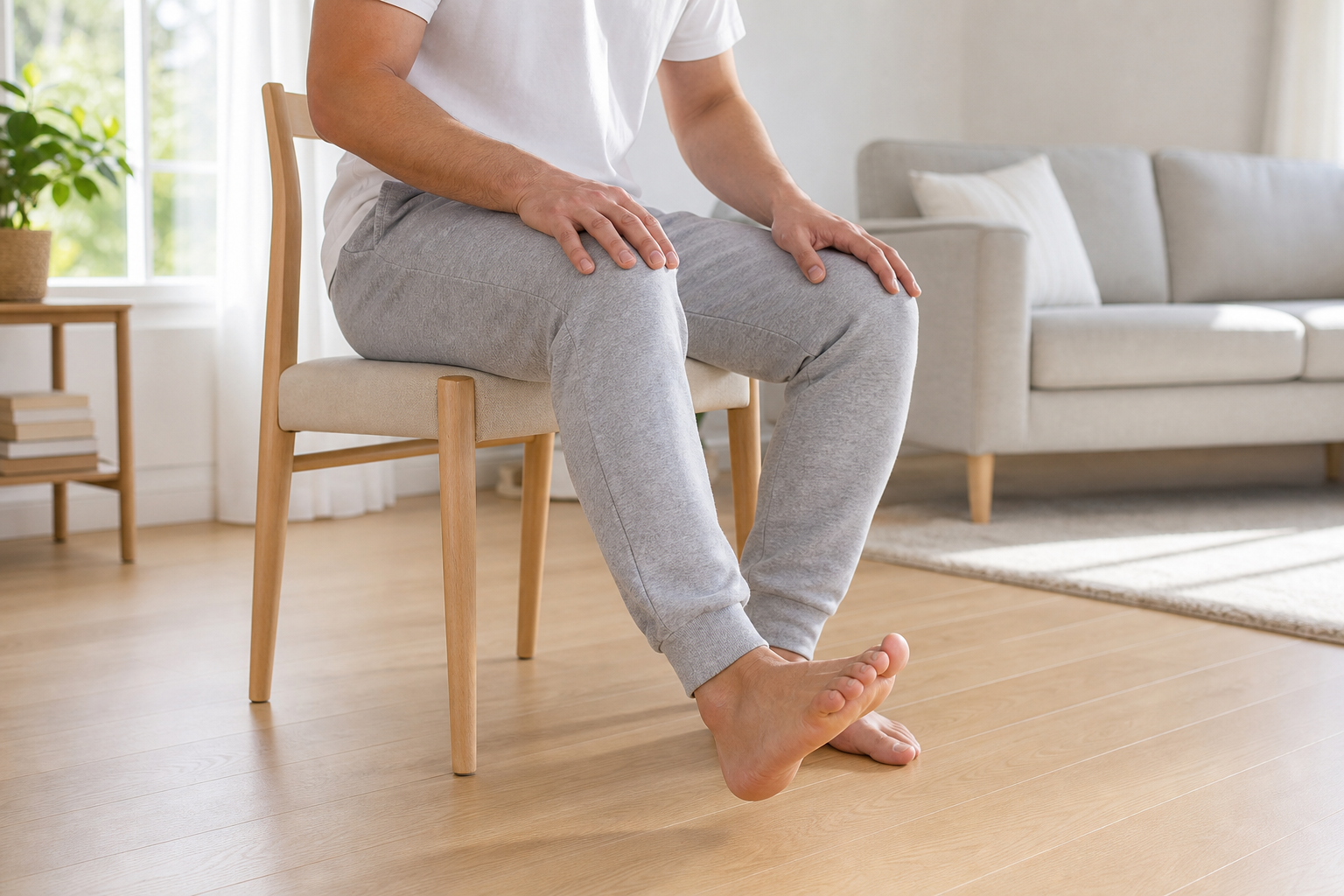
The good news is that movement is genuinely one of the most effective tools you have. You don’t need special equipment or a gym membership. Most of these can be done from a chair or while standing at a counter.
Ankle Pumps and Circles
Ankle pumps are about as simple as it gets. Sitting in a chair, flex your foot up toward your shin, then point it away from you. Repeat 20 times on each foot. This contracts your calf muscles and pushes blood back toward your heart.
Follow that with ankle circles, rotating each foot in a full circle, 10 times in each direction. These two movements together are worth doing several times throughout the day, especially if you’ve been sitting for a while.
Calf Raises
Standing calf raises are one of the most effective circulation exercises for your lower legs. Stand behind a chair, hold the back for balance, and rise up onto your toes, then lower slowly. Aim for 3 sets of 15. If standing balance is a concern, the seated version still provides a solid benefit.
For seniors dealing with balance issues alongside circulation problems, the exercises in this guide on vertigo and balance exercises pair well with this type of movement practice.
Walking
Walking is the single best thing most people can do for lower limb circulation. Even 10 to 15 minutes after meals can make a noticeable difference over time. The rhythmic contraction of your leg muscles during walking is essentially a mechanical pump working in your favor.
If weather keeps you indoors, an exercise bike is an excellent alternative. Pedaling keeps the calf pump active without putting stress on your joints. You can find a breakdown of low-impact cardio options in this exercise bike vs. elliptical comparison if you’re weighing your options.
Toe Spreads and Marble Pickups
These small movements improve circulation in the foot itself rather than just the lower leg. Sit barefoot and try to spread your toes as wide as possible, hold for 5 seconds, then relax. Do 10 reps per foot.
The marble pickup exercise involves placing marbles or small objects on the floor and picking them up with your toes. It sounds a little silly, but it activates the intrinsic foot muscles and gets blood moving in areas that rarely get worked.
Tools That Can Support Circulation Between Exercise Sessions
Exercise is the foundation, but a few tools can help keep things moving on days when you’re less active or when your feet need extra attention.
Compression socks work by applying graduated pressure to your lower legs, helping veins push blood upward against gravity. They’re especially useful if you spend long hours seated. Our full guide to the best compression socks for active seniors walks you through what to look for and what to avoid.

Foot Massager for Circulation
An electric foot massager can stimulate blood flow and relieve tension in the feet and calves, making it a useful recovery tool on rest days.
Foot massagers, particularly the kind that knead the arch and stimulate the calf, can be a practical addition to your evening routine. They’re not a substitute for movement, but they do encourage blood flow and help with the kind of foot tension that builds up from sitting or standing all day.
Warm footbaths are another underrated option. Soaking your feet in warm (not hot) water for 15 minutes causes the blood vessels near the surface to dilate, which temporarily increases circulation. Adding Epsom salts is popular and unlikely to cause harm, though the main benefit comes from the warmth itself.

Compression Socks for Men Women
Graduated compression socks support venous return and can make a noticeable difference if you spend long periods sitting or standing.
On the nutrition side, omega-3 fatty acids support vascular health and reduce the kind of low-grade inflammation that can affect circulation over time. If you’re curious about how omega-3s fit into an overall joint and cardiovascular health plan, this piece on omega-3 supplements for senior joint health is worth reading.
Red Flags: When Cold Feet Warrant a Doctor Visit
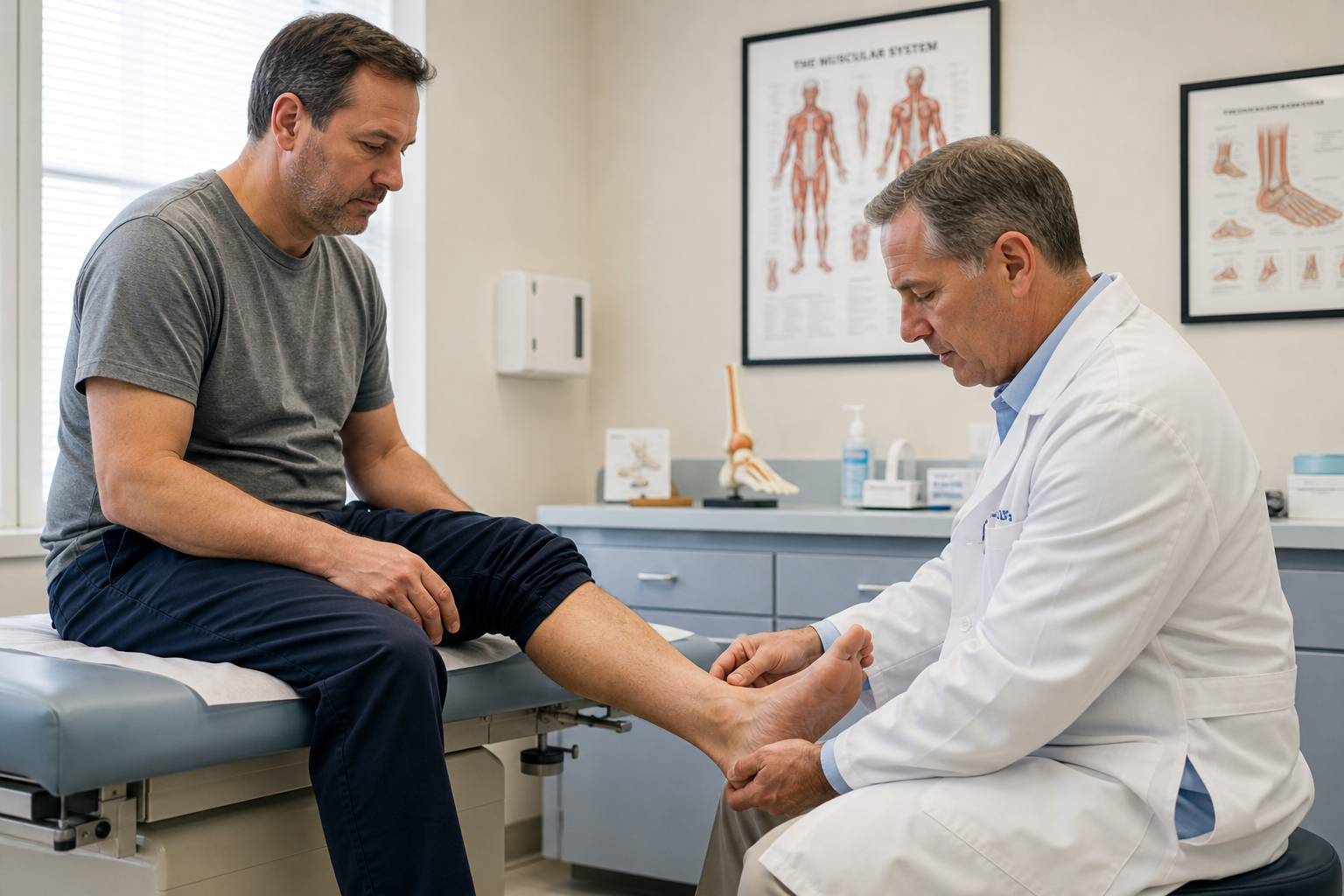
Most cold feet are benign and respond well to more movement and better habits. But certain symptoms alongside cold feet should prompt you to make an appointment rather than wait.
- Leg pain while walking that goes away with rest. This is a classic symptom of peripheral artery disease and should be evaluated.
- Color changes in your feet. If your feet turn pale, bluish, or unusually red when exposed to cold or stress, that may indicate Raynaud’s or a vascular condition.
- Numbness, tingling, or burning sensations. These point toward nerve involvement, either peripheral neuropathy or something compressing a nerve. For context on what nerve-safe movement looks like, see this guide on neuropathy-safe exercises for seniors.
- Wounds or sores that won’t heal. Poor arterial circulation means poor wound healing. This is particularly serious for people with diabetes.
- One foot noticeably colder than the other. Symmetrical cold feet are usually a circulation or temperature regulation issue. Asymmetrical coldness can indicate a blockage in one artery.
If you’re experiencing any of these alongside persistently cold feet, don’t chalk it up to aging and carry on. A simple ankle-brachial index test at your doctor’s office can check for PAD in about 15 minutes.
Frequently Asked Questions
Can cold feet at night mean something serious?
Often, cold feet at night just mean your circulation is sluggish after a day of sitting and your body is directing blood to your core as room temperatures drop. However, if the coldness is accompanied by leg cramps, numbness, or discoloration, it’s worth raising with your doctor. Consistent nighttime cold feet in someone with diabetes or a history of heart disease deserve attention sooner rather than later.
How long does it take to see improvement from circulation exercises?
Many people notice some warmth in their feet within minutes of doing ankle pumps or calf raises. That’s the immediate effect of muscle contractions moving blood. Lasting improvement in baseline circulation typically takes several weeks of consistent daily movement. Think of it like any other training adaptation: the benefit accumulates over time.
Do heating pads help with poor circulation in feet?
Heating pads can temporarily dilate surface blood vessels and make your feet feel warmer, but they don’t address the underlying circulation issue. More importantly, people with diabetic neuropathy or reduced sensation in their feet should avoid heating pads because they can cause burns without you feeling the warning signs. Warm footbaths with close temperature monitoring are safer if heat is what you’re after.
Putting It Together
Persistent cold feet are worth paying attention to, but they’re also highly responsive to consistent, unglamorous effort. Daily ankle pumps, regular walking, and attention to how long you sit are the real levers here. Supportive tools like compression socks and foot massagers can help fill in the gaps, but they work best alongside movement, not instead of it.
If your symptoms include any of the red flags listed above, please get them checked. Most of the time you’ll get reassurance and a clear plan. Either way, you’ll know where you stand, which is always better than guessing.
This article contains affiliate links. We may earn a small commission at no extra cost to you.