Foam rolling isn’t just for athletes and gym enthusiasts. As we age, muscle tension, stiffness, and limited mobility become more common concerns. A quality foam roller can help you maintain flexibility, reduce soreness, and feel more comfortable in your daily activities without the need for expensive massage therapy sessions.
But here’s what most guides won’t tell you: the standard firm foam rollers marketed to younger fitness crowds can be way too intense for senior bodies. You need different density levels, gentler textures, and often smaller sizes that won’t intimidate or overwhelm. Let’s look at what actually works for older adults and how to choose the right roller for your needs.
Understanding Foam Roller Density and Firmness
Foam rollers come in three main density levels: soft, medium, and firm. For most seniors, especially those new to foam rolling, a soft to medium density roller is the best starting point. These provide enough pressure to release muscle tension without causing bruising or excessive discomfort.
Soft foam rollers (usually white or light blue) compress easily under body weight. They’re perfect if you have sensitive skin, are recovering from an injury, or simply want a gentler massage experience. The low-density foam rollers work particularly well for beginners who might feel intimidated by firmer options.

LuxFit Soft Density Foam Roller
An excellent entry-level option that’s gentle enough for sensitive muscles but still effective for tension relief.
Medium-density rollers (typically blue or green) offer a middle ground. They provide more targeted pressure than soft rollers but won’t feel punishing. Many physical therapists recommend medium density for seniors who’ve been foam rolling for a few months and want to progress their self-care routine.
Firm rollers (black) are generally too intense for most seniors. Save these for later if you build up tolerance over time, or skip them entirely. There’s no prize for suffering through unnecessary discomfort.
Size and Shape Considerations
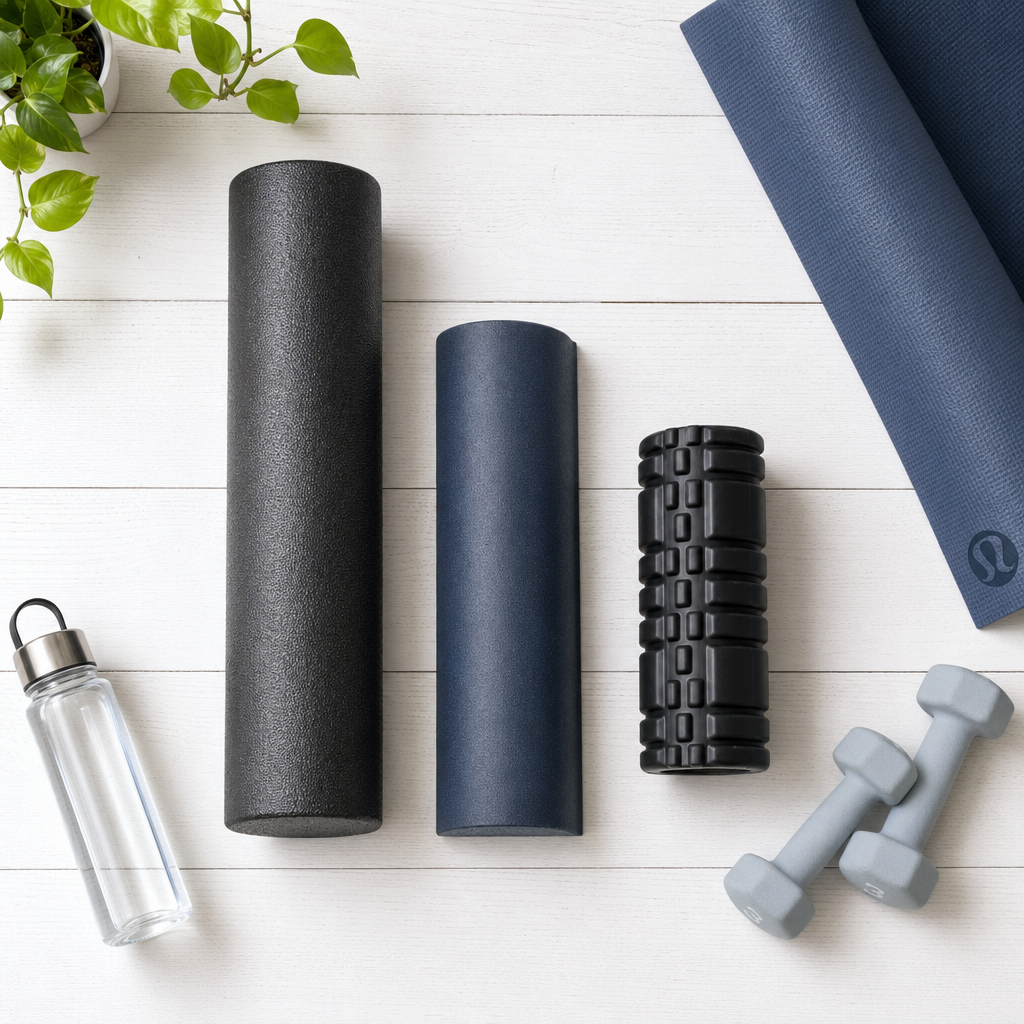
Standard foam rollers measure 36 inches long and 6 inches in diameter. While these work fine, shorter 18-inch rollers offer better control and are easier to store. The smaller size makes them less intimidating and more manageable for targeting specific muscle groups.
The diameter matters too. A 6-inch diameter is standard, but some seniors prefer a 4-inch diameter roller for more targeted work on smaller muscle groups like calves and forearms. The compact 18-inch rollers fit nicely in tight spaces and won’t take over your living room. If you’re looking for other affordable fitness tools to complement your foam roller, consider exploring budget-friendly home exercise equipment that won’t break the bank.
Half-round or semi-circle rollers provide extra stability since the flat side sits on the floor. These reduce the risk of rolling off and are excellent for balance-conscious seniors. You can use them for back rolling while lying down or for foot massage while seated in a chair.
Top Foam Roller Picks for Seniors
After testing multiple options, a few standouts emerge for senior-specific needs. The TriggerPoint GRID foam roller comes in different densities and features a unique textured surface that mimics massage therapist hands. The hollow core design makes it lighter to move around than solid foam options.

TriggerPoint GRID Foam Roller
Features a patented multi-density surface that’s firm enough to be effective but includes softer zones for sensitive areas.
For absolute beginners, the OPTP PRO-ROLLER Soft Density model offers the gentlest introduction to foam rolling. It’s specifically designed for sensitive individuals and provides effective myofascial release without the intensity of firmer rollers.
The AmazonBasics Foam Roller is a budget-conscious choice that doesn’t sacrifice quality. It comes in multiple density options and lengths, making it easy to find the right fit. While it lacks fancy textures, the smooth surface is perfectly adequate for most rolling needs.
For those wanting extra support features, the foam rollers with side handles provide additional grip and control during exercises. This design helps you maintain proper position without straining your arms or shoulders.
Beginner Techniques for Safe Rolling

Start slowly and listen to your body. Your first few sessions should last just 5-10 minutes maximum. Roll each muscle group for 30-60 seconds, moving slowly back and forth over the targeted area. For detailed instructions on proper form and additional techniques, review our comprehensive guide to gentle foam rolling techniques.
Never roll directly over joints, bones, or the lower back. Focus on muscle tissue only. Good areas for seniors to target include the calves, thighs, upper back, and hips. These tend to carry the most tension from daily activities.
Breathing matters more than you’d think. Exhale as you roll over tender spots. Holding your breath creates unnecessary tension and defeats the purpose of the exercise. Keep movements slow and controlled rather than rapid back-and-forth motions.
You can start seated in a sturdy chair for foot rolling or use a wall for upper back work if getting down on the floor feels challenging. There’s no rule that says foam rolling must happen on the ground. Adapt the tools to your current mobility level. Consider pairing your foam rolling routine with an exercise mat for extra cushioning to make floor exercises more comfortable.
Frequently Asked Questions
How often should seniors use a foam roller?
Most seniors benefit from foam rolling 2-3 times per week. Daily use is fine for gentle rolling, but take rest days if you experience soreness. Your muscles need recovery time, especially when you’re first starting. Morning sessions can help reduce stiffness, while evening rolling may improve sleep quality by releasing accumulated tension from the day. Regular foam rolling works especially well when combined with progressive flexibility exercises designed for tight muscles.
Can foam rolling help with arthritis pain?
Foam rolling can reduce muscle tension around arthritic joints, which often provides indirect pain relief. However, never roll directly over inflamed or swollen joints. Focus on the surrounding muscles instead. Always consult your doctor before starting any new exercise routine if you have arthritis or other chronic conditions. Many physical therapists incorporate foam rolling into arthritis management plans, but it should complement, not replace, medical treatment. For more comprehensive guidance, check out arthritis-friendly exercises that work well alongside foam rolling. Gentle stretching practices like yoga for limited flexibility can also complement your foam rolling routine.
This article contains affiliate links. We may earn a small commission at no extra cost to you.
Related Articles
- Foam Roller Guide for Seniors: Gentle Techniques for Muscle Recovery
- Flexibility Progression For Tight Seniors
- Yoga for Seniors with Limited Flexibility: A Complete Guide
- Best Home Exercise Equipment for Seniors in 2026 Under $100