Living with peripheral neuropathy doesn’t mean giving up on exercise. It just means you need to be smarter about how you move. When you can’t fully trust the signals from your feet and legs, the right exercises can actually improve circulation and potentially slow nerve damage while keeping you active and independent.
The biggest concern isn’t the neuropathy itself, but the fall risk that comes with reduced sensation. You might not feel a stone under your foot or notice when you’re losing your balance until it’s too late. But with the right modifications and precautions, you can stay active safely and even improve some of your symptoms.
Start With Seated Exercises
Seated exercises eliminate most fall risks while still providing significant benefits. You can work on strength, flexibility, and circulation without worrying about balance challenges. A sturdy chair with armrests gives you stability and confidence to move freely.
Seated marching is one of the best starting points. Lift each knee alternately while sitting upright, keeping your core engaged. You’ll improve hip flexibility and get your blood moving without any balance concerns. Start with 10 lifts per leg and gradually increase as you build stamina.
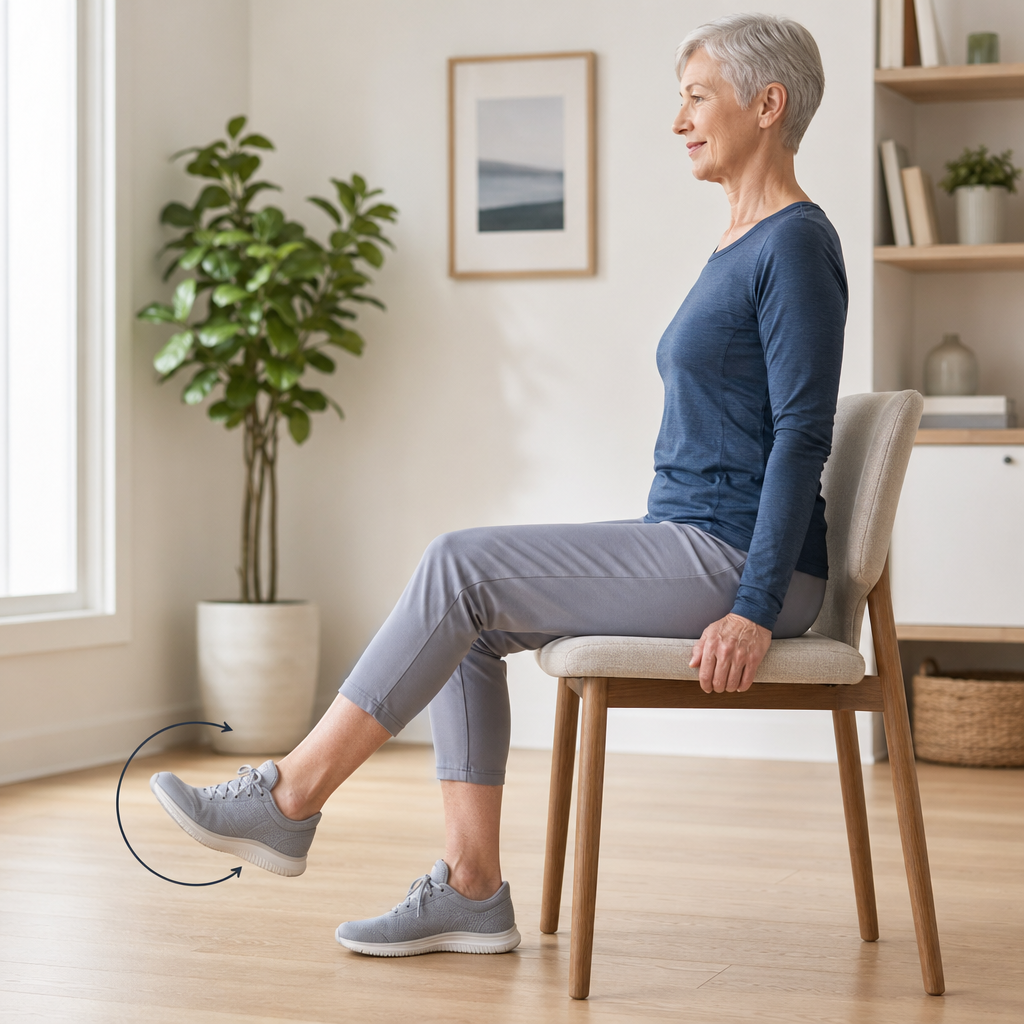
Ankle circles and foot flexes are particularly valuable for neuropathy. While seated, extend one leg and rotate your ankle slowly in both directions. Then flex and point your foot to work the muscles and increase blood flow to affected areas. These simple movements can help maintain what sensation you have and potentially improve circulation over time.
Seated resistance band exercises give you a full upper body workout. You can work your arms, shoulders, and back while completely secure in your chair. Resistance bands come in different strengths, so you can progress gradually as you build muscle. If you want to expand your seated upper body routine, shoulder exercises with dumbbells can also be adapted for safe seated workouts.

Resistance Bands for Seniors
Perfect for safe seated strength training without fall risk
Footwear Is Non-Negotiable
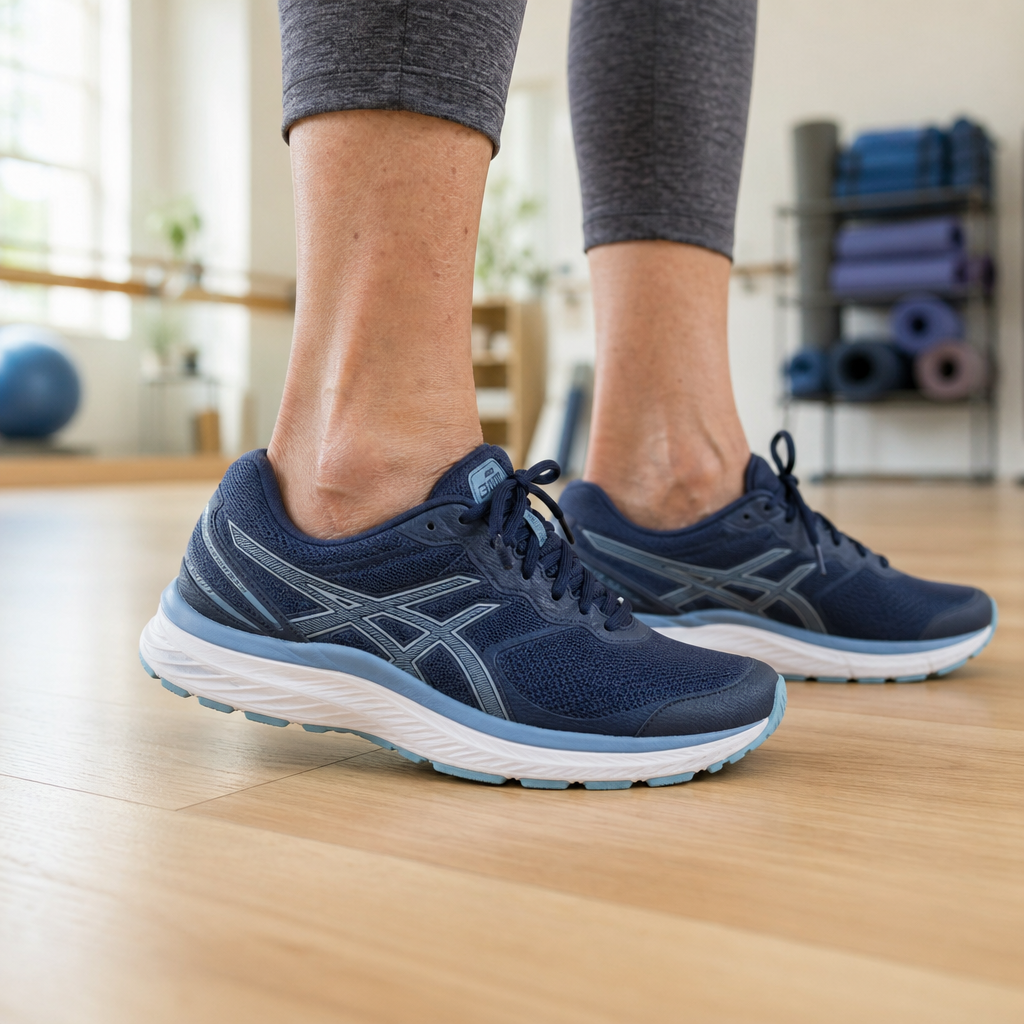
Your shoes matter more with neuropathy than they ever did before. You need supportive, well-fitted shoes with non-slip soles for every exercise session. Socks with seamless construction prevent irritation you might not feel until it becomes a serious problem.
Look for shoes with a wide toe box to prevent pressure points and adequate cushioning to protect feet that can’t tell you when something’s wrong. Velcro closures or elastic laces work better than traditional laces if you have reduced dexterity in your hands.
Diabetic socks or neuropathy-specific socks have become much better in recent years. They provide compression to improve circulation without constricting blood flow, and many have extra padding in high-pressure areas. The seamless design prevents blisters that could go unnoticed and become infected.
Never exercise barefoot or in regular socks alone, even at home. Your reduced sensation means you won’t notice small cuts, scrapes, or developing blisters until they’ve become serious problems.
The Pre and Post-Exercise Foot Check
This routine is as important as the exercise itself. Before you start, examine both feet carefully in good lighting. Look for cuts, blisters, redness, swelling, or any changes in skin color. Feel for temperature differences between your feet, which could indicate circulation problems.
Check between your toes, which many people forget. This is where moisture can accumulate and cause problems. Make sure your toenails are trimmed straight across and not cutting into the skin.
After exercising, repeat the entire inspection. Look for any new redness, particularly on pressure points. Check for debris that might have gotten into your shoes during exercise. Even a small pebble can cause damage when you can’t feel it.
A small handheld mirror helps you see the bottoms of your feet if bending is difficult. Keep one near your exercise area specifically for this purpose.

Long Handle Mirror for Foot Inspection
Makes daily foot checks possible without difficult bending
Balance Training With Safety First
You can work on balance even with reduced sensation, but you need proper support. Standing exercises should always be done near a sturdy counter, railing, or wall-mounted grab bar. Never rely on furniture that could tip or move.
Start with simple weight shifts while holding onto a stable surface. Shift your weight from one foot to the other, then forward and back, always maintaining contact with your support. This builds the muscle memory your body needs to compensate for reduced nerve feedback.
Single-leg stands come next, but only when you’re ready and always with something to hold. Lift one foot just an inch or two off the ground while gripping your support firmly. Even a few seconds counts as progress. Your muscles will learn to stabilize you even when your nerves aren’t sending perfect signals.
Heel-to-toe walking along a straight line (like a piece of tape on the floor) improves coordination. Keep one hand on a wall or counter throughout. This is more challenging than it sounds when you can’t fully feel where your feet are landing. Incorporating breathing techniques during movement can help you stay centered and reduce anxiety about maintaining balance.
Circulation-Boosting Exercises
Improving blood flow to affected areas may help slow neuropathy progression and potentially improve symptoms. Gentle, repetitive movements work best for this goal.
Calf raises while holding a counter edge get blood pumping through your lower legs. Rise up onto your toes slowly, hold for two seconds, then lower back down. The controlled movement matters more than how many you do. Start with 5 to 10 repetitions and build from there.
Ankle pumps while lying down or sitting with legs elevated help return blood flow to your heart. Simply flex your feet up and down, pointing your toes toward your nose then away. Do these several times throughout the day, not just during formal exercise sessions.
Walking remains one of the best exercises for circulation, but requires extra precautions. Stick to smooth, well-lit surfaces you know well. A walking pole or trekking poles provide extra stability and confidence. Avoid uneven terrain, gravel paths, or anywhere your reduced sensation could hide trip hazards.
Water exercises offer fantastic circulation benefits with minimal fall risk. The buoyancy supports your body while the water resistance works your muscles. Many community centers offer warm water therapy pools specifically for seniors with mobility challenges.
Creating Your Safe Exercise Environment
Your exercise space needs more attention when you have neuropathy. Clear all trip hazards from your workout area. This includes throw rugs, electrical cords, and clutter. What you might have stepped over easily before could cause a serious fall now.
Lighting is critical. You’re relying more on vision to compensate for reduced sensation, so you need bright, even lighting without glare or shadows that could hide obstacles. Motion-activated lights eliminate the need to fumble for switches.
Temperature regulation matters too. Your feet might not tell you when they’re getting too hot or cold. Keep your exercise area at a comfortable temperature and check your feet regularly during longer sessions.
An exercise mat with a non-slip backing provides cushioning for floor exercises while staying securely in place. Look for thicker mats that offer more protection since you might not feel discomfort from hard surfaces as quickly. Many gentle yoga poses can be safely performed on a supportive mat even with neuropathy concerns.

Extra Thick Non-Slip Exercise Mat
Provides cushioning and stability for floor exercises with reduced sensation
Frequently Asked Questions
How often should I exercise with peripheral neuropathy?
Daily gentle movement is better than longer, less frequent sessions. Aim for 20 to 30 minutes most days, focusing on circulation and flexibility. You can split this into shorter sessions if that works better for your energy levels. Consistency matters more than duration. Listen to your body and rest when you need to, but try to do at least some gentle ankle pumps and stretches every day.
Will exercise make my neuropathy worse?
Appropriate exercise typically helps rather than harms. Movement improves circulation, which can slow nerve damage progression and may even improve some symptoms. The key is choosing low-impact activities that don’t stress your feet excessively. Avoid high-impact exercises like running or jumping, which could cause injuries you might not feel right away. Always check with your doctor before starting a new exercise program, especially if you have diabetes-related neuropathy.
What warning signs should stop me from exercising?
Stop immediately if you notice new numbness spreading, unusual pain, dizziness, chest discomfort, or extreme shortness of breath. After exercising, watch for any new blisters, cuts, or areas of redness on your feet during your post-workout inspection. Swelling that doesn’t decrease within a few hours or any open sores require medical attention. Your reduced sensation means you need to be extra vigilant about subtle changes that could indicate problems.
Related Articles
- Yoga for Seniors with Limited Flexibility: A Complete Guide
- Boost Your Wellness: 10 Beneficial Yoga Poses for Seniors
- Discover the 12 Best Shoulder Workouts with Dumbbells for Seniors
- Breath and Movement Practices to Reduce Anxiety in Seniors