Living with chronic pain changes everything. It affects how you move, how you sleep, and how you approach each day. For decades, conventional wisdom told people with persistent pain to rest and avoid activities that might make things worse. But modern pain science has turned that advice on its head.
Movement, not rest, is often the key to managing chronic pain. This doesn’t mean pushing through severe pain or ignoring your body’s signals. It means understanding how pain works and using gentle, appropriate movement to retrain your nervous system and build resilience over time.
Understanding the Science Behind Chronic Pain
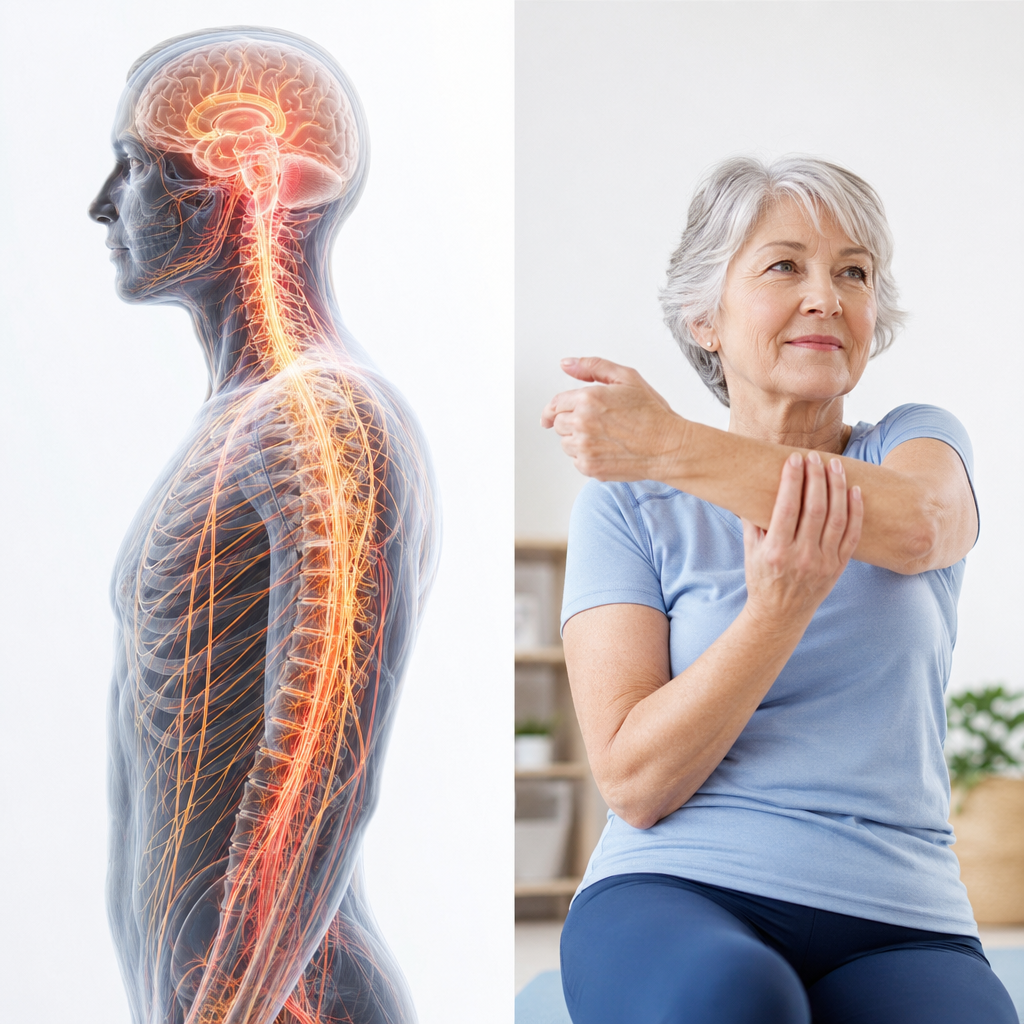
Chronic pain isn’t just about tissue damage. When pain persists beyond three to six months, your nervous system can become hypersensitive. Think of it like a car alarm that goes off at the slightest touch. Your pain sensors become overprotective, sending danger signals even when there’s no actual threat to your tissues.
This process, called central sensitization, means that activities which shouldn’t cause pain can trigger significant discomfort. Your brain interprets these signals as threats and responds with pain, muscle tension, and protective behaviors like guarding or avoiding movement.
The problem with prolonged rest is that it reinforces this cycle. When you avoid movement, your muscles weaken, your joints stiffen, and your nervous system becomes even more sensitive to activity. You end up in a downward spiral where less activity leads to more pain, which leads to even less activity.
Why Movement Works Better Than Rest

Appropriate movement acts as medicine for chronic pain in several ways. First, it increases blood flow to painful areas, delivering oxygen and nutrients while removing waste products. Second, it triggers the release of endorphins, your body’s natural pain relievers.
More importantly, movement helps retrain your nervous system. When you engage in gentle activity without causing harm, you’re teaching your brain that movement is safe. Over time, this reduces the hypersensitivity that amplifies pain signals.
Exercise also addresses the secondary effects of chronic pain. It strengthens muscles that may have weakened from disuse, improves joint mobility, and boosts your mood by reducing depression and anxiety, which often accompany chronic pain conditions.
Research consistently shows that people with chronic pain who engage in regular, appropriate movement have better outcomes than those who primarily rest. They report lower pain levels, improved function, better sleep, and higher quality of life.
The Art of Pacing: Your Most Important Skill
Pacing is the foundation of successful movement therapy for chronic pain. It means finding the sweet spot between doing too much and doing too little. Many people with chronic pain fall into a boom-and-bust cycle. They feel good one day and overdo it, then spend the next few days recovering from a pain flare.
Start by establishing your baseline. This is the amount of activity you can do consistently without triggering a significant pain increase. You might find you can walk for five minutes, do three gentle stretches, or stand for ten minutes before your pain escalates.
Once you know your baseline, work within it for at least a week or two. This builds confidence and stability. Then increase by small increments, typically no more than 10 to 20 percent at a time. If you can walk five minutes comfortably, try six minutes for a few days before progressing further.
Use a timer or journal to track your activities. This helps you stay consistent and identify patterns. You might discover that morning exercise works better for you, or that splitting activity into shorter sessions throughout the day is more manageable than one longer session.
Exercises for Common Pain Locations
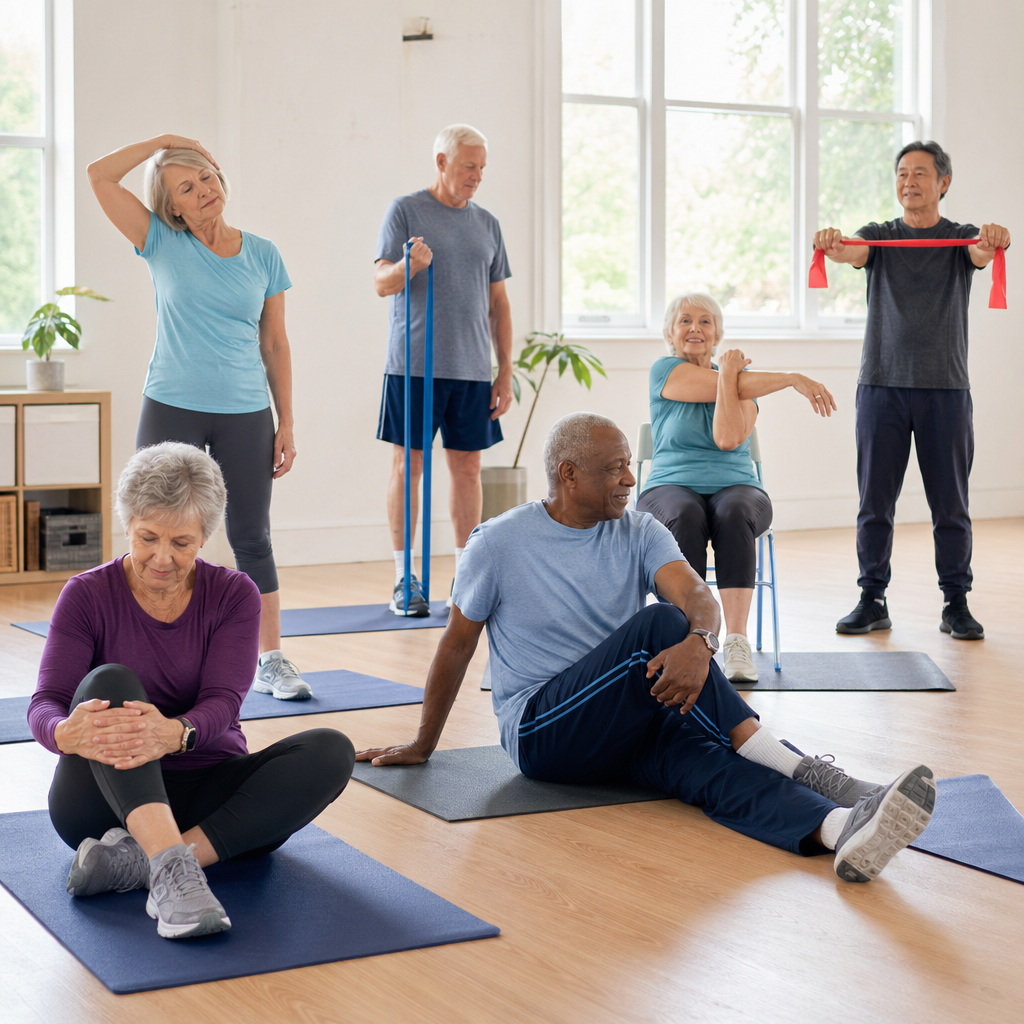
Lower Back Pain
Lower back pain is one of the most common chronic pain conditions. Gentle movements that promote flexibility and strengthen core muscles can make a significant difference. Start with pelvic tilts while lying on your back, gently rocking your pelvis to flatten and arch your lower back.
Cat-cow stretches are excellent for maintaining spinal mobility. On your hands and knees, alternate between arching your back and rounding it, moving slowly and within a comfortable range. Bird-dogs, where you extend opposite arm and leg while maintaining balance, build core stability without stressing the spine.
Walking is perhaps the best overall exercise for back pain. Start with short distances on flat, even surfaces. A lumbar support cushion can help maintain proper posture during seated activities and reduce strain.
Neck and Shoulder Pain
Neck and shoulder pain often stems from poor posture and muscle tension. Gentle neck rotations, turning your head slowly from side to side, help maintain mobility. Shoulder blade squeezes, where you pull your shoulder blades together, strengthen the muscles that support good posture.
Chin tucks are particularly effective for neck pain. Gently draw your chin straight back, creating a double chin, then release. This strengthens the deep neck flexors that often become weak with forward head posture.
Wall angels help restore shoulder mobility. Stand with your back against a wall and slowly raise and lower your arms in an arc, keeping contact with the wall. A foam roller can help release tension in the upper back and shoulders when used gently.

TheraCane Massager
Excellent self-massage tool for reaching trigger points in the neck, shoulders, and upper back.
Hip and Knee Pain
Joint pain in the hips and knees responds well to low-impact movement. Seated or standing marching helps maintain hip mobility without bearing full weight. Gentle knee extensions while seated strengthen the quadriceps, which support the knee joint.
Side leg lifts while standing or lying down strengthen the hip abductors, improving stability and reducing stress on the knee. Heel slides, where you slowly bend and straighten your knee while lying down, maintain knee flexibility.
Water-based exercises are particularly beneficial for hip and knee pain because the buoyancy reduces joint stress. Many community pools offer water aerobics classes designed for people with arthritis and chronic pain.
Building Exercise Tolerance Gradually
Expect setbacks. They’re a normal part of the process, not a sign of failure. When you experience a pain flare, don’t panic and abandon your program. Return to your baseline activity level and maintain it until the flare settles, then resume your progression.
Variety matters. Doing the same exercises repeatedly can lead to overuse of certain muscles while neglecting others. Rotate between different activities and movement patterns. Mix strength exercises with flexibility work and cardiovascular activity.
Listen to your body, but distinguish between discomfort and harm. Some muscle soreness or temporary pain increase during exercise is normal and doesn’t mean you’re causing damage. Sharp, severe pain or symptoms that persist for hours after activity may signal you need to scale back.
Consider working with a physical therapist, especially when starting out. They can assess your specific condition, teach proper form, and create a personalized program. Many therapists now specialize in chronic pain management and understand the principles of graded exercise and pain neuroscience.

Resistance Bands Set
Versatile tool for gentle strengthening exercises that you can adjust to your current tolerance level.
Complementary Approaches to Movement Therapy
Heat therapy can prepare your body for movement by increasing blood flow and reducing muscle tension. Apply heat for 15 to 20 minutes before exercise. A heating pad works well for accessible areas, while heated wraps can target harder-to-reach spots.
Cold therapy, or cryotherapy, helps reduce inflammation and numb pain after activity. Use ice packs for 10 to 15 minutes, never applying ice directly to skin. Some people find contrast therapy, alternating between heat and cold, particularly effective.
TENS (Transcutaneous Electrical Nerve Stimulation) units deliver mild electrical pulses through the skin, which can interrupt pain signals and promote endorphin release. These devices are available for home use and can complement your movement practice.

TENS Unit
Provides drug-free pain relief through gentle electrical stimulation, useful before or after exercise sessions.
Mindfulness and breathing exercises help manage the stress and anxiety that often accompany chronic pain. Deep, diaphragmatic breathing activates your parasympathetic nervous system, promoting relaxation and reducing pain perception. Even a few minutes of focused breathing before exercise can make movement more comfortable.
Sleep quality directly impacts pain levels. Poor sleep amplifies pain signals, while restorative sleep helps your body recover and reduces pain sensitivity. Establish a consistent sleep schedule and create a relaxing bedtime routine. A body pillow can help maintain comfortable positioning throughout the night.
When to Seek Medical Help
While movement is beneficial for most chronic pain conditions, certain warning signs require immediate medical attention. Seek help if you experience sudden, severe pain that’s different from your usual symptoms, particularly if accompanied by fever, unexplained weight loss, or loss of bowel or bladder control.
Progressive weakness or numbness, especially if it’s spreading or affecting your ability to function, needs prompt evaluation. These symptoms could indicate nerve compression or other conditions requiring specific treatment.
If your pain significantly worsens despite following a gradual, appropriate exercise program, consult your healthcare provider. You might need additional diagnostic testing or adjustments to your treatment plan. Don’t interpret worsening pain as a reason to stop moving entirely, but do seek guidance on modifying your approach.
New or changing symptoms warrant evaluation. Chronic pain can mask new problems, and it’s important to ensure that what you’re experiencing is related to your known condition rather than something requiring different treatment.
Mental health is equally important. If chronic pain is leading to significant depression, anxiety, or thoughts of self-harm, reach out for support. Many pain management programs include psychological services because addressing the emotional impact of pain is essential for recovery.
Frequently Asked Questions
How long before I notice improvement from exercise?
Most people begin noticing benefits within four to six weeks of consistent, appropriate movement. You might first observe improvements in mood and sleep before pain levels change. Physical changes like increased strength and flexibility often take longer, typically two to three months. Patience is critical because your nervous system needs time to recalibrate.
Should I exercise when I’m having a pain flare?
During a significant flare, reduce your activity level but don’t stop moving completely unless advised by your healthcare provider. Return to your baseline activity level or slightly below it, focusing on gentle movements. Complete rest often prolongs flares, while maintaining some movement, even if minimal, helps you recover faster.
Can I take pain medication before exercising?
Taking medication before exercise can be helpful, but discuss timing with your doctor. Medication shouldn’t mask pain to the point where you can’t gauge your tolerance and risk overdoing it. The goal is to reduce pain enough to move comfortably, not eliminate it entirely so you can push beyond safe limits.
What if exercise makes my pain worse instead of better?
Some temporary increase in discomfort during and immediately after exercise is normal, but pain that lasts more than a couple hours or significantly limits your function suggests you need to modify your approach. Reduce intensity, duration, or frequency. Consider working with a physical therapist to ensure you’re using proper form and choosing appropriate exercises for your condition.
This article contains affiliate links. We may earn a small commission at no extra cost to you.