Nordic walking turns a simple stroll into a full-body workout, and it’s gaining serious momentum among fitness enthusiasts of all ages. Unlike using a cane or walker for balance support, nordic walking poles are designed specifically for active exercise, engaging your upper body while you walk and boosting calorie burn by up to 46% compared to regular walking.
If you’ve seen people striding through parks with ski-like poles, they’re onto something. This low-impact activity originated in Finland as off-season training for cross-country skiers and has evolved into a standalone fitness method that’s easier on your joints than jogging while delivering serious cardiovascular benefits.
Why Nordic Walking Poles Work Better Than Regular Walking
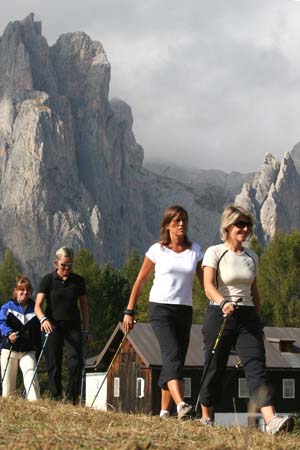
The magic of nordic walking lies in the upper body engagement. With each stride, you’re actively pushing back with the poles, which recruits muscles in your arms, shoulders, chest, and core. Research shows this technique can burn 20-46% more calories than walking at the same pace without poles.
Your cardiovascular system works harder too, but it doesn’t feel that way. Studies demonstrate that people rate nordic walking as feeling easier than regular walking, even though their heart rates climb higher. This makes it perfect for building fitness without the intimidation factor of intense exercise.
The poles also improve your posture naturally. The forward-and-back arm motion opens up your chest and prevents the hunched-over stance many of us develop from sitting too much. You’ll stand taller, breathe deeper, and engage your core with every step.
Nordic Walking Poles vs. Trekking Poles: What’s the Difference?
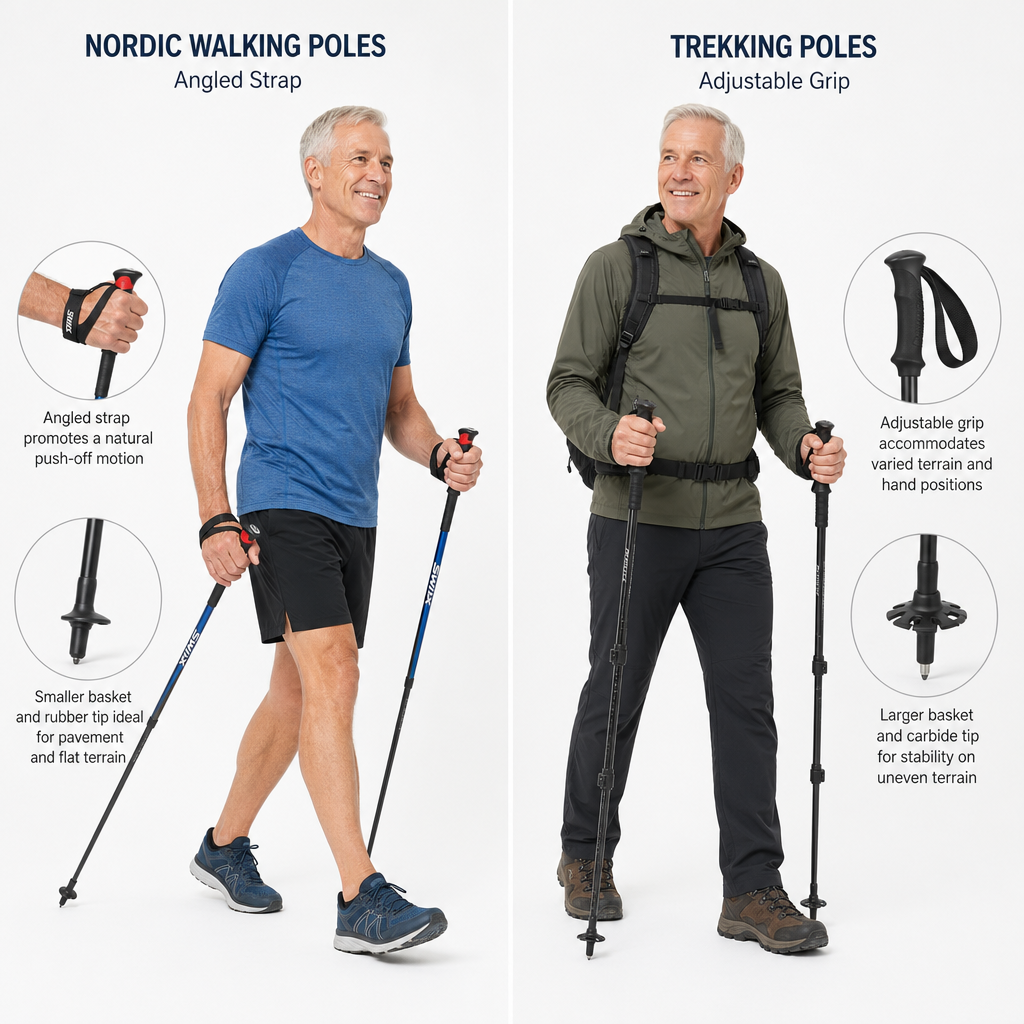
These aren’t interchangeable, despite looking similar. Trekking poles are designed for stability on uneven terrain during hikes. They’re meant to support your weight and help you navigate rocks, streams, and steep inclines.
Nordic walking poles, by contrast, are built for fitness on relatively flat surfaces. They’re lighter, have a different grip angle, and come with special rubber tips designed for pavement and smooth trails. The key difference is in how you use them. Trekking poles plant vertically for support, while nordic walking poles angle backward for propulsion.
The straps differ significantly too. Nordic walking poles feature glove-like straps that release easily, allowing you to maintain your grip during the push-off phase while keeping your hands relaxed. Trekking pole straps are simple loops designed to prevent dropping the pole on a mountainside.
Can you use trekking poles for nordic walking? Technically yes, but you’ll miss out on the biomechanical advantages that make nordic walking so effective. The wrong equipment leads to poor technique, which defeats the purpose.
How to Size Your Nordic Walking Poles
Getting the length right makes or breaks your experience. Too long and you’ll hunch your shoulders. Too short and you’ll lean forward awkwardly.
The standard formula is simple: multiply your height in centimeters by 0.68, then round to the nearest 5cm increment. For those thinking in inches, multiply your height in inches by 0.68 and convert back. A person who’s 5’8″ (173cm) would need poles around 117cm long.
Most quality nordic walking poles are adjustable, which gives you room to fine-tune. When you hold the pole upright with the tip on the ground next to your foot, your elbow should form a 90-degree angle. Some instructors recommend going slightly shorter (85-88 degrees) for fitness walking versus longer for more leisurely pacing.
Adjustable nordic walking poles offer the best value because multiple family members can share them, and you can adjust the length as your technique develops. Fixed-length poles weigh less and have no moving parts to wear out, but you need to get the sizing perfect from the start.

York Nordic Adjustable Walking Poles
These lightweight aluminum poles offer easy height adjustment and come with both rubber and all-terrain tips for different surfaces.
Basic Nordic Walking Technique
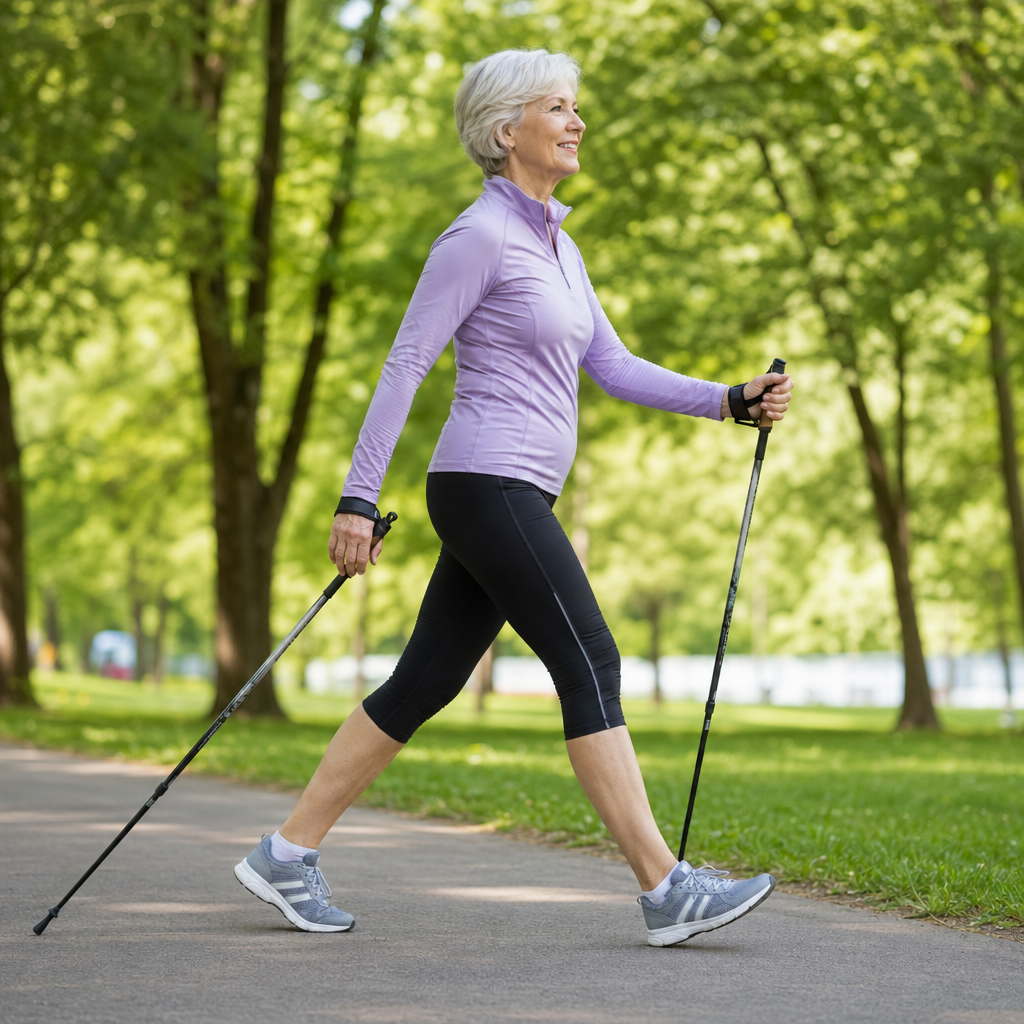
The motion feels weird at first if you’re used to regular walking, but it clicks quickly with practice. Start by walking normally with the poles, letting them drag behind you. This gets you comfortable holding them.
Next, focus on the arm swing. Your arms should swing naturally from the shoulder, just like regular walking but with more emphasis. When your right foot steps forward, your left arm swings forward with the pole tip landing near your opposite heel. The pole stays angled backward, never vertical.
The push-off happens as your arm swings back. You’re not leaning on the pole for support but actively pushing against it to propel yourself forward. Keep your hand relaxed during the swing-through phase. The strap does the work of keeping the pole connected to your hand.
Your back arm should extend fully behind you at the end of each push. This complete extension is what activates your upper back and shoulder muscles properly. Many beginners quit the push too early, which limits the effectiveness.
Walk with a longer stride than normal. The poles enable you to stretch out your gait without straining. This longer stride combined with the upper body work is what makes nordic walking such an efficient workout.
Features to Look for in Quality Nordic Walking Poles
The grip material matters more than you’d think. Cork grips absorb sweat and mold to your hand over time, making them comfortable for longer sessions. Rubber or foam grips work fine for casual use but can get slippery when your hands sweat.
Look for an adjustable strap system that fits snugly without cutting off circulation. The best systems use a thumb loop that keeps your hand properly positioned while allowing your fingers to relax during the forward swing. Cheaper poles have basic wrist loops that force you to grip constantly.
The pole shaft should be lightweight aluminum or carbon fiber. Carbon fiber costs more but reduces arm fatigue on longer walks. Aluminum poles handle abuse better and cost less, making them ideal for beginners who might bang them around while learning technique.
You need two types of tips: rubber for pavement and hard trails, plus carbide tips for soft dirt, grass, or winter conditions. Most poles come with removable rubber tips that slip over the carbide points. Extra tips are cheap insurance, so grab a spare set.
Leki urban walking poles have earned their reputation through quality construction and thoughtful design details that matter during actual use.

Exerstrider Original Walking Poles
Purpose-built for fitness walking with an ergonomic bell-shaped grip and specialized strap system that promotes proper technique.
Starting Your Nordic Walking Practice
Don’t overthink it on day one. Head to a local park or greenway with smooth surfaces and just start moving. Spend the first few sessions getting comfortable with the basic rhythm before worrying about perfect form.
Many communities offer nordic walking groups or classes through parks and recreation departments. Having an instructor watch your technique for even one session prevents bad habits from forming. Plus, walking with others keeps you motivated.
Start with 20-30 minute sessions and build from there. Your upper body will feel the workout, especially in your triceps and lats. This is normal. The muscle soreness fades as your body adapts, usually within a week or two.
Track your progress by paying attention to how you feel rather than obsessing over distance or speed initially. You’ll notice improved posture, easier breathing, and better endurance within the first month of regular practice.

TrailBuddy Trekking Poles
While marketed as trekking poles, these work well for nordic walking with their cork grips and lightweight aluminum construction at a budget-friendly price point.
Common Mistakes to Avoid
The biggest error beginners make is planting the pole too far forward. This creates a braking effect and throws off your natural gait. The pole tip should land beside or slightly behind your opposite foot, never out in front.
Gripping too tightly wastes energy and causes hand fatigue. Learn to trust the strap system. Your fingers should stay relaxed throughout most of the pole cycle, only firming up during the push-off phase.
Another common mistake is bending from the waist instead of maintaining an upright posture. Keep your core engaged and your chest open. The poles should help you stand taller, not slouch forward.
Don’t skip the arm extension behind you. If you’re not fully extending your arm on the backswing, you’re missing half the benefit. This complete extension is what turns nordic walking from a stroll into a genuine upper body workout.
Frequently Asked Questions
Can I use nordic walking poles on a treadmill?
Yes, but it takes some adaptation. You’ll need a treadmill without side rails, and the rubber tips must be in good condition to prevent slipping. Start at a slower speed than you’d use outdoors until you get the rhythm down. The arm motion works exactly the same way, though some people find the stationary environment takes getting used to. It’s a solid option for bad weather days once you’re comfortable with the technique. For more information on proper treadmill walking form, check out our detailed guide.
How often should I do nordic walking to see fitness results?
Three to four sessions per week, each lasting 30-45 minutes, will produce noticeable improvements in cardiovascular fitness and muscle tone within four to six weeks. You can do nordic walking more frequently than high-impact activities because it’s easier on your joints. Some enthusiasts walk daily without issues. Listen to your body and take rest days if your upper body feels overly fatigued. If you’re just starting out, consider following a structured walking program for beginners to build up gradually.
Do I need special shoes for nordic walking?
Regular athletic walking or running shoes work perfectly fine. The pole technique doesn’t place unusual demands on your footwear. Choose shoes with good arch support and cushioning appropriate for the surfaces where you’ll walk most often. Trail shoes with more aggressive tread help on unpaved paths, while lighter walking shoes suffice for pavement and packed trails. Save your money for quality poles rather than specialized footwear. Proper form and techniques matter more than expensive gear when it comes to preventing discomfort.
This article contains affiliate links. We may earn a small commission at no extra cost to you.