If you’ve been told that stretching every day is enough to stay mobile and independent as you get older, you’ve been given half the picture. Stretching feels good, it reduces stiffness, and it’s gentle on your joints. But it doesn’t build the muscle your body needs to carry groceries, get up from a chair, or catch yourself before a fall. Strength training does that. The honest answer isn’t one or the other. Most older adults need both, working together.
This article breaks down what each type of exercise actually does for your body, where people go wrong by leaning too heavily on just one, and how to put them together in a way that works at any fitness level.
What Stretching Actually Does (and Doesn’t Do)
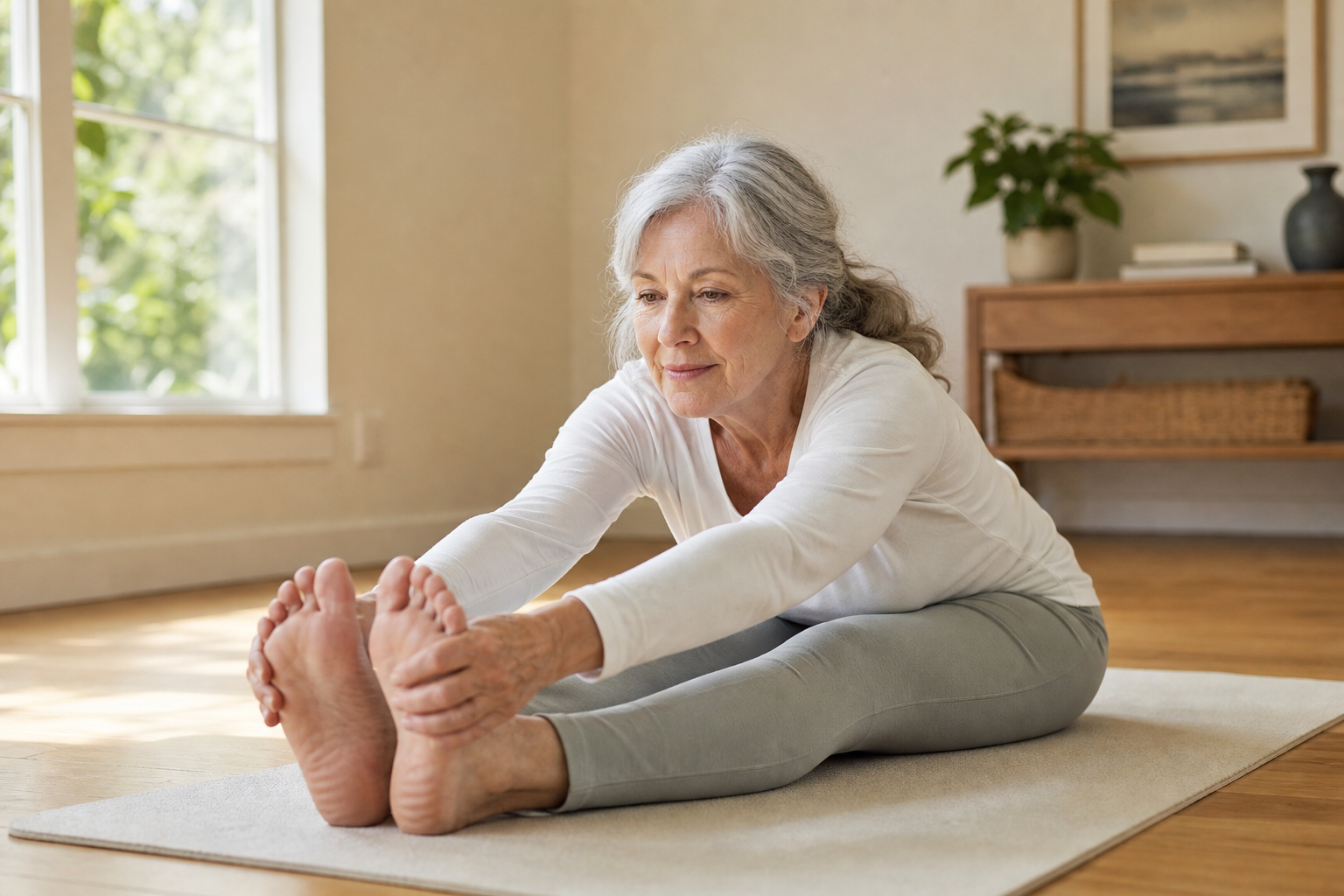
Stretching improves your range of motion. It helps reduce the tightness that builds up in muscles and connective tissue, especially after long periods of sitting or sleeping. Regular stretching can also ease chronic tension in areas like the hips, hamstrings, and lower back, which matters a lot for comfort and daily movement.
What stretching does not do is build muscle. It won’t slow down the natural muscle loss that comes with aging, a process called sarcopenia that starts in your 30s and accelerates after 60. It won’t improve your bone density. It won’t make it easier to stand up quickly or climb a flight of stairs. Those things require muscle, and muscle has to be trained.
This is where a lot of well-meaning seniors run into trouble. They do yoga or gentle stretching classes religiously and feel like they’re “doing something” for their fitness. They are. But they may still be slowly losing muscle every year without realizing it, which eventually catches up with them in the form of balance problems, weakness, or injury.
Stretching is also most effective when your muscles are already warm. Static stretching on cold muscles can sometimes cause small tears rather than lengthen the tissue properly. Save your deeper stretching for after a workout, or at least after a short walk.
What Strength Training Actually Does for Aging Bodies
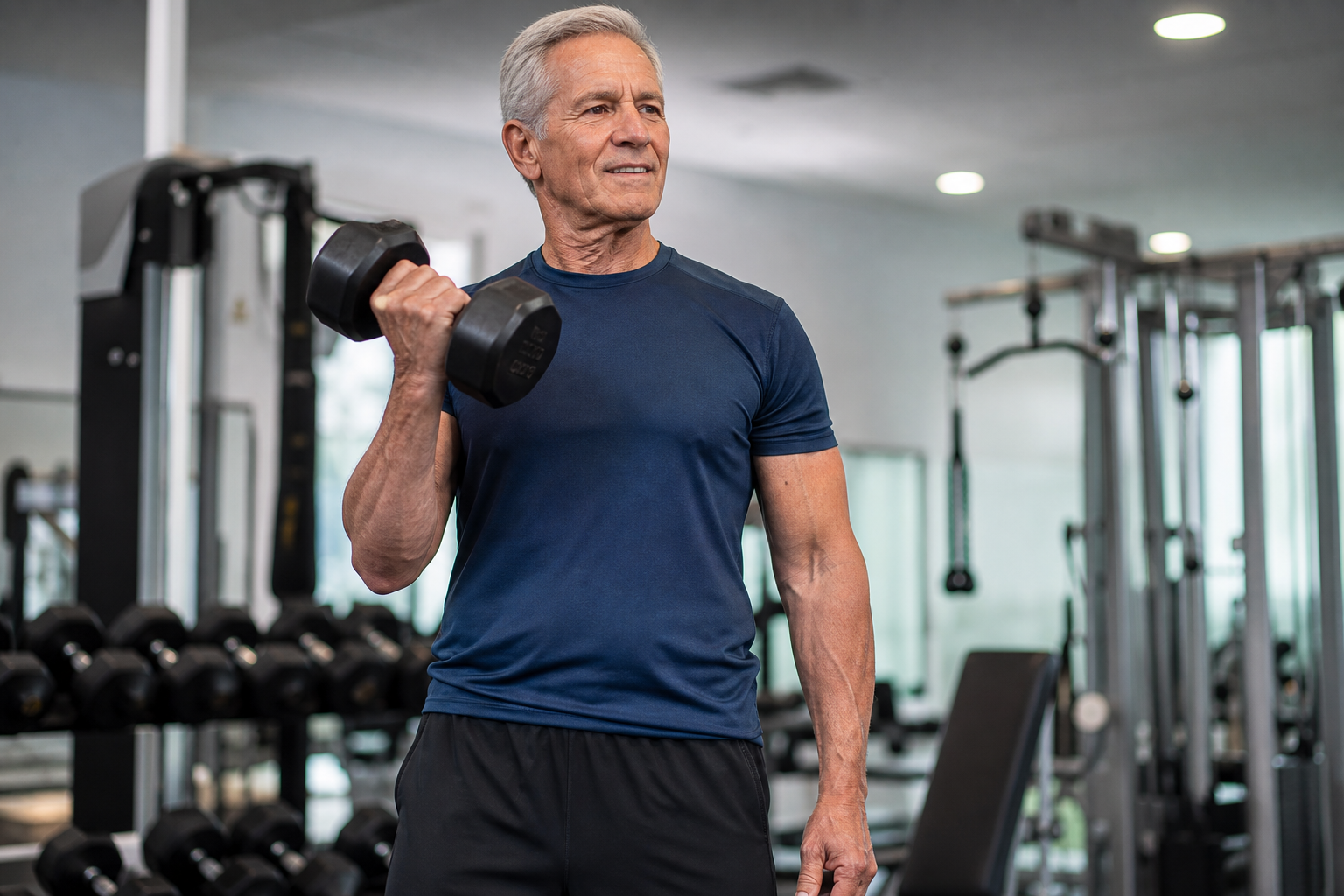
Strength training is the only type of exercise proven to directly counter sarcopenia. When you challenge your muscles with resistance, whether that’s weights, resistance bands, or bodyweight, your body responds by maintaining and rebuilding muscle tissue. That muscle supports your joints, improves your posture, and keeps you stable on your feet.
The benefits go beyond looking or feeling stronger. Research consistently shows that resistance training improves bone density, which is critical for anyone concerned about osteoporosis. If that’s on your radar, the Osteoporosis Exercise Plan for Bone Strength goes deeper into how to structure those workouts safely.
Strength training also improves your metabolic health, helps with blood sugar regulation, and supports healthy testosterone levels in older men. There’s a reason the research on testosterone and exercise for men over 60 keeps coming back to resistance training as one of the most reliable natural interventions.
For women, the case is equally strong. Muscle loss accelerates significantly after menopause, making strength training after 50 one of the most important health decisions a woman can make in her later years.
Why Most Seniors Need Both, Not One or the Other

Here’s where it gets practical. Strength without flexibility creates its own problems. If you’re building muscle but never working on range of motion, you can end up with tight, shortened muscles that limit how you move and increase your injury risk. Anyone who’s done heavy squats without any hip mobility work knows what this feels like.
Flexibility without strength is equally incomplete. You might be able to touch your toes, but if you can’t control movement through that range, or if your legs and core aren’t strong enough to support you, that flexibility doesn’t translate to functional independence.
The goal for most older adults is what exercise professionals call functional fitness: the ability to move well, move safely, and move confidently through the activities of daily life. That requires both a solid strength base and enough mobility to actually use it. A good progressive resistance training program will naturally include some mobility work, but you’ll likely need to add dedicated stretching on top of it.
A simple weekly structure might look like this:
- Two to three days of strength training (resistance bands, light dumbbells, or bodyweight)
- Daily stretching for 10 to 15 minutes, ideally after activity or in the evening
- One or two days of walking or low-impact cardio to keep your cardiovascular system in shape
You don’t need hours in a gym. Consistency over months matters far more than intensity in any single session.
Tools That Help You Do Both Well
You don’t need a lot of equipment to combine stretching and strength work at home. A few well-chosen tools make both easier and safer.
For stretching, a good loop strap makes a real difference, especially if you have tight hamstrings or hip flexors and can’t easily reach your feet. You can deepen stretches gradually and safely without forcing your joints. Stretching straps with loops are affordable and widely available.

Stretching Strap with Loops
A multi-loop stretching strap lets you gradually deepen hamstring, hip, and shoulder stretches safely without straining to reach your feet.
For strength training at home, resistance bands are genuinely one of the best investments you can make. They’re joint-friendly, easy to store, and come in enough resistance levels to keep challenging you as you get stronger. A set that includes light, medium, and heavy resistance covers most exercises you’ll want to do.

Resistance Bands Set for Seniors
A set with multiple resistance levels lets you start light and progress gradually, which is exactly how strength training for older adults should work.
If you want to add some variety or increase the challenge for lower body work, a pair of adjustable light adjustable dumbbells pairs well with bands. Check out the budget-friendly home gym setup for seniors for a fuller breakdown of what’s worth buying and what’s not.
One more tool worth mentioning: a foam roller. Using one before your stretching session can loosen up tight fascia and make your stretches more effective. Our article on the best foam rollers for senior muscle recovery covers which types work best for older adults.
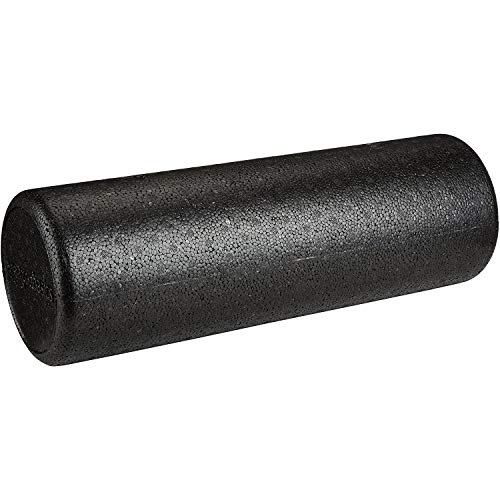
Foam Roller for Muscle Recovery
A firm but not aggressive foam roller helps release tight spots in your legs, back, and hips before stretching, making the whole session more effective.
Frequently Asked Questions
Is stretching enough exercise if I do it every day?
Not on its own, no. Daily stretching is genuinely beneficial for flexibility, joint comfort, and reducing stiffness. But it doesn’t build muscle or improve bone density, both of which are critical for aging well. Think of stretching as an essential complement to strength work, not a substitute for it.
At what age is it too late to start strength training?
There’s no age at which strength training stops working. Studies have shown measurable muscle gains in people well into their 80s and 90s with appropriate resistance training. Starting later means you may need to progress more slowly and be more careful about form, but the benefits are real and significant at any age.
How long should I stretch before or after strength training?
Before a workout, keep it brief and dynamic, meaning movement-based stretches like leg swings or hip circles, not long static holds. Save the deeper static stretching for after your workout, when your muscles are warm. Ten to fifteen minutes post-workout is plenty. Holding each stretch for 20 to 30 seconds, two to three times per muscle group, covers the basics well.
Putting It Together
Stretching isn’t a waste of time, and it’s not something you should skip. But if it’s the only thing you’re doing for your fitness, you’re leaving a lot on the table. The muscle loss, bone loss, and balance decline that come with aging don’t respond to stretching alone. They respond to being challenged with resistance.
The good news is that combining both doesn’t require a complicated program or a gym membership. A few sessions a week of simple resistance work, paired with daily stretching and good nutrition including enough post-workout protein and recovery nutrition, goes a long way. Start where you are, stay consistent, and adjust as you get stronger. That’s the whole formula.
This article contains affiliate links. We may earn a small commission at no extra cost to you.