Your body’s ability to use food efficiently changes as you age. What worked in your 40s might leave you dragging by your 60s or 70s. The timing of your meals can make a real difference in how energized you feel throughout the day, how well you recover from exercise, and how stable your blood sugar remains.
Most seniors eat out of habit or convenience rather than strategy. But a few simple adjustments to when you eat can help you feel more alert, exercise better, and avoid that mid-afternoon energy crash that seems to hit harder with each passing year.
Why Meal Timing Matters More as You Age

Your metabolism slows down with age, typically by about 2% per decade after 30. This means your body processes food differently than it used to. You also produce less stomach acid and digestive enzymes, which affects nutrient absorption.
Blood sugar regulation becomes trickier too. Your cells become less responsive to insulin, making it easier to experience spikes and crashes. These swings drain your energy and can leave you feeling foggy or irritable.
Regular meal timing helps counteract these changes. When you eat at consistent times, your body learns when to expect fuel. This improves digestion, stabilizes blood sugar, and helps maintain steady energy levels throughout the day.
The Case for Not Skipping Breakfast
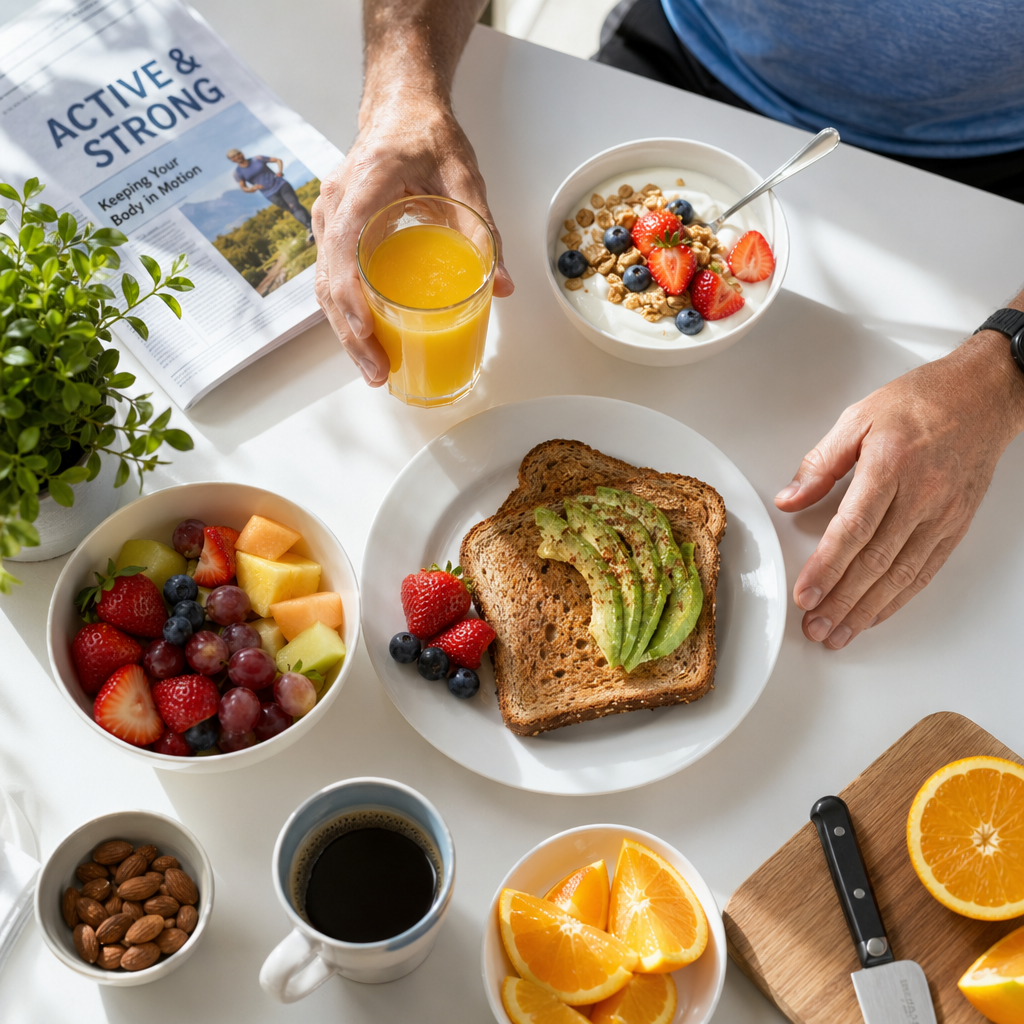
You’ve probably heard that breakfast is important. For seniors specifically, eating within an hour or two of waking up sets the tone for your entire day. After an overnight fast, your body needs fuel to activate your metabolism and stabilize blood sugar.
A protein-rich breakfast works best. Aim for at least 20-30 grams of protein to help preserve muscle mass and keep you satisfied until lunch. Greek yogurt with nuts, eggs with whole grain toast, or a protein smoothie with fruit all fit the bill.
Studies show that seniors who eat breakfast regularly have better cognitive function and physical performance throughout the morning. They’re also less likely to overeat later in the day, which can lead to uncomfortable digestive issues and energy crashes.
If you’ve never been a breakfast person, start small. Even a banana with peanut butter or a small bowl of oatmeal is better than nothing. You can gradually increase portion sizes as your body adjusts.
Timing Meals Around Exercise
The relationship between food timing and exercise becomes more critical with age. Your muscles need proper fuel to perform and recover, but your slower digestion means you need to plan ahead more carefully than younger exercisers.
Before Your Workout
Eat a light meal or snack 1-2 hours before exercise. This gives your body enough time to digest without feeling heavy. A small serving of carbohydrates with a bit of protein works well: half a turkey sandwich, a banana with almond butter, or oatmeal with berries.
Avoid exercising on a completely empty stomach. While fasted exercise is trendy, it can leave older adults feeling dizzy or weak. Your body needs readily available energy, especially for strength training or more intense activities.
Don’t eat a large meal within an hour of exercising. Your body diverts blood to your digestive system, which can cause cramping or nausea during physical activity.
After Your Workout
Post-exercise nutrition is where many seniors miss an opportunity. Your muscles are most receptive to nutrients within 30-60 minutes after finishing exercise. This window matters more as you age because muscle recovery slows down naturally.
Focus on protein and carbohydrates together. The protein helps repair muscle tissue while carbohydrates replenish energy stores. A protein shake with fruit, cottage cheese with crackers, or chocolate milk all work well as recovery snacks.
You don’t need anything fancy or expensive. A simple combination of 15-20 grams of protein with some carbohydrates does the job. Save your full meal for an hour or two later once your body has started the recovery process. For more details on optimizing nutrition after exercise, check out our guide on post-workout recovery meals.
Managing Blood Sugar Through Consistent Meal Patterns
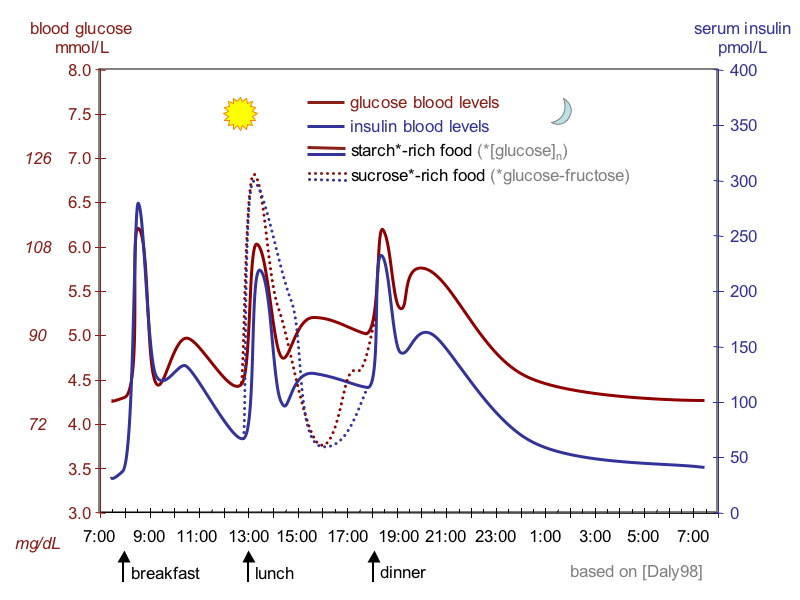
Erratic eating patterns wreak havoc on blood sugar, especially for seniors. Going too long between meals causes blood sugar to drop, leading to fatigue, shakiness, and intense cravings. Then you overeat, causing a spike followed by another crash.
Eating every 3-4 hours keeps blood sugar more stable. This doesn’t mean you need six full meals. Three main meals with one or two small snacks works well for most people.
Pair carbohydrates with protein or healthy fat at every meal. This slows down digestion and prevents rapid blood sugar spikes. Instead of eating an apple alone, have it with a handful of almonds. Add cheese to your crackers. Mix chia seeds into your yogurt.
Avoid long gaps between dinner and breakfast. If you eat dinner at 6 PM and don’t eat again until 9 AM, you’ve gone 15 hours without food. This extended fast can cause blood sugar to drop too low overnight, which is why some people wake up feeling shaky or tired despite sleeping well.
Sample Meal Schedules for Different Lifestyles
Your ideal eating schedule depends on when you exercise, how active you are, and your personal preferences. Here are three practical examples you can adapt.
For Morning Exercisers
- 6:30 AM: Light snack (banana with peanut butter)
- 7:00 AM: Exercise
- 8:00 AM: Full breakfast (eggs, toast, fruit)
- 12:00 PM: Lunch
- 3:00 PM: Afternoon snack (Greek yogurt with berries)
- 6:00 PM: Dinner
- 8:30 PM: Small evening snack if needed (handful of nuts)
For Afternoon or Evening Exercisers
- 7:30 AM: Breakfast
- 10:30 AM: Mid-morning snack (apple with cheese)
- 1:00 PM: Lunch
- 3:30 PM: Pre-workout snack (crackers with hummus)
- 5:00 PM: Exercise
- 6:00 PM: Post-workout snack (protein shake)
- 7:30 PM: Dinner
For Less Active Days
- 8:00 AM: Breakfast
- 12:00 PM: Lunch
- 3:00 PM: Light snack (vegetables with dip)
- 6:30 PM: Dinner
Notice that active days include more snacks while less active days have fewer eating occasions. Match your food intake to your activity level and appetite signals. If you’re following a structured training program that uses progressive overload or includes high-intensity anaerobic exercise, you’ll likely need more frequent fueling to support your increased energy demands.
Tips for Maintaining Consistent Eating Patterns
Consistency is more important than perfection. You’ll get better results from eating at roughly the same times each day than from following a perfect schedule occasionally.
Set alarms on your phone as meal reminders. As you age, hunger cues can become less reliable. You might not feel hungry even when your body needs fuel. Regular reminders help you stay on track.
Prepare grab-and-go options for busy days. Keep hard-boiled eggs, pre-cut vegetables, individual yogurt containers, and portioned nuts readily available. You’re more likely to eat on schedule when healthy food is convenient.
Account for medications that need to be taken with food. Build your meal schedule around these requirements rather than trying to fit medication into an inconvenient eating pattern.
Be flexible on weekends but don’t let timing drift by more than an hour or two. Your body adapts to routine, and drastically different weekend eating patterns can disrupt the consistency you’ve built during the week.
Frequently Asked Questions
Should I eat if I’m not hungry at my scheduled meal time?
Yes, especially if you’re trying to establish a consistent pattern. Eat a smaller portion than usual, but don’t skip the meal entirely. Diminished appetite is common in seniors and doesn’t always reflect actual nutritional needs. After a few weeks of consistent timing, your hunger cues will likely align better with your schedule.
Is it better to eat smaller, frequent meals or three larger meals?
Both approaches can work, but three moderate meals with one or two snacks tends to be more sustainable for most seniors. Frequent small meals can feel burdensome and make it harder to get adequate protein at each eating occasion. The key is preventing long gaps that cause blood sugar instability while avoiding feeling stuffed at any single meal.
How long should I wait between finishing dinner and going to bed?
Aim for at least 2-3 hours between your last meal and bedtime. This allows proper digestion and reduces the risk of acid reflux, which becomes more common with age. A small, light snack closer to bedtime is fine if needed, especially if you take evening medications with food or experience low blood sugar overnight.
Related Articles
- Post-Workout Recovery Meals For Seniors
- 8 Barbell Workout Benefits: Build Strength, Improve Performance, and Boost Overall Fitness
- 9 Health Benefits of Progressive Overload
- What Is Anaerobic Exercise and How Does It Benefit Your Health?