Recovering from a stroke can feel overwhelming, especially when you’re ready to start moving again but aren’t sure where to begin. Your body may feel different, weaker on one side, or less coordinated than before. The good news is that exercise plays a crucial role in stroke recovery, helping you regain strength, balance, and independence.
Before you start any exercise program, you need medical clearance from your doctor or neurologist. This isn’t optional. Your healthcare team needs to assess your specific condition, monitor your blood pressure response to activity, and identify any complications that might affect your exercise plan. Once you have approval, you can begin the journey back to movement with confidence.
Starting With Balance and Stability
Balance is often the first challenge you’ll face after a stroke. One-sided weakness makes standing and walking feel unstable, increasing your fall risk. Start your recovery with seated exercises or movements where you can hold onto something sturdy.
Sit-to-stand exercises are excellent for building leg strength and practicing weight shifting. Use a sturdy chair with armrests, and keep a walker or counter nearby for support. Aim for 5-10 repetitions, focusing on controlled movements rather than speed. As you get stronger, reduce how much you rely on your arms to push yourself up.
Weight shifting exercises help retrain your body to distribute weight evenly. Stand at a counter or parallel bars if available. Slowly shift your weight from side to side, spending extra time putting weight on your affected side. This teaches your brain to trust that leg again. Start with 30-second holds and work up to a minute.
Assistive devices aren’t signs of weakness. They’re tools that let you exercise safely. A quad cane provides more stability than a standard cane during balance work. Ankle-foot orthoses (AFOs) can prevent foot drop and make walking practice more effective. Work with a physical therapist to determine which devices suit your needs.
Building Strength on Both Sides
Your affected side needs targeted attention, but don’t neglect your stronger side. You need both sides working together for functional movement. Resistance bands are perfect for stroke recovery because they’re adaptable to different strength levels.
For arm exercises, loop a resistance band around a doorknob or railing. Practice rows, bicep curls, and shoulder movements on your affected side. Your stronger arm can assist initially by guiding the weaker arm through the motion. This “bilateral training” helps your brain relearn movement patterns. Start with the lightest resistance band available and perform 2 sets of 10 repetitions.
Leg exercises can begin in a seated position for safety. Seated marches, leg extensions, and ankle pumps all contribute to lower body recovery. As you progress, add standing exercises like mini squats while holding a counter or step-ups using a low step (4 inches maximum at first). These movements help rebuild the functional strength needed for everyday activities.
Mirror therapy can enhance your strength training. Place a mirror so it reflects your strong side, hiding your affected side. As you exercise, your brain sees two functioning limbs, which can improve motor recovery. Studies show this technique helps some stroke survivors regain movement faster.
Progression Timeline and Warning Signs
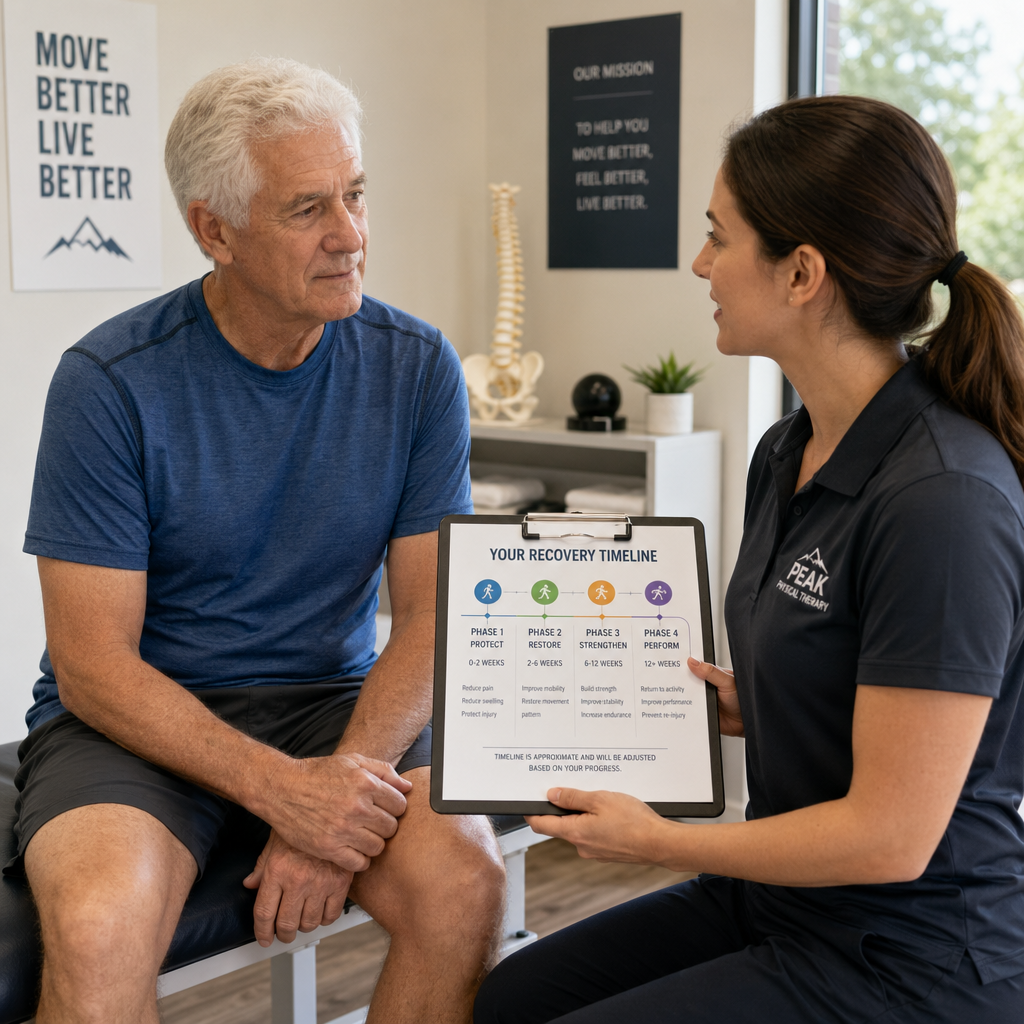
Recovery timelines vary dramatically between individuals. Some people see improvements within weeks, while others need months. The first three months typically show the most rapid gains, but recovery can continue for years with consistent effort.
Progress from supported to unsupported exercises gradually. Spend 2-4 weeks at each level before advancing. You might start with seated exercises, move to standing with support, then standing with minimal support, and finally independent standing exercises. Never rush these progressions.
Watch for warning signs that mean you should stop exercising immediately. Chest pain, severe shortness of breath, dizziness, vision changes, sudden weakness, or numbness all require medical attention. Less severe signs like excessive fatigue might mean you’re pushing too hard too fast.
Work with a physical therapist for at least the first 8-12 weeks of your exercise program. They’ll assess your form, adjust your program as you improve, and catch compensation patterns before they become habits. Many insurance plans cover post-stroke physical therapy. Occupational therapy can also help with fine motor skills and daily activities.
Frequently Asked Questions
How often should I exercise after a stroke?
Aim for daily movement, but structure varies based on your recovery stage. In early recovery, multiple short sessions (10-15 minutes, 3-4 times daily) work better than one long workout. As you get stronger, transition to 30-45 minute sessions 5-6 days per week. Always include rest days if you feel excessively fatigued. Your physical therapist will create a specific schedule based on your abilities and goals.
Can I exercise alone at home, or do I always need supervision?
Early in recovery, you need supervision for safety, either from a therapist, caregiver, or family member. Once your therapist clears you for independent exercise (typically after demonstrating good balance and no fall risk), you can do approved exercises alone. Keep your phone nearby, use assistive devices as prescribed, and stick to exercises your therapist has specifically approved. Save new or challenging exercises for supervised sessions, but many effective exercises can be done safely at home once you have proper clearance.
Related Articles
- Complete Home Workout Routine After 60: No Gym Needed
- Building Functional Strength for Carrying Groceries as a Senior
- Benefits of Resistance Training for Seniors Over 65
- Ankle Weakness and Sprain Risk in Seniors Strengthening Fixes