If you’re over 60 and exercising regularly, tracking your blood pressure around workouts isn’t optional. It’s a safety practice that can catch dangerous readings before they become emergencies and confirm that your exercise program is actually helping your cardiovascular health. Most seniors know their “resting” blood pressure from doctor visits, but few understand what their numbers should look like before, during, and after exercise.
This isn’t about obsessing over every single reading or turning your workout into a medical procedure. It’s about establishing a baseline, recognizing patterns, and knowing when something’s off. A blood pressure spike that would go unnoticed could derail weeks of progress or worse. Regular tracking gives you data to share with your doctor and helps you make informed decisions about when to push harder and when to back off.
Proper Measurement Technique
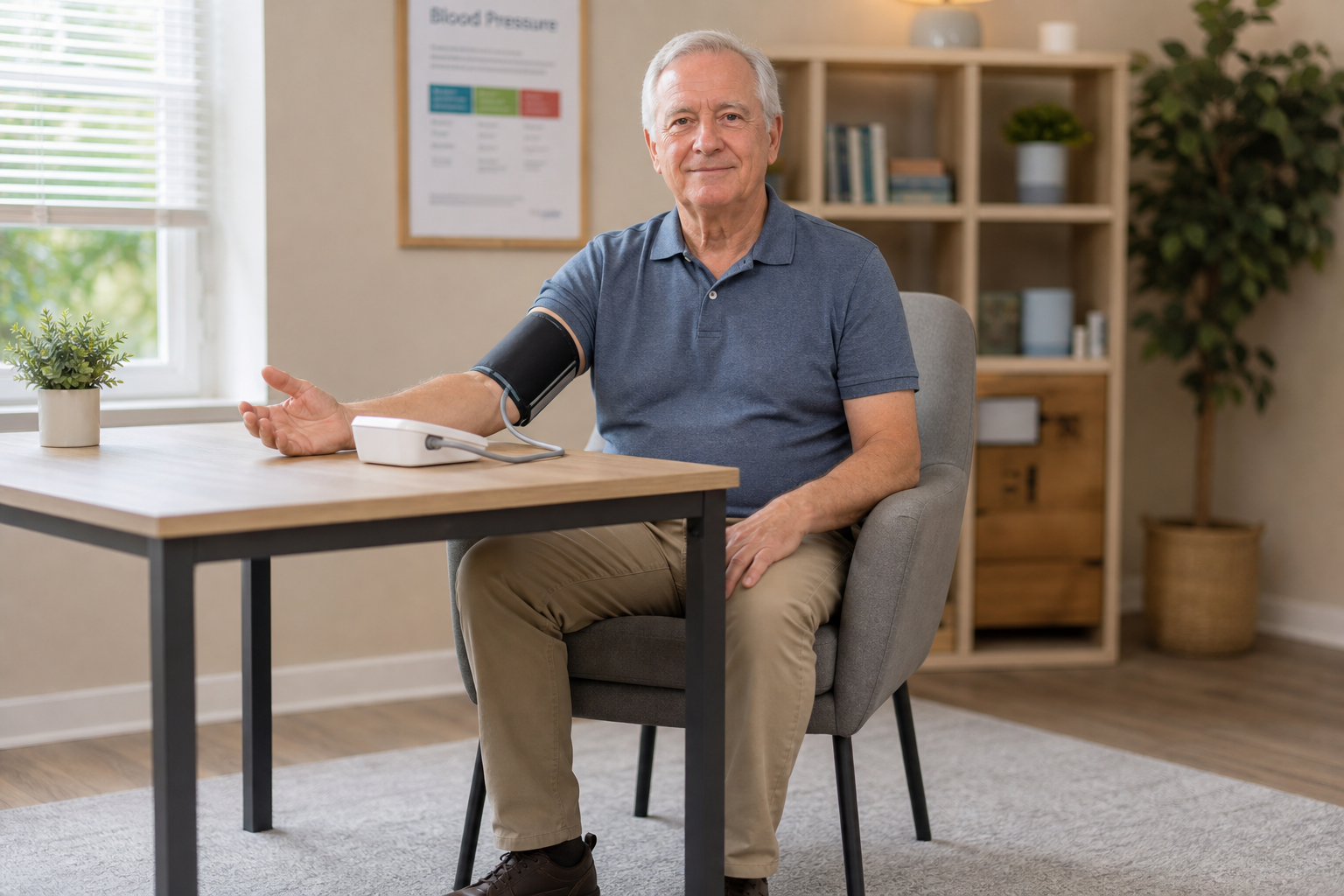
Bad technique gives bad data. Follow these steps every time for consistent, accurate readings.
Cuff Placement
Wrap the cuff around your bare upper arm (not over clothing), about 1 inch above the elbow crease. The bottom edge of the cuff should sit right above the bend of your arm. The cuff should be snug but not tight; you should be able to slide one finger under it.
If the cuff is too loose, your reading will be artificially low. Too tight and you’ll get a falsely high number. Most home monitors come with medium-sized cuffs that fit arms 9-13 inches in circumference. If your arm is larger or smaller, order the appropriate cuff size. A poor fit can skew readings by 10-20 points.
Body Position
Sit in a chair with your back supported, feet flat on the floor (don’t cross your legs), and your arm resting on a table at heart level. Your palm should face upward. Sitting without back support can raise your reading by 5-10 points.
If your arm is below heart level, your reading will be higher than it actually is. If it’s above heart level, the reading will be lower. Use a folded towel or cushion under your arm if needed to get it exactly level with the middle of your chest.
Timing
Sit quietly for 5 minutes before taking a reading. Don’t talk during the measurement. Take two readings 1 minute apart and average them. Caffeine, smoking, and a full bladder all artificially elevate readings.
Exercise, stress, and even the act of rushing to sit down can temporarily spike your numbers. If your first reading seems unusually high, wait a few minutes and take it again. One weird reading doesn’t mean much. A pattern of high readings does.
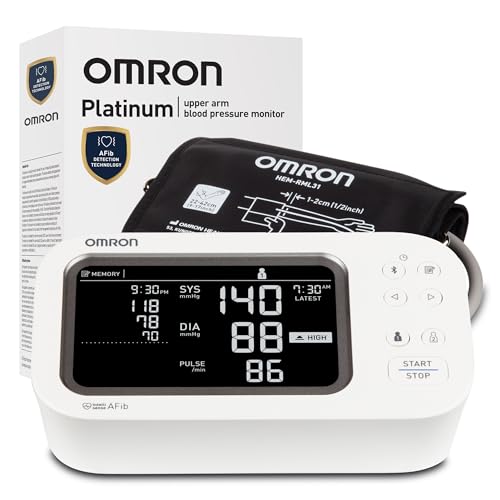
Omron 7 Series Blood Pressure Monitor
Excellent choice with memory storage, irregular heartbeat detection, and easy-to-read display
Omron 10 Series Blood Pressure Monitor
Premium option with advanced features and superior accuracy recommended by cardiologists
A reliable upper-arm blood pressure monitor is essential. Wrist monitors are less accurate, especially in older adults with stiff arteries. Omron is the most recommended brand among cardiologists. The Omron 7 Series and 10 Series are both solid choices with memory storage, irregular heartbeat detection, and large displays that are easy to read. Avoid cheap no-name monitors. The money you save isn’t worth the risk of unreliable data.
Store your monitor on the same table where you take readings. The easier it is to grab and use, the more likely you’ll actually do it. Keep a small notebook or use the monitor’s built-in memory to log readings along with the date, time, and whether it was before or after exercise.
What the Numbers Mean for Exercise
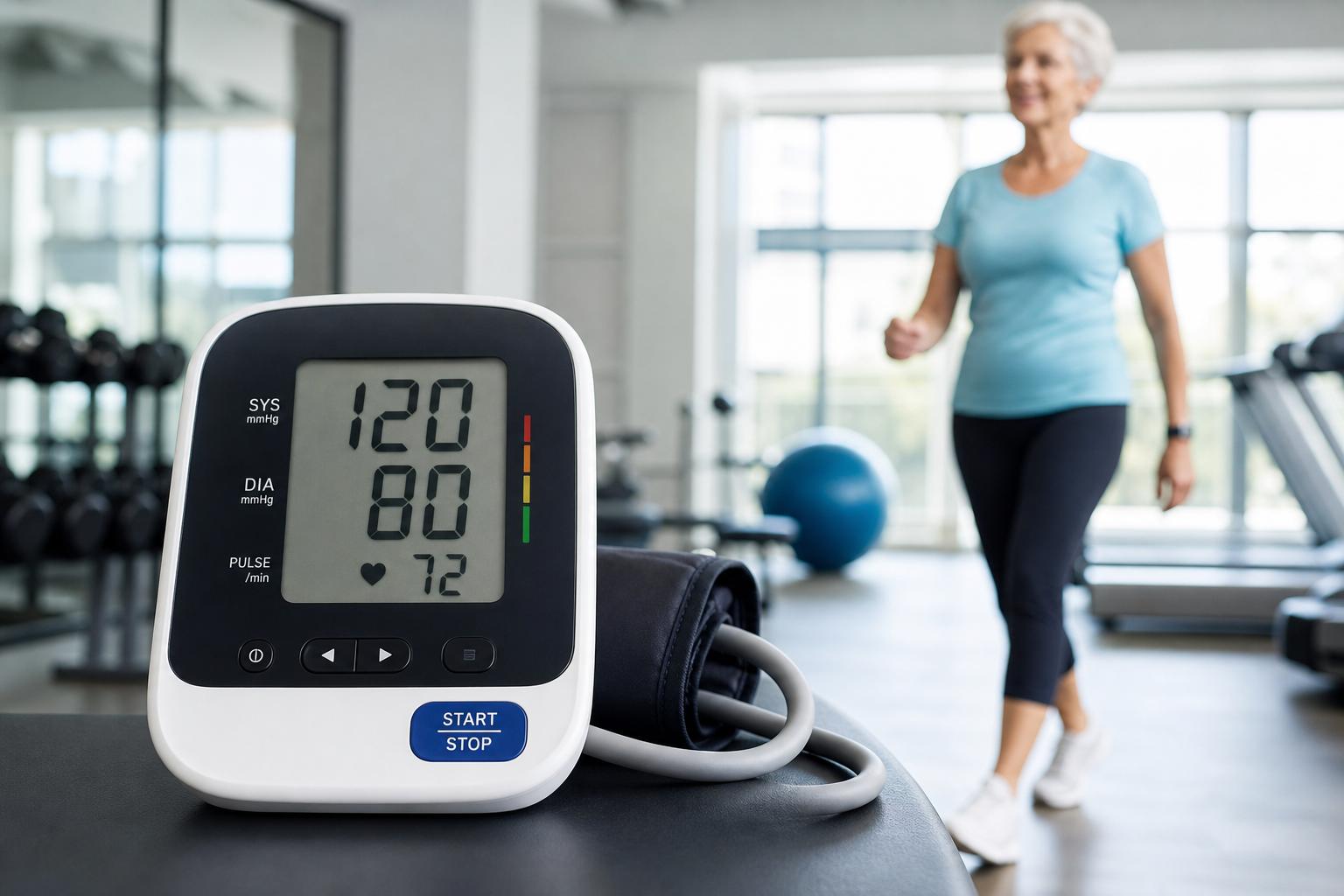
Before Exercise (Resting)
Safe to exercise: Systolic (top number) below 180 and diastolic (bottom number) below 110. Ideally, your resting blood pressure should be below 140/90 with medication, or below 130/80 without.
Do not exercise: Systolic above 180 or diastolic above 110. Rest, retake in 10 minutes, and if it’s still elevated, contact your doctor before working out. Exercising with severely elevated blood pressure increases the risk of stroke, heart attack, and aortic dissection.
If your reading is borderline (160-179 systolic or 100-109 diastolic), you can do light activity like walking at a comfortable pace, but skip anything vigorous. Don’t try to “exercise it down.” That’s not how it works and you could make things worse.
Some mornings your blood pressure will just be higher for no obvious reason. Stress, poor sleep, dehydration, or even a high-sodium meal the night before can all affect your morning reading. If you’re consistently hitting 160+ before exercise, your medication may need adjusting. Track the pattern and show your doctor.
During Exercise
It’s normal for systolic pressure to rise during exercise, sometimes to 160-200 in healthy adults during moderate-to-vigorous activity. Diastolic pressure should stay relatively stable or drop slightly. A diastolic rise of more than 10-15 points during exercise is abnormal and warrants a cardiology evaluation.
You generally don’t need to measure blood pressure during exercise unless your doctor has specifically asked you to. If you feel dizzy, lightheaded, or develop a headache during exercise, stop and check your blood pressure.
Measuring during exercise is awkward and interrupts your workout. It’s hard to get an accurate reading when you’re moving or breathing heavily. If your doctor wants mid-exercise readings, they’ll probably ask you to stop at intervals, sit down, let your heart rate settle for 30-60 seconds, then measure. This is usually only necessary if you have a history of exaggerated blood pressure spikes or if they’re trying to fine-tune your medication.
The exception is if you feel off during a workout. Sudden dizziness, a pounding headache, chest tightness, or vision changes are all reasons to stop, sit down, and check your numbers immediately. Don’t wait until after the workout to confirm what you’re feeling.
After Exercise
Blood pressure should return to near-resting levels within 30-60 minutes of stopping exercise. A phenomenon called “post-exercise hypotension” can cause blood pressure to drop below resting levels for several hours after moderate exercise. This is generally beneficial but can cause dizziness if the drop is significant, especially if you’re on blood pressure medication.
Check your blood pressure 5-10 minutes after you finish exercising and again 30-60 minutes later. The first reading shows how quickly your cardiovascular system starts to recover. The second reading confirms whether you’re returning to baseline or experiencing a prolonged drop.
If you feel lightheaded or woozy after exercise and your systolic has dropped below 100 or your diastolic is under 60, sit or lie down with your legs elevated until it comes back up. Drink water. Don’t drive or do anything requiring balance or quick reactions until you feel steady. This post-exercise drop is more common after longer or more intense workouts, in hot weather, or if you’re dehydrated.
A consistent pattern of excessive post-exercise drops might mean your medication needs adjusting. Bring your log to your next appointment. Your doctor may shift the timing of your dose or lower it slightly.
Target Ranges by Age
- Age 60-64: Target resting BP below 130/80. Exercise systolic range: up to 170-190.
- Age 65-74: Target resting BP below 130/80 (some guidelines allow up to 140/90 for this age group). Exercise systolic range: up to 160-180.
- Age 75+: Target resting BP below 140/90. Exercise systolic range: up to 160-170. Conservative exercise intensity is recommended.
These are general guidelines. Your doctor may set personalized targets based on your health conditions and medications.
Individual variation matters. Someone who’s been lifting weights for years and has no cardiovascular disease might safely hit 200 systolic during a heavy set. Someone with a history of heart issues might need to stay under 160 even during brisk walking. These ranges are starting points, not hard limits that apply to everyone.
If you have kidney disease, diabetes, or a history of stroke, your targets will likely be tighter. If you’re on multiple blood pressure medications or have had your doses adjusted recently, you’ll need closer monitoring during the adjustment period. Your body takes time to adapt to medication changes, and exercise can interact with that process.
Don’t compare your numbers to the person next to you in the gym. Their cardiovascular health, medication regimen, and exercise history are different from yours. Focus on your own patterns and trends.
How Common Medications Affect Exercise Numbers
Beta-blockers (metoprolol, atenolol): Limit heart rate rise during exercise, which means your blood pressure response to exercise will also be blunted. You may not reach the expected exercise systolic range. Use perceived exertion rather than heart rate or blood pressure to gauge intensity.
ACE inhibitors/ARBs (lisinopril, losartan): Generally don’t interfere with exercise response. May increase the post-exercise blood pressure drop slightly.
Calcium channel blockers (amlodipine): Can cause greater post-exercise blood pressure drops and ankle swelling. Stay hydrated and cool down gradually.
Diuretics (hydrochlorothiazide, furosemide): Increase dehydration risk during exercise, which can cause blood pressure instability. Hydrate well before and during exercise.
Alpha-blockers (doxazosin, prazosin): These can cause significant post-exercise blood pressure drops, especially when standing up quickly. Take extra care transitioning from lying or sitting to standing after a workout. Move slowly and give your body time to adjust.
Combination medications: Many people take two or three blood pressure medications together. The interactions between multiple drugs can amplify side effects during exercise. If you’re on a combination regimen, expect more variability in your exercise blood pressure and pay closer attention to how you feel.
Medication timing relative to exercise matters. If you take your morning dose at 7 AM and exercise at 8 AM, you’re working out during the peak effect of the drug, which could lead to lower-than-expected readings or dizziness. If you exercise before taking your medication, your blood pressure might be higher during the workout but drop sharply afterward once the medication kicks in. There’s no one-size-fits-all answer. Experiment with timing (under your doctor’s guidance) and track what works best for your body.
For more guidance on timing your workouts with your body’s natural rhythms, check out our article on morning vs evening exercise for seniors.
When Blood Pressure Readings Should Stop a Workout
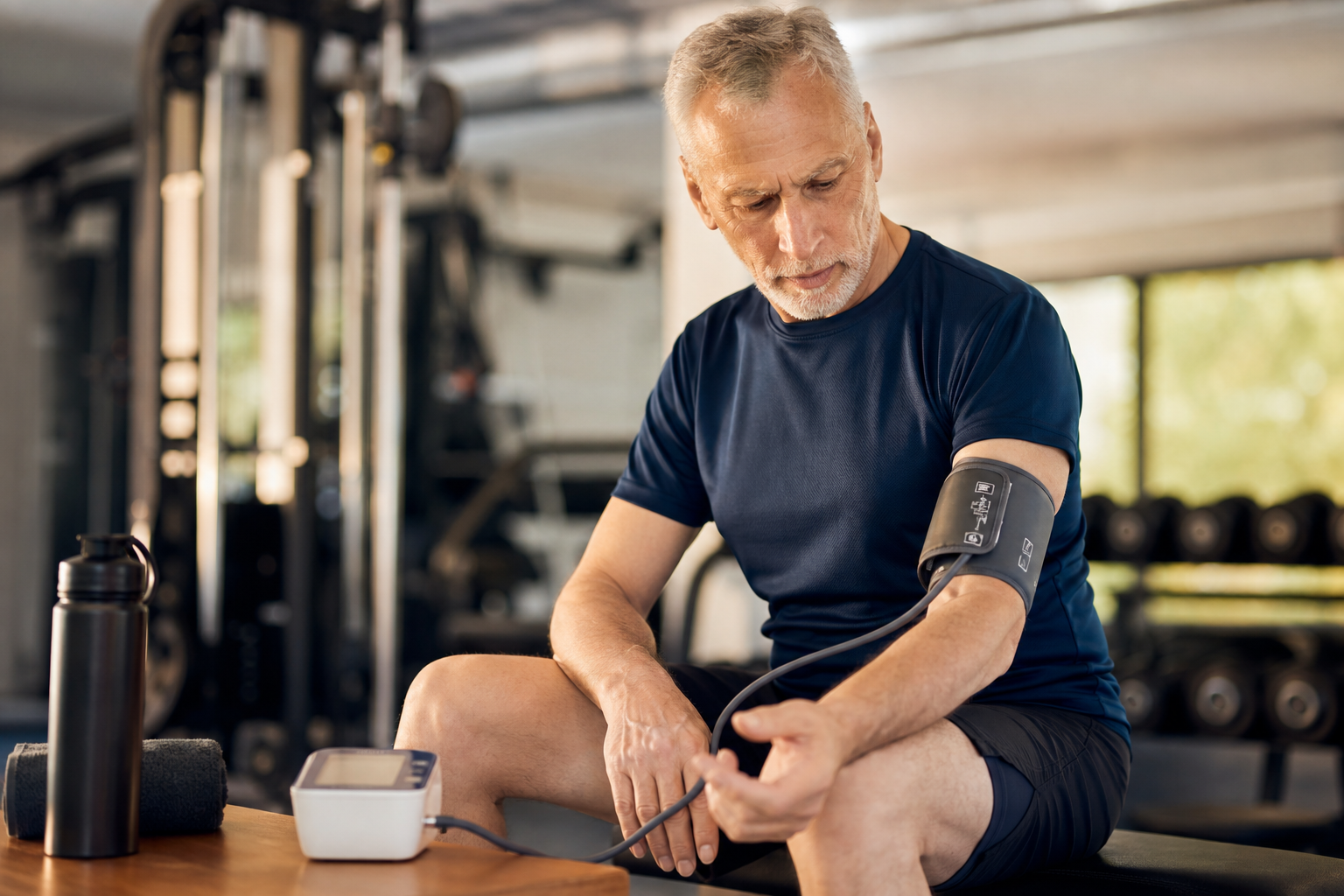
Stop exercising immediately and rest if:
- Your systolic blood pressure exceeds 200 during moderate activity
- Your diastolic pressure rises above 110 at any point
- You feel chest pain, severe headache, or visual changes
- Your blood pressure doesn’t start coming down within 10 minutes of stopping
- You feel dizzy or lightheaded after checking your numbers
Contact your doctor the same day if any of these situations occur. Bring your blood pressure log showing the readings before, during, and after the episode.
Add these to the “stop now” list: sudden shortness of breath that doesn’t match your exertion level, nausea or vomiting during or right after exercise, unusual sweating (cold, clammy skin when you should be warm from exertion), or confusion or difficulty speaking. These can all signal a cardiovascular event in progress.
If your systolic spikes above 220 at any point or you have chest pain with an elevated reading, call 911. Don’t wait to see if it comes down. Don’t drive yourself to the ER. Sit down, stay calm, and get emergency help on the way.
Some people panic when they see a high reading and that panic drives the number even higher. If you hit 200 systolic during exercise but feel fine otherwise, stop, sit down, take slow deep breaths, and recheck in 5 minutes. If it’s dropping and you feel normal, you’re probably okay. If it’s staying up or climbing, you need medical attention.
Tracking and Interpreting Patterns
One high reading doesn’t mean your exercise program is dangerous. One low reading doesn’t prove your medication is wrong. What matters is the pattern over time.
Keep a simple log. Date, time, pre-exercise reading, post-exercise reading (if taken), and any notes about how you felt. After a few weeks, you’ll start to see your normal range. Maybe your pre-exercise baseline is always 125-135 systolic and your post-exercise reading is always 130-145. When you see a reading that’s way outside that pattern, you have context to decide whether it’s a fluke or something worth investigating.
Look for trends. Are your pre-exercise numbers creeping up week after week? That might mean your medication needs adjusting. Are your post-exercise numbers dropping lower and lower? Maybe you’re overtraining or need to increase your hydration. Is there a difference between morning and evening readings? Many people have higher blood pressure in the morning due to natural circadian rhythms and cortisol release.
Share your log with your doctor at every visit. They can spot patterns you might miss and make adjustments before small issues become big ones. A log also helps them understand whether symptoms you report (dizziness, fatigue, headaches) correlate with specific blood pressure patterns.
Consider pairing your blood pressure tracking with a fitness tracking app to get a complete picture of your cardiovascular health and activity patterns.
Equipment Maintenance and Accuracy Checks
Home monitors don’t stay accurate forever. Bring your monitor to your doctor’s office once a year and check it against their professional-grade equipment. Take a reading on your device, then have the nurse or doctor take one on theirs immediately after. They should be within 5 points of each other. If they’re more than 10 points apart, your home monitor may need recalibration or replacement.
Replace batteries regularly. Low batteries cause erratic readings. Most monitors will display a low battery warning, but don’t wait for that. Swap them out every 6-12 months depending on how often you use the device.
Cuffs wear out. The bladder inside the cuff can develop leaks or the Velcro can lose its grip. If your cuff won’t stay fastened or seems to inflate unevenly, replace it. Omron and other major brands sell replacement cuffs separately.
Store your monitor in a cool, dry place. Don’t leave it in a hot car or damp bathroom. Extreme temperatures and humidity can damage the electronics and reduce accuracy.
Frequently Asked Questions
Should I take my blood pressure medication before or after exercise?
Follow your doctor’s instructions. Generally, taking medication at least 1-2 hours before exercise gives it time to take effect and provides protection during your workout. Some people experience exaggerated blood pressure drops if they exercise at the peak of their medication’s effect. Your doctor can help you find the best timing. For those working on