If opening a jar has become a frustrating chore, or your handwriting feels shakier than it used to, you’re not imagining things. Grip strength and hand dexterity naturally decline with age, and for seniors dealing with arthritis, the drop can be even more significant. The good part is that consistent hand exercise actually works. Therapy putty and finger exercisers are inexpensive, easy to use at home, and backed by occupational therapists as some of the most effective tools for rebuilding hand function.
This guide compares the best options available, with specific notes on which tools are gentlest on arthritic hands and which resistance levels to start with. Whether you’re recovering from a stroke, managing rheumatoid arthritis, or simply want to keep your hands strong enough for daily life, there’s a tool here that fits your situation. You might also want to check out our deeper dive into grip strength exercises for hand function and independence to pair with the tools below.
Why Hand Strength Matters More Than Most Seniors Realize
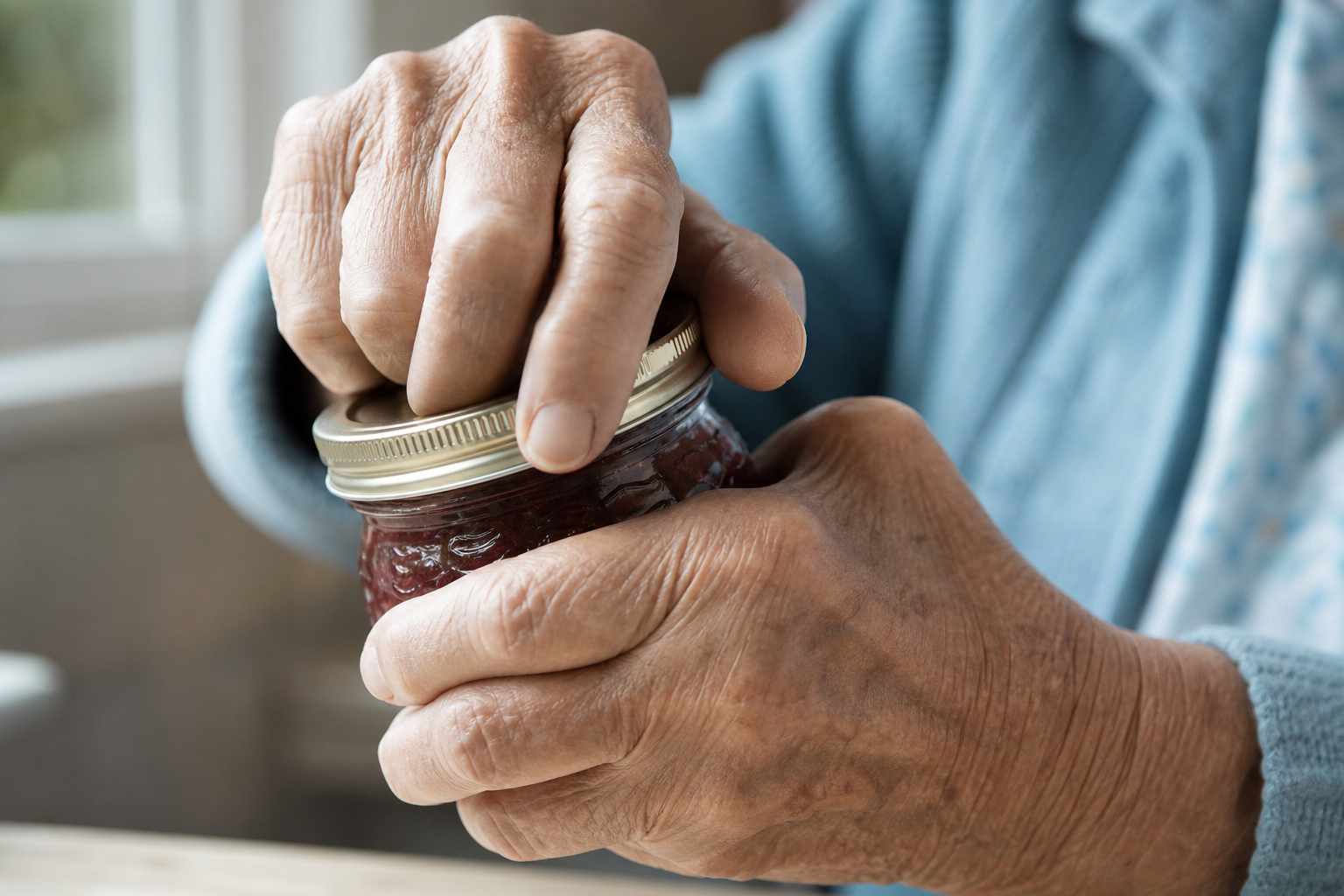
Grip strength is one of the strongest predictors of overall physical health in older adults. Research published in The Lancet found that grip strength decline was associated with higher rates of cardiovascular disease, mobility problems, and even cognitive decline. Your hands aren’t just tools for opening jars. They’re a window into your whole body’s functional health.
For seniors with arthritis, neuropathy, or those recovering from surgery, movement-based therapy consistently outperforms complete rest. The key is finding resistance levels that challenge your muscles without inflaming your joints. That’s exactly where therapy putty and quality finger exercisers come in.
Therapy Putty: Resistance Sets Compared
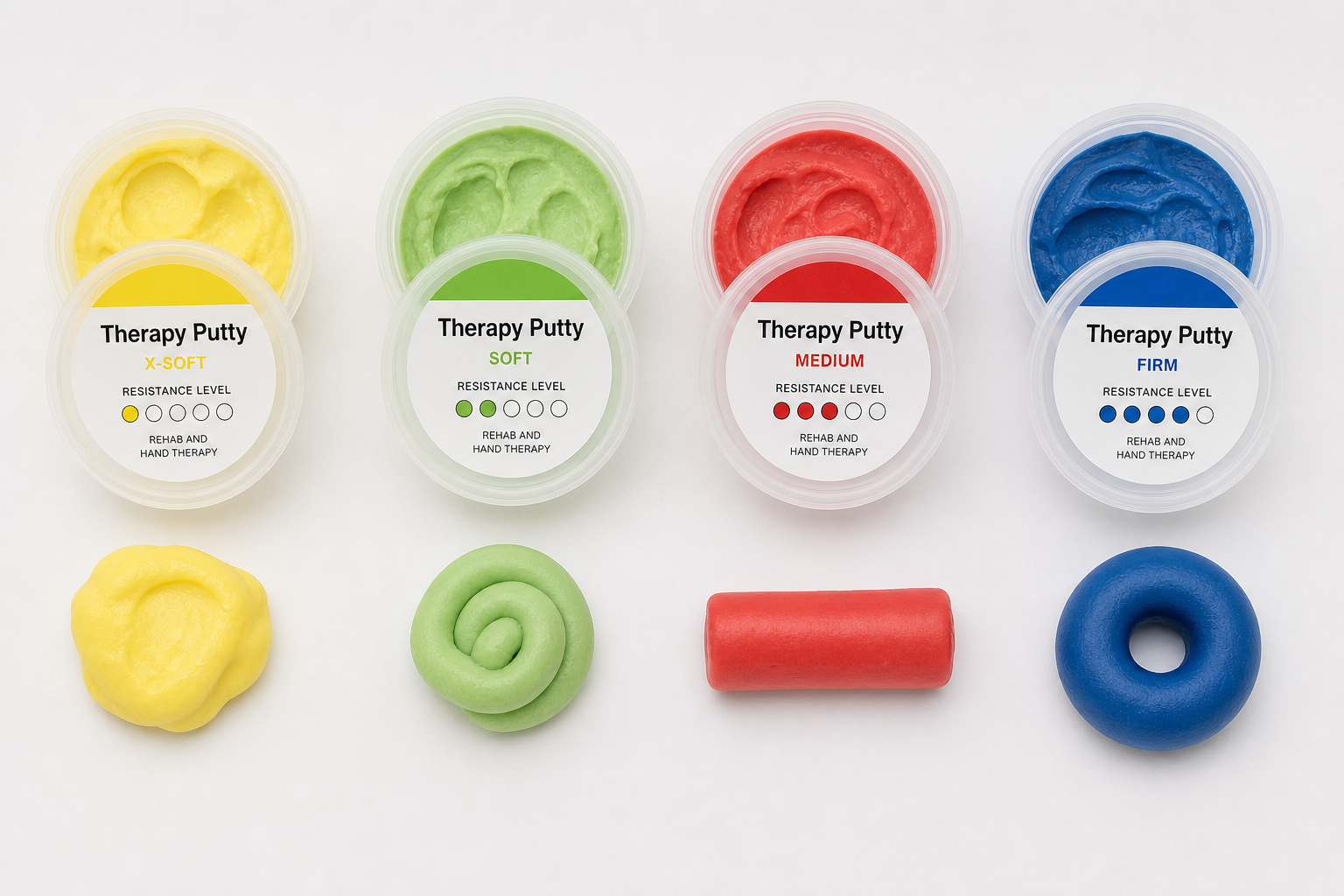
Therapy putty comes in color-coded resistance levels, typically ranging from extra-soft to extra-firm. Most sets use the same general color system: tan or beige for the softest resistance, followed by yellow, red, green, blue, and black as it gets progressively firmer. The exact firmness can vary slightly between brands, so always start at the lowest resistance and work up.
What to Look For in a Putty Set
For seniors, the most useful sets include at least three resistance levels so you can progress over time without buying new putty constantly. Look for putty that’s non-sticky, non-toxic, and won’t dry out quickly. Some cheaper brands get crumbly after a few weeks, which is irritating and wastes money. Silicone-based putty tends to last longer than traditional compounds.
A good hand therapy putty set for seniors typically includes four to six resistance levels and stores in individual containers to prevent drying. Look for sets that clearly label each container by color and resistance level.

TheraPutty Standard Hand Exercise Putty Set
A widely used, occupational therapist-recommended putty set with consistent resistance levels and long-lasting silicone formula.
Best Resistance Levels for Arthritic Hands
If you have arthritis, start with extra-soft or soft resistance only, regardless of how strong you think your hands are. The goal early on is range of motion, not strength. Squeezing against too much resistance when your joints are inflamed will cause a flare, not progress.
Once you can complete 10 to 15 repetitions of each exercise without pain that lingers more than an hour afterward, move up one resistance level. This is the same progression principle used in progressive resistance training, applied to your hands. Most seniors with moderate arthritis find they plateau comfortably at medium or medium-firm resistance after four to six weeks.
Basic Putty Exercises Worth Doing Daily
- Full grip squeeze: Wrap all fingers around a ball of putty and squeeze for three to five seconds. Repeat 10 times per hand.
- Finger extension: Flatten putty into a disc, press your fingers into it, then spread them apart to stretch the putty. This targets the extensors, which most grip tools ignore.
- Pinch and pull: Pinch off small pieces of putty using your thumb and index finger. Great for fine motor control and tasks like buttoning clothes.
- Thumb opposition: Press your thumb into the putty, then roll it across to touch each fingertip, pushing through the putty’s resistance.
Finger Exercisers: The Best Hand Tools Beyond Putty
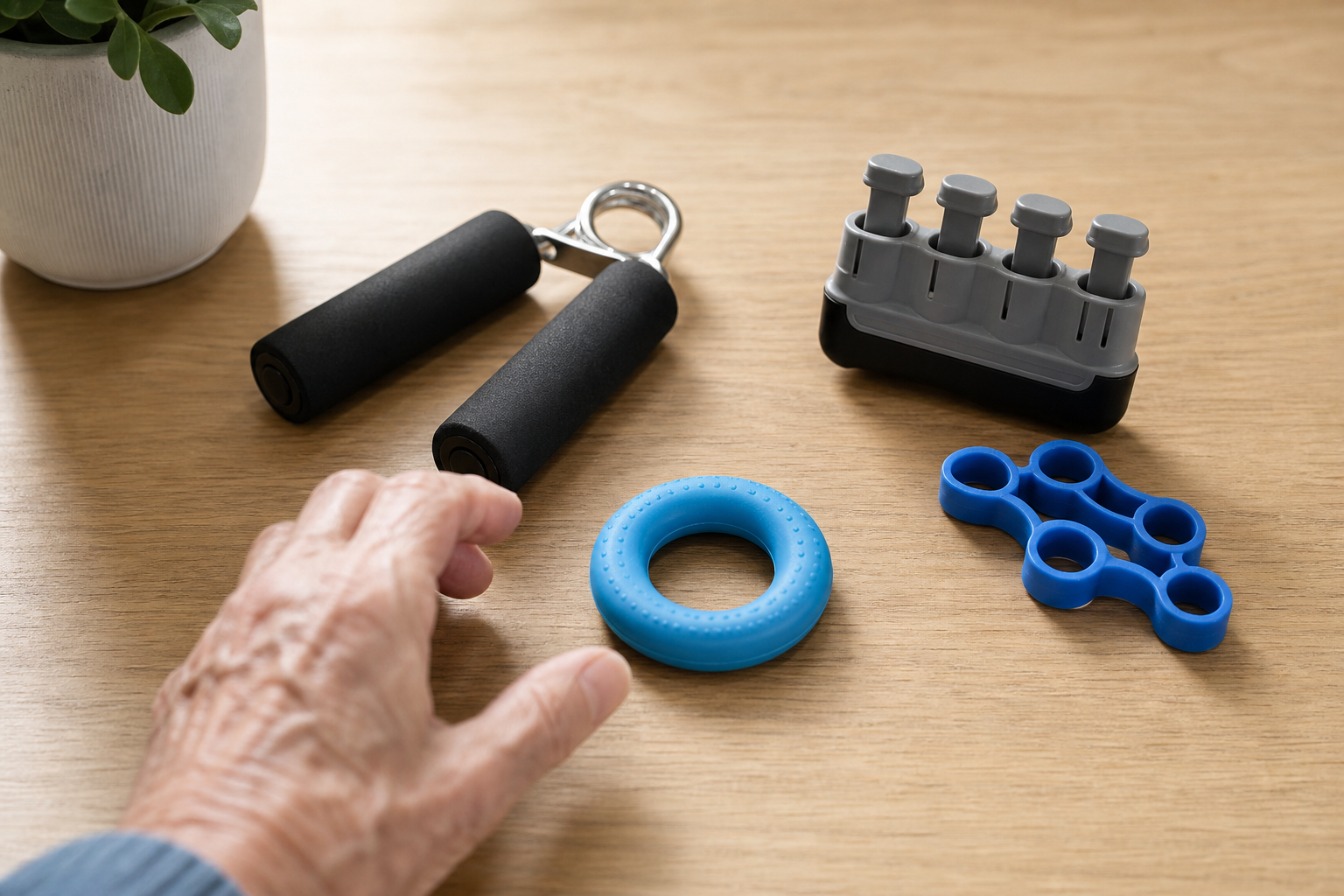
Putty is excellent for overall hand conditioning, but dedicated finger exercisers let you target individual fingers and specific movement patterns more precisely. There are three main types worth considering: resistance rings, hand grip trainers, and finger extension devices.
Resistance Rings (Digi-Flex Style)
These are individual rubber rings or button-style exercisers that let you work one finger at a time. The Digi-Flex system is the gold standard here. It’s a platform with four individual finger buttons and one palm button, each with independent resistance. You can replace individual buttons as you progress without buying a whole new device.
For arthritic hands, this per-finger control matters a lot. If your ring finger joint is inflamed on a given day, you can skip that button and still work the others. It’s a level of customization that a standard grip ball simply doesn’t offer.

Digi-Flex Hand and Finger Exerciser
Lets you train each finger independently with replaceable resistance buttons, making it ideal for arthritic hands that have uneven strength.
Hand Grip Trainers
Classic spring-loaded grip trainers are effective, but many are too stiff out of the box for older adults. Look for adjustable models that let you dial down the resistance to a comfortable starting point. Fixed-resistance grippers marketed to gym enthusiasts usually start at resistance levels that are too high for seniors with compromised hand strength.
A good adjustable hand grip strengthener with a wide range is far more useful than a cheap fixed-resistance version. Check that the handles are padded or contoured, since hard metal handles are uncomfortable during longer sessions.
Finger Extension Devices
Most grip tools only train the flexors, the muscles that close your hand. But if you have arthritis or have had a stroke, weak extensors (the muscles that open your hand) are often the bigger problem. Finger extension exercisers look like small silicone rings that fit over all five fingers. You open your hand against the resistance instead of closing it.
Finger extension exercise bands typically come in sets of multiple resistance levels and are surprisingly affordable. Occupational therapists often prioritize these for post-stroke rehabilitation and for anyone who finds their hand tends to curl inward at rest.

Finger Extension Exercise Band Set
Targets the overlooked extensor muscles to balance grip strength and improve full hand opening, especially useful after stroke or for arthritic hands.
Supporting Your Hand Health Beyond Exercise
The tools above will make a real difference, but hand health doesn’t exist in isolation. Chronic inflammation is the enemy of joint function, and what you eat genuinely affects how your hands feel during exercise. An anti-inflammatory diet can reduce the baseline inflammation that makes hand exercises feel more painful than they need to.
Omega-3 fatty acids in particular have strong evidence for reducing joint stiffness. If your diet doesn’t include much fatty fish, it’s worth reading about omega-3 supplements for senior joint health to see if supplementing makes sense for you. Small nutritional adjustments can meaningfully change how your hands respond to exercise.
You should also think about timing your hand exercises thoughtfully. Arthritic hands are typically stiffest first thing in the morning. A brief warm-up, even just holding a warm mug for a few minutes, before starting putty exercises can reduce discomfort significantly. Save your more challenging resistance work for mid-morning when joints have loosened up.
Frequently Asked Questions
What resistance level of therapy putty should a beginner senior start with?
Start with extra-soft or soft resistance, typically the tan or yellow putty in most color-coded sets. This is true even if you don’t have arthritis. Starting too firm leads to soreness that discourages continued use. You can always progress to firmer resistance after two to three weeks of consistent daily sessions.
Can therapy putty actually help with arthritis, or does it make it worse?
Used correctly, therapy putty helps most people with osteoarthritis and can help those with rheumatoid arthritis when joints are not actively inflamed. The key rule is to stop exercising if you have sharp pain during a movement or if post-exercise soreness lasts more than two hours. Always check with your doctor or occupational therapist before starting if you have RA, since flares require a modified approach. For more context on exercising with arthritis, see our guide to arthritis-friendly exercises for seniors.
How often should seniors do hand exercises with putty or finger tools?
Most occupational therapists recommend five to seven days per week for maintenance, with sessions of 10 to 15 minutes. This is a case where daily, brief practice beats occasional longer sessions. Consistency matters more than intensity for hand rehabilitation and grip maintenance.
Final Thoughts
You don’t need expensive equipment or a clinic visit to start rebuilding hand strength. A quality therapy putty set and one or two finger exercisers cover most of what you need for a complete home program. Start soft, focus on both flexion and extension, and be consistent. Your hands will thank you in the form of easier daily tasks, better grip on sports equipment like in pickleball, and less discomfort over time.
This article contains affiliate links. We may earn a small commission at no extra cost to you.