Joint discomfort is one of the most common reasons seniors start looking into supplements, and omega-3 fatty acids are usually near the top of the list. The marketing around fish oil can make it sound like a miracle fix, but the actual research is more nuanced than that. Understanding what omega-3s can and cannot do for your joints will help you make a smarter decision about whether they belong in your routine.
This article breaks down the evidence honestly, covers the best food sources, and helps you figure out what to look for if you decide to try a supplement. No hype, just a clear look at what the science says.
What the Research Actually Shows
The most consistent finding in omega-3 research is that EPA and DHA, the two main fatty acids found in fish oil, can help reduce inflammatory markers in the body. Inflammation is a central driver of joint discomfort, particularly in conditions like rheumatoid arthritis, so this connection makes sense biologically.
For rheumatoid arthritis specifically, the evidence is fairly solid. Multiple clinical trials have found that regular omega-3 supplementation can reduce morning stiffness, tender joint counts, and the need for NSAIDs like ibuprofen. A 2020 meta-analysis published in Nutrients found statistically significant improvements in joint pain and stiffness among rheumatoid arthritis patients taking fish oil supplements compared to placebo groups.
For osteoarthritis, which is the more common wear-and-tear joint condition in older adults, the results are more mixed. Some studies show modest reductions in pain and stiffness, while others show no significant difference compared to placebo. The honest assessment is that omega-3s are more likely to help if inflammation is a meaningful part of your joint problem, and less likely to help if the issue is primarily structural.
If joint pain is significantly affecting your movement, pairing nutrition support with appropriate exercise is important. Our guide on arthritis-friendly exercises for seniors covers movement strategies that complement any dietary approach.
Food Sources Worth Prioritizing

Before jumping to supplements, it’s worth looking at whether you can meaningfully increase omega-3 intake through food. Whole food sources come with additional nutrients, tend to be better absorbed, and don’t carry the supplement quality concerns discussed below.
The best dietary sources include:
- Fatty fish: Salmon, mackerel, sardines, herring, and trout are the richest sources of EPA and DHA. Two to three servings per week is a commonly recommended target.
- Canned sardines and mackerel: Often overlooked, but they’re affordable, convenient, and pack a significant omega-3 load per serving.
- Walnuts and flaxseeds: These provide ALA, a plant-based omega-3. Your body converts ALA to EPA and DHA, but the conversion rate is low, so plant sources alone may not be enough if your goal is joint support.
- Chia seeds: Another good plant-based ALA source, easy to add to yogurt or oatmeal.
If you’re already following an anti-inflammatory diet, you may already be getting more omega-3s than you realize. A dietary review before buying supplements is always a reasonable first step.
Supplement Quality: What to Look For

If you decide a supplement makes sense for you, quality matters more than brand names or marketing claims. The fish oil supplement market has a real consistency problem, and not all products deliver what the label promises.
EPA and DHA Content
The total “fish oil” milligrams on the front of the bottle is not the number that matters. Flip to the supplement facts panel and look at the EPA and DHA amounts specifically. Most research showing joint benefits used combined daily doses in the range of 2,000 to 3,000 mg of EPA plus DHA. Many cheap supplements deliver only 300 to 600 mg per serving, meaning you’d need multiple capsules to reach a meaningful dose.
Molecular Form
Fish oil comes in different molecular forms: natural triglycerides, ethyl esters, and re-esterified triglycerides. The natural triglyceride and re-esterified triglyceride forms are generally better absorbed than ethyl esters. Look for these terms on the label or the brand’s website. It won’t always be listed prominently, but it’s worth checking.
Third-Party Testing
Look for products that carry verification from organizations like IFOS (International Fish Oil Standards), NSF International, or USP. These third-party certifications mean an independent lab has confirmed that the product contains what the label claims and meets purity standards for contaminants like heavy metals and PCBs.
Freshness matters too. Oxidized fish oil doesn’t just smell bad, it may actually be less effective and could cause some of the GI complaints people associate with fish oil. A fishy smell when you open the bottle is a sign the oil has oxidized. Fresh fish oil should have a mild smell, not a strong or rancid one.

Nordic Naturals Ultimate Omega
One of the most consistently reviewed fish oil supplements for high EPA/DHA content, re-esterified triglyceride form, and IFOS certification.
For those who follow a plant-based diet or simply prefer to avoid fish products, algae-based omega-3 supplements are worth considering. Algae is actually where fish get their omega-3s in the first place, so algae oil delivers EPA and DHA directly without going through fish as an intermediary.
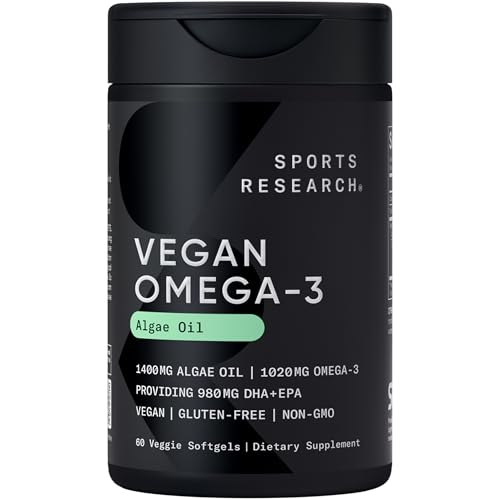
Algae Omega-3 Supplement
A clean, sustainable source of EPA and DHA for those avoiding fish oil, with absorption comparable to fish-based supplements.
If you’re also exploring other supplements for joint comfort, it’s worth reading about collagen supplements for joint and skin health since some seniors combine collagen and omega-3s as part of a broader joint support strategy.
Practical Considerations for Seniors

Omega-3 supplements are generally well tolerated, but there are a few things worth knowing before you start.
Fish oil has mild blood-thinning properties. If you’re taking anticoagulant medications like warfarin or newer blood thinners, talk to your doctor or pharmacist before starting a high-dose omega-3 supplement. This is especially relevant for anyone managing heart conditions. Our resource on medication timing for seniors covers how various supplements and medications can interact with daily routines.
Taking fish oil with a meal that contains fat improves absorption and reduces the chance of GI discomfort. Splitting your dose across two meals rather than taking it all at once can also help with tolerance.
Give any supplement a fair trial before deciding it’s not working. Most studies showing benefits ran for at least 8 to 12 weeks. If you try it for two weeks and don’t notice anything, that’s not a meaningful test.
Omega-3s also pair well with vitamin D, which supports bone and muscle health and is another commonly deficient nutrient in older adults. Many seniors take both together as part of a baseline nutrition strategy.
Frequently Asked Questions
How long does it take for omega-3s to help with joint pain?
Most clinical trials that showed meaningful benefits ran for at least 8 to 12 weeks. Omega-3s work through gradual changes in inflammatory pathways, not through immediate pain relief like an NSAID. If you’re evaluating whether a supplement is working, give it at least two to three months before drawing conclusions.
Is krill oil better than fish oil for joint health?
Krill oil is often marketed as superior because its omega-3s are bound to phospholipids, which may improve absorption. Some studies do show better absorption per milligram with krill oil. The tradeoff is that krill oil products typically deliver fewer total milligrams of EPA and DHA per capsule, which can make reaching a therapeutic dose more expensive. For most people, a quality fish oil with adequate EPA and DHA content is a practical and effective choice.
Can I get enough omega-3s from food alone?
If you’re eating fatty fish two to three times per week, you may be getting close to the amounts used in joint health research. The challenge is that many people don’t eat fish that consistently, and plant-based sources like flaxseed don’t convert efficiently to the EPA and DHA your joints actually use. If fish is a regular part of your diet, a supplement may not be necessary. If it isn’t, a supplement is a reasonable way to fill the gap.
The Bottom Line
Omega-3 fatty acids have a legitimate evidence base for joint comfort, particularly for inflammatory conditions like rheumatoid arthritis. For osteoarthritis, the benefits are more modest and less consistent. The key is using a quality product with an adequate dose of EPA and DHA, giving it enough time to work, and not expecting it to replace other strategies like appropriate exercise, a balanced diet, and medical care when needed.
If you’re building a broader approach to joint health, check out our guide on omega-3 supplements for senior joint health for additional context on dosing and product selection.
Supplements work best as part of a bigger picture, not a standalone solution. A well-rounded approach to nutrition, movement, and recovery is still the foundation.
This article contains affiliate links. We may earn a small commission at no extra cost to you.