Getting enough protein as you get older isn’t optional. After 60, your body becomes less efficient at using dietary protein to build and repair muscle, which means you actually need more of it than you did in your 30s. Protein bars can be a genuinely helpful tool for hitting those daily targets, especially on busy days or after a workout. But not all bars are created equal, and plenty of them are basically glorified candy bars with a protein label slapped on.
This guide cuts through the noise. We’ll look at what actually matters when choosing a protein bar as a senior, flag the ingredients worth avoiding, and recommend specific options that are gentle on sensitive teeth and aging digestive systems. If you want to understand how protein bars fit into your broader nutrition picture, our Protein Powder Guide for Seniors Over 70 is a great companion read.
What Seniors Should Actually Look for on the Label
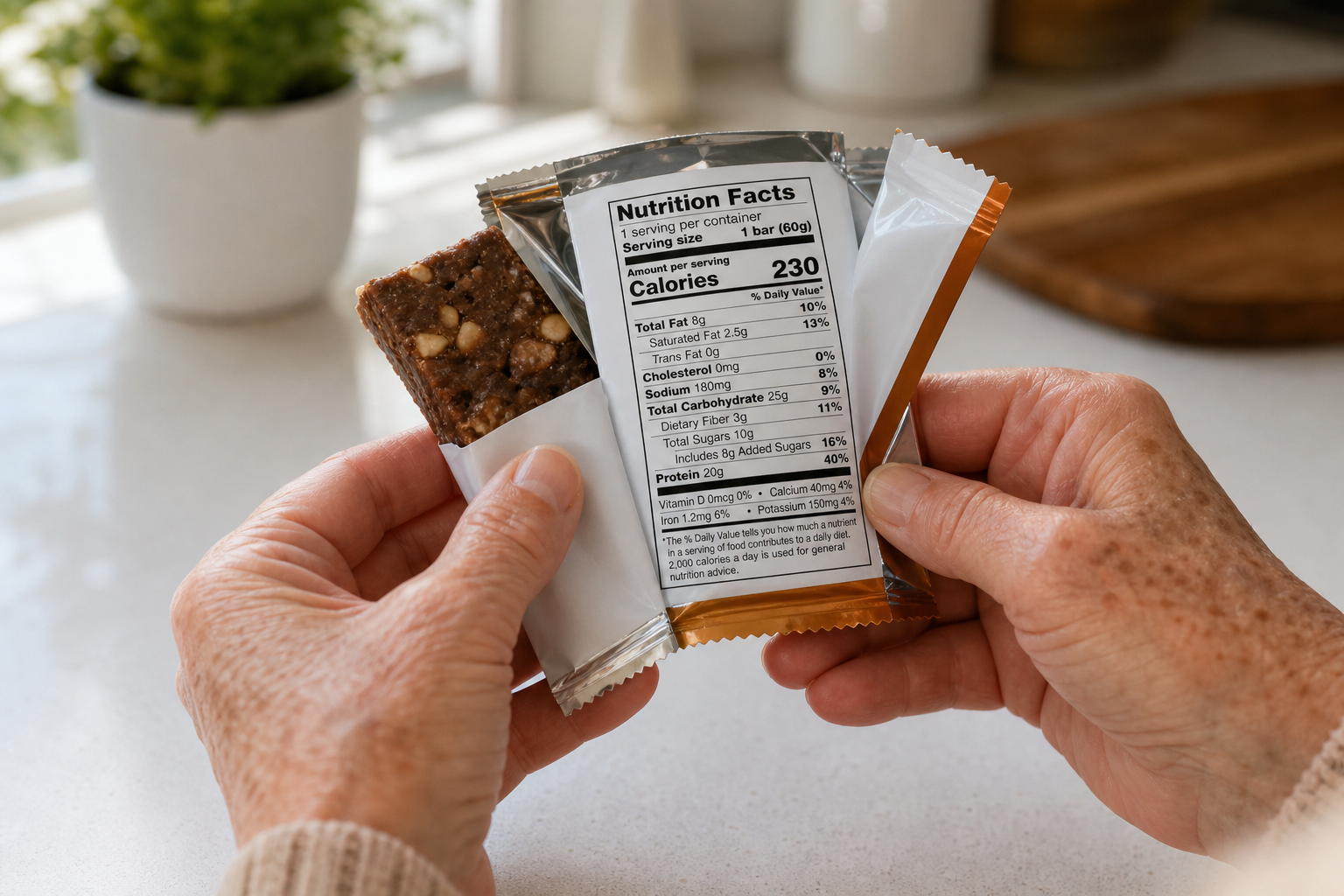
Before you grab whatever’s on sale, there are four things worth checking on every bar you consider. Ignore any of them and you could end up with something that undermines your health goals rather than supporting them.
Protein Content and Source
Aim for at least 10 to 20 grams of protein per bar. Anything under 10 grams is more of a snack than a protein supplement. Whey protein is the gold standard for muscle protein synthesis, and whey isolate in particular is easy on the stomach. Casein is a slower-digesting option that works well as an evening snack. Plant-based proteins like pea or brown rice protein are solid alternatives if you’re lactose intolerant, though look for bars that combine two plant sources for a complete amino acid profile.
For seniors doing resistance training, getting protein within a couple of hours of your workout matters. Our article on post-workout recovery meals for seniors explains the timing in more detail.
Sugar Content
This is where most “healthy” bars fall apart. Many popular bars contain 20 to 30 grams of sugar, which is roughly the equivalent of a candy bar. For seniors managing blood sugar, watching weight, or just trying to eat cleaner, that’s a problem. Try to stay under 10 grams of total sugar, and ideally under 5 grams. Watch out for sneaky sweeteners like brown rice syrup, honey, and cane syrup near the top of the ingredients list. They’re still sugar.
Fiber and Digestive Comfort
Fiber helps with blood sugar regulation and keeps digestion moving, but too much of the wrong kind can cause real discomfort. Many protein bars use chicory root fiber (inulin) as a low-cost filler, and it’s a common trigger for bloating and gas, especially in older adults. Look for bars with 3 to 6 grams of fiber from sources like oats, flaxseed, or soluble corn fiber, which tend to be gentler. Digestive comfort is closely tied to gut health overall, so if you find yourself sensitive to many bars, check out our gut health and digestion tips for active seniors for a broader approach.
Chewability and Texture
This doesn’t get talked about enough. Many bars are rock-hard or incredibly chewy, which is genuinely problematic if you have dental work, sensitive gums, or jaw discomfort. Bars that soften at room temperature, have a cake-like texture, or are described as “soft baked” are generally much better choices. Avoid anything with hard caramel layers, large clusters of nuts, or brittle coatings if dental sensitivity is a concern.
Our Top Picks for Senior-Friendly Protein Bars
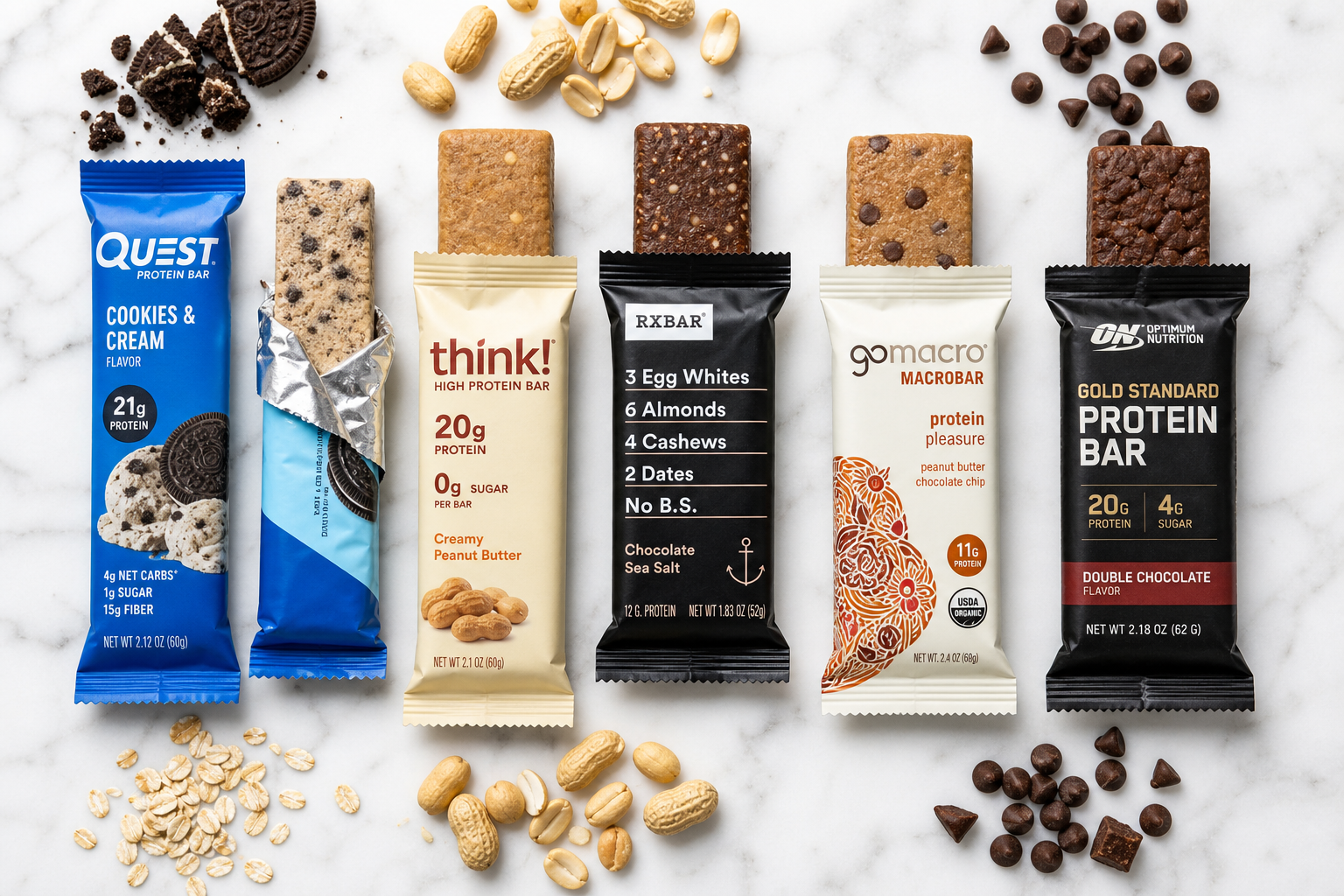
These aren’t just the most popular bars on Amazon. These are chosen specifically because they hit the right protein range, keep sugar low, use digestive-friendly fiber sources, and have textures that won’t punish your teeth.
Premier Protein Bars
Premier Protein Bars consistently deliver around 30 grams of protein with relatively low sugar, typically around 5 grams. They’re widely available, come in several flavors, and have a softer, fudge-like texture that most people with sensitive teeth handle easily. The main protein source is milk protein isolate, which digests well for most adults.

Premier Protein Bars
High protein, low sugar, and soft enough for sensitive teeth, making them one of the most practical daily options for older adults.
One thing to keep in mind: Premier bars do contain some sucralose as a sweetener. Most people tolerate it fine, but if you’re sensitive to artificial sweeteners, it’s worth knowing upfront.
RXBARs
RXBARs are appealing because the ingredient list is genuinely clean: egg whites, dates, and nuts, nothing artificial. You get around 12 grams of protein per bar. The texture is dense and chewy, which works for some people but may be too tough if your teeth or jaw are sensitive. They’re a better fit for seniors who prefer whole-food ingredients over those who need maximum softness.
Think! (thinkThin) High Protein Bars
Think! protein bars offer around 20 grams of protein, are gluten-free, and generally contain zero grams of sugar in many of their varieties. They use a combination of protein sources including whey and milk protein isolate. The texture is similar to a thick brownie in certain flavors, which makes them comfortable to eat. They’re a particularly good choice for seniors managing blood sugar.

Think! High Protein Bars
Zero grams of sugar in many varieties with 20g of protein, a strong pick for seniors watching blood sugar without sacrificing taste.
Orgain Organic Protein Bars
For those who prefer plant-based options, Orgain Organic Protein Bars combine organic pea and brown rice protein for a complete amino acid profile, with around 10 grams of protein per bar. They tend to be softer in texture, organic, and lower in sugar than many competitors. They won’t give you the same protein punch as whey-based bars, but they’re a clean, digestive-friendly option for those avoiding animal products.
Ingredients to Avoid
A few things consistently show up in bars that are worth steering clear of, especially as a senior.
- High sugar alcohols in large amounts: Maltitol in particular can cause significant digestive distress. Erythritol is much gentler.
- Chicory root or inulin as the main fiber source: Fine in small amounts, but often causes bloating when it’s listed high on the ingredient list.
- Hydrogenated oils: Some cheaper bars still include these. Skip them.
- More than 25 grams of sugar: At that point, you’re better off eating a piece of fruit and a handful of nuts.
- Very long ingredient lists with unrecognizable names: Doesn’t always mean bad, but it’s a flag worth noticing.
If you’re focused on keeping inflammation down as part of your overall diet, our guide to the anti-inflammatory diet for active seniors pairs well with making smarter snack choices like these.
How to Use Protein Bars Without Overdoing It

Protein bars are a supplement to a real diet, not a replacement for it. One bar a day is typically plenty. Think of them as a convenient option after a workout, a midday snack when you can’t get a full meal in, or a travel backup when you’re away from your kitchen. Our article on pre-workout nutrition for senior athletes breaks down when protein timing matters most if you’re training regularly.
Keep an eye on total daily protein across all your meals. Most seniors benefit from 1.0 to 1.2 grams of protein per kilogram of body weight per day, and some research supports going slightly higher if you’re doing consistent strength training. A bar can help fill gaps, but whole foods like eggs, Greek yogurt, chicken, and fish should still be doing most of the heavy lifting.
Frequently Asked Questions
How much protein do seniors actually need per day?
Most nutrition researchers now suggest that older adults need more protein than the general recommended daily allowance, which was designed for younger adults. A practical target for most seniors is somewhere between 1.0 and 1.4 grams of protein per kilogram of body weight per day. For a 150-pound person, that’s roughly 68 to 95 grams of protein daily. A good protein bar can contribute 10 to 30 grams toward that total.
Are protein bars safe for seniors with diabetes or blood sugar concerns?
Many are, but you have to read the label carefully. Bars with zero grams of added sugar and low total carbohydrates are the safest choice. The Think! bar line and Quest bars are frequently recommended for people watching blood sugar. Always check with your doctor or dietitian if you’re managing diabetes, since some sweeteners and high protein loads can interact with certain medications or conditions.
What’s the best protein bar for someone with dentures or very sensitive teeth?
Soft-baked bars and bars with a fudge-like texture are your best bets. Premier Protein bars, certain flavors of Think! bars, and any bar labeled “soft baked” tend to be the most comfortable. Avoid anything with hard caramel, large pieces of almonds or walnuts, or a crunchy coating. When in doubt, let the bar sit at room temperature for a bit before eating, as most bars soften noticeably as they warm up.
Finding the right protein bar takes a little trial and error, but once you land on one or two that agree with your stomach and your teeth, they become a reliable part of your daily nutrition toolkit. Start with the options above, check the label before buying anything new, and remember that consistency matters more than perfection.
This article contains affiliate links. We may earn a small commission at no extra cost to you.