Starting strength training at 70 or older might feel intimidating, but it’s one of the best decisions you can make for your independence, your bones, and your overall quality of life. Research consistently shows that older adults who lift weights maintain better balance, stronger bones, and greater muscle mass than those who don’t. You don’t need to be an athlete to benefit. You just need to start.
This guide walks you through everything from warming up on day one to building a safe, progressive routine that actually gets results. No gym experience required.
Why Strength Training Matters More After 70
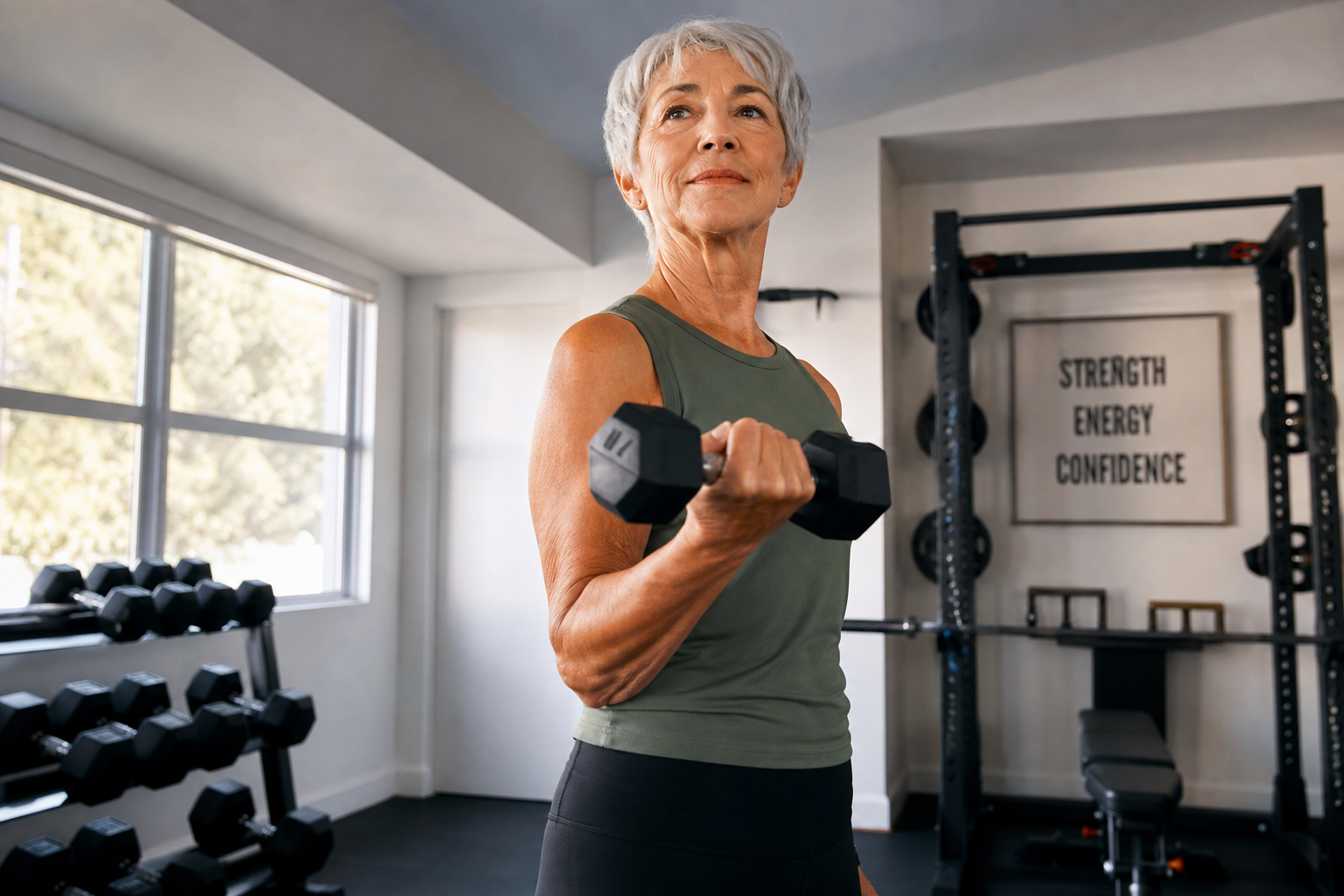
After age 70, adults can lose up to 1-2% of muscle mass per year without resistance training. That’s not just a fitness concern. It affects how easily you get up from a chair, carry groceries, or catch yourself if you stumble. Strength training directly counters that decline.
Beyond muscle, lifting weights improves bone density, which is critical if you’re concerned about osteoporosis. Check out the Osteoporosis Exercise Plan for Bone Strength if that’s a priority for you. Weight training also supports better posture, which reduces back and neck pain over time.
If you’re on medications, especially blood pressure drugs or diuretics, it’s worth reading about blood pressure medication and exercise precautions before you begin. Always clear a new exercise program with your doctor first, particularly if you have a recent surgery, cardiovascular condition, or joint replacement history.
How to Warm Up Properly
Never skip the warm-up. Cold muscles are far more prone to strain, and your connective tissue takes longer to warm up as you age. A good warm-up takes just 8 to 10 minutes.
Start with 3 to 5 minutes of light walking in place or along a hallway. Then move into some gentle dynamic movements: arm circles, leg swings, hip circles, and slow bodyweight squats. These get blood flowing to the muscles you’re about to use.
Avoid static stretching before lifting. Holding a stretch cold can actually reduce force production. Save that for after your session when your muscles are warm and pliable.
Choosing the Right Starting Weight
This is where most beginners go wrong. They either pick up weights that are too heavy and strain something, or they grab weights so light there’s no real training effect. The sweet spot is a weight you can lift for 12 to 15 repetitions with good form, where the last two reps feel genuinely challenging but not painful.
For most people over 70 just starting out, that means starting with dumbbells in the 3 to 8 pound range for upper body exercises, and perhaps 8 to 15 pounds for lower body work. Everyone is different. Let your form, not your ego, guide the choice.
A pair of adjustable dumbbells is the most practical investment for home training. They let you increase the weight gradually without buying a whole rack. You can find a solid beginner dumbbell set that will serve you well through multiple months of progressive training.

Adjustable Dumbbell Set for Seniors
An adjustable set eliminates the need for multiple fixed-weight dumbbells and makes it easy to progress gradually as you get stronger.
If you’re setting up a dedicated space at home, the Budget-Friendly Home Gym Setup for Seniors guide covers exactly what gear gives you the most value without overcomplicating things.
Key Compound Movements to Learn First
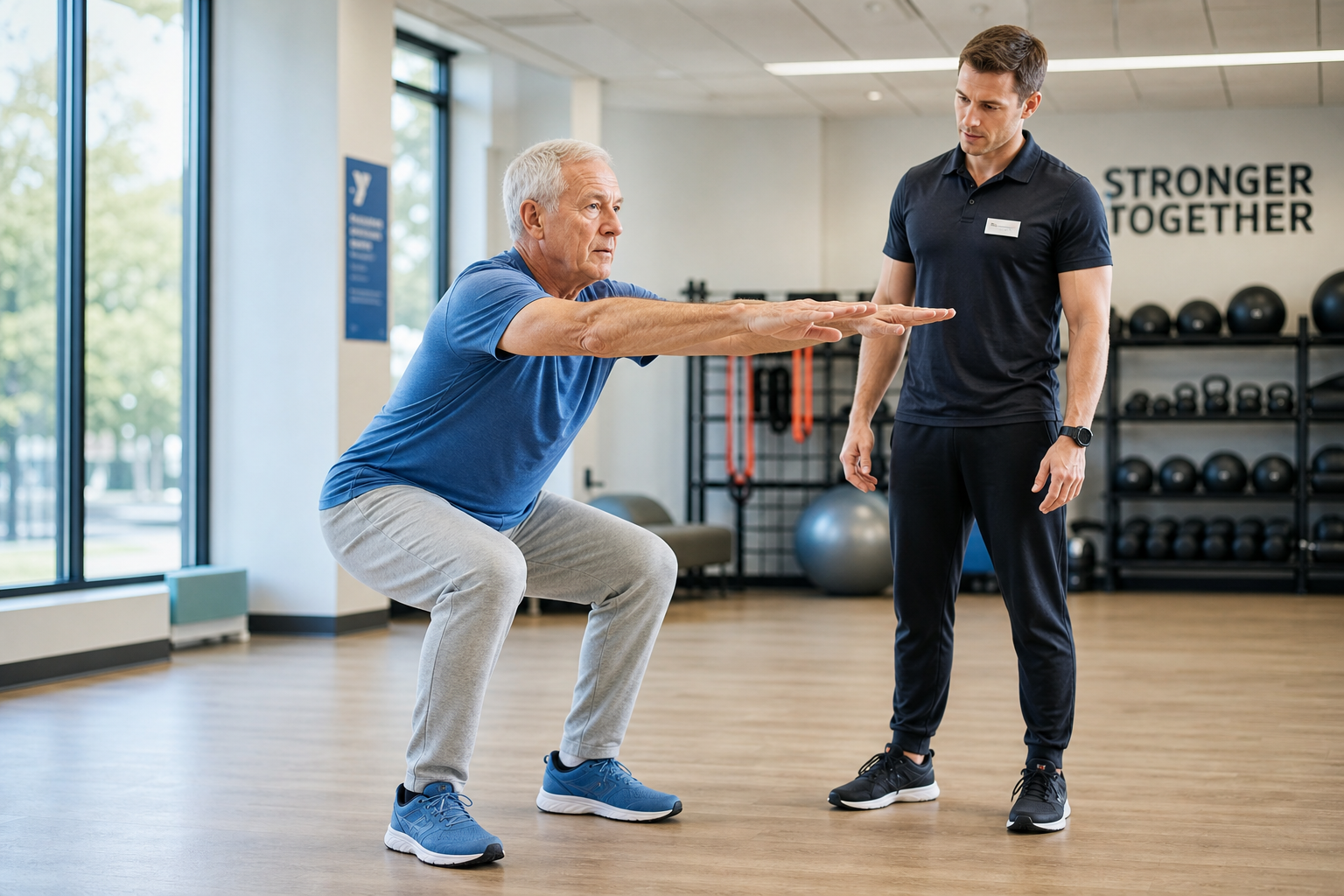
Compound exercises work multiple muscle groups at once, which means more benefit per minute of training. These five movements form the foundation of almost every effective beginner program for older adults.
- Seated or Standing Dumbbell Press: Works shoulders, triceps, and upper chest. Start seated if balance is a concern.
- Goblet Squat: Holds a single dumbbell at chest height while squatting. Builds leg and core strength with natural posture alignment.
- Dumbbell Romanian Deadlift: Hinges at the hips with soft knees. Strengthens hamstrings, glutes, and lower back.
- Seated Row with Resistance Band: Pulls a band toward your torso while seated. Improves upper back strength and posture.
- Dumbbell Chest Press: Lying on a bench or firm surface. Builds pushing strength in the chest and arms.
Pair these with grip strength work, since hand and forearm strength directly affects your ability to carry things safely. The article on grip strength exercises offers several targeted drills you can add at the end of any session.
Resistance bands are a smart addition alongside dumbbells, especially for seated or supported exercises. They’re gentle on joints and easy to store.

Resistance Bands Set for Seniors
A multi-resistance band set gives you lighter and heavier options for different exercises and is ideal for joint-friendly pulling movements.
Weekly Schedule and How to Progress Safely
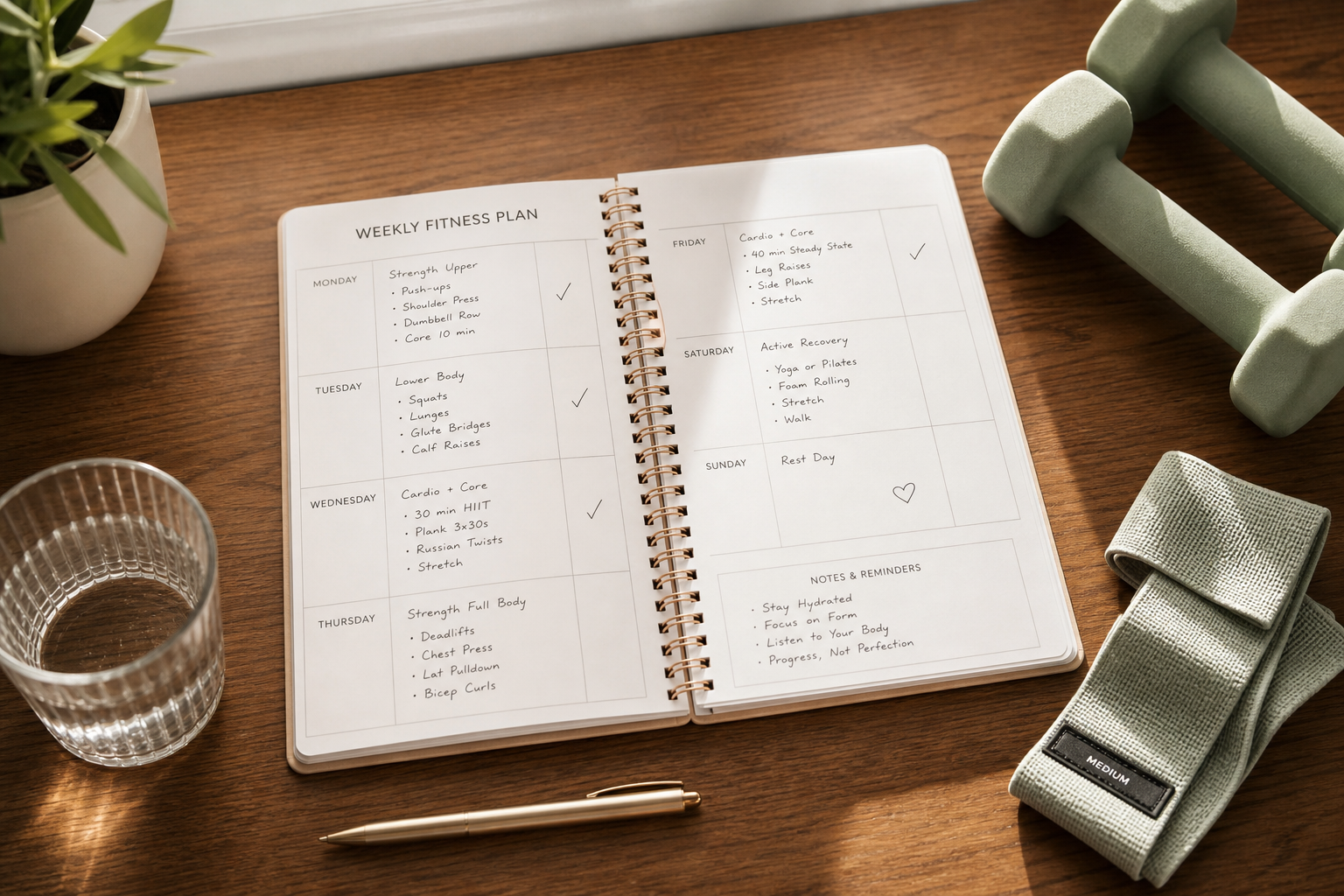
Two to three sessions per week is the right starting frequency for most beginners over 70. Your muscles need 48 hours of recovery between sessions, so training Monday, Wednesday, and Friday works well. Don’t train the same muscle groups on consecutive days.
A simple beginner structure looks like this:
- Warm-up: 8 to 10 minutes of walking and dynamic movement
- Strength work: 3 to 4 compound exercises, 2 to 3 sets each, 12 to 15 reps
- Cool-down: 5 minutes of light walking plus static stretching
Progress by increasing the weight slightly, about 1 to 2 pounds, once you can complete all your reps with good form two sessions in a row. This is called progressive overload, and it’s the core principle behind every effective strength program. If you want a more structured approach, the Progressive Resistance Training 12-Week Strength Building Program lays out exactly how to advance week by week.
Recovery matters as much as training. Eating enough protein after your sessions supports muscle repair. Take a look at these post-workout recovery meals for seniors for practical ideas that don’t require cooking a separate meal.
A quality exercise mat makes floor-based exercises and stretching much more comfortable, especially on hard surfaces.

Non-Slip Exercise Mat
A thicker non-slip mat cushions your joints during floor exercises and provides a stable surface for standing movements.
Frequently Asked Questions
Is it safe to start lifting weights at 70 with no experience?
Yes, with a few conditions. Get medical clearance from your doctor first, especially if you have heart disease, osteoporosis, or recent joint surgery. Start with light weights and focus on learning proper form before adding any resistance. Many people start strength training in their 70s and 80s and see significant benefits within just a few weeks.
How long before I start seeing results?
Most beginners notice real strength gains within 4 to 6 weeks. Early improvements come from your nervous system learning to recruit muscles more efficiently, not just from muscle growth. Visible changes in muscle size and tone typically follow over 8 to 12 weeks of consistent training. Consistency matters far more than intensity at this stage.
What if I have arthritis or joint pain?
Strength training is actually recommended for most people with arthritis because stronger muscles reduce the load on joints. Choose lower-impact exercises, avoid movements that cause sharp pain, and consider resistance bands as a gentler alternative to free weights. The guide on arthritis-friendly exercises for seniors offers specific modifications that protect your joints while still building strength.
A Final Word
You don’t need to overhaul your life to start strength training. Two or three focused sessions per week, with the right form and gradual progression, is enough to make a real difference in your strength, balance, and daily function. The hardest part is the first workout. After that, it gets easier and more rewarding every week.
Support your training with good nutrition, adequate sleep, and the right tools, and you’ll be surprised how much stronger you feel just a few months from now.
This article contains affiliate links. We may earn a small commission at no extra cost to you.